

 Podgląd w skali 1:1
 Wyślij jako kartkę
 Udostępnij
 Szczegóły dzieła
 Przewodnik

 Pobierz obraz
 Podobne obiekty
 RTG
RTG Pokaz slajdów
 Statystyki
lamp
 Arts and Crafts
 19th Century
 25.0 x 30.0 cm
 Royal BC Museum
 Rozwiń treść
Giclée / Wydruk artystyczny
Wydruki giclée lub płótna o jakości muzealnej, szybka realizacja i szeroki wybór opcji wykończenia. ( Zamów ręcznie malowaną reprodukcję Przejdź do wersji cyfrowej)




P118B zł10

P118H zł10

P118W zł10

P438Z zł10

P508JH zł12

P508YH zł12

P805H zł10

P805Z zł10

P919BZ zł10

P919G zł10

P919XJ zł10

P959ZH zł10

P968JZ zł12

W106C zł8

W218G zł10

W218JH zł8

W218Y zł10

W307PJ zł10

W316G zł10

W316PJ zł8

W316Y zł10

W398PJ zł8

W4111J zł10

W500HY zł15

W500JH zł15

W692G zł12

W849H zł8

W940BG zł15

W953PJ zł8




Wybierz spośród naszych standardowych rozmiarów, które zachowują oryginalne proporcje dzieła sztuki.

Wpisz wymaganą szerokość i wysokość, aby dopasować grafikę do ramy lub ściany. Wydruk można jedynie przyciąć, nigdy nie powiększając go poza oryginalny obraz, dlatego format o innych proporcjach spowoduje utratę części kompozycji. Przed rozpoczęciem druku prześlemy Ci cyfrowy podgląd do zatwierdzenia. Obraz wyświetlany na tej stronie nie pokazuje rzeczywistego przycięcia — jedynie podgląd oddaje ten efekt.
Dostawa na cały świat () w ciągu 2 tygodni zamiast standardowych 4/5 tygodni. (25 Październik)

Bezpłatna ekspresowa wysyłka na cały świat

Wysokiej jakości płótno lniane

Pełne ubezpieczenie przesyłki

Gwarancja zwrotu należności celnych i podatków importowych

Gwarancja wiernego odwzorowania kolorów

100-dniowa polityka zwrotów (tylko w przypadku wad)

Gwarancja 100% zwrotu pieniędzy

Zniżka przy zakupie wielu sztuk
 Opcja ze szkłem jest dostępna wyłącznie w rozmiarach poniżej 110 cm

lamp
Giclée / Wydruk artystyczny
Wymiary reprodukcji
-


Cena całkowita
zł 307
A Tapestry of Light and Craftsmanship
To gaze upon this collection of lamps is to encounter not merely functional objects, but miniature sculptures imbued with stories of skilled hands and rich cultural exchange. The central piece, with its warm wooden base intricately carved into a figure, immediately draws the eye. This craftsmanship speaks to an age where utility and artistry were inseparable; every curve of the wood, every bead adorning the shade, suggests hours of patient devotion from master artisans. The interplay between the solid, earthy tones of the base and the vibrant burst of red and yellow in the shade creates a dynamic visual rhythm that is both grounding and uplifting.
The Allure of Decorative Detail
What elevates this grouping beyond mere decorative accents is the sheer variety showcased. Scattered around the main piece are smaller lamps, each possessing its own unique signature—a different patina, a distinct motif, a singular flourish in design. This composition suggests a curated tableau, perhaps evoking a corner shop filled with treasures unearthed from distant travels or an intimate gathering where light itself has been treated as an art form. The shades, adorned with beads and varied embellishments, catch the light in myriad ways, promising to cast not just illumination, but patterned memories across any room.
Historical Echoes and Material Poetry
While the specific provenance of this grouping remains wonderfully mysterious, its style speaks to a rich tradition of global decorative arts. The combination of carved wood, vibrant textiles (or simulated textiles on the shade), and beadwork suggests influences spanning from tropical craftsmanship to established artisan guilds. For the collector or designer, these pieces offer an opportunity to weave narratives into a space. They invite contemplation on the journey of materials—the forest yielding its grain for the base, the earth providing the pigments for the shades.
Bringing Warmth and Character Home
Incorporating such a piece into an interior design scheme is an act of embracing character over stark modernity. These lamps do not simply provide light; they infuse a space with palpable warmth and a sense of storied history. Whether placed clustered on a console table or used as focal points in a gallery arrangement, they serve as conversation starters. Owning a reproduction allows one to bring the romance and meticulous detail of such handcrafted artistry into the contemporary home, transforming mere rooms into richly decorated sanctuaries.
Pytania i odpowiedzi
Jakie są prawa do reprodukcji dzieła "lamp" znajdującego się w Royal BC Museum?
Status praw autorskich do dzieła „lamp” – Emily Carr jest jasny: utwór znajduje się w należy do domeny publicznej – autorskie prawa majątkowe wygasły. Jego obecność w Royal BC Museum nie zmienia tego stanu rzeczy.
Jak mogę podejrzeć reprodukcję dzieła „lamp” – Emily Carr?
Strona Podgląd w pomieszczeniu dzieła „lamp” pozwala na podgląd obrazu przed złożeniem zamówienia.
Gdzie można kupić ręcznie malowane reprodukcje dzieła „lamp” – Emily Carr?
Ręcznie malowaną reprodukcję dzieła „lamp” – Emily Carr można zamówić bezpośrednio na stronie Ręcznie malowana reprodukcja: ręcznie malowana reprodukcja olejowa na płótnie lnianym, tworzoną na specjalne zamówienie.
Biografia artysty
Emily Carr – A Life Rooted in the Landscape and Spirit of British Columbia
Emily Carr, born December 13, 1871, in Victoria, British Columbia, was more than just a painter; she was a chronicler of a changing world, a passionate observer of both the natural majesty of the Pacific Northwest and the rich cultural heritage of its First Nations peoples. Her life unfolded against the backdrop of a rapidly evolving Canada, a nation grappling with its identity and relationship to its Indigenous populations. The daughter of Richard Carr, an English immigrant who sought opportunity in the burgeoning colony, and Emily Saunders, she grew up in a household that valued both tradition and progress. This duality would profoundly shape her artistic vision. From an early age, encouraged by her father, Emily displayed a remarkable aptitude for art, a talent nurtured through formal instruction and a deep connection to the surrounding landscape. The imposing forests of Vancouver Island, the rugged coastline, and the vibrant life within them became enduring sources of inspiration. However, it was not merely the visual beauty that captivated Carr; she sought to capture the *spirit* of this land, its inherent power and mystery.Early Years and Artistic Foundations
Emily Carr’s formative years instilled in her a profound appreciation for both English heritage and Canadian identity—a duality that would permeate her artistic worldview throughout her life. Her father, Richard Carr, was born in Crayford, Kent, England, and embarked on extensive travels across Europe, the Americas, and the Caribbean in pursuit of entrepreneurial ventures. He returned to England briefly with Emily’s mother, Emily Saunders, to savor the wealth he had amassed as a merchant in California, before establishing his family home permanently in Victoria in 1863. The Carr household was situated on Birdcage Walk (now Government Street), in the James Bay district of Victoria—a short distance from the legislative buildings (“lsquo;Birdcages’) and the town itself—and embodied the grandeur of Victorian England amidst the burgeoning frontier spirit of British Columbia. Her father’s insistence on a “Canadian education” for his daughters contrasted sharply with the prevailing social norms, shaping Emily's early understanding of cultural identity. She attended local primary and secondary schools in Victoria, prioritizing academic rigor alongside artistic exploration—a commitment that would define her lifelong pursuit of knowledge and creative expression. Carr received early art instruction at home from her father, who recognized her innate talent and fostered her passion for painting. He gifted her *The Boy’s Own Book of Natural History*, demonstrating his belief in the importance of scientific observation alongside artistic appreciation—a conviction that would inform Carr's meticulous approach to depicting landscapes and capturing the essence of Indigenous cultures. This early exposure to art instilled in her a lifelong fascination with visual representation, preparing her for the transformative experiences she would encounter during her subsequent studies abroad. Her mother’s untimely death from tuberculosis at age fourteen profoundly impacted Emily’s life trajectory—leaving her orphaned and necessitating a shift towards independent living under the guardianship of Edith Carr—a circumstance that further solidified her determination to forge her own path in pursuit of artistic fulfillment.Formal Training and European Influences
Emily Carr pursued formal art training initially at the San Francisco Art Institute (1890-1892), immersing herself in American Impressionist aesthetics before relocating to London in 1899—where she enrolled at Westminster School of Art, seeking guidance from prominent instructors and honing her artistic technique. Her time in London coincided with a burgeoning interest in European artistic currents, particularly Post-Impressionism—influences that would profoundly shape Carr’s distinctive style. She traveled extensively throughout Europe during this period, absorbing inspiration from artists such as Vincent van Gogh, Claude Monet, and Camille Pissarro—whose bold colors and expressive brushstrokes resonated deeply with Carr's own artistic sensibilities. Furthermore, she attended Meadows Studio at Bushey Hertfordshire, where she studied under John Whiteley—a pivotal encounter that solidified her commitment to mastering traditional painting methods while simultaneously experimenting with innovative techniques. These formative experiences instilled in her a disciplined approach to artmaking—one that would serve as the bedrock of her enduring legacy.The Spirit of British Columbia and Indigenous Inspiration
Carr’s artistic vision was irrevocably shaped by her unwavering connection to the landscapes and cultures of British Columbia—a region she regarded as possessing an unparalleled spiritual vitality. She returned to Victoria after completing her studies in London, establishing a studio and dedicating herself to capturing the majesty of the Pacific Northwest forests with uncompromising honesty and passion. Her paintings are characterized by bold colors, dynamic brushstrokes, and an almost visceral energy—reflecting her profound engagement with the natural world and her desire to convey its inherent power and beauty. However, Carr’s artistic exploration extended far beyond mere landscape depiction; she sought to capture the *spirit* of British Columbia—its intangible essence—through meticulous observation and expressive technique. This quest for authenticity led her to embark on numerous expeditions into remote Indigenous villages along the coast—where she documented totem poles, ceremonial rituals, and daily life with reverence and respect. These encounters profoundly impacted Carr’s artistic worldview—inspiring her to infuse her paintings with a spiritual depth that distinguished them from conventional representations of nature. Carr's exploration of First Nations culture was not merely an aesthetic endeavor; it represented a genuine commitment to preserving Indigenous traditions and documenting their unique worldview—a conviction that fueled her tireless efforts to capture the essence of Northwest Coast art and spirituality. Her paintings stand as powerful testimonies to this cultural engagement—reflecting her profound understanding of symbolism, mythology, and the interconnectedness between humans and nature. As she matured, Carr’s artistic style evolved—embracing abstraction while retaining a steadfast connection to her formative experiences—solidifying her position as one of Canada's most innovative and influential modernist painters. Her legacy continues to inspire artists today—serving as a reminder of the transformative power of observation, experimentation, and unwavering devotion to artistic vision. ## Major Works- Tanoo (watercolor): A delicate yet powerful depiction of First Nations life, showcasing Carr’s mastery of watercolor techniques.
- A Haida Village (oil): A striking oil painting that captures the architectural grandeur and spiritual significance of a Haida village.
- The Indian Church (oil): A poignant representation of the intersection between Indigenous culture and Christian missionary influence, reflecting Carr’s complex engagement with colonial history.
- Kispiox Village (oil): An iconic painting that embodies Carr's unique style and her deep connection to the landscapes and communities of British Columbia.

Emily Carr
1871 - 1945 , Kanada
Krótka nota
- Artistic Movement Or Style: Modernism, Post-Impressionism
- Artists Or Movements Influenced By This Artist: ['Pegi Nicol Macleod']
- Date Of Birth: Dec 13, 1871
- Date Of Death: Mar 2, 1945
- Full Name: Emily Carr
- Nationality: Canadian
- Notable Artworks:
- Tanoo
- A Haida Village
- The Indian Church
- Place Of Birth: Victoria, Canada
Powiązane artykuły

Trwałe Formy: Ewolucja Technik i Tematów w Rzeźbie Przez Wieki – Od Antyku do Renesansu
Poznaj fascynującą historię rzeźby od antyku do renesansu! Odkryj techniki, wybitnych artystów i wpływ na współczesną sztukę. Ekspercka analiza dla kolekcjonerów i miłośników.

The Alchemy of Clay: A Collector's Guide to the Mastery, Texture, and Timeless Form of Ceramic Art
Discover the profound beauty of ceramic art. Our expert guide explores the alchemy of clay, texture, and glaze, offering collectors deep insights into mastering earth and fire to create timeless, sculptural masterpieces for any curated collection.
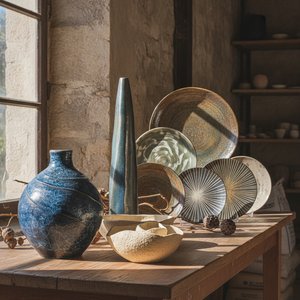
The Art of Ceramics: A Guide to Mastery, Texture, and Timeless Form for the Discerning Collector
Explore the profound elegance of ceramic art. From master glazes to sculptural forms, our expert guide offers discerning collectors deep insights into the mastery, texture, and timeless value of fine ceramics for sophisticated collections and luxury interiors.

10 Legendarnych Brązów, Które Zrewolucjonizowały Sztukę | OriginalUniqueArt
Odkryj 10 legendarnych rzeźb brązowych, które zrewolucjonizowały sztukę! Poznaj historie Rodina, Donatello i innych mistrzów. Inspiracje wnętrzarskie & reprodukcje najwyższej jakości na OriginalUniqueArt.com.

10 Legendarnych Brązów Rzeźbiarskich, Które Zmieniły Sztukę | OriginalUniqueArt
Odkryj 10 legendarnych rzeźb brązowych od Rodina, Degasa i innych mistrzów! Poznaj historię powstania arcydzieł sztuki i inspiruj się do dekoracji wnętrz. Reprodukcje najwyższej jakości na OriginalUniqueArt.com – zobacz kolekcję!


