
 Podgląd w skali 1:1
 Wyślij jako kartkę
 Udostępnij
 Szczegóły dzieła
 Przewodnik

 Pobierz obraz
 Podobne obiekty
 RTG
RTG Pokaz slajdów
 Q&A
Q&A Statystyki
A Haida Village

- 82.0 x 60.0 cm


 Rozwiń treść
Giclée / Wydruk artystyczny
Wydruki giclée lub płótna o jakości muzealnej, szybka realizacja i szeroki wybór opcji wykończenia. ( Zamów ręcznie malowaną reprodukcję Przejdź do wersji cyfrowej)




P118B zł10

P118H zł10

P118W zł10

P438Z zł10

P508JH zł12

P508YH zł12

P805H zł10

P805Z zł10

P919BZ zł10

P919G zł10

P919XJ zł10

P959ZH zł10

P968JZ zł12

W106C zł8

W218G zł10

W218JH zł8

W218Y zł10

W307PJ zł10

W316G zł10

W316PJ zł8

W316Y zł10

W398PJ zł8

W4111J zł10

W500HY zł15

W500JH zł15

W692G zł12

W849H zł8

W940BG zł15

W953PJ zł8




Wybierz spośród naszych standardowych rozmiarów, które zachowują oryginalne proporcje dzieła sztuki.

Wpisz wymaganą szerokość i wysokość, aby dopasować grafikę do ramy lub ściany. Wydruk można jedynie przyciąć, nigdy nie powiększając go poza oryginalny obraz, dlatego format o innych proporcjach spowoduje utratę części kompozycji. Przed rozpoczęciem druku prześlemy Ci cyfrowy podgląd do zatwierdzenia. Obraz wyświetlany na tej stronie nie pokazuje rzeczywistego przycięcia — jedynie podgląd oddaje ten efekt.
Dostawa na cały świat () w ciągu 2 tygodni zamiast standardowych 4/5 tygodni. (31 Październik)

Bezpłatna ekspresowa wysyłka na cały świat

Wysokiej jakości płótno lniane

Pełne ubezpieczenie przesyłki

Gwarancja zwrotu należności celnych i podatków importowych

Gwarancja wiernego odwzorowania kolorów

100-dniowa polityka zwrotów (tylko w przypadku wad)

Gwarancja 100% zwrotu pieniędzy

Zniżka przy zakupie wielu sztuk
 Opcja ze szkłem jest dostępna wyłącznie w rozmiarach poniżej 110 cm

A Haida Village
Giclée / Wydruk artystyczny
Wymiary reprodukcji
-


Cena całkowita
zł 311
The Spirit of the Forest: An Encounter with a Tlingit Vision
Emily Carr’s “A Haida Village,” painted in 1929, isn't merely a depiction of a coastal scene; it’s an immersive journey into the heart of Northwest Indigenous culture. This oil painting transcends simple representation, offering a glimpse into the profound connection between the Haida people and their ancestral land – Haida Gwaii, now known as Prince of Wales Island. Carr, a pivotal figure in Canadian modernism, masterfully blends elements of Post-Impressionism with her unique sensitivity to the natural world and the spiritual essence she perceived within it. The canvas breathes with the cool blues and greens of the Pacific Northwest forest, punctuated by the warm browns of cedar and earth – colors that speak directly to the landscape’s enduring presence.
The composition itself is strikingly deliberate. Vertical totem poles dominate the foreground, their imposing forms anchoring the scene and immediately establishing a sense of scale and reverence. These aren't simply structures; they are living records of clan history, lineage, and spiritual authority – visual narratives etched into wood and imbued with deep symbolic meaning. The low horizon line emphasizes the vastness of the surrounding wilderness, drawing the viewer’s eye upwards to the towering trees and hinting at an endless expanse of forest stretching beyond the frame. Carr's use of simplified forms and flattened perspective, characteristic of early 20th-century modernist painting, serves not to diminish the scene but rather to heighten its symbolic power.
Modernism Rooted in Tradition: A Unique Artistic Voice
Carr’s stylistic choices are particularly noteworthy. She deliberately departs from strict realism, opting instead for a stylized approach that prioritizes emotional resonance over photographic accuracy. Bold lines define the shapes of buildings and totem poles, creating a sense of rhythm and movement across the canvas. The use of geometric abstraction – rectangular forms and angular structures – reflects both the architectural elements of the village and the underlying structure of Haida cosmology. This isn’t an attempt to replicate reality; it's an interpretation filtered through Carr’s deeply felt understanding of the subject matter.
The painting’s dramatic lighting further enhances its impact. Strong contrasts between light and shadow create a sense of depth and drama, emphasizing the verticality of the totem poles and lending a solemn quality to the scene. Carr skillfully employs chiaroscuro – the interplay of light and dark – to draw attention to key elements and evoke a feeling of both grandeur and mystery. The muted color palette contributes to this atmosphere, creating a sense of timelessness and reinforcing the painting’s connection to its historical context.
Symbolism Woven into the Landscape
Beyond its formal qualities, “A Haida Village” is rich in symbolism. The totem poles themselves are central to understanding the artwork's meaning, representing not just individual clans but also the interconnectedness of all things within Haida society. The dwellings depicted – simple, functional structures built from natural materials – reflect a deep respect for the environment and a sustainable way of life. Carr’s deliberate choice of subject matter—a thriving village nestled within a primeval forest—underscores the enduring strength and resilience of the Haida people in the face of changing times.
Furthermore, the painting can be interpreted as a meditation on the relationship between humanity and nature. Carr's artistic vision seems to suggest that true understanding comes not from imposing one’s own perspective but from immersing oneself within the spirit of the land. The artwork invites contemplation on themes of heritage, spirituality, and the profound beauty of the natural world – elements deeply valued by both the Haida people and Emily Carr herself.
A Legacy in Reproduction: Bringing Tradition to Life
Reproductions of “A Haida Village” offer a remarkable opportunity to bring this powerful artwork into your home or office. Whether you choose a high-quality canvas print, a meticulously crafted giclée, or a framed original, you’ll be acquiring more than just a beautiful image; you'll be investing in a piece of Canadian art history and celebrating the enduring legacy of the Haida people. Consider framing options that complement the painting’s rich colors and bold lines – perhaps a natural wood frame to further emphasize its connection to the forest.
Pytania i odpowiedzi
Czy mogę zobaczyć „A Haida Village” – Emily Carr w różnym oświetleniu?
Widok rentgenowski dzieła „A Haida Village” – Emily Carr jest dostępny na stronie Analiza rentgenowska: to interaktywna analiza obrazu obejmująca jedenaście warstw optycznych.
Jaki nastrój emocjonalny budzi „A Haida Village” – Emily Carr?
Emocjonalny ton przypisany do „A Haida Village” – Emily Carr to Melancholic. Oddaje on emocje, jakie wyraża to dzieło.
Do którego okresu twórczości Emily Carr należy dzieło „A Haida Village”?
„A Haida Village” pochodzi z okresu Early Modern w twórczości Emily Carr. Klasyfikacja ta wiąże dzieło z rozwojem artysty.
Biografia artysty
Emily Carr – A Life Rooted in the Landscape and Spirit of British Columbia
Emily Carr, born December 13, 1871, in Victoria, British Columbia, was more than just a painter; she was a chronicler of a changing world, a passionate observer of both the natural majesty of the Pacific Northwest and the rich cultural heritage of its First Nations peoples. Her life unfolded against the backdrop of a rapidly evolving Canada, a nation grappling with its identity and relationship to its Indigenous populations. The daughter of Richard Carr, an English immigrant who sought opportunity in the burgeoning colony, and Emily Saunders, she grew up in a household that valued both tradition and progress. This duality would profoundly shape her artistic vision. From an early age, encouraged by her father, Emily displayed a remarkable aptitude for art, a talent nurtured through formal instruction and a deep connection to the surrounding landscape. The imposing forests of Vancouver Island, the rugged coastline, and the vibrant life within them became enduring sources of inspiration. However, it was not merely the visual beauty that captivated Carr; she sought to capture the *spirit* of this land, its inherent power and mystery.Early Years and Artistic Foundations
Emily Carr’s formative years instilled in her a profound appreciation for both English heritage and Canadian identity—a duality that would permeate her artistic worldview throughout her life. Her father, Richard Carr, was born in Crayford, Kent, England, and embarked on extensive travels across Europe, the Americas, and the Caribbean in pursuit of entrepreneurial ventures. He returned to England briefly with Emily’s mother, Emily Saunders, to savor the wealth he had amassed as a merchant in California, before establishing his family home permanently in Victoria in 1863. The Carr household was situated on Birdcage Walk (now Government Street), in the James Bay district of Victoria—a short distance from the legislative buildings (“lsquo;Birdcages’) and the town itself—and embodied the grandeur of Victorian England amidst the burgeoning frontier spirit of British Columbia. Her father’s insistence on a “Canadian education” for his daughters contrasted sharply with the prevailing social norms, shaping Emily's early understanding of cultural identity. She attended local primary and secondary schools in Victoria, prioritizing academic rigor alongside artistic exploration—a commitment that would define her lifelong pursuit of knowledge and creative expression. Carr received early art instruction at home from her father, who recognized her innate talent and fostered her passion for painting. He gifted her *The Boy’s Own Book of Natural History*, demonstrating his belief in the importance of scientific observation alongside artistic appreciation—a conviction that would inform Carr's meticulous approach to depicting landscapes and capturing the essence of Indigenous cultures. This early exposure to art instilled in her a lifelong fascination with visual representation, preparing her for the transformative experiences she would encounter during her subsequent studies abroad. Her mother’s untimely death from tuberculosis at age fourteen profoundly impacted Emily’s life trajectory—leaving her orphaned and necessitating a shift towards independent living under the guardianship of Edith Carr—a circumstance that further solidified her determination to forge her own path in pursuit of artistic fulfillment.Formal Training and European Influences
Emily Carr pursued formal art training initially at the San Francisco Art Institute (1890-1892), immersing herself in American Impressionist aesthetics before relocating to London in 1899—where she enrolled at Westminster School of Art, seeking guidance from prominent instructors and honing her artistic technique. Her time in London coincided with a burgeoning interest in European artistic currents, particularly Post-Impressionism—influences that would profoundly shape Carr’s distinctive style. She traveled extensively throughout Europe during this period, absorbing inspiration from artists such as Vincent van Gogh, Claude Monet, and Camille Pissarro—whose bold colors and expressive brushstrokes resonated deeply with Carr's own artistic sensibilities. Furthermore, she attended Meadows Studio at Bushey Hertfordshire, where she studied under John Whiteley—a pivotal encounter that solidified her commitment to mastering traditional painting methods while simultaneously experimenting with innovative techniques. These formative experiences instilled in her a disciplined approach to artmaking—one that would serve as the bedrock of her enduring legacy.The Spirit of British Columbia and Indigenous Inspiration
Carr’s artistic vision was irrevocably shaped by her unwavering connection to the landscapes and cultures of British Columbia—a region she regarded as possessing an unparalleled spiritual vitality. She returned to Victoria after completing her studies in London, establishing a studio and dedicating herself to capturing the majesty of the Pacific Northwest forests with uncompromising honesty and passion. Her paintings are characterized by bold colors, dynamic brushstrokes, and an almost visceral energy—reflecting her profound engagement with the natural world and her desire to convey its inherent power and beauty. However, Carr’s artistic exploration extended far beyond mere landscape depiction; she sought to capture the *spirit* of British Columbia—its intangible essence—through meticulous observation and expressive technique. This quest for authenticity led her to embark on numerous expeditions into remote Indigenous villages along the coast—where she documented totem poles, ceremonial rituals, and daily life with reverence and respect. These encounters profoundly impacted Carr’s artistic worldview—inspiring her to infuse her paintings with a spiritual depth that distinguished them from conventional representations of nature. Carr's exploration of First Nations culture was not merely an aesthetic endeavor; it represented a genuine commitment to preserving Indigenous traditions and documenting their unique worldview—a conviction that fueled her tireless efforts to capture the essence of Northwest Coast art and spirituality. Her paintings stand as powerful testimonies to this cultural engagement—reflecting her profound understanding of symbolism, mythology, and the interconnectedness between humans and nature. As she matured, Carr’s artistic style evolved—embracing abstraction while retaining a steadfast connection to her formative experiences—solidifying her position as one of Canada's most innovative and influential modernist painters. Her legacy continues to inspire artists today—serving as a reminder of the transformative power of observation, experimentation, and unwavering devotion to artistic vision. ## Major Works- Tanoo (watercolor): A delicate yet powerful depiction of First Nations life, showcasing Carr’s mastery of watercolor techniques.
- A Haida Village (oil): A striking oil painting that captures the architectural grandeur and spiritual significance of a Haida village.
- The Indian Church (oil): A poignant representation of the intersection between Indigenous culture and Christian missionary influence, reflecting Carr’s complex engagement with colonial history.
- Kispiox Village (oil): An iconic painting that embodies Carr's unique style and her deep connection to the landscapes and communities of British Columbia.

Emily Carr
1871 - 1945 , Kanada
Krótka nota
- Artistic Movement Or Style: Modernism, Post-Impressionism
- Artists Or Movements Influenced By This Artist: ['Pegi Nicol Macleod']
- Date Of Birth: Dec 13, 1871
- Date Of Death: Mar 2, 1945
- Full Name: Emily Carr
- Nationality: Canadian
- Notable Artworks:
- Tanoo
- A Haida Village
- The Indian Church
- Place Of Birth: Victoria, Canada
Powiązane artykuły

Olej na płótnie: Historia, techniki i ponadczasowy urok malarskiego medium
Poznaj historię i techniki malarstwa olejowego! Od renesansowych mistrzów po współczesne zastosowania – wszystko o oleju na płótnie. Poradniki, konserwacja i inspiracje dla pasjonatów sztuki.

Trwała Spuścizna Malarstwa Olejnego: Technika, Historia i Współczesna Praktyka
Poznaj historię i techniki malarstwa olejnego. Poradniki dla artystów, informacje o konserwacji oraz możliwość zamówienia wysokiej jakości reprodukcji obrazów. Ekspercka wiedza i gwarancja trwałości dzieł sztuki.

The Enduring Power of Painting: A Historical & Contemporary Exploration of Form and Emotion
Explore the rich history & enduring techniques of oil painting with OriginalUniqueArt. Discover masterpieces, learn about art collecting, and find authentic handmade reproductions crafted by skilled artists.
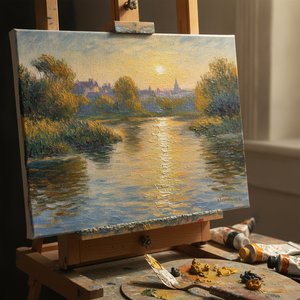
The Soul of Impressionism: Why Oil on Canvas Captures Eternal Light and Timeless Emotion
Discover the enchanting alchemy of Impressionism. Explore how the mastery of oil on canvas, through glazing and impasto, captures eternal light and emotion. Perfect for lovers of Monet and Van Gogh seeking the profound depth of hand-painted fine art.

Trwała Spuścizna Malarstwa Olejnego: Technika, Historia i Estetyczny Wpływ
Poznaj historię i technikę malarstwa olejnego! Eksperckie artykuły o konserwacji, renowacji oraz współczesnych zastosowaniach. Dowiedz się więcej o mistrzach i trwałości obrazów olejnych.


