Spring (Emile Vernon)
Emile Vernon (1872–1920) stworzył Spring.

 Podgląd w skali 1:1

 Ręcznie malowany obraz olejny
 Wyślij jako kartkę
 Udostępnij
 Karta informacyjna


 Pobierz obraz
 Podobne obiekty
 RTG
 Pokaz slajdów
 Pytania i odpowiedzi

 Statystyki
Spring w skrócie
- Tytuł
- Spring
- Artysta
- Emile Vernon (1872–1920)
- Miejsce urodzenia artysty
- Blois, France
- Temat
- spring
Zdjęcia w wysokiej rozdzielczości dzieła Spring
Domena publiczna: artysta zmarł w 1920.
Emile Vernon, Spring. Domena publiczna
Odpowiedzi na pytania dotyczące Spring
Co przedstawia „Spring” – Emile Vernon?
Tematyka dzieła "Spring" to spring.
Czy „Spring” – Emile Vernon znajduje się w domenie publicznej?
Status praw autorskich dla „Spring” – Emile Vernon: dzieło znajduje się w należy do domeny publicznej – autorskie prawa majątkowe wygasły. Określa to, czy reprodukcje obrazu mogą być sporządzane swobodnie.
Któremu artyście przypisuje się "Spring"?
„Spring” zostało stworzone przez Emile Vernon. Informacje na tej stronie dotyczą oryginalnego dzieła autorstwa Emile Vernon.
Z czego wynika obecny status praw autorskich dzieła "Spring"?
Status praw autorskich do dzieła „Spring” – należy do domeny publicznej – autorskie prawa majątkowe wygasły – wynika z faktu, że artysta zmarł w 1920.
O artyście: Emile Vernon
1872–1920, France
Emile Vernon
Emile Vernon: A Pioneer of Impressionistic Landscape Painting Emile Vernon (1872 – 1920) stands as a significant figure in French Impressionism, celebrated for his serene depictions of Giverny’s gardens and the landscapes surrounding Claude Monet's home. Born in Blois, France, Vernon embarked on an artistic path marked by meticulous observation and a profound sensitivity to light and color—characteristics that would define his distinctive style and solidify his place within the broader movement. Early Life & Education: Vernon’s formative years were spent honing his skills at the École des Beaux-Arts in Tours, where he secured the prestigious first drawing prize in 1888. This early success fueled his ambition to pursue formal artistic training under luminaries like William Bouguereau and Auguste Truphème at the School of Fine Arts in Paris.
Inne prace Emile Vernon
 Portrait De Jeune Fille
 Cherry Blossom
 Young Woman With Roses
 A woodland maiden
Eseje o Spring
 Vernal Light and Botanical Form: The Tradition of Spring Landscapes in the Artistic CanonExplore the evolution of spring landscapes from Monet to Patinir with expert art historical analysis. Discover the masters of seasonal ligh…
 A Collector’s Calendar: Selecting Impressionist Works for Seasonal GiftingMaster the art of seasonal gifting with expert Impressionist selection guides. Discover timeless works to elevate your collection today.
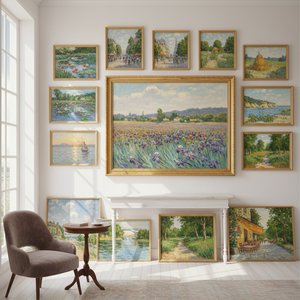 10 Arcydzieł Impresjonizmu Krajobrazowego: Sztuka, Artyści i Dekoracje WnetrzOdkryj 10 arcydzieł impresjonizmu krajobrazowego! Poznaj historie Monet, Renoir i innych mistrzów. Inspiracje wnętrzarskie, techniki malars…