
 Podgląd w skali 1:1
 Wyślij jako kartkę
 Udostępnij
 Szczegóły dzieła
 Przewodnik

 Pobierz obraz
 Podobne obiekty
 RTG
RTG Pokaz slajdów
 Pytania i odpowiedzi
 Statystyki
Baigneuses
 Rozwiń treść
Giclée / Wydruk artystyczny
Wydruki giclée lub płótna o jakości muzealnej, szybka realizacja i szeroki wybór opcji wykończenia. ( Zamów ręcznie malowaną reprodukcję Przejdź do wersji cyfrowej)




































Wybierz spośród naszych standardowych rozmiarów, które zachowują oryginalne proporcje dzieła sztuki.

Wpisz wymaganą szerokość i wysokość, aby dopasować grafikę do ramy lub ściany. Wydruk można jedynie przyciąć, nigdy nie powiększając go poza oryginalny obraz, dlatego format o innych proporcjach spowoduje utratę części kompozycji. Przed rozpoczęciem druku prześlemy Ci cyfrowy podgląd do zatwierdzenia. Obraz wyświetlany na tej stronie nie pokazuje rzeczywistego przycięcia — jedynie podgląd oddaje ten efekt.
Dostawa na cały świat () w ciągu 2 tygodni zamiast standardowych 4/5 tygodni. (9 Listopad)

Bezpłatna ekspresowa wysyłka na cały świat

Wysokiej jakości płótno lniane

Pełne ubezpieczenie przesyłki

Gwarancja zwrotu należności celnych i podatków importowych

Gwarancja wiernego odwzorowania kolorów

100-dniowa polityka zwrotów (tylko w przypadku wad)

Gwarancja 100% zwrotu pieniędzy

Zniżka przy zakupie wielu sztuk
 Opcja ze szkłem jest dostępna wyłącznie w rozmiarach poniżej 110 cm

Baigneuses
Giclée / Wydruk artystyczny
Wymiary reprodukcji
-


Cena całkowita
zł 317
Biografia artysty
Émile Othon Friesz: Life and Art
Early Life and Education
- Achille-Émile Othon Friesz was born in Le Havre, France, in 1879. He came from a family with artistic inclinations; his father was a marine painter.
- Friesz initially pursued studies in shipbuilding before dedicating himself to painting around the age of 20.
- He received formal training at the École des Beaux-Arts in Paris, studying under Gustave Moreau and Léon Bonnat.
- During his time in Paris, he befriended other aspiring artists like Raoul Dufy, which would prove pivotal to his artistic development.
Fauvism and Early Career
- Friesz became a key member of the Fauvist movement, alongside artists like Henri Matisse and André Derain. This group was known for its bold use of color and expressive brushwork.
- His early works from this period, such as Paysage à la Ciotat (1907), demonstrate the Fauvist aesthetic – vibrant, non-naturalistic colors applied with energetic strokes.
- He exhibited with the Salon d'Automne in 1905, the exhibition that famously launched the term “Fauves” (“wild beasts”) due to their radical style.
Artistic Development and Style
- Around 1908-1909, Friesz began to move away from the intense colorism of Fauvism towards a more personal Post-Impressionist style.
- His palette became softer, and his compositions more structured. He focused increasingly on landscapes, often depicting scenes in Normandy and along the French coast.
- Les baigneuses des Andelys (1908) exemplifies this transition, showcasing a more balanced composition and nuanced color scheme.
- He continued to paint figure paintings and still lifes throughout his career, but landscapes remained a central theme.
Major Works and Achievements
- Le travail à l'automne (1907-1908): A large-scale painting showcasing his Fauvist period, depicting figures working in an autumnal landscape.
- Roofs and cathedral in Rouen (1908): Demonstrates his exploration of urban landscapes and architectural subjects.
- Paysage les jars (ca. 1920): A representative example of his later, more refined Post-Impressionist style.
- Friesz exhibited widely throughout France and internationally during his lifetime.
Historical Significance and Legacy
- Émile Othon Friesz played a significant role in the development of modern art, particularly through his involvement with Fauvism.
- His later work demonstrates a successful transition from radical experimentation to a more contemplative and personal style.
- He influenced a generation of painters, including Marthe Rakine, who was among his pupils.
- Friesz’s paintings are held in major museum collections worldwide, including the Hermitage Museum (Saint Petersburg) and the Musée du Petit Palais (Geneva).
- He died in Paris in 1949 and is buried in the Cimetière du Montparnasse.

Emile Othon Friesz
1879 - 1949 , France
Krótka nota
- Name: Émile Othon Friesz
- Movement:
- Fauvism
- Post-Impressionism
- Birth Date: 1879
- Death Date: 1949
- Birth Place: Le Havre, France
- Nationality: French
- Date Of Birth: 1879
- Date Of Death: 1949
- Notable Works:
- Paysage à la Ciotat
- Le travail à l'automne
- Les baigneuses des Andelys
- Roofs and cathedral in Rouen
- Landscape with figures
- Paysage les jars
- Place Of Birth: Le Havre, France
Powiązane artykuły
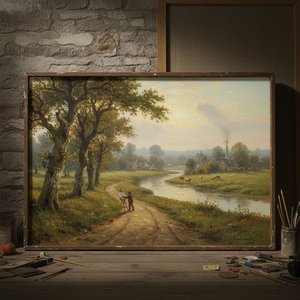
Charles-François Daubigny: Pioneering Atmospheric Light & Barbizon Realism
Explore the life & art of Charles-François Daubigny, a pivotal Barbizon School painter. Discover his innovative landscapes, mastery of light, and influence on Impressionism. High-quality reproductions available.

Masterpieces of Light: The Top 25 Artworks by Duccio di Buoninsegna
Journey through the divine elegance of Duccio di Buoninsegna. Explore 25 iconic Sienese masterpieces, from the Maestà to the Rucellai Madonna. Find inspiration for museum-quality art reproductions and timeless decor. Discover all masterpieces on OriginalUniqueArt.com.
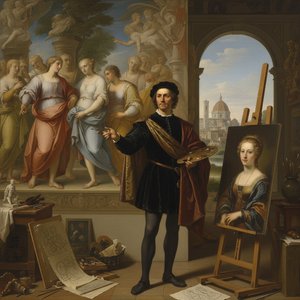
Andrea del Sarto: Florentine Grace, Technical Mastery & Artistic Ambition
Explore the life & art of Andrea del Sarto, a Florentine Renaissance master renowned for harmonious compositions & technical brilliance. Discover his frescoes, portraits, and lasting influence on art history.
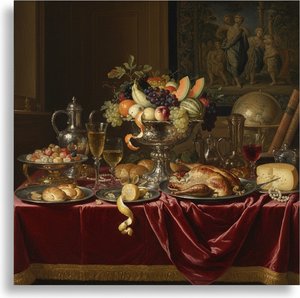
Abraham Hendricksz van Beyeren: Pioneering Dutch Still Life & the Banquet Tradition
Explore the captivating world of Dutch Golden Age still life with Abraham van Beyeren. Discover his innovative techniques, symbolic banquet scenes & lasting influence on art history. Learn about collecting these masterpieces.
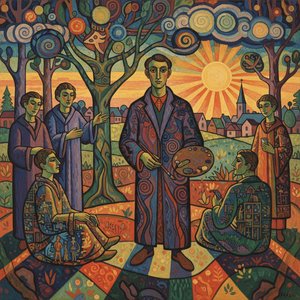
Paul Sérusier: Pioneering Synthetism & The Nabis’ Symbolic Revolution
Discover Paul Sérusier's pivotal role in the Nabis movement & the birth of Synthetism. Explore 'The Talisman,' his influence on modern art, and a deeper understanding of this symbolic revolution. Expert analysis & insights.