Podgląd w skali
 Wyślij jako kartkę
 Udostępnij
 Szczegóły dzieła

 Pobierz
 Podobne obiekty
 RTG
RTG Pokaz slajdów
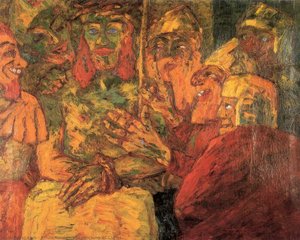
Hyacinth and begonia

 Rozwiń treść
Giclée / Wydruk artystyczny
Druk giclée lub płótno o jakości muzealnej, szybka realizacja i szeroki wybór opcji wykończenia. ( Kup ręcznie malowany obraz Kup obraz cyfrowy)




P118B $10

P118H $10

P118W $10

P438Z $10

P508JH $12

P508YH $12

P805H $10

P805Z $10

P919BZ $10

P919G $10

P919XJ $10

P959ZH $10

P968JZ $12

W106C $8

W218G $10

W218JH $8

W218Y $10

W307PJ $10

W316G $10

W316PJ $8

W316Y $10

W398PJ $8

W4111J $10

W500HY $15

W500JH $15

W692G $12

W849H $8

W940BG $15

W953PJ $8




Wybierz spośród naszych standardowych rozmiarów, które zachowują oryginalne proporcje dzieła sztuki.

Możesz wprowadzić własne wymiary, aby dopasować dzieło do konkretnej ramy lub przestrzeni. Jeśli wybrany rozmiar nie będzie odpowiadał proporcjom oryginalnego obrazu, przytniecie dzieło lub rozszerzymy obraz za pomocą odbicia lustrzanego lub jednolitego wypełnienia krawędzi. Przed rozpoczęciem produkcji prześlemy cyfrową wizualizację do Twojej akceptacji.
Prosimy pamiętać, że podgląd na ekranie nie odzwierciedla faktycznego przycinania ani rozszerzania. Tylko wizualizacja dokładnie pokaże końcową kompozycję.
Mimo dostępności niestandardowych rozmiarów, zalecamy wybór wymiaru z listy zdefiniowanej, aby zachować oryginalne proporcje.
Dostawa na cały świat () w ciągu 2 tygodni zamiast standardowych 4/5 tygodni. (12 Sierpień)

Bezpłatna ekspresowa wysyłka na cały świat

Wysokiej jakości płótno lniane

Pełne ubezpieczenie przesyłki

Gwarancja zwrotu należności celnych i podatków importowych

Gwarancja wiernego odwzorowania kolorów

Polityka 60-dniowego zwrotu (tylko w przypadku wad)

Gwarancja 100% zwrotu kosztów

Zniżka przy zamówieniu wielu produktów
 Opcja ze szkłem jest dostępna wyłącznie w rozmiarach poniżej 110 cm

Hyacinth and begonia
Giclée / Wydruk artystyczny
Wymiary reprodukcji
-


Cena całkowita
$ 80
Opis kolekcjonerski
A Burst of Color: Exploring Nolde’s ‘Hyacinth and Begonia’
Emile Nolde's ‘Hyacinth and Begonia’ is a captivating example of early Expressionism, radiating an intense energy through its vibrant color palette and dynamic composition. Painted sometime in the early 20th century – a period of significant artistic upheaval – this oil on canvas transcends mere floral representation, becoming instead a powerful exploration of emotion and subjective experience.
Style & Technique: The Language of Feeling
- Expressionistic Freedom: Nolde eschews traditional representational accuracy in favor of conveying inner feeling. The flowers aren’t depicted as they *appear*, but as they are *felt* – a key tenet of the Expressionist movement.
- Loose Brushwork & Bold Color: The painting is characterized by loose, gestural brushstrokes and an unrestrained use of color. The fiery reds of the hyacinths and begonias leap from the canvas against the deep, almost brooding blue background. This isn’t a delicate rendering; it's a visceral experience.
- Flattened Perspective & Simplified Forms: Nolde deliberately flattens the picture plane, eliminating traditional depth cues. The flowers and the amorphous white shape above are presented as bold, simplified forms, emphasizing their symbolic weight rather than realistic detail.
Symbolism & Interpretation: Beyond the Bloom
While seemingly a simple depiction of flowers, ‘Hyacinth and Begonia’ invites deeper contemplation. The red blossoms traditionally symbolize passion, vitality, and even sacrifice. The large white form dominating the upper portion of the canvas is open to interpretation – perhaps representing clouds, mist, or even a spiritual realm. This ambiguity is intentional, allowing viewers to project their own emotions and experiences onto the artwork.
Nolde & The Expressionist Movement: A Revolutionary Spirit
- A Pioneer of Emotion: Emile Nolde (1867-1956) was a pivotal figure in the development of German Expressionism. He, along with artists like Ernst Ludwig Kirchner and Erich Heckel, sought to express subjective emotions and experiences through distorted forms and intense colors.
- Influences & Inspirations: Nolde’s work demonstrates influences from Van Gogh and Gauguin – particularly their bold use of color and expressive brushwork. He was also deeply inspired by primitive art, especially the power of masks and carvings from non-Western cultures.
- A Troubled Legacy: Despite his artistic contributions, Nolde’s life was marked by controversy due to his association with the Nazi party (though he was later persecuted by them for his “degenerate” art). Understanding this complex history adds another layer of meaning to his work.
‘Hyacinth and Begonia’ is more than just a beautiful painting; it's a window into the soul of an artist grappling with profound emotions and a rapidly changing world. Its vibrant energy and expressive power make it a compelling addition to any collection or interior space, offering a timeless reminder of the transformative potential of art.
O artyście
Early Life and Artistic Beginnings
Emil Nolde, a name synonymous with vibrant expressionism, was born Hans Emil Hansen on August 7th, 1867, in the small village of Nolde, nestled within the Schleswig-Holstein region of Germany. His origins were deeply rooted in rural life – his family’s livelihood intertwined with woodcarving and furniture craftsmanship, traditions that would subtly shape his artistic sensibilities. Despite initial reservations from his parents, who envisioned a more conventional path for their son, young Hans Emil possessed an unyielding passion for art, a burning desire to translate the world within him onto canvas. He began his artistic journey as a humble wood carver, honing his skills in shaping and manipulating natural materials – a foundation that would later inform his bold use of texture and form. It wasn’t until his late twenties that he truly dedicated himself to painting, embarking on a path of self-education fueled by an insatiable curiosity and a profound need to express the emotions swirling within him.Artistic Development and Influences
Nolde's artistic evolution was marked not by formal training but by a relentless pursuit of knowledge and experience. He embarked on extensive travels, immersing himself in diverse cultures and absorbing the artistic currents flowing through Europe at the turn of the century. Early influences were strikingly eclectic – he found inspiration in the raw emotion of Vincent van Gogh’s brushstrokes, the evocative landscapes of Paul Gauguin's Tahiti, and the powerful symbolism embedded within traditional folk art, particularly the expressive masks and carvings prevalent in rural communities. These encounters ignited a desire to break free from academic constraints and explore a more subjective, emotionally charged approach to painting. Initially experimenting with Realism and Impressionism, Nolde quickly recognized that these styles lacked the depth and intensity he sought to convey. He began to prioritize color, distortion, and the raw expression of inner feelings – laying the groundwork for his distinctive style.Die Brücke and Expressionist Breakthrough
In 1905, a pivotal moment arrived in Nolde’s artistic life: he co-founded Die Brücke (The Bridge), a groundbreaking group of German Expressionist artists. This collective, comprised of like-minded individuals, sought to dismantle the rigid conventions of the art establishment and forge a new path rooted in emotional honesty and radical experimentation. Die Brücke aimed to capture the anxieties and uncertainties of modern life through bold colors, distorted forms, and unsettling imagery. Nolde’s contribution to the group was significant; his intense use of color – often jarringly juxtaposed – and his willingness to distort reality pushed the boundaries of representation, challenging viewers to confront their own perceptions. However, despite his vital role within Die Brücke, Nolde maintained a degree of independence, frequently diverging in subject matter and stylistic approach, reflecting his unique artistic vision.Key Themes and Artistic Style
Nolde’s oeuvre is characterized by recurring motifs that reveal the depth of his emotional landscape: religious scenes brimming with drama and symbolism, evocative landscapes capturing the raw beauty of nature, turbulent seascapes mirroring inner turmoil, and poignant portraits revealing glimpses into human psychology. A particularly compelling element of his work is his fascination with masks – both as physical objects imbued with ritual significance and as symbolic representations of primal emotions and hidden identities. His artistic style is instantly recognizable: a vibrant palette dominated by intense reds, blues, and yellows; distorted forms that prioritize emotional impact over realistic depiction; and an impasto technique—a thick application of paint creating a tactile surface brimming with energy. Nolde’s paintings are not merely representations of the world but rather visceral expressions of his inner experience.Notable Works and Historical Significance
Throughout his prolific career, Nolde created a vast body of work that continues to captivate audiences today. Some of his most celebrated paintings include Masks (1906-1907), a series exploring the power of primitive art; The Mocking of Christ (1909), a profoundly moving depiction of religious suffering; and Autumn Sea (1908), a breathtaking landscape capturing the drama of a stormy coastline. His *Dance around the Golden Calf* (1909) is another powerful example of his ability to convey intense emotion through distorted forms and vibrant color. Despite facing criticism and censorship during the rise of the Nazi regime – his work was deemed “degenerate” and removed from museums – Nolde remained steadfast in his artistic convictions, producing a remarkable body of watercolor paintings during this period, hidden away in secret. His legacy as one of Germany’s most important Expressionist painters endures, inspiring artists with his bold experimentation, emotional intensity, and unwavering commitment to authentic self-expression.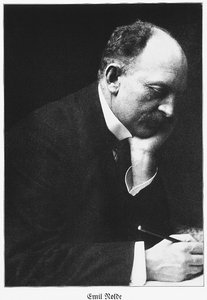
Emil Nolde
1867 - 1956 , Niemcy
Krótka nota
- Artistic Movement Or Style: Ekspresjonizm, Die Brücke
- Artists Or Movements Influenced By This Artist: ['Die Brücke']
- Artists Who Influenced This Artist:
- Van Gogh
- Gauguin
- Date Of Birth: 7 sierpnia 1867
- Date Of Death: 13 kwietnia 1956
- Full Name: Emil Nolde, Hans Emil Hansen
- Nationality: Niemiecko-duński
- Notable Artworks:
- Naśmiewanie z Chrystusa
- Ogród Kwiatowy
- Morze Jesienne
- Place Of Birth: Nolde, Niemcy
Powiązane artykuły
Emile Nolde: A Journey into Expressionist Nature & the Primal Self
Explore the powerful Expressionism of Emile Nolde – a pioneer of emotive landscapes & spiritual themes. Discover his journey, influences, and lasting impact on modern art. Hand-painted reproductions available at OriginalUniqueArt.
Max Ernst: 25 Arcydzieł Surrealizmu dla Kolekcjonerów i Miłośników Sztuki | OriginalUniqueArt
Odkryj 25 najbardziej fascynujących dzieł Maxa Ernsta – pioniera surrealizmu. Poznaj historię, techniki i inspiracje tego niemieckiego artysty. Reprodukcje obrazów najwyższej jakości na OriginalUniqueArt.com. Eksploruj pełną kolekcję online!
Surowa Emocja Ekspresjonizmu: Rewolucja w Sztuce XX Wieku
Poznaj rewolucyjny ruch w sztuce XX wieku – ekspresjonizm! Analiza kluczowych artystów, cech charakterystycznych i wpływu na modernizm. Ekspercka wiedza dla kolekcjonerów.
25 Najlepszych Obrazów Vincenta van Gogha – Galeria Sztuki Online | OriginalUniqueArt
Odkryj 25 najsłynniejszych obrazów Vincenta van Gogha! Poznaj historie, techniki i emocje kryjące się za 'Gwieździstą noc', 'Słonecznikami' i innymi arcydziełami. Reprodukcje najwyższej jakości na OriginalUniqueArt.com – inspiracje dla Twojego wnętrza.

Blossoms of Time: A Historical & Aesthetic Exploration of Floral Painting Across Cultures
Explore the rich history of floral painting! Discover symbolism, techniques & masterpieces from Van Huysum to O'Keeffe. Expert insights for art lovers & collectors at OriginalUniqueArt.