

 Zobacz w skali 1:1
 Wyślij
 Udostępnij
 Szczegóły

 Pobierz plik obrazu
 Podobne obiekty
 RTG
RTG Pokaz slajdów
 Statystyki
Dance around the Golden Calf
 Oil On Canvas
- WallArt
- Expressionism
 1910
1910- Modern
 68.0 x 101.0 cm
 Neue Pinakotheka
 Czytaj więcej
Giclée / Wydruk artystyczny
Wydruki giclée lub płótna o jakości muzealnej, szybka realizacja i szeroki wybór opcji wykończenia. ( Kup ręcznie malowany obraz Przełącz na wersję cyfrową)




P118B $10

P118H $10

P118W $10

P438Z $10

P508JH $12

P508YH $12

P805H $10

P805Z $10

P919BZ $10

P919G $10

P919XJ $10

P959ZH $10

P968JZ $12

W106C $8

W218G $10

W218JH $8

W218Y $10

W307PJ $10

W316G $10

W316PJ $8

W316Y $10

W398PJ $8

W4111J $10

W500HY $15

W500JH $15

W692G $12

W849H $8

W940BG $15

W953PJ $8




Wybierz spośród naszych standardowych rozmiarów, które zachowują oryginalne proporcje dzieła sztuki.

Możesz wprowadzić własne wymiary, aby dopasować dzieło do konkretnej ramy lub przestrzeni. Jeśli wybrany rozmiar nie będzie odpowiadał proporcjom oryginalnego obrazu, przytniecie dzieło lub rozszerzymy obraz za pomocą odbicia lustrzanego lub jednolitego wypełnienia krawędzi. Przed rozpoczęciem produkcji prześlemy cyfrową wizualizację do Twojej akceptacji.
Prosimy pamiętać, że podgląd na ekranie nie odzwierciedla faktycznego przycinania ani rozszerzania. Tylko wizualizacja dokładnie pokaże końcową kompozycję.
Mimo dostępności niestandardowych rozmiarów, zalecamy wybór wymiaru z listy zdefiniowanej, aby zachować oryginalne proporcje.
Dostawa na cały świat () w ciągu 2 tygodni zamiast standardowych 4/5 tygodni. (18 Wrzesień)

Bezpłatna ekspresowa wysyłka na cały świat

Wysokiej jakości płótno lniane

Pełne ubezpieczenie transportowe

Gwarancja zwrotu należności celnych i podatków importowych

Gwarancja idealnego odwzorowania barw

100-dniowy okres na zwrot dzieła w przypadku wykrycia wad produkcyjnych

Gwarancja 100% zwrotu pieniędzy

Oferta przy zakupie wielu sztuk
 Opcja ze szkłem jest dostępna wyłącznie w rozmiarach poniżej 110 cm

Dance around the Golden Calf
Giclée / Wydruk artystyczny
Rozmiar reprodukcji
-


Suma do zapłaty
$ 80
A Primal Rhythm: The Visceral Energy of Nolde’s Vision
In the heart of the Expressionist movement, few works pulse with as much raw, unbridled vitality as Emil Nolde’s 1910 masterpiece, Dance Around the Golden Calf. This monumental canvas is not merely a depiction of a ritual; it is an immersive experience that pulls the viewer into a swirling vortex of human emotion and movement. At first glance, the eye is captured by the striking, rhythmic arrangement of figures locked in a circular dance, their bodies intertwined in a celebration that feels both ancient and urgently modern. Nolde, a master of capturing the primal essence of life, utilizes a palette dominated by deep, nocturnal blues that contrast sharply against earthy ochres and fiery reds, creating a visual tension that mirrors the spiritual fervor of the scene itself.
The technique employed here is nothing short of breathtaking. Eschewing the polished, restrained finishes of academic realism, Nolde embraced a thick impasto method, applying oil paint with an energetic, almost aggressive brushstroke. This tactile quality gives the surface of the painting a sculptural dimension, where the texture of the paint itself mimics the muscularity and kinetic energy of the dancers. For the discerning collector or interior designer, this piece offers a profound sense of depth and physical presence; it is an artwork that demands attention, transforming any space with its textured complexity and the palpable movement of its subjects.
Symbolism and the Sacred Dance
While the subject matter draws directly from the biblical narrative of Exodus—the moment when the Israelites, fearing the absence of Moses, fashioned a golden calf to worship—Nolde’s interpretation transcends simple theological commentary. Rather than focusing on the sin of idolatry or divine judgment, the artist pivots toward a celebration of communal ritual and the inherent human desire for connection. The nude figures, rendered with an uncompromising honesty, embody a state of vulnerability and openness. Their dance is a manifestation of the collective spirit, a rhythmic attempt to touch something larger than the individual self.
This duality between the sacred and the profane provides the painting with its enduring emotional resonance. There is a haunting beauty in the way the blue background recedes into an infinite, mysterious void, pushing the brightly lit figures toward the viewer. The golden calf, though a symbol of deviation from divine law, becomes a focal point for shared joy and primal instinct. For those seeking to decorate a space with art that provokes thought and conversation, this work serves as a powerful meditation on the cycles of human nature, tradition, and the eternal search for belonging.
An Essential Addition to the Sophisticated Collection
For the art lover or the curator of fine interiors, a high-quality reproduction of Dance Around the Golden Calf offers more than just aesthetic appeal; it provides a window into the soul of German Expressionism. The painting’s ability to balance intense, brooding tones with moments of luminous brilliance makes it an incredibly versatile piece for various design contexts. Whether placed in a contemporary gallery setting or as a bold centerpiece in a classically styled room, its dynamic composition and rich color story act as a catalyst for emotional engagement.
Owning a piece that captures such a profound intersection of history, myth, and technique allows one to surround themselves with the very essence of human creativity. Nolde’s ability to translate the invisible currents of emotion into visible, textured paint remains one of the great achievements of early 20th-century art, making this work an indispensable treasure for any collection dedicated to the power of the human spirit.
Biografia artysty
Early Life and Artistic Beginnings
Emil Nolde, a name synonymous with vibrant expressionism, was born Hans Emil Hansen on August 7th, 1867, in the small village of Nolde, nestled within the Schleswig-Holstein region of Germany. His origins were deeply rooted in rural life – his family’s livelihood intertwined with woodcarving and furniture craftsmanship, traditions that would subtly shape his artistic sensibilities. Despite initial reservations from his parents, who envisioned a more conventional path for their son, young Hans Emil possessed an unyielding passion for art, a burning desire to translate the world within him onto canvas. He began his artistic journey as a humble wood carver, honing his skills in shaping and manipulating natural materials – a foundation that would later inform his bold use of texture and form. It wasn’t until his late twenties that he truly dedicated himself to painting, embarking on a path of self-education fueled by an insatiable curiosity and a profound need to express the emotions swirling within him.Artistic Development and Influences
Nolde's artistic evolution was marked not by formal training but by a relentless pursuit of knowledge and experience. He embarked on extensive travels, immersing himself in diverse cultures and absorbing the artistic currents flowing through Europe at the turn of the century. Early influences were strikingly eclectic – he found inspiration in the raw emotion of Vincent van Gogh’s brushstrokes, the evocative landscapes of Paul Gauguin's Tahiti, and the powerful symbolism embedded within traditional folk art, particularly the expressive masks and carvings prevalent in rural communities. These encounters ignited a desire to break free from academic constraints and explore a more subjective, emotionally charged approach to painting. Initially experimenting with Realism and Impressionism, Nolde quickly recognized that these styles lacked the depth and intensity he sought to convey. He began to prioritize color, distortion, and the raw expression of inner feelings – laying the groundwork for his distinctive style.Die Brücke and Expressionist Breakthrough
In 1905, a pivotal moment arrived in Nolde’s artistic life: he co-founded Die Brücke (The Bridge), a groundbreaking group of German Expressionist artists. This collective, comprised of like-minded individuals, sought to dismantle the rigid conventions of the art establishment and forge a new path rooted in emotional honesty and radical experimentation. Die Brücke aimed to capture the anxieties and uncertainties of modern life through bold colors, distorted forms, and unsettling imagery. Nolde’s contribution to the group was significant; his intense use of color – often jarringly juxtaposed – and his willingness to distort reality pushed the boundaries of representation, challenging viewers to confront their own perceptions. However, despite his vital role within Die Brücke, Nolde maintained a degree of independence, frequently diverging in subject matter and stylistic approach, reflecting his unique artistic vision.Key Themes and Artistic Style
Nolde’s oeuvre is characterized by recurring motifs that reveal the depth of his emotional landscape: religious scenes brimming with drama and symbolism, evocative landscapes capturing the raw beauty of nature, turbulent seascapes mirroring inner turmoil, and poignant portraits revealing glimpses into human psychology. A particularly compelling element of his work is his fascination with masks – both as physical objects imbued with ritual significance and as symbolic representations of primal emotions and hidden identities. His artistic style is instantly recognizable: a vibrant palette dominated by intense reds, blues, and yellows; distorted forms that prioritize emotional impact over realistic depiction; and an impasto technique—a thick application of paint creating a tactile surface brimming with energy. Nolde’s paintings are not merely representations of the world but rather visceral expressions of his inner experience.Notable Works and Historical Significance
Throughout his prolific career, Nolde created a vast body of work that continues to captivate audiences today. Some of his most celebrated paintings include Masks (1906-1907), a series exploring the power of primitive art; The Mocking of Christ (1909), a profoundly moving depiction of religious suffering; and Autumn Sea (1908), a breathtaking landscape capturing the drama of a stormy coastline. His *Dance around the Golden Calf* (1909) is another powerful example of his ability to convey intense emotion through distorted forms and vibrant color. Despite facing criticism and censorship during the rise of the Nazi regime – his work was deemed “degenerate” and removed from museums – Nolde remained steadfast in his artistic convictions, producing a remarkable body of watercolor paintings during this period, hidden away in secret. His legacy as one of Germany’s most important Expressionist painters endures, inspiring artists with his bold experimentation, emotional intensity, and unwavering commitment to authentic self-expression.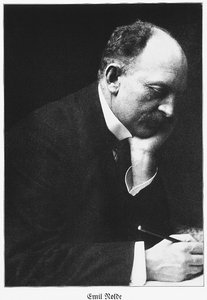
Emil Nolde
1867 - 1956 , Niemcy
Najważniejsze informacje
- Artistic Movement Or Style: Ekspresjonizm, Die Brücke
- Artists Or Movements Influenced By This Artist: ['Die Brücke']
- Artists Who Influenced This Artist:
- Van Gogh
- Gauguin
- Date Of Birth: 7 sierpnia 1867
- Date Of Death: 13 kwietnia 1956
- Full Name: Emil Nolde, Hans Emil Hansen
- Nationality: Niemiecko-duński
- Notable Artworks:
- Naśmiewanie z Chrystusa
- Ogród Kwiatowy
- Morze Jesienne
- Place Of Birth: Nolde, Niemcy
Zobacz także powiązane artykuły

Olej na płótnie: Historia, techniki i ponadczasowy urok malarskiego medium
Poznaj historię i techniki malarstwa olejowego! Od renesansowych mistrzów po współczesne zastosowania – wszystko o oleju na płótnie. Poradniki, konserwacja i inspiracje dla pasjonatów sztuki.
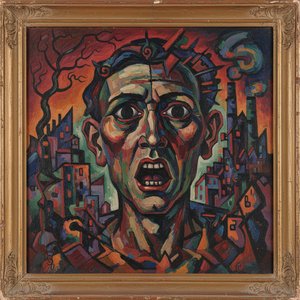
Surowa Emocja Ekspresjonizmu: Rewolucja w Sztuce XX Wieku
Poznaj rewolucyjny ruch w sztuce XX wieku – ekspresjonizm! Analiza kluczowych artystów, cech charakterystycznych i wpływu na modernizm. Ekspercka wiedza dla kolekcjonerów.

Trwała Spuścizna Malarstwa Olejnego: Technika, Historia i Estetyczny Wpływ
Poznaj historię i technikę malarstwa olejnego! Eksperckie artykuły o konserwacji, renowacji oraz współczesnych zastosowaniach. Dowiedz się więcej o mistrzach i trwałości obrazów olejnych.
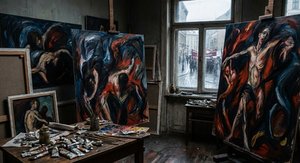
Wizceralny język emocji: Ekspresjonizm i rewolucja w sztuce XX wieku
Poznaj fascynujący świat ekspresjonizmu! Analiza kluczowych dzieł, wpływ na sztukę XX wieku i sylwetki najważniejszych artystów. Odkryj emocje ukryte w deformacji i kolorze.
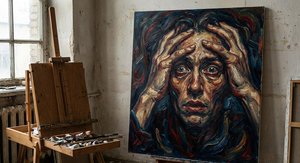
Ekspresjonizm Figuracyjny: Emocjonalna Intensywność i Subiektywna Rzeczywistość w Sztuce XX Wieku
Odkryj głębię ekspresjonizmu figuracyjnego! Analiza dzieł Van Gogha, Muncha i innych mistrzów. Historia, symbolika i wpływ na współczesną sztukę. Ekskluzywne reprodukcje w OriginalUniqueArt.

