
 Zobacz w skali 1:1
 Wyślij
 Udostępnij
 Szczegóły
 Przewodnik

 Pobierz plik obrazu
 Podobne obiekty
 RTG
RTG Pokaz slajdów
 Statystyki
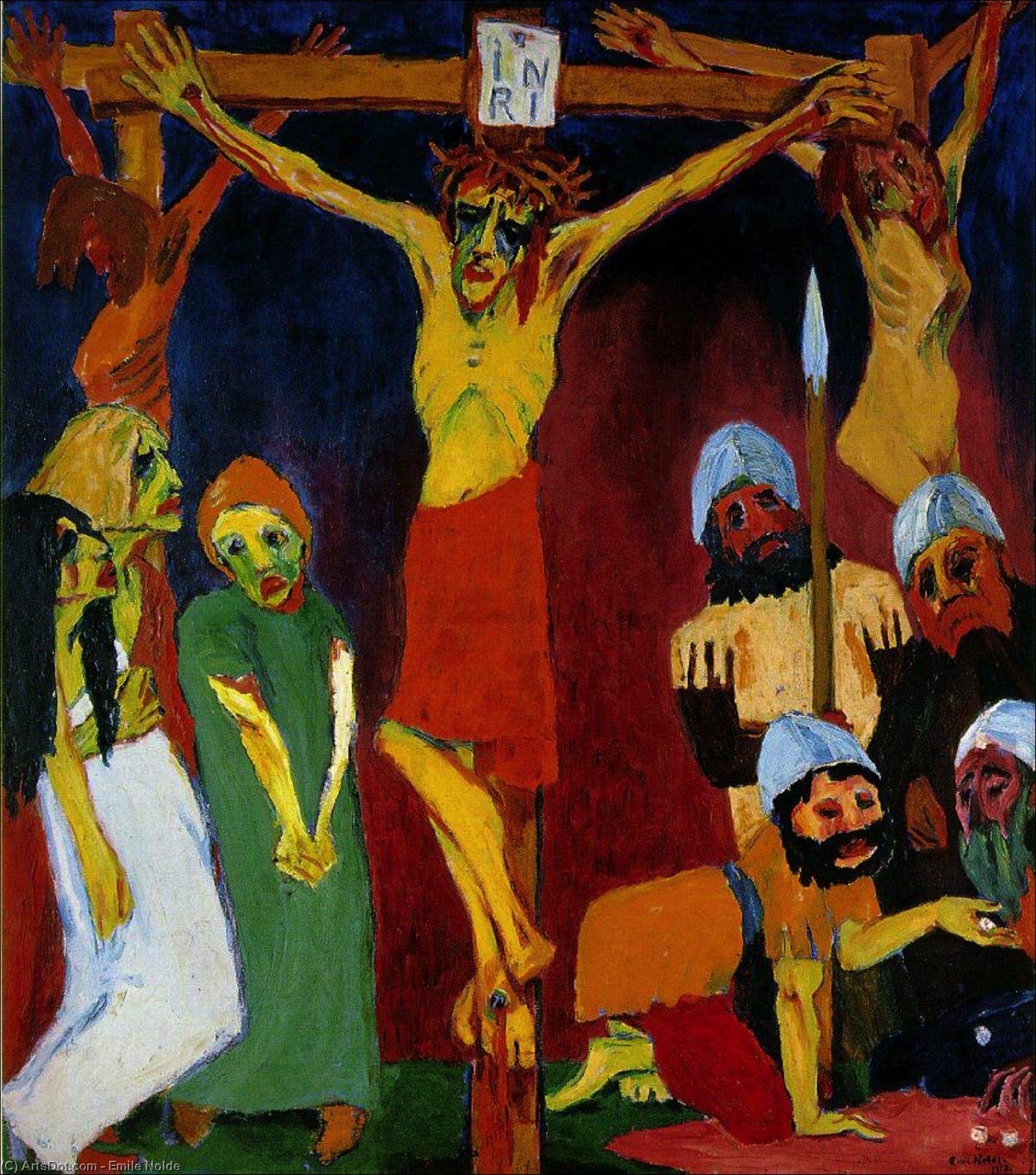
Crucifixion,
 Acrylic On Canvas
- WallArt
- Expressionist Symbolism
 1912
1912- 19th Century
 221.0 x 194.0 cm
 Czytaj więcej
Ręcznie malowana reprodukcja olejowa
Ręcznie malowany obraz olejny na płótnie, wykonany na zamówienie przez naszych artystów w wybranym przez Ciebie wymiarze i oprawie. ( Przełącz na wersję drukowaną Przełącz na wersję cyfrową)




P118B zł10

P118H zł10

P118W zł10

P438Z zł10

P508JH zł12

P508YH zł12

P805H zł10

P805Z zł10

P919BZ zł10

P919G zł10

P919XJ zł10

P959ZH zł10

P968JZ zł12

W106C zł8

W218G zł10

W218JH zł8

W218Y zł10

W307PJ zł10

W316G zł10

W316PJ zł8

W316Y zł10

W398PJ zł8

W4111J zł10

W500HY zł15

W500JH zł15

W692G zł12

W849H zł8

W940BG zł15

W953PJ zł8




Wybierz spośród naszych standardowych rozmiarów, które zachowują oryginalne proporcje dzieła sztuki.

Type the width and the height you need, to fit your frame or your wall. This is hand-painted, so for a size with a different shape the artist can paint a bit more around the picture, or cut a bit — you choose. We send you a digital mockup to approve before the painting starts. The picture shown on this page does not show the real result — only the mockup does.
Po złożeniu zamówienia zespół OriginalUniqueArt.com skontaktuje się z klientem drogą mailową w celu uzyskania instrukcji i prześle wizualizację projektu
Dostawa na całym świecie () w ciągu 3–4 tygodni zamiast standardowych 5 tygodni. (14 Październik). Bez kompromisów w kwestii jakości.

Bezpłatna ekspresowa wysyłka na cały świat

Wysokiej jakości płótno lniane

Pełne ubezpieczenie transportowe

Gwarancja zwrotu należności celnych i podatków importowych

Gwarancja idealnego odwzorowania barw

100-dniowy okres na zwrot dzieła w przypadku wykrycia wad produkcyjnych

Gwarancja 100% zwrotu pieniędzy

Oferta przy zakupie wielu sztuk
 Opcja ze szkłem jest dostępna wyłącznie w rozmiarach poniżej 110 cm

Crucifixion,
Technika wykonania
Rozmiar reprodukcji
-


Suma do zapłaty
zł 1129
A Profound Meditation on Suffering: Emil Nolde's Crucifixion (1912)
Emil Nolde’s Crucifixion, painted in 1912, is not merely a depiction of a biblical event; it’s a visceral exploration of human suffering and faith rendered with an arresting intensity. Measuring 221 x 194 cm, this canvas immediately commands attention with its dramatic composition and the artist's signature use of bold, expressive color. Nolde, deeply influenced by the works of Van Gogh and Gauguin, alongside a fascination with primitive art forms – particularly the raw emotion conveyed through masks and carvings – sought to bypass representational accuracy in favor of conveying profound spiritual truths. The painting’s power resides not just in its subject matter but in the artist's ability to translate complex emotions onto the canvas with remarkable directness.
Subject Matter and Composition
The scene is unequivocally the crucifixion of Christ, a cornerstone event in Christian theology. Nolde meticulously portrays Jesus on the cross, his body contorted in agony, arms outstretched in a gesture both vulnerable and defiant. The surrounding figures – a solitary figure to the left and another to the right, along with a throng gathered around the base of the cross – are not simply observers; they are participants in this monumental drama. Their postures, expressions, and spatial arrangement contribute to the painting’s dynamic tension, reflecting the emotional weight of the moment. Notably, the inclusion of a knife adds an element of unsettling ambiguity, perhaps symbolizing betrayal or the inherent violence within human nature.
Technique and Color – A Language of Emotion
- Impasto Technique: Nolde employs a thick impasto technique, layering paint with considerable texture. This creates a palpable sense of physicality, emphasizing the roughness of the wood, the vulnerability of Christ’s body, and the raw emotion conveyed through the figures' expressions.
- Bold Color Palette: The artist utilizes a vibrant, almost jarring color palette – deep reds, blues, and yellows – to heighten the emotional impact. These colors are not used realistically but rather expressively, amplifying the sense of suffering and spiritual intensity.
- Simplified Forms: Nolde simplifies forms, reducing figures to their essential shapes, further intensifying the painting’s symbolic power. This stylistic choice aligns with his broader interest in exploring primal emotions and spiritual truths through a non-naturalistic lens.
Symbolism and Historical Context
Painted during a period of significant artistic experimentation and religious questioning, Crucifixion reflects the anxieties and spiritual searches of early 20th-century Europe. The painting’s raw emotionality speaks to a desire for authentic experience beyond traditional religious dogma. The scene itself is laden with symbolism – Christ's sacrifice representing redemption, faith, and hope amidst despair. Nolde’s deliberate rejection of academic conventions aligns him with the Expressionist movement, which sought to convey subjective emotions rather than objective reality. The painting was created in 1912, a year marked by social unrest and political upheaval, suggesting a deeper engagement with themes of human suffering and injustice.
Emotional Impact and Artistic Legacy
Crucifixion remains a profoundly moving work of art. Its power lies in its ability to evoke empathy and contemplation, prompting viewers to confront the fundamental questions of faith, suffering, and redemption. Nolde’s masterful use of color, texture, and composition creates an unforgettable image that continues to resonate with audiences today. This hand-painted reproduction offers a unique opportunity to experience the full force of Nolde's artistic vision – a testament to his enduring legacy as one of Germany’s most important Expressionist painters.
Pytania i odpowiedzi
Jaki jest dominujący odcień dzieła „Crucifixion,” autorstwa Emil Nolde?
Przez „Crucifixion,” autorstwa Emil Nolde przewija się Golden Yellow Range odcień.
Jakie umiejscowienie najlepiej pasuje do formatu dzieła „Crucifixion,” autorstwa Emil Nolde?
Format (Portrait) oraz rekomendowana przestrzeń (Living Room) to dwa parametry dotyczące rozmieszczenia dzieła „Crucifixion,” autorstwa Emil Nolde.
Czy kolory dzieła „Crucifixion,” autorstwa Emil Nolde są żywe czy stonowane?
Dzieło „Crucifixion,” autorstwa Emil Nolde zostało utrwalone z nasyceniem na poziomie Clear Color Presence oraz intensywnością Balanced.
Biografia artysty
Early Life and Artistic Beginnings
Emil Nolde, a name synonymous with vibrant expressionism, was born Hans Emil Hansen on August 7th, 1867, in the small village of Nolde, nestled within the Schleswig-Holstein region of Germany. His origins were deeply rooted in rural life – his family’s livelihood intertwined with woodcarving and furniture craftsmanship, traditions that would subtly shape his artistic sensibilities. Despite initial reservations from his parents, who envisioned a more conventional path for their son, young Hans Emil possessed an unyielding passion for art, a burning desire to translate the world within him onto canvas. He began his artistic journey as a humble wood carver, honing his skills in shaping and manipulating natural materials – a foundation that would later inform his bold use of texture and form. It wasn’t until his late twenties that he truly dedicated himself to painting, embarking on a path of self-education fueled by an insatiable curiosity and a profound need to express the emotions swirling within him.Artistic Development and Influences
Nolde's artistic evolution was marked not by formal training but by a relentless pursuit of knowledge and experience. He embarked on extensive travels, immersing himself in diverse cultures and absorbing the artistic currents flowing through Europe at the turn of the century. Early influences were strikingly eclectic – he found inspiration in the raw emotion of Vincent van Gogh’s brushstrokes, the evocative landscapes of Paul Gauguin's Tahiti, and the powerful symbolism embedded within traditional folk art, particularly the expressive masks and carvings prevalent in rural communities. These encounters ignited a desire to break free from academic constraints and explore a more subjective, emotionally charged approach to painting. Initially experimenting with Realism and Impressionism, Nolde quickly recognized that these styles lacked the depth and intensity he sought to convey. He began to prioritize color, distortion, and the raw expression of inner feelings – laying the groundwork for his distinctive style.Die Brücke and Expressionist Breakthrough
In 1905, a pivotal moment arrived in Nolde’s artistic life: he co-founded Die Brücke (The Bridge), a groundbreaking group of German Expressionist artists. This collective, comprised of like-minded individuals, sought to dismantle the rigid conventions of the art establishment and forge a new path rooted in emotional honesty and radical experimentation. Die Brücke aimed to capture the anxieties and uncertainties of modern life through bold colors, distorted forms, and unsettling imagery. Nolde’s contribution to the group was significant; his intense use of color – often jarringly juxtaposed – and his willingness to distort reality pushed the boundaries of representation, challenging viewers to confront their own perceptions. However, despite his vital role within Die Brücke, Nolde maintained a degree of independence, frequently diverging in subject matter and stylistic approach, reflecting his unique artistic vision.Key Themes and Artistic Style
Nolde’s oeuvre is characterized by recurring motifs that reveal the depth of his emotional landscape: religious scenes brimming with drama and symbolism, evocative landscapes capturing the raw beauty of nature, turbulent seascapes mirroring inner turmoil, and poignant portraits revealing glimpses into human psychology. A particularly compelling element of his work is his fascination with masks – both as physical objects imbued with ritual significance and as symbolic representations of primal emotions and hidden identities. His artistic style is instantly recognizable: a vibrant palette dominated by intense reds, blues, and yellows; distorted forms that prioritize emotional impact over realistic depiction; and an impasto technique—a thick application of paint creating a tactile surface brimming with energy. Nolde’s paintings are not merely representations of the world but rather visceral expressions of his inner experience.Notable Works and Historical Significance
Throughout his prolific career, Nolde created a vast body of work that continues to captivate audiences today. Some of his most celebrated paintings include Masks (1906-1907), a series exploring the power of primitive art; The Mocking of Christ (1909), a profoundly moving depiction of religious suffering; and Autumn Sea (1908), a breathtaking landscape capturing the drama of a stormy coastline. His *Dance around the Golden Calf* (1909) is another powerful example of his ability to convey intense emotion through distorted forms and vibrant color. Despite facing criticism and censorship during the rise of the Nazi regime – his work was deemed “degenerate” and removed from museums – Nolde remained steadfast in his artistic convictions, producing a remarkable body of watercolor paintings during this period, hidden away in secret. His legacy as one of Germany’s most important Expressionist painters endures, inspiring artists with his bold experimentation, emotional intensity, and unwavering commitment to authentic self-expression.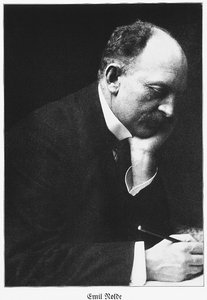
Emil Nolde
1867 - 1956 , Niemcy
Najważniejsze informacje
- Artistic Movement Or Style: Ekspresjonizm, Die Brücke
- Artists Or Movements Influenced By This Artist: ['Die Brücke']
- Artists Who Influenced This Artist:
- Van Gogh
- Gauguin
- Date Of Birth: 7 sierpnia 1867
- Date Of Death: 13 kwietnia 1956
- Full Name: Emil Nolde, Hans Emil Hansen
- Nationality: Niemiecko-duński
- Notable Artworks:
- Naśmiewanie z Chrystusa
- Ogród Kwiatowy
- Morze Jesienne
- Place Of Birth: Nolde, Niemcy
Zobacz także powiązane artykuły

10 Arcydzieł Ekspresjonizmu Niemieckiego, Które Zdefiniowały Epokę | OriginalUniqueArt
Poznaj 10 arcydzieł ekspresjonizmu niemieckiego – od Kirchnera po Muncha. Odkryj historię, emocje i techniki tych ikonicznych dzieł sztuki. Reprodukcje najwyższej jakości na OriginalUniqueArt.com. Eksploruj kolekcję online!

Odbitki Giclée: Jakość Archiwalna i Estetyczne Niuanse dla Wymagającego Kolekcjonera
Poznaj sekrety druku giclée – technologii zapewniającej najwyższą jakość reprodukcji sztuki i trwałość archiwalaną. Poradnik dla wymagających kolekcjonerów o wyborze papieru, tuszy i profilach kolorystycznych.

The Enduring Legacy of Fine Art Prints: Technique, History & Aesthetic Impact
Explore the rich history & techniques of fine art prints. Discover investment potential, assess authenticity, and learn how to preserve your collection with expert guidance. Trusted insights for discerning collectors.

Echoes of Time: Exploring the Enduring Appeal & Historical Context of Vintage Art Prints
Explore the captivating world of vintage art prints! Discover their history, collecting tips & enduring appeal. Expert insights on chromolithography and building a legacy collection with OriginalUniqueArt.

Odważne Wizje: 10 Arcydzieł Pełnych Mocy i Ekspresji | OriginalUniqueArt
Odkryj 10 odważnych arcydzieł sztuki, które definiują moc i ekspresję! Poznaj historie Van Gogha, Picassa i Muncha. Reprodukcje obrazów najwyższej jakości na OriginalUniqueArt.com – inspiracje do wnętrz i galeria online.

