

 Zobacz w skali 1:1
 Wyślij
 Udostępnij
 Szczegóły
 Przewodnik

 Pobierz plik obrazu
 Podobne obiekty
 RTG
RTG Pokaz slajdów
 Statystyki
Autumn Sea


 Czytaj więcej
Ręcznie malowana reprodukcja olejowa
Ręcznie malowany obraz olejny na płótnie, wykonany na zamówienie przez naszych artystów w wybranym przez Ciebie wymiarze i oprawie. ( Przełącz na wersję drukowaną Przełącz na wersję cyfrową)




P118B zł10

P118H zł10

P118W zł10

P438Z zł10

P508JH zł12

P508YH zł12

P805H zł10

P805Z zł10

P919BZ zł10

P919G zł10

P919XJ zł10

P959ZH zł10

P968JZ zł12

W106C zł8

W218G zł10

W218JH zł8

W218Y zł10

W307PJ zł10

W316G zł10

W316PJ zł8

W316Y zł10

W398PJ zł8

W4111J zł10

W500HY zł15

W500JH zł15

W692G zł12

W849H zł8

W940BG zł15

W953PJ zł8




Wybierz spośród naszych standardowych rozmiarów, które zachowują oryginalne proporcje dzieła sztuki.

Wpisz wymaganą szerokość i wysokość, aby obraz pasował do Twojej ramy lub ściany. Ponieważ jest to dzieło malowane ręcznie, w przypadku rozmiaru o innym proporcji artysta może domalować nieco więcej wokół obrazu lub przyciąć fragmenty — wybór należy do Ciebie. Przed rozpoczęciem pracy prześlemy Ci cyfrową wizualizację do zatwierdzenia. Obraz widoczny na tej stronie nie przedstawia rzeczywistego efektu — jedynie wizualizacja oddaje realny rezultat.
Po złożeniu zamówienia zespół OriginalUniqueArt.com skontaktuje się z klientem drogą mailową w celu uzyskania instrukcji i prześle wizualizację projektu
Dostawa na całym świecie () w ciągu 3–4 tygodni zamiast standardowych 5 tygodni. (25 Październik). Bez kompromisów w kwestii jakości.

Bezpłatna ekspresowa wysyłka na cały świat

Wysokiej jakości płótno lniane

Pełne ubezpieczenie transportowe

Gwarancja zwrotu należności celnych i podatków importowych

Gwarancja idealnego odwzorowania barw

100-dniowy okres na zwrot dzieła w przypadku wykrycia wad produkcyjnych

Gwarancja 100% zwrotu pieniędzy

Oferta przy zakupie wielu sztuk
 Opcja ze szkłem jest dostępna wyłącznie w rozmiarach poniżej 110 cm

Autumn Sea
Technika wykonania
Rozmiar reprodukcji
-


Suma do zapłaty
zł 1151
Emile Nolde's "Autumn Sea": A Symphony of Turbulent Emotion
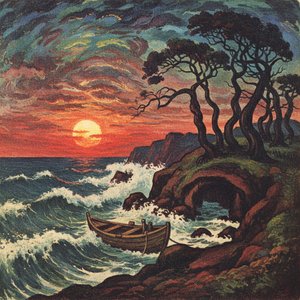
Emile Nolde’s “Autumn Sea” is not merely a depiction of a seascape; it’s an immersion into the raw, untamed heart of nature itself. Painted during his most intensely expressive period, this work exemplifies Nolde’s mastery within the Expressionist movement, showcasing a profound ability to translate subjective experience directly onto canvas. The painting immediately commands attention with its dramatic palette – a swirling vortex of deep reds, magenta, and pink dominating the foreground waves, juxtaposed against an explosive sky ablaze with yellows, oranges, and hints of blue. This isn’t a tranquil sunset; it's a tempestuous encounter between light and water, a visual representation of powerful emotion rendered in thick, impasto strokes.
Technique and Materiality: A Tactile Expression
- Impasto Brushwork: Nolde’s technique is immediately recognizable through his generous application of paint. Thick layers, built up with both brush and palette knife, create a profoundly textured surface – almost sculptural in its intensity. This impasto isn't simply about adding visual interest; it actively contributes to the painting’s emotional impact, mimicking the turbulence of the sea and conveying a sense of unrestrained energy.
- Color as Emotion: The artist’s use of color is paramount. He eschews naturalistic representation in favor of colors that directly evoke feeling – the fiery reds representing passion or conflict, the yellows symbolizing heat and chaos, and the blues hinting at an underlying melancholy.
- Loose Composition: Noticeably absent are precise lines or carefully constructed perspective. Instead, Nolde employs a loose, expressive style prioritizing emotional impact over realistic representation.
Historical Context and Influences: Echoes of Van Gogh and Gauguin
Nolde’s work emerged from the fertile ground of early 20th-century Expressionism, a movement born out of a desire to move beyond objective representation and delve into the inner lives of individuals. His artistic journey was profoundly shaped by his encounters with Post-Impressionist masters like Vincent van Gogh and Paul Gauguin. Like Van Gogh, Nolde embraced bold color and expressive brushwork; similarly, Gauguin’s interest in primitive art – particularly masks and carvings – fueled Nolde's exploration of symbolic imagery and raw emotion. The influence of traditional folk art is palpable, adding a layer of primal intensity to the scene.
Symbolism and Interpretation: A Storm Within
"Autumn Sea" transcends a simple depiction of a seascape; it’s laden with symbolic potential. The turbulent waves could represent inner turmoil, the overwhelming forces of nature, or even passionate conflict. The intense colors themselves – red, orange, yellow – are often associated with heightened emotions. The distant boat, rendered almost as a ghostly silhouette, adds to the sense of isolation and vulnerability within this dramatic landscape. The painting’s subject matter is purely atmospheric, focusing on capturing the *essence* of a stormy sea rather than any specific location or event. It invites contemplation about humanity's place in the face of nature's power.
Emotional Impact: A Masterpiece of Raw Intensity
Ultimately, “Autumn Sea” is a profoundly moving work. Its raw energy and emotional intensity resonate with viewers on a visceral level. Nolde’s ability to translate subjective experience into a tangible visual form is remarkable. This painting isn't just something to look at; it’s an experience – a journey into the heart of human emotion, captured in a symphony of color and texture. It remains a cornerstone of Expressionist art, demonstrating the movement's commitment to capturing not what we see, but how we *feel*.
Pytania i odpowiedzi
Jaki nastrój oddaje „Autumn Sea” autorstwa Emil Nolde w ramach nurtu Expressionism?
W ramach nurtu Expressionism, dzieło „Autumn Sea” zostało utrwalone w Passionate tonie.
Jaką intensywność kolorów ma „Autumn Sea” autorstwa Emil Nolde?
Kolory w „Autumn Sea” autorstwa Emil Nolde mają Vivid intensywność.
Jaka paleta barw została wykorzystana w „Autumn Sea” autorstwa Emil Nolde?
Paleta dzieła „Autumn Sea” autorstwa Emil Nolde jest opisywana jako Dark. Stanowi ona zwięzłe zestawienie barw użytych w pracy.
Biografia artysty
Early Life and Artistic Beginnings
Emil Nolde, a name synonymous with vibrant expressionism, was born Hans Emil Hansen on August 7th, 1867, in the small village of Nolde, nestled within the Schleswig-Holstein region of Germany. His origins were deeply rooted in rural life – his family’s livelihood intertwined with woodcarving and furniture craftsmanship, traditions that would subtly shape his artistic sensibilities. Despite initial reservations from his parents, who envisioned a more conventional path for their son, young Hans Emil possessed an unyielding passion for art, a burning desire to translate the world within him onto canvas. He began his artistic journey as a humble wood carver, honing his skills in shaping and manipulating natural materials – a foundation that would later inform his bold use of texture and form. It wasn’t until his late twenties that he truly dedicated himself to painting, embarking on a path of self-education fueled by an insatiable curiosity and a profound need to express the emotions swirling within him.Artistic Development and Influences
Nolde's artistic evolution was marked not by formal training but by a relentless pursuit of knowledge and experience. He embarked on extensive travels, immersing himself in diverse cultures and absorbing the artistic currents flowing through Europe at the turn of the century. Early influences were strikingly eclectic – he found inspiration in the raw emotion of Vincent van Gogh’s brushstrokes, the evocative landscapes of Paul Gauguin's Tahiti, and the powerful symbolism embedded within traditional folk art, particularly the expressive masks and carvings prevalent in rural communities. These encounters ignited a desire to break free from academic constraints and explore a more subjective, emotionally charged approach to painting. Initially experimenting with Realism and Impressionism, Nolde quickly recognized that these styles lacked the depth and intensity he sought to convey. He began to prioritize color, distortion, and the raw expression of inner feelings – laying the groundwork for his distinctive style.Die Brücke and Expressionist Breakthrough
In 1905, a pivotal moment arrived in Nolde’s artistic life: he co-founded Die Brücke (The Bridge), a groundbreaking group of German Expressionist artists. This collective, comprised of like-minded individuals, sought to dismantle the rigid conventions of the art establishment and forge a new path rooted in emotional honesty and radical experimentation. Die Brücke aimed to capture the anxieties and uncertainties of modern life through bold colors, distorted forms, and unsettling imagery. Nolde’s contribution to the group was significant; his intense use of color – often jarringly juxtaposed – and his willingness to distort reality pushed the boundaries of representation, challenging viewers to confront their own perceptions. However, despite his vital role within Die Brücke, Nolde maintained a degree of independence, frequently diverging in subject matter and stylistic approach, reflecting his unique artistic vision.Key Themes and Artistic Style
Nolde’s oeuvre is characterized by recurring motifs that reveal the depth of his emotional landscape: religious scenes brimming with drama and symbolism, evocative landscapes capturing the raw beauty of nature, turbulent seascapes mirroring inner turmoil, and poignant portraits revealing glimpses into human psychology. A particularly compelling element of his work is his fascination with masks – both as physical objects imbued with ritual significance and as symbolic representations of primal emotions and hidden identities. His artistic style is instantly recognizable: a vibrant palette dominated by intense reds, blues, and yellows; distorted forms that prioritize emotional impact over realistic depiction; and an impasto technique—a thick application of paint creating a tactile surface brimming with energy. Nolde’s paintings are not merely representations of the world but rather visceral expressions of his inner experience.Notable Works and Historical Significance
Throughout his prolific career, Nolde created a vast body of work that continues to captivate audiences today. Some of his most celebrated paintings include Masks (1906-1907), a series exploring the power of primitive art; The Mocking of Christ (1909), a profoundly moving depiction of religious suffering; and Autumn Sea (1908), a breathtaking landscape capturing the drama of a stormy coastline. His *Dance around the Golden Calf* (1909) is another powerful example of his ability to convey intense emotion through distorted forms and vibrant color. Despite facing criticism and censorship during the rise of the Nazi regime – his work was deemed “degenerate” and removed from museums – Nolde remained steadfast in his artistic convictions, producing a remarkable body of watercolor paintings during this period, hidden away in secret. His legacy as one of Germany’s most important Expressionist painters endures, inspiring artists with his bold experimentation, emotional intensity, and unwavering commitment to authentic self-expression.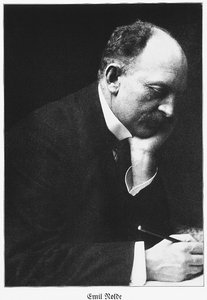
Emil Nolde
1867 - 1956 , Niemcy
Najważniejsze informacje
- Artistic Movement Or Style: Ekspresjonizm, Die Brücke
- Artists Or Movements Influenced By This Artist: ['Die Brücke']
- Artists Who Influenced This Artist:
- Van Gogh
- Gauguin
- Date Of Birth: 7 sierpnia 1867
- Date Of Death: 13 kwietnia 1956
- Full Name: Emil Nolde, Hans Emil Hansen
- Nationality: Niemiecko-duński
- Notable Artworks:
- Naśmiewanie z Chrystusa
- Ogród Kwiatowy
- Morze Jesienne
- Place Of Birth: Nolde, Niemcy
Zobacz także powiązane artykuły
The Allure of the Horizon: A Comprehensive Exploration of Seascape Art Through History & Emotion
Explore the captivating world of seascape art! Discover its history, key artists & movements – from Dutch Masters to Impressionism. Expert insights for collectors and enthusiasts at OriginalUniqueArt.
Ekspresjonizm w Obrazach: 10 Arcydzieł, Które Zdefiniowały Ruch | OriginalUniqueArt
Poznaj 10 arcydzieł ekspresjonizmu! Odkryj historie Muncha, van Gogha i Kirchnera. Inspiracje wnętrzarskie z obrazami pełnymi emocji i koloru. Reprodukcje najwyższej jakości na OriginalUniqueArt.com – sztuka dla Twojego domu.
Unleashing Emotion: A Definitive Guide to the Power and Legacy of Expressionist Painting
Explore the profound emotional depth of Expressionist painting. From the bold colors of Emil Nolde to the distorted forms of Kirchner, discover how this movement redefined art through raw feeling and visceral texture in our expert guide to art history.

Golden Hues & Crimson Leaves: Capturing the Magic of Autumn Colors in Fine Art
Embark on a visual journey through the golden hues of autumn fine art. Discover how masters like Van Gogh capture seasonal magic through vibrant oil landscapes and explore expert tips for collecting timeless autumnal masterpieces.
Emile Nolde: A Journey into Expressionist Nature & the Primal Self
Explore the powerful Expressionism of Emile Nolde – a pioneer of emotive landscapes & spiritual themes. Discover his journey, influences, and lasting impact on modern art. Hand-painted reproductions available at OriginalUniqueArt.

