Rococo
Tea-time (Emile Eisman Semenovsky)
Emile Eisman Semenovsky (1859–1911) stworzył Tea-time. Należy do nurtu Rococo.

 Podgląd w skali 1:1

 Ręcznie malowany obraz olejny
 Wyślij jako kartkę
 Udostępnij
 Karta informacyjna


 Pobierz obraz
 Podobne obiekty
 RTG
 Pokaz slajdów
 Pytania i odpowiedzi

 Statystyki
Tea-time w skrócie
- Tytuł
- Tea-time
- Artysta
- Emile Eisman Semenovsky (1859–1911)
- Ruch
- Rococo
- Temat
- portrait, rococo, tea time, elegance, woman, luxury
Zdjęcia w wysokiej rozdzielczości dzieła Tea-time
Domena publiczna: artysta zmarł w 1911.
Emile Eisman Semenovsky, Tea-time. Domena publiczna
Odpowiedzi na pytania dotyczące Tea-time
Co przedstawia „Tea-time” – Emile Eisman Semenovsky?
Tematyka obecna w „Tea-time” – Emile Eisman Semenovsky obejmuje portrait, rococo, tea time, elegance, woman, luxury, soft colors, russian art. Razem stanowią one podsumowanie tematyki dzieła.
Czy dzieło "Tea-time" znajduje się w domenie publicznej?
Jeśli chodzi o prawa autorskie, "Tea-time" znajduje się w należy do domeny publicznej – autorskie prawa majątkowe wygasły.
Któremu artyście przypisuje się "Tea-time"?
Autorstwo dzieła "Tea-time" przypisuje się Emile Eisman Semenovsky.
Do jakiego nurtu należy "Tea-time"?
Nurt związany z „Tea-time” – Emile Eisman Semenovsky to Rococo. Ta klasyfikacja sytuuje dzieło wśród pokrewnych artystów i dzieł sztuki.
Do którego okresu twórczości Emile Eisman Semenovsky należy dzieło "Tea-time"?
"Tea-time" reprezentuje Mature Period twórczości Emile Eisman Semenovsky.
Z czego wynika obecny status praw autorskich dzieła "Tea-time"?
„Tea-time” – Emile Eisman Semenovsky jest należy do domeny publicznej – autorskie prawa majątkowe wygasły. Okres ochrony praw autorskich liczony jest od śmierci artysty, która nastąpiła w 1911.
W jaki sposób "Tea-time" wpisuje się w tematykę i styl twórczości Emile Eisman Semenovsky?
"Tea-time" dzieli z innymi dziełami Emile Eisman Semenovsky styl właściwy dla Rococo oraz powracające motywy: genre scenes of russian life, rococo elegance, romantic beauty, classical grace, aristocratic leisure, russian social scene.
Jakie miejsce zajmuje „Tea-time” wśród powracających motywów w twórczości Emile Eisman Semenovsky?
„Tea-time” przedstawia portrait, rococo, tea time, elegance, woman, luxury, soft colors, russian art, podczas gdy powracające motywy u Emile Eisman Semenovsky to genre scenes of russian life, rococo elegance, romantic beauty, classical grace, aristocratic leisure, russian social scene. Porównanie tych dwóch elementów ukazuje, jak dzieło nawiązuje do typowej dla tego artysty tematyki.
O artyście: Emile Eisman Semenovsky
1859–1911
Emile Eisman Semenovsky
The Ethereal Vision of Emile Eisman-Semenowsky Émile Eisman-Semenowsky remains a captivating figure in the late nineteenth-century Parisian art scene, an artist whose work serves as a bridge between the rigorous discipline of academic realism and the fleeting, luminous qualities of Impressionism. Born in Poland around 1857, his early life is shrouded in much of the mystery that often surrounds artists of great talent but sparse documentation. Likely of Jewish descent, he moved through the cultural landscapes of Eastern Europe before finding his creative home in France. This movement between worlds—from the traditions of his Polish roots to the avant-garde energy of Paris—imbued his work with a unique perspective, allowing him to capture a sense of "otherness" that would become his artistic hallmark.
O Emile Eisman Semenovsky Najważniejsze dzieła Emile Eisman Semenovsky
Inne prace Emile Eisman Semenovsky
 The Maiden of Spring1882
 Marguerite1882
 Gypsy Girl1886
 Leisure Moments1890
Eseje o Tea-time
 Rokokowy przepych: Bunt i rozkosz w sztuce XVIII wiekuPoznaj fascynujący świat rokoka – stylu pełnego wdzięku i przepychu! Odkryj historię, charakterystykę oraz wpływ tego nurtu na sztukę XVIII…
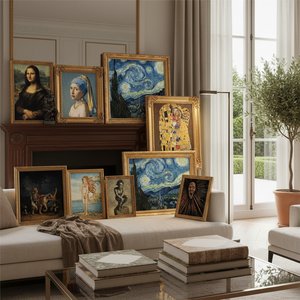 Klasyka w sztuce: 10 arcydzieł dla ponadczasowego wnętrza | OriginalUniqueArt.comOdkryj 10 klasycznych arcydzieł malarstwa, od Rembrandta po Van Gogha! Poznaj historie artystów i techniki tworzenia ponadczasowych obrazów…
 Fyodor Rokotov: Intimacy & Enlightenment in Russian PortraitureExplore the captivating portraits of Fyodor Rokotov, a master of 18th-century Russian art. Discover his unique psychological realism, Rococ…