Podgląd w skali 1:1
 Wyślij jako kartkę
 Udostępnij
 Szczegóły dzieła
 Przewodnik

 Pobierz obraz
 Podobne obiekty
 RTG
RTG Pokaz slajdów
 Q&A
Q&A Statystyki
The Circus Collection


 Rozwiń treść
Dzieło sztuki prezentowane na tej stronie podlega ochronie prawem autorskim, co oznacza, że nie mamy prawa do tworzenia ani sprzedaży jego identycznej reprodukcji. Ochrona ta jest egzekwowana na mocy umów międzynarodowych, takich jak Konwencja berneńska oraz przez przepisy prawa krajowego, w tym te określone w Prawo autorskie USA – Tytuł 17.
Metoda ta jest w pełni zgodna z przepisami prawa autorskiego, ponieważ nie polega na kopiowaniu ani powielaniu chronionego dzieła. Stanowi ona kreatywną reinterpretację – nowy obraz, który czerpie inspirację z oryginału, ale nie jest z nim tożsamy.
Giclée / Wydruk artystyczny
Wydruki giclée lub płótna o jakości muzealnej, szybka realizacja i szeroki wybór opcji wykończenia. ( Zamów ręcznie malowaną reprodukcję Przejdź do wersji cyfrowej)




P118B zł10

P118H zł10

P118W zł10

P438Z zł10

P508JH zł12

P508YH zł12

P805H zł10

P805Z zł10

P919BZ zł10

P919G zł10

P919XJ zł10

P959ZH zł10

P968JZ zł12

W106C zł8

W218G zł10

W218JH zł8

W218Y zł10

W307PJ zł10

W316G zł10

W316PJ zł8

W316Y zł10

W398PJ zł8

W4111J zł10

W500HY zł15

W500JH zł15

W692G zł12

W849H zł8

W940BG zł15

W953PJ zł8




Wybierz spośród naszych standardowych rozmiarów, które zachowują oryginalne proporcje dzieła sztuki.

Wpisz wymaganą szerokość i wysokość, aby dopasować grafikę do ramy lub ściany. Wydruk można jedynie przyciąć, nigdy nie powiększając go poza oryginalny obraz, dlatego format o innych proporcjach spowoduje utratę części kompozycji. Przed rozpoczęciem druku prześlemy Ci cyfrowy podgląd do zatwierdzenia. Obraz wyświetlany na tej stronie nie pokazuje rzeczywistego przycięcia — jedynie podgląd oddaje ten efekt.
Dostawa na cały świat () w ciągu 2 tygodni zamiast standardowych 4/5 tygodni. (2 Listopad)

Bezpłatna ekspresowa wysyłka na cały świat

Wysokiej jakości płótno lniane

Pełne ubezpieczenie przesyłki

Gwarancja zwrotu należności celnych i podatków importowych

Gwarancja wiernego odwzorowania kolorów

100-dniowa polityka zwrotów (tylko w przypadku wad)

Gwarancja 100% zwrotu pieniędzy

Zniżka przy zakupie wielu sztuk
 Opcja ze szkłem jest dostępna wyłącznie w rozmiarach poniżej 110 cm

The Circus Collection
Giclée / Wydruk artystyczny
Wymiary reprodukcji
-


Cena całkowita
zł 311
The Surrealist Echoes of “The Circus Collection”
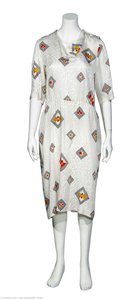
Elsa Schiaparelli’s “The Circus Collection,” debuting in Paris during the summer of 1938, stands as an emblem of her singular artistic vision—a defiant rejection of convention fused with a fascination for theatrical spectacle and unsettling beauty. More than just a fashion show; it was a meticulously crafted performance designed to shock and delight audiences accustomed to the polished elegance of established couture houses. Presented against the backdrop of escalating anxieties surrounding the impending Second World War, Schiaparelli’s collection served as an audacious assertion of artistic freedom—a bold declaration that creativity could transcend political pressures. The influence of Surrealism permeated every aspect of its conception, from the whimsical motifs adorning the garments to the deliberate manipulation of textures and forms. This collaboration between Schiaparelli and Salvador Dalí cemented her reputation as a pioneer of visual experimentation, propelling her into the forefront of European avant-garde culture.- Subject Matter: The collection’s central theme revolved around the circus—a realm of illusion, transformation, and primal instinct. Schiaparelli skillfully employed imagery associated with acrobats, elephants, tents, clowns, and performers to evoke a sense of dynamism and theatrical grandeur.
- Style: Surrealist aesthetics dominated the aesthetic sensibilities of “The Circus Collection.” The designs eschewed traditional silhouettes, favoring asymmetrical shapes and exaggerated proportions that challenged conventional notions of femininity. Schiaparelli’s penchant for trompe l'œil—optical illusions designed to deceive the eye—was particularly evident in the fabric prints and embellishments.
- Technique: The fabrics utilized in “The Circus Collection” were chosen with deliberate care, reflecting Schiaparelli’s commitment to textural contrast and innovative craftsmanship. Silk twill was employed as the primary material for the dresses and jackets, providing a sturdy foundation for intricate embroidery and appliqué techniques. Metallic thread—particularly gold—was extensively incorporated into the embellishments, lending an opulent sheen that amplified the collection's theatrical impact.
Symbolism: Horses, Transformation, and Illusion
The recurring motif of rearing horses—rendered in shades of blue embellished with metallic thread—served as a potent symbol within “The Circus Collection.” Horses traditionally represent strength, nobility, and untamed spirit—qualities Schiaparelli sought to embody through her designs. Furthermore, the horse’s upward gaze conveyed a sense of aspiration and transcendence—a visual allusion to Dalí's fascination with metamorphosis and transformation. The trompe l'œil fabric prints—featuring stylized depictions of acrobats and performers—reinforced this thematic preoccupation with illusion and deception. Schiaparelli deliberately manipulated perspective and scale to create optical illusions that blurred the boundaries between reality and fantasy, mirroring the Surrealist impulse to destabilize viewers’ perceptions.- Horses: Representing strength and nobility, the horses were embroidered in shades of blue embellished with metallic thread—a deliberate choice to convey aspiration and transcendence.
- Trompe l'œil Prints: Schiaparelli employed optical illusions to create a sense of disorientation and wonder—reflecting Surrealist principles of destabilizing viewers’ perceptions.
- Fabric Texture: The silk twill fabric was chosen for its textural contrast, enhancing the collection’s visual richness and amplifying its theatrical impact.
Emotional Impact: Shocking Beauty and Artistic Rebellion
“The Circus Collection” aimed to provoke an emotional response in viewers—challenging their expectations of haute couture and affirming Schiaparelli's unwavering conviction that art could transcend societal norms. The collection’s audacious color palette—dominated by vibrant hues like magenta and turquoise—contributed to its arresting visual appeal. More importantly, Schiaparelli’s designs communicated a palpable sense of rebellion against convention—a defiant assertion of artistic freedom in the face of prevailing cultural pressures. By embracing Surrealist aesthetics and employing innovative techniques, Schiaparelli created garments that captivated audiences with their unsettling beauty and intellectual provocation. The collection remains an enduring testament to Schiaparelli's pioneering spirit—a celebration of imagination and a rebuke to complacency.Concluding Remarks: A Legacy of Surrealist Innovation
Ultimately, “The Circus Collection” solidified Elsa Schiaparelli’s position as one of the foremost figures in 20th-century fashion—a visionary designer who irrevocably altered the landscape of haute couture. Her collaboration with Dalí—characterized by a shared commitment to visual experimentation and intellectual provocation—established her reputation as a champion of Surrealist ideals. As a result, Schiaparelli’s work continues to inspire artists and designers today—serving as an enduring reminder that true creativity resides in challenging established conventions and embracing the transformative power of imagination.Pytania i odpowiedzi
Gdzie mogę znaleźć przewodnik do "The Circus Collection"?
Przewodnik po "The Circus Collection" to strona Karta informacyjna dla uczniów dzieła sztuki – nadrukowalna karta informacyjna zawierająca opis utworu, informacje o autorstwie oraz tabelę danych (artysta, daty, technika, wymiary oryginału, kolekcja).
Jaka paleta barw została wykorzystana w „The Circus Collection” – Elsa Schiaparelli?
Paleta dzieła „The Circus Collection” – Elsa Schiaparelli jest opisywana jako Neutrals. Stanowi ona zwięzłe zestawienie barw użytych w pracy.
Co przedstawia "The Circus Collection"?
Tematyka dzieła "The Circus Collection" to fashion, surrealism, haute couture, elsa schiaparelli, dalí collaboration, jewelry, circus theme.
Biografia artysty
A Rebel Spirit in Haute Couture: The World of Elsa Schiaparelli
Elsa Luisa Maria Schiaparelli, a name that echoes through the annals of 20th-century fashion and art, was an undeniable force of innovation and rebellion. Born into a world of privilege in Rome in 1890 – her father, Celestino Schiaparelli, a distinguished scholar specializing in Islamic studies and Sanskrit, and her uncle, Giovanni Schiaparelli, the astronomer famed for his observations of Mars – she inherited not only a legacy of intellectual curiosity but also an innate sense of challenging convention. Unlike many women of her era who embraced traditional roles, Elsa possessed a fiercely independent spirit, fueled by a deep love for art, mythology, and a fascination with the unconventional—a cosmos reflected in her family’s scientific pursuits. Her early life was marked by a certain turbulence, including a marriage to Wilhelm de Kerlor, a self-proclaimed psychic whose influence introduced her to a world of spiritualism and occult practices – themes that subtly informed her later designs, adding layers of intrigue and mystery to her creations.From Knitwear to Surrealist Statements: The Rise of a Fashion House
Schiaparelli’s initial foray into the fashion world was surprisingly pragmatic, born from a dissatisfaction with the prevailing styles of the late 1920s. Recognizing a gap in the market for comfortable yet sophisticated clothing, she began experimenting with knitwear, quickly establishing herself as a skilled artisan. In 1927, she boldly established her own fashion house in Paris, a move that immediately expanded beyond simple knitwear to encompass a full range of haute couture designs. However, it was during the 1930s that Schiaparelli truly blossomed, forging groundbreaking collaborations with the leading artists of the Surrealist movement – a period that irrevocably transformed her aesthetic vision and cemented her place in fashion history. This wasn’t merely about creating beautiful garments; it was about challenging the very definition of what clothing could be, embracing the absurd, and provoking thought through visual spectacle. Her partnerships with figures like Salvador Dalí, Jean Cocteau, and Man Ray were not just artistic collaborations but a deliberate rejection of the established norms of Parisian fashion, which at the time favored elegance and restraint.Shocking Pink and Trompe-l'œil: Defining a Unique Aesthetic
Schiaparelli’s designs were instantly recognizable for their audacious use of color, most notably her signature “shocking pink” – a vibrant, almost aggressive hue that defied the muted palettes favored by many of her contemporaries. This bold choice wasn’t simply a stylistic preference; it was a deliberate statement of rebellion and a rejection of conventional beauty standards. Beyond color, Schiaparelli masterfully employed *trompe-l'œil* effects—creating illusions that blurred the boundaries between art and fashion. She incorporated unexpected materials into her designs – leather, metal, even newspaper print – pushing the limits of textile innovation and challenging traditional notions of what fabrics could achieve. Her collections often drew inspiration from mythology, nature, and everyday objects, transforming them into wearable works of art. The Circus Collection of 1938 stands as a particularly striking example, featuring theatrical costumes adorned with whimsical motifs and exaggerated silhouettes—a testament to her playful approach and her ability to create immersive experiences through fashion. The Evening Coat (1936), showcasing the daring use of leather in high fashion, demonstrated her willingness to experiment with unconventional materials and push creative boundaries.Key Works and Collaborations
- Lobster Dress (1937): A collaboration with Salvador Dalí, featuring a vibrant lobster image printed on silk – an iconic symbol of Schiaparelli’s surrealist aesthetic.
- Shoe Hat (1938): Another unforgettable creation by Schiaparelli and Dalí, a hat shaped like a high-heeled shoe, further blurring the lines between fashion and art.
- Circus Collection (1938): A dazzling display of innovative design featuring theatrical costumes and whimsical motifs, showcasing her ability to create immersive experiences through fashion.
- Evening Coat (1936): An example of her use of unconventional materials like leather in high fashion, demonstrating her daring experimentation with textile innovation.
Legacy and Revival: An Enduring Influence
Despite facing financial difficulties and a decline in popularity after World War II, Elsa Schiaparelli’s influence on fashion remains profoundly significant. She didn't simply create beautiful clothes; she redefined fashion as an art form—a bold statement that continues to resonate today. Her innovative use of materials, her playful approach to design, and her fearless experimentation paved the way for future generations of designers to embrace artistic collaborations and push creative boundaries. Her work is now celebrated in prominent museums worldwide, including the Kyoto Costume Institute and the Victoria and Albert Museum, solidifying her place as a true visionary in the history of fashion. The Maison Schiaparelli was re-established in 2014, demonstrating the enduring appeal of her unique aesthetic and ensuring that her legacy continues to inspire and captivate audiences for years to come. Elsa Schiaparelli’s story is one of rebellion, innovation, and a profound understanding of the power of art—a testament to the transformative potential of fashion as a means of self-expression and artistic exploration.
Elsa Schiaparelli
1890 - 1973 , Włochy
Krótka nota
- Artistic Movement Or Style: Surrealistyczna moda
- Artists Or Movements Influenced By This Artist: ['Projektanci współcześni']
- Date Of Birth: 1890
- Date Of Death: 1973
- Full Name: Elsa Luisa Maria Schiaparelli
- Nationality: Włoska
- Notable Artworks:
- Suknia Krabowa
- Kapelusz-But
- Płaszcz Wieczorny
- Place Of Birth: Rzym, Włochy
Powiązane artykuły

Salvador Dalí: 25 Najbardziej Znanych Obrazów Mistrza Surrealizmu | OriginalUniqueArt.com
Odkryj 25 najbardziej znanych obrazów Salvadora Dalí – mistrza surrealizmu! Poznaj historie, symbolikę i techniki jego niezwykłych dzieł. Reprodukcje najwyższej jakości na OriginalUniqueArt.com. Znajdź idealny obraz do Twojego wnętrza.

Decoding Dalí: The Secrets of the Paranoiac-Critical Method and Surrealist Symbols
Unlock the mysteries of Salvador Dalí. Explore the profound secrets behind his Paranoiac-Critical Method and decode the surrealist symbols that define his legendary dreamscapes in this expert art history guide.
10 Arcydzieł Surrealizmu, które Zdefiniowały Sztukę XX Wieku | OriginalUniqueArt
Odkryj 10 arcydzieł surrealizmu, które zrewolucjonizowały sztukę! Poznaj historie Dalíego, Magritte'a i innych mistrzów. Reprodukcje obrazów najwyższej jakości na OriginalUniqueArt.com – inspiracje dla Twojego wnętrza.

Decoding Dalí: The Paranoiac-Critical Method and Surrealist Symbols Explained
Master the complexities of Salvador Dalí's work. Explore the Paranoiac-Critical Method, decode iconic Surrealist symbols, and understand the psychological depth behind his technical brilliance in this expert art history guide designed for students and collectors.
Salvador Dalí: Surrealism, Subconscious Exploration & Artistic Innovation
Explore the captivating world of Salvador Dalí! Discover his surrealist masterpieces, profound connection to Freud's theories, and lasting impact on art & culture. A deep dive into a visionary artist.