Surrealism · 1937
Shocking (Elsa Schiaparelli, 1937)
Elsa Schiaparelli (1890–1973) stworzył Shocking. Dzieło pochodzi z 1937. Należy do nurtu Surrealism. Wykonano w technice Design Objects.
- 1937
- Design Objects

 Ręcznie malowany obraz olejny
 Wyślij jako kartkę
 Udostępnij
 Karta informacyjna


 Pobierz obraz
 Podobne obiekty
 Pokaz slajdów
 Pytania i odpowiedzi

 Statystyki
Shocking w skrócie
- Tytuł
- Shocking
- Artysta
- Elsa Schiaparelli (1890–1973)
- Miejsce urodzenia artysty
- Rzym, Włochy
- Data powstania
- 1937
- Technika wykonania
- Design Objects
- Ruch
- Surrealism
- Epoka
- Modern
- Temat
- woman, red book, glass case, vase, bottles, tie
Co przedstawia Shocking?
A Fragrance of Surrealism: The Essence of Schiaparelli’s Shocking
In the pantheon of twentieth-century design, few names evoke as much immediate intrigue and avant-garde audacity as Elsa Schiaparelli. Her creation, Shocking, is not merely a perfume; it is a profound intersection of fashion, fine art, and olfactory storytelling. This exquisite piece, dating from 1937, serves as a masterclass in the Surrealist movement's ability to permeate everyday objects with dreamlike, often provocative, energy. The composition presented—a curated arrangement featuring the iconic bottle, its glass domed case, and the vibrant pink cardboard box—functions as a window into an era where the boundaries between high couture and surrealist sculpture were intentionally blurred.
The visual narrative of the work is anchored by the "Shocking Pink" palette, a hue so assertive and unapologetic that it became Schiaparelli’s signature. This color does not merely decorate; it commands attention, acting as a psychological trigger that evokes both excitement and a sense of rebellion against the muted tones of traditional elegance. The bottle itself, crafted from clear glass and shaped with the delicate precision of a dressmaker's silhouette, embodies the artist's deep connection to the art of tailoring. When viewed within its glass dome, the object transforms from a mere commodity into a precious relic, much like a museum artifact preserved in time.
Historical Resonance and Surrealist Symbiosis
To behold this collection is to experience the historical tension of the late 1930s, a period where Schiaparelli collaborated with titans such as Salvador Dalí to infuse fashion with the uncanny. The presence of the red book and the surrounding elements—the soft light reflecting off the glass, the subtle arrangement of accessories—suggests an intimate gallery setting. This era was defined by a radical artistic experimentation that sought to find beauty in the unexpected and the irrational. By treating a perfume bottle as a sculptural object, Schiaparelli bridged the gap between the ephemeral nature of scent and the permanence of fine art.
For the discerning collector or interior designer, this piece offers more than just aesthetic beauty; it provides a conversation starter that speaks to the intellectual depth of the Surrealist movement. The composition invites the viewer to contemplate the relationship between the body and the object, much like the trompe-l'œil techniques that were so prevalent in Schiaparelli's couture. It is an arrangement that demands presence within a room, acting as a focal point that stimulates both the intellect and the senses.
An Inspiration for the Modern Interior
Integrating a high-quality reproduction of such a culturally significant piece into a contemporary space allows for a sophisticated layering of history and style. Whether placed in a minimalist study or a maximalist salon, the vibrant energy of Shocking provides a striking contrast to modern textures. It serves as an homage to a time when fashion was not just about clothing, but about a total way of seeing the world.
When selecting this piece for your collection, consider its ability to evoke:
- Audacity: The unapologetic use of color that challenges traditional decor.
- Sophistication: The delicate glasswork and sculptural silhouette that mirror high-end jewelry.
- Narrative Depth: A visual connection to the legendary collaborations between Schiaparelli and the Surrealist masters.
Ultimately, Shocking remains a timeless testament to the power of creative rebellion, offering an enduring allure for those who appreciate art that dares to be different.
Zdjęcia w wysokiej rozdzielczości dzieła Shocking

Chronione prawem autorskim: pliki te służą wyłącznie do osobistego wglądu i nie stanowią licencji na ich powielanie.
Elsa Schiaparelli, Shocking (1937).
Odpowiedzi na pytania dotyczące Shocking
W którym roku powstało dzieło "Shocking"?
"Shocking" powstało w 1937 roku. Data ta pozwala umiejscowić dzieło w kontekście twórczości Elsa Schiaparelli oraz epoki, w której powstało.
Z jakiej techniki wykorzystano "Shocking"?
Technika wykonania dzieła „Shocking” – Elsa Schiaparelli to Design Objects. Reprodukcje mają na celu wierne oddanie wyglądu tej techniki.
Co przedstawia „Shocking” – Elsa Schiaparelli?
Tematyka obecna w „Shocking” – Elsa Schiaparelli obejmuje woman, red book, glass case, vase, bottles, tie. Razem stanowią one podsumowanie tematyki dzieła.
Czy obraz „Shocking” – Elsa Schiaparelli można swobodnie reprodukować?
„Shocking” – Elsa Schiaparelli znajduje się w domenie publicznej (nadal objęte ochroną prawa autorskiego). Status ten określa zasady reprodukcji obrazu tego dzieła.
Któremu artyście przypisuje się "Shocking"?
„Shocking” zostało stworzone przez Elsa Schiaparelli. Informacje na tej stronie dotyczą oryginalnego dzieła autorstwa Elsa Schiaparelli.
Do jakiego nurtu w sztuce należy „Shocking” – Elsa Schiaparelli?
Nurt związany z „Shocking” – Elsa Schiaparelli to Surrealism. Ta klasyfikacja sytuuje dzieło wśród pokrewnych artystów i dzieł sztuki.
Do którego okresu twórczości Elsa Schiaparelli należy dzieło „Shocking”?
W dorobku artystycznym Elsa Schiaparelli dzieło „Shocking” przypada na Mature Period. Ten etap pozwala zestawić je z innymi pracami twórcy.
Ile lat miał(a) Elsa Schiaparelli, tworząc "Shocking" w 1937 roku?
Gdy w 1937 roku powstało dzieło „Shocking”, Elsa Schiaparelli – urodzony/a w 1890 – miał/a 47 lat.
Czy dzieło „Shocking” autorstwa Elsa Schiaparelli znajduje się w domenie publicznej i dlaczego?
„Shocking” – Elsa Schiaparelli jest nadal objęte ochroną prawa autorskiego. Okres ochrony praw autorskich liczony jest od śmierci artysty, która nastąpiła w 1973.
O artyście: Elsa Schiaparelli

1890–1973, Włochy
Elsa Schiaparelli
A Rebel Spirit in Haute Couture: The World of Elsa Schiaparelli Elsa Luisa Maria Schiaparelli, a name that echoes through the annals of 20th-century fashion and art, was an undeniable force of innovation and rebellion. Born into a world of privilege in Rome in 1890 – her father, Celestino Schiaparelli, a distinguished scholar specializing in Islamic studies and Sanskrit, and her uncle, Giovanni Schiaparelli, the astronomer famed for his observations of Mars – she inherited not only a legacy of intellectual curiosity but also an innate sense of challenging convention. Unlike many women of her era who embraced traditional roles, Elsa possessed a fiercely independent spirit, fueled by a deep love for art, mythology, and a fascination with the unconventional—a cosmos reflected in her family’s scientific pursuits. Her early life was marked by a certain turbulence, including a marriage to Wilhelm de Kerlor, a self-proclaimed psychic whose influence introduced her to a world of spiritualism and occult practices – themes that subtly informed her later designs, adding layers of intrigue and mystery to her creations.
Inne prace Elsa Schiaparelli
 The Tears Dress1938
 Evening Hat with Rhinestone Trim
 Evening ensemble1937
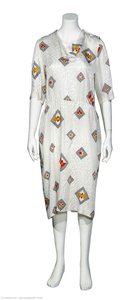 Sukienka1940
Eseje o Shocking
 Dada vs. Surrealism: Distinguishing the Revolt from the DreamMaster the key differences between Dada and Surrealism through expert historical analysis. Discover the true meaning behind the revolt.
 25 Masterpieces by Jean-Antoine Watteau: The Essence of Rococo EleganceExperience the Rococo elegance of Jean-Antoine Watteau's finest works. Explore the full collection online at OriginalUniqueArt.com.
 Unlocking the Subconscious: The 25 Most Iconic Salvador Dalí MasterpiecesStep into the dreamscape of Salvador Dalí. Explore 25 iconic Surrealist masterpieces, from melting clocks to bizarre landscapes. Discover t…