
 Wyślij jako kartkę
 Udostępnij
 Szczegóły dzieła

 Pobierz
 Podobne obiekty
 Pokaz slajdów
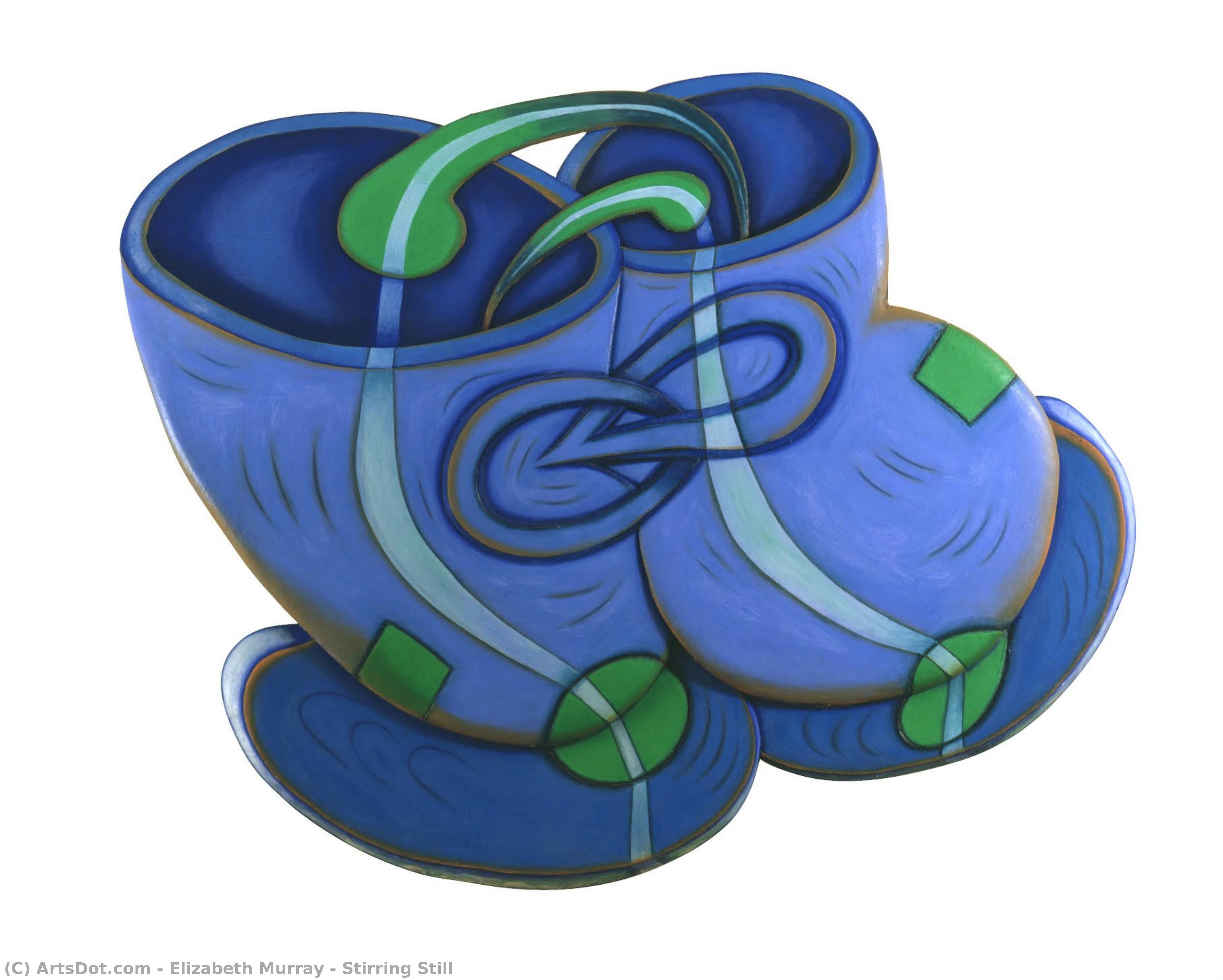
Stirring Still
 Ceramics
- Modernist abstraction
 Modern
 233.0 x 292.0 cm
 Chrysler Museum of Art
 Rozwiń treść
Ręcznie malowana reprodukcja olejowa
Ręcznie malowany obraz olejny na płótnie, wykonany na zamówienie przez naszych artystów w wybranym przez Ciebie wymiarze i oprawie. ( Zamów wydruk Kup obraz wysokiej rozdzielczości)




































Wybierz spośród naszych standardowych rozmiarów, które zachowują oryginalne proporcje dzieła sztuki.

Możesz wprowadzić własne wymiary, aby dopasować obraz do konkretnej ramy lub przestrzeni. Jeśli wybrany rozmiar nie będzie odpowiadał proporcjom oryginału, przytniecie dzieło sztuki lub rozszerzymy je o dodatkowe elementy, ręcznie domalowane przez artystę. Przed rozpoczęciem produkcji wyślemy projekt cyfrowy do Twojej akceptacji.
Należy pamiętać, że podgląd na ekranie nie odzwierciedla rzeczywistego przycinania ani rozszerzania obrazu. Tylko projekt dokładnie pokaże ostateczną kompozycję.
Choć oferujemy możliwość zamówienia niestandardowych rozmiarów, zalecamy wybór wymiaru z gotowej listy, aby zachować oryginalne proporcje dzieła.
Po złożeniu zamówienia zespół OriginalUniqueArt.com skontaktuje się z klientem drogą mailową w celu uzyskania instrukcji i prześle wizualizację projektu
Dostawa na całym świecie () w ciągu 3–4 tygodni zamiast standardowych 5 tygodni. (23 Sierpień). Bez kompromisów w kwestii jakości.

Bezpłatna ekspresowa wysyłka na cały świat

Wysokiej jakości płótno lniane

Pełne ubezpieczenie przesyłki

Gwarancja zwrotu należności celnych i podatków importowych

Gwarancja wiernego odwzorowania kolorów

Polityka 60-dniowego zwrotu (tylko w przypadku wad)

Gwarancja 100% zwrotu kosztów

Zniżka przy zamówieniu wielu produktów
 Opcja ze szkłem jest dostępna wyłącznie w rozmiarach poniżej 110 cm

Stirring Still
Technika reprodukcji
Wymiary reprodukcji
-


Cena całkowita
$ 300
Opis dzieła
The Quiet Drama of Form: Exploring "Stirring Still"
To stand before Elizabeth Murray's "Stirring Still" is to encounter a moment suspended in time—a quiet drama played out across a vast, luminous expanse. This monumental work, featuring two stately blue vases accented with verdant greens, immediately draws the eye into its serene composition. The arrangement, simple yet profoundly considered, elevates humble ceramic forms into objects of high contemplation. It speaks to the enduring power found within stillness, suggesting that even in repose, there is a subtle, vital energy at play—a gentle stirring beneath the surface calm.
A Dialogue Between Object and Space
Murray’s masterful handling of still life transcends mere depiction; it becomes an investigation into materiality. The vases, appearing to be crafted from rich clay or ceramic, possess a tangible weight that seems almost audible. They rise against a stark white background, which acts not merely as negative space but as an active participant in the painting itself. This contrast forces the viewer to consider volume, shadow, and the delicate interplay between solid form and infinite void. The inclusion of the small cup near the lower left corner adds a narrative whisper—a suggestion of human presence or ritual that grounds the otherwise monumental abstraction.
Technique and Modernist Echoes
While the subject matter nods to classical traditions of still life painting, Murray’s execution firmly plants the work in the realm of sophisticated modernism. Her technique allows the colors—the deep blues, the fresh greens, the creamy whites—to breathe with an almost sculptural quality. One can sense the artist's rigorous understanding of form, echoing influences from masters who taught her to see structure beneath surface beauty. The scale of 233 x 292 cm is breathtaking; it demands that the viewer step back, allowing the entire composition to envelop them in its measured grandeur.
Symbolism and Emotional Resonance
What does "Stirring Still" whisper about? It invites contemplation on permanence versus transience. The vases, beautiful and enduring, are placed within a moment captured by paint—a moment that is inherently fleeting. This tension between the eternal quality of art and the ephemeral nature of life imbues the piece with deep emotional resonance. For the collector or designer, this painting offers more than mere decoration; it offers a focal point for meditation, an anchor of sophisticated calm capable of transforming any space into a gallery of quiet reflection.
O artyście
A Life Painted in Form and Feeling
Elizabeth Murray, born in Chicago in 1940 to Irish-Catholic parents, emerged as a pivotal figure in American art, reshaping modernist abstraction into a vibrant language of form brimming with personality. Her father, a lawyer, provided stability while her mother, harboring ambitions as a commercial artist, nurtured Elizabeth’s early artistic inclinations – a crucial foundation for the unique path she would forge. Murray's formal training began at the School of the Art Institute of Chicago in 1958, guided by a high school teacher who recognized her potential. This was followed by studies at Mills College in Oakland, California, where she earned her MFA in 1964. These formative years exposed her to a diverse range of influences – from the structural rigor of Cézanne and the innovative spirit of Robert Rauschenberg and Jasper Johns – all subtly informing the development of her distinctive style. However, it was the move to New York City in 1967 that truly ignited her artistic evolution, placing her at the epicenter of a rapidly changing art world.Breaking the Frame: Innovation and Early Recognition
Murray’s most recognizable contribution lies in her revolutionary use of shaped canvases. Departing from the traditional rectangular format, she sculpted her paintings, giving them dynamic, often playful forms that extended beyond the confines of the frame. This wasn't merely a stylistic choice; it was a fundamental rethinking of painting itself – exploring its potential as an object and a space simultaneously. Her early exhibitions, including a breakthrough appearance at the Whitney Museum of American Art’s annual exhibition in 1971, began to garner attention for this innovative approach. *Children Meeting*, completed in 1978 and now residing in the Whitney's permanent collection, stands as an exemplary work from this period. It demonstrates her remarkable ability to convey emotion and suggest personality through non-figurative shapes, a masterful interplay of color, and dynamic lines. The painting’s title itself hints at a layered narrative – evoking both childhood innocence and a sense of playful disruption. Like much of her work, *Children Meeting* reflects Murray’s lifelong fascination with Walt Disney cartoons – a source of inspiration that infused her abstract compositions with a sense of whimsy and narrative suggestion. She often described her process as “growing out” of the forms, allowing them to emerge organically from the initial application of paint.Themes, Influences, and Enduring Impact
Murray’s work consistently explored themes related to domestic life, relationships, and the very nature of painting itself. She seamlessly blended elements of Abstract Expressionism with the geometric precision of Minimalism, creating a unique visual language that was both intellectually rigorous and emotionally resonant. Her ability to reshape modernist abstraction into a high-spirited, cartoon-based aesthetic opened new avenues for artistic expression and influenced generations of artists. The influence of Cézanne is particularly evident in her use of flattened planes and carefully considered color relationships – a legacy of the French master’s emphasis on structure and observation. Simultaneously, she drew inspiration from the spontaneity and collage techniques of Rauschenberg, incorporating found objects and unexpected juxtapositions into her canvases. The impact of Jasper Johns' exploration of recognizable imagery within an abstract framework is also apparent in Murray’s work, particularly in her use of simplified forms and a subtle engagement with familiar subjects. Throughout her career, she sought to challenge traditional notions of painting as a purely representational medium, pushing the boundaries of what could be achieved through color, form, and texture.Achievements and a Lasting Legacy
Murray’s work gained increasing recognition throughout the 1980s and 1990s, culminating in several prestigious awards and exhibitions. In 1982, she received the Walter M. Campana Award from The Art Institute of Chicago – a testament to her innovative approach and growing reputation. In 1984, she was awarded an honorary prize from the American Academy of Arts and Letters, further solidifying her position as a leading figure in contemporary art. A particularly significant moment arrived in 1993 when she received the Larry Aldrich Award for Contemporary Art – a recognition that brought widespread attention to her work. In 1998, Elizabeth Murray was elected a Fellow of the American Academy of Arts and Sciences, acknowledging the profound impact of her work on the art world. Her retrospective at the Museum of Modern Art in 2006 was widely hailed as a landmark event, showcasing an artist “in the flush of her authority and still digging deep,” according to *The New York Times*. Beyond these major accolades, Murray’s paintings are now held in numerous prestigious collections worldwide, including those of the Solomon R. Guggenheim Museum, the Whitney Museum of American Art, and the Pérez Art Museum Miami – a testament to the enduring value and significance of her artistic vision.A Personal Canvas: Life and Remembrance
Beyond her professional achievements, Elizabeth Murray’s life was enriched by strong personal connections. Her marriage to poet and poetry activist Bob Holman was a source of mutual support and creative inspiration. Together they raised three children – Sophia Murray Holman, Daisy Murray Holman, and Dakota Sunseri – weaving family life into the fabric of their artistic pursuits. The memorials held in her honor following her death – one at the Bowery Poetry Club and another at MoMA – testified to the profound impact she had on both the art world and those who knew her personally. As *The New York Times* obituary eloquently stated, she “reshaped modernist abstraction into a high-spirited, cartoon-based language of form whose subjects included domestic life, relationships and the nature of painting itself.” Elizabeth Murray’s work remains a testament to the power of artistic innovation, personal expression, and the enduring beauty of a life lived in pursuit of creative vision. Her legacy continues to inspire artists today through her bold experimentation and unique approach to the medium of paint.
Elizabeth Murray
1940 - 2007 , Stany Zjednoczone
Krótka nota
- Artistic Movement Or Style: Abstr. ekspresjonizm i Minimalizm
- Artists Or Movements Influenced By This Artist: ['Contemporary Art']
- Artists Who Influenced This Artist:
- Cézanne
- Rauschenberg
- Johns
- Date Of Birth: 1940
- Date Of Death: 2007
- Full Name: Elizabeth Murray
- Nationality: Amerykańska
- Notable Artworks:
- Children Meeting
- Terrifying Terrain
- Place Of Birth: Chicago, USA
Powiązane artykuły

Top 10 Sławnych Obrazów w Odcieniach Szaroniebieskiego – Inspiracje dla Wnętrz | OriginalUniqueArt.com
Odkryj 10 najsłynniejszych obrazów w odcieniach szaroniebieskiego! Poznaj historie Claude Moneta, Degasa i Van Gogha. Inspiracje wnętrzarskie i reprodukcje najwyższej jakości na OriginalUniqueArt.com – sztuka dla Twojego domu.

Top 10 arcydzieł ekspresjonizmu abstrakcyjnego – inspiracje dla Twojego wnętrza | OriginalUniqueArt.com
Odkryj 10 arcydzieł ekspresjonizmu abstrakcyjnego – Pollock, Rothko, de Kooning i inni. Poznaj historie artystów, techniki i inspiracje dla Twojego wnętrza. Reprodukcje najwyższej jakości na OriginalUniqueArt.com!

25 Arcydzieł Kandinskiego: Kolor, Duchowość i Abstrakcja w Twoim Domu | OriginalUniqueArt.com
Odkryj 25 arcydzieł Wassily Kandinskiego – pioniera abstrakcji i ekspresjonizmu! Poznaj historie, techniki i emocje kryjące się za jego kolorowymi kompozycjami. Reprodukcje obrazów najwyższej jakości na OriginalUniqueArt.com. Eksploruj pełną kolekcję online!

Geometria Sztuki: 10 Arcydzieł Abstrakcji Geometrycznej | OriginalUniqueArt.com
Odkryj 10 arcydzieł abstrakcji geometrycznej! Poznaj historię Mondriana, Kandinskiego i Maleвича. Inspiracje wnętrzarskie z malarstwem abstrakcyjnym – reprodukcje najwyższej jakości na OriginalUniqueArt.com. Eksploruj kolekcję online!
Fernand Léger: 25 Arcydzieł Kubizmu i Maszynerii - Kolekcja OriginalUniqueArt
Odkryj 25 arcydzieł Fernanda Légera – pioniera kubizmu i malarstwa maszyn. Poznaj historię, technikę i inspiracje tych ikonicznych obrazów. Reprodukcje najwyższej jakości na OriginalUniqueArt.com! Eksploruj pełną kolekcję online.

