

 Podgląd w skali 1:1
 Wyślij jako kartkę
 Udostępnij
 Szczegóły dzieła
 Przewodnik

 Pobierz obraz
 Podobne obiekty
 RTG
RTG Pokaz slajdów
 Statystyki
Model Study 18


 Rozwiń treść
Dzieło sztuki prezentowane na tej stronie podlega ochronie prawem autorskim, co oznacza, że nie mamy prawa do tworzenia ani sprzedaży jego identycznej reprodukcji. Ochrona ta jest egzekwowana na mocy umów międzynarodowych, takich jak Konwencja berneńska oraz przez przepisy prawa krajowego, w tym te określone w Prawo autorskie USA – Tytuł 17.
Metoda ta jest w pełni zgodna z przepisami prawa autorskiego, ponieważ nie polega na kopiowaniu ani powielaniu chronionego dzieła. Stanowi ona kreatywną reinterpretację – nowy obraz, który czerpie inspirację z oryginału, ale nie jest z nim tożsamy.
Giclée / Wydruk artystyczny
Wydruki giclée lub płótna o jakości muzealnej, szybka realizacja i szeroki wybór opcji wykończenia. ( Zamów ręcznie malowaną reprodukcję Przejdź do wersji cyfrowej)




































Wybierz spośród naszych standardowych rozmiarów, które zachowują oryginalne proporcje dzieła sztuki.

Wpisz wymaganą szerokość i wysokość, aby dopasować grafikę do ramy lub ściany. Wydruk można jedynie przyciąć, nigdy nie powiększając go poza oryginalny obraz, dlatego format o innych proporcjach spowoduje utratę części kompozycji. Przed rozpoczęciem druku prześlemy Ci cyfrowy podgląd do zatwierdzenia. Obraz wyświetlany na tej stronie nie pokazuje rzeczywistego przycięcia — jedynie podgląd oddaje ten efekt.
Dostawa na cały świat () w ciągu 2 tygodni zamiast standardowych 4/5 tygodni. (28 Październik)

Bezpłatna ekspresowa wysyłka na cały świat

Wysokiej jakości płótno lniane

Pełne ubezpieczenie przesyłki

Gwarancja zwrotu należności celnych i podatków importowych

Gwarancja wiernego odwzorowania kolorów

100-dniowa polityka zwrotów (tylko w przypadku wad)

Gwarancja 100% zwrotu pieniędzy

Zniżka przy zakupie wielu sztuk
 Opcja ze szkłem jest dostępna wyłącznie w rozmiarach poniżej 110 cm

Model Study 18
Giclée / Wydruk artystyczny
Wymiary reprodukcji
-


Cena całkowita
zł 308
A Study in Light and Vulnerability: Elina Brotherus' "Model Study 18"
Elina Brotherus’ “Model Study 18” is a captivating photographic work from 2008 that transcends the simple depiction of the human form. It presents a nude male figure, seen from behind, standing before sheer white curtains bathed in soft, natural light. This isn't merely a portrait; it's an exploration of vulnerability, introspection, and the quiet beauty found within solitude. The composition is strikingly centered, drawing the viewer’s eye immediately to the subject and emphasizing his presence within the space. Brotherus masterfully utilizes light – likely a combination of natural sunlight streaming through the curtains and subtle fill lighting – to sculpt the figure with dramatic highlights and shadows, revealing texture and volume in a way that feels both intimate and reverent. The overall effect is one of serene contemplation, inviting viewers to share in the subject’s quiet moment.Style & Technique: A Naturalist Approach
Brotherus belongs to the esteemed Helsinki School of photography, known for its focus on conceptual portraiture and landscapes often imbued with a sense of melancholy and introspection. Her style is characterized by a deliberate avoidance of digital manipulation – she proudly proclaims her commitment to images taken "from nature" without Photoshop—resulting in an exceptionally raw and authentic aesthetic. “Model Study 18” exemplifies this approach. The photograph’s power lies not in elaborate staging or post-production effects, but in the careful consideration of light, composition, and the subject's posture. The technique relies on a keen understanding of photographic principles – depth achieved through layering light and shadow, perspective creating foreground, middle ground, and background—all contributing to a sense of quiet realism. The use of natural light lends an ethereal quality, softening the edges and enhancing the overall feeling of peace.Context & Symbolism: Autobiographical Echoes
Understanding Brotherus’ broader artistic practice provides crucial context for appreciating "Model Study 18." The artist is known for her deeply autobiographical work, often addressing themes of infertility and involuntary childlessness through photographic series like “Carpe Fucking Diem” (2011–2015) and “Annonciation” (2009-2013). While "Model Study 18" doesn't explicitly depict these struggles, it shares a similar sensibility – a quiet exploration of the human condition marked by vulnerability and longing. The figure’s posture, turned away from the viewer, suggests introspection and perhaps a sense of isolation. The curtains themselves can be interpreted symbolically; they act as both a barrier and a veil, hinting at hidden emotions or experiences. The light filtering through them represents hope or possibility amidst a backdrop of quiet contemplation.Emotional Impact & Decorative Potential
“Model Study 18” evokes a powerful emotional response – feelings of peace, vulnerability, and a touch of melancholy resonate within the image. The subdued color palette of whites and beige tones contributes to this serene atmosphere, creating a calming visual experience. This piece is not just aesthetically pleasing; it’s emotionally evocative. As a reproduction, it offers a unique opportunity for interior design. Its soft colors and contemplative mood make it ideal for bedrooms, studies, or any space seeking an air of quiet sophistication. The photograph's large format potential allows for impactful display, transforming a room into a gallery-like setting. It pairs well with minimalist décor, natural materials like wood and linen, and palettes emphasizing neutral tones.Pytania i odpowiedzi
Czy mogę zobaczyć „Model Study 18” – Elina Brotherus na własnej ścianie przed zakupem?
Dzieło „Model Study 18” – Elina Brotherus możesz zobaczyć na własnej ścianie dzięki stronie Podgląd w AR, wykorzystując rozszerzoną rzeczywistość na kompatybilnym urządzeniu.
Jaki dominujący odcień przenika „Model Study 18” – Elina Brotherus?
Dominującym odcieniem w „Model Study 18” – Elina Brotherus jest Ochre to Sepia.
Gdzie mogę znaleźć przewodnik do "Model Study 18"?
Przewodnik po "Model Study 18" to strona Karta informacyjna dla uczniów dzieła sztuki – nadrukowalna karta informacyjna zawierająca opis utworu, informacje o autorstwie oraz tabelę danych (artysta, daty, technika, wymiary oryginału, kolekcja).
Powiązane artykuły

Beyond the Lens: Photography's Enduring Influence on Modern & Contemporary Art
Explore photography's pivotal role in shaping modern & contemporary art. Discover key movements, influential artists like Stieglitz, and expert collecting advice from OriginalUniqueArt.
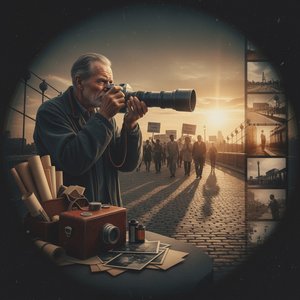
Witnessing History Through Lens & Light: Documentary Photography's Enduring Legacy
Explore the powerful history of documentary photography – from its origins to contemporary masters like Gordon Parks & W. Eugene Smith. Discover how this art form shapes our understanding of society and witness pivotal moments in time.

Piktorializm w Polsce: Poszukiwanie Duszy Fotografii i Estetyki Malarskiej
Poznaj historię piktorializmu w Polsce – nurtu fotografii artystycznej dążącego do estetyki malarskiej. Odkryj kluczowe postacie, techniki i wpływ na polską sztukę. Ekspercka analiza i fascynujące fakty!
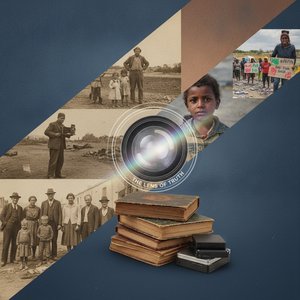
The Lens of Truth: A Comprehensive History and Legacy of Documentary Photography
Explore the profound history of documentary photography. From early daguerreotypes to social reform movements, discover how the lens captures truth, preserves vanishing cultures, and shapes our global visual narrative through an expert art-historical lens.

Monochromatyczne Wizje: Estetyka i Historyczne Znaczenie Fotografii Czarno-Białej
Odkryj fascynujący świat fotografii czarno-białej! Poznaj historię, techniki i arcydzieła monochromatycznej sztuki. Inspiracje, porady i analiza wpływu na współczesną estetykę. OriginalUniqueArt.com.