
 Podgląd w skali
 Wyślij jako kartkę
 Udostępnij
 Szczegóły dzieła

 Pobierz
 Podobne obiekty
 RTG
RTG Pokaz slajdów
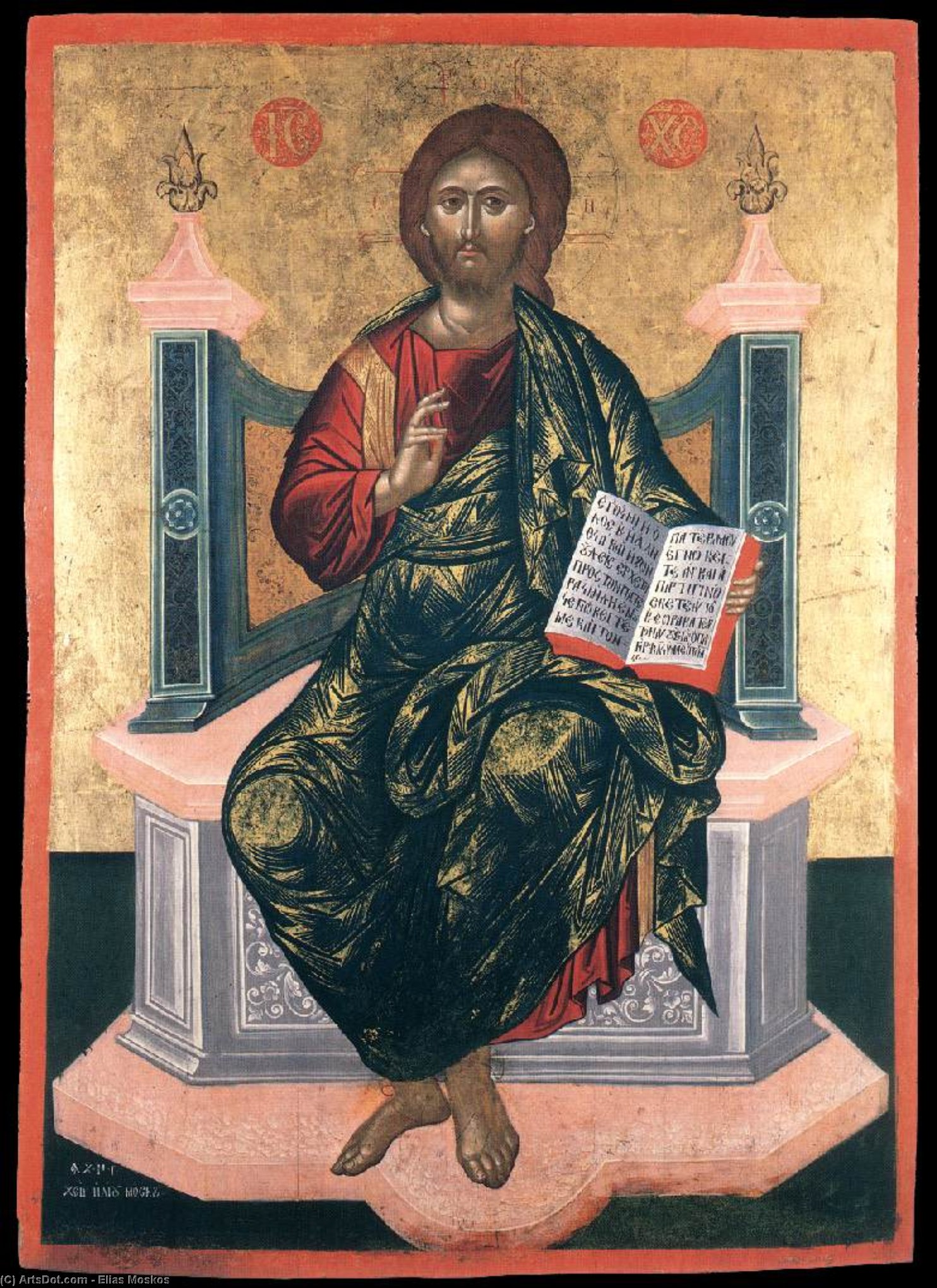
Christ Pantocrator
 Oil
Oil- WallArt
- Baroque
 1653
1653- Early Modern
 119.0 x 85.0 cm
 Ikonen-Museum
 Rozwiń treść
Kup wysokiej rozdzielczości, ulepszony obraz cyfrowy o znacznie wyższej jakości niż podgląd online.
Każdy plik jest starannie przygotowywany przez naszych specjalistów przy użyciu zaawansowanych narzędzi oraz profesjonalnej, ręcznej retuszy. Dbamy o to, aby każdy obraz cechował się wyjątkową ostrością, precyzyjnym odwzorowaniem kolorów i subtelnymi detalami.
Ostateczny plik dostarczany jest drogą mailową w ciągu 72 godzin, zoptymalizowany do natychmiastowego wykorzystania w profesjonalnych zastosowaniach redakcyjnych i poligraficznych. To ta sama jakość, której ufają czołowe studia projektowe, wydawnictwa oraz galerie sztuki.
Obraz cyfrowy
Pobierz plik o wysokiej rozdzielczości do osobistego wyświetlania, druku oraz projektów kreatywnych. ( Zamów wydruk Przełącz na obraz ręcznie malowany)
W każdym zamówieniu na obraz cyfrowy znajduje się
Profesjonalna dostawa cyfrowa z gwarancją
Wybierając OriginalUniqueArt.com, nie otrzymujesz jedynie obrazu – otrzymujesz profesjonalnie udoskonalone cyfrowe dzieło sztuki, stworzone z najwyższą precyzją i objęte gwarancją satysfakcji. Oto wszystko, co automatycznie dołączane jest do Twojego zamówienia:

Błyskawiczna wysyłka e-mailowa
Plik z obrazem cyfrowym w wysokiej rozdzielczości zostanie przesłany na Twój adres e-mail w ciągu 72 godzin od złożenia zamówienia – gotowy do natychmiastowego użycia.

Plik cyfrowy wzbogacony przez AI
Twoja grafika została profesjonalnie zoptymalizowana przy użyciu zaawansowanych narzędzi AI oraz ręcznej edycji, co zapewnia maksymalną szczegółowość, klarowność i wierność kolorów.

Dożywotnia darmowa ponowna dostawa
Przypadkowo usunąłeś lub zgubiłeś swój plik? Bez obaw – prześlemy go Tobie ponownie w dowolnym momencie, bez żadnych opłat.

Bez opłat importowych – zawsze
Ciesz się swoją sztuką natychmiast, bez żadnych opłat celnych, należności ani kosztów dostawy – pliki cyfrowe są zawsze wolne od podatku.

Gwarancja wierności kolorów
Dzięki zastosowaniu profesjonalnych narzędzi i procesów zarządzania barwą zapewniamy, że Twoje cyfrowe zdjęcie odzwierciedla oryginalne kolory tak wiernie, jak to tylko możliwe.

60-dniowa gwarancja satysfakcji
Jeśli nie będziesz zadowolony ze swojego cyfrowego obrazu, dokonamy jego poprawki lub zwrócimy 100% kosztów w ciągu 60 dni – bez żadnych pytań.

100% Gwarancja zwrotu pieniędzy
Nie jesteś zadowolony? Otrzymaj pełny zwrot kosztów w ciągu 60 dni od otrzymania pliku cyfrowego – bez zbędnych pytań.

Rabaty przy zamówieniach hurtowych
Kup 3 obrazy, oszczędź 10% - Kup 5, oszczędź 15% - Kup 10+, oszczędź 20%. Idealne do projektów kreatywnych, galerii i agencji.
Biografia artysty
Lavinia Fontana: A Pioneer of Female Artistic Voice
Lavinia Fontana (1552 – 1614) stands as a monumental figure in the history of art, recognized today as perhaps the first professional female artist to establish herself independently in Western Europe. Born into a family deeply rooted in the artistic traditions of Bologna, Italy, her journey was one of remarkable resilience and creative triumph against prevailing societal constraints. Her story isn’t simply that of an artist; it's a testament to the persistent pursuit of recognition within a world largely dominated by men. Her father, Prospero Fontana, was a respected painter known for his work in stucco decoration and frescoes, providing Lavinia with an invaluable early education in artistic techniques and practices. This familial connection offered her a unique advantage – access to a workshop environment and the opportunity to learn alongside her father, something rarely afforded to women of the era. Lavinia’s training began within the walls of her father's studio, where she honed her skills in tempera painting, a medium particularly favored for devotional works. Early commissions focused primarily on small-scale paintings intended as gifts – religious icons and portraits destined for wealthy patrons or diplomatic missions. These pieces, often executed on copper panels, were highly sought after due to the metal’s inherent value and luster. Her early work demonstrates a clear influence from the Bolognese School of painting, characterized by its rich colors, meticulous detail, and a focus on realistic representation – particularly evident in her 1576 masterpiece, *Christ with the Symbols of the Passion*, now housed at the El Paso Museum of Art. This piece showcases her burgeoning talent for capturing human emotion and rendering complex subjects with remarkable precision. However, it’s important to note that Lavinia's career unfolded within a context where female artists were largely excluded from formal training and professional opportunities. She navigated this challenging landscape by leveraging her family connections and establishing herself as a respected commercial artist, relying on commissions rather than patronage for her livelihood.A Unique Path: Portraiture and Mythological Scenes
While Lavinia’s early work was largely devotional, she gradually expanded her repertoire to encompass portraiture and mythological scenes – genres typically reserved for male artists. This shift is particularly significant as it suggests a deliberate effort on her part to challenge conventional artistic boundaries. Her portraits are notable for their psychological depth and subtle expressions, capturing the personalities of her subjects with remarkable sensitivity. However, perhaps more controversially, Lavinia is considered by some art historians to be the first female artist to depict nude female figures in Western painting. While the evidence remains debated, her 1575 work, *Child of the Monkey*, a lost masterpiece, and later works like *The Virgin and Child with Saints* (circa 1580) hint at this pioneering approach. These depictions, though often interpreted as allegorical or symbolic, represent a bold step towards asserting female agency within the visual arts – a daring act in a society that largely relegated women to domestic roles.The Influence of Mannerism and Beyond
Lavinia Fontana’s artistic style is firmly rooted in the Mannerist movement, characterized by its elongated figures, complex compositions, and dramatic use of color. She absorbed influences from prominent Mannerist artists like Parmigianino and Bronzino, adapting their techniques to her own unique vision. However, she also demonstrated a keen awareness of contemporary trends and incorporated elements of realism and naturalism into her work. Notably, she studied under Denis Calvaert, a Netherlandish artist who had once been a pupil of Prospero Fontana, gaining valuable insights into Northern European painting styles. This exposure broadened her artistic horizons and allowed her to synthesize diverse influences into a distinctive style that was both elegant and emotionally resonant.Legacy and Historical Significance
Lavinia Fontana’s legacy extends far beyond her individual artworks. She represents a pivotal moment in the history of art, demonstrating that women were capable of achieving professional success as artists – not just as assistants or imitators, but as independent creators with their own unique voices. Her story challenges traditional narratives about artistic production and highlights the systemic barriers faced by female artists throughout history. While her life was marked by hardship and societal prejudice, Lavinia Fontana’s unwavering determination to pursue her passion ultimately paved the way for future generations of women in the arts. She remains an inspiring figure, a testament to the power of talent, perseverance, and the enduring pursuit of artistic freedom. Her work continues to be studied and admired today, solidifying her place as one of the most important artists of the Italian Renaissance.
elias moskos
1552 - 1615

