Podgląd w skali
 Wyślij jako kartkę
 Udostępnij
 Szczegóły dzieła

 Pobierz
 Podobne obiekty
 RTG
RTG Pokaz slajdów
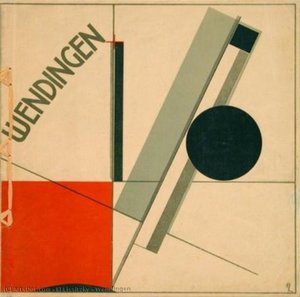
Proun


 Rozwiń treść
Giclée / Wydruk artystyczny
Druk giclée lub płótno o jakości muzealnej, szybka realizacja i szeroki wybór opcji wykończenia. ( Zamów ręcznie malowaną reprodukcję Kup obraz wysokiej rozdzielczości)




P118B $10

P118H $10

P118W $10

P438Z $10

P508JH $12

P508YH $12

P805H $10

P805Z $10

P919BZ $10

P919G $10

P919XJ $10

P959ZH $10

P968JZ $12

W106C $8

W218G $10

W218JH $8

W218Y $10

W307PJ $10

W316G $10

W316PJ $8

W316Y $10

W398PJ $8

W4111J $10

W500HY $15

W500JH $15

W692G $12

W849H $8

W940BG $15

W953PJ $8




Wybierz spośród naszych standardowych rozmiarów, które zachowują oryginalne proporcje dzieła sztuki.

Możesz wprowadzić własne wymiary, aby dopasować dzieło do konkretnej ramy lub przestrzeni. Jeśli wybrany rozmiar nie będzie odpowiadał proporcjom oryginalnego obrazu, przytniecie dzieło lub rozszerzymy obraz za pomocą odbicia lustrzanego lub jednolitego wypełnienia krawędzi. Przed rozpoczęciem produkcji prześlemy cyfrową wizualizację do Twojej akceptacji.
Prosimy pamiętać, że podgląd na ekranie nie odzwierciedla faktycznego przycinania ani rozszerzania. Tylko wizualizacja dokładnie pokaże końcową kompozycję.
Mimo dostępności niestandardowych rozmiarów, zalecamy wybór wymiaru z listy zdefiniowanej, aby zachować oryginalne proporcje.
Dostawa na cały świat () w ciągu 2 tygodni zamiast standardowych 4/5 tygodni. (17 Sierpień)

Bezpłatna ekspresowa wysyłka na cały świat

Wysokiej jakości płótno lniane

Pełne ubezpieczenie przesyłki

Gwarancja zwrotu należności celnych i podatków importowych

Gwarancja wiernego odwzorowania kolorów

Polityka 60-dniowego zwrotu (tylko w przypadku wad)

Gwarancja 100% zwrotu kosztów

Zniżka przy zamówieniu wielu produktów
 Opcja ze szkłem jest dostępna wyłącznie w rozmiarach poniżej 110 cm

Proun
Giclée / Wydruk artystyczny
Wymiary reprodukcji
-


Cena całkowita
$ 80
Opis kolekcjonerski
El Lissitzky’s Proun: A Revolutionary Geometry of Space
The photograph presented here offers a glimpse into “Proun 19D,” a seminal work by El Lissitzky, created in 1923 and embodying the radical principles of Constructivism. More than simply a painting, Proun (derived from the Czech word for ‘pronunciation’) represented Lissitzky’s ambitious attempt to redefine art's relationship with space – to move it beyond mere representation and into the realm of pure form and experience. This piece, executed in stark black and white, showcases his signature geometric abstraction: a carefully orchestrated arrangement of circles, crosses (the “X”), and lines that seem to defy conventional perspective. The composition isn’t about depicting an object; instead, it aims to reveal the underlying structure of space itself, suggesting a dynamic interplay between positive and negative forms.
Lissitzky's journey to this groundbreaking style was deeply rooted in his early life and artistic training. Born Lazar Markovich Lissitzky in 1890 in Pochinki, Russia, he initially pursued architecture and engineering, disciplines that were frustratingly closed off to him due to restrictions placed on Jewish students. This experience fueled a desire to create art that transcended social barriers and actively shaped the world around it. His early illustrations for Yiddish children’s books – works like ‘Chad Gadya’ – demonstrated an innate understanding of narrative and visual storytelling, foreshadowing his later explorations into abstract forms. His time in Berlin and Darmstadt exposed him to European avant-garde movements, particularly Cubism and Futurism, which profoundly influenced his thinking about space and form. However, it was upon returning to Russia that Lissitzky truly developed his unique vision, culminating in the creation of Proun.
The Principles of Constructivism and the Birth of Proun
Proun emerged from the broader context of Constructivism, a Russian artistic movement advocating for art’s role in building a new socialist society. Constructivists believed that art should be functional, accessible, and directly contribute to practical design – influencing architecture, furniture, typography, and even propaganda. Lissitzky embraced this philosophy wholeheartedly, rejecting traditional notions of illusionistic painting and instead focusing on the inherent properties of geometric forms. He theorized that a “Proun” was not merely a flat image but a three-dimensional projection of space, a ‘stage’ upon which the world could be reconfigured. The X shape, for instance, represented the intersection of two planes, while circles symbolized the sun and the cosmos – fundamental elements in his vision of a new spatial order.
Crucially, Lissitzky developed a system of “Proun stages,” believing that each work evolved through a series of transformations. “Proun 19D” is considered an early example, demonstrating the gradual shift from representational imagery to pure abstraction. He meticulously documented these changes in his diaries and drawings, creating a visual record of his artistic process – a testament to his belief in art as a dynamic, evolving entity.
Symbolism and Emotional Impact
While seemingly austere, “Proun 19D” is rich with symbolic meaning. The geometric forms aren’t arbitrary; they represent fundamental forces and relationships within the universe. The circle, often associated with wholeness and unity, suggests a harmonious balance between opposing elements. The X, representing intersection and connection, symbolizes the dynamic interaction of space and form. Lissitzky's work wasn't simply about aesthetics; it was an attempt to create a visual language that could communicate complex ideas about space, time, and social transformation.
The stark black and white palette further amplifies the piece’s impact, stripping away distractions and focusing attention on the essential forms. It evokes a sense of clarity, precision, and intellectual rigor – reflecting Lissitzky's commitment to rationalism and his belief in art as a tool for social progress. “Proun 19D” remains a powerful example of how abstract art can be both intellectually stimulating and emotionally resonant, inviting viewers to contemplate the fundamental nature of reality itself.
OriginalUniqueArt Reproductions: Bringing Proun to Life
OriginalUniqueArt is proud to offer meticulously crafted hand-painted reproductions of El Lissitzky’s “Proun 19D.” Our artists utilize traditional techniques and archival-quality materials to faithfully recreate the artwork's intricate details and subtle nuances. Whether you are an art collector, interior designer, or simply a lover of modern art, our reproductions provide a stunning way to experience the power and beauty of this iconic work. Explore our selection of sizes and framing options to find the perfect addition to your home or office – a tangible connection to one of the 20th century’s most visionary artists.
O artyście
A Revolutionary Vision: The Life and Art of El Lissitzky
El Lissitzky, urodzony Lazar Markowitsch Lissitzky w 1890 roku w niewielkiej rosyjskiej miejscowości Pochinok, stał się kluczową postacią w burzliwym krajobrazie sztuki wczesnego XX wieku. Jego życie było podróżą ciągłej metamorfozy, napędzaną gorącą wiarą w moc sztuki do kształtowania społeczeństwa i odzwierciedlania dynamiki współczesnego świata. Już od początku swojej edukacji jako architekta i inżyniera – zajęcia utrudnione przez ograniczenia nakładane na studentów żydowskich – jego ścieżka artystyczna zaczęła się rozwijać, początkowo poprzez ilustracje osadzone w rosyjskim folklorze. Te wczesne prace, takie jak okładka dla ‘Chad Gadya’, ujawniają talent dopiero rozwijający się, który już mierzył się z narracją i wizualną opowieścią, sugerując głębokie korzenie kulturowe, które miały nadal wpływać na jego estetykę. Przenosiny do Berlina i Darmstadt poszerzyły jego horyzonty, ale to powrót do Rosji dał Lissitzky’emu prawdziwy głos artystyczny, nieodłącznie związany z rewolucyjnym zgiełkiem nadejście w kraju.The Embrace of Abstraction: Suprematism and Proun
Przełomowym momentem okazało się spotkanie z Kazimierzem Malevichiem i przyjęcie suprematyzmu. Ruch ten, poświęcony czystej geometrycznej abstrakcji, głęboko rezonował z pragnieniem Lissitzky’ego przekroczenia sztuki reprezentacyjnej i dotarcia do uniwersalnego języka wizualnego. Stał się kluczowym członkiem UNovis, grupy suprematystycznej założonej w Witebsku, aktywnie szerząc swoje zasady poprzez nauczanie i produkcję artystyczną. Jednak Lissitzky nie po prostu kopiował styl Malevich’a; stworzył własną, odrębną drogę z rozwojem *Proun*. Ta unikalna seria, wywodząca się z fuzji suprematyzmu i konstrukcjonizmu, badała relacje przestrzenne i geometryczne formy w dynamicznych kompozycjach, często przypominających schematy architektoniczne lub eksplozje diagramów. Proun nie był po prostu malowaniem; była to eksploracja samej struktury przestrzeni, premonicja przyszłych możliwości architektonicznych. Widoczny tu wpływ jego wykształcenia inżynierskiego jest oczywisty – dodaje on logiczny aspekt konstrukcyjny do abstrakcyjnych form.Constructivism and the Role of the Artist
Lissitzky’s artistic vision extended far beyond the canvas. He passionately believed that art should serve a social purpose, actively engaging with political ideologies and seeking ways to integrate design into everyday life. This conviction led him to become deeply involved in Soviet propaganda efforts, creating powerful posters and graphic designs intended to mobilize public support for the Bolshevik regime. His 1941 rok poster calling for tank construction stands as a testament to this commitment – a stark, impactful image reflecting the urgency of wartime. Beyond propaganda, Lissitzky revolutionized typography, exhibition design, and photomontage. He understood that effective communication required innovative visual strategies, and he fearlessly experimented with new techniques to convey his message. His photomontages, such as ‘The Constructor’ (1924), are particularly striking – self-portraits that blend photography with geometric abstraction, offering a complex commentary on identity and the role of the artist in society.Proun: A Spatial Investigation
The *Proun* series represents a pivotal shift in Lissitzky's artistic practice. Initially conceived as architectural diagrams, these works evolved into dynamic compositions that explored spatial relationships and the interplay of geometric forms. They weren’t merely representations of objects; they were investigations into how space itself could be constructed and experienced. Lissitzky described *Proun* as a “spatial poem,” a visual language designed to evoke emotions and stimulate thought. The use of floating planes, intersecting lines, and bold colors created a sense of dynamism and movement, challenging traditional notions of perspective and representation. The series can be seen as a bridge between the rationalism of engineering and the expressive power of art, reflecting Lissitzky’s belief in the potential of design to shape our perception of reality.Legacy and Enduring Influence
El Lissitzky’s life was tragically cut short in 1941 in Moscow, but his legacy continues to resonate today. He bridged the gap between art and architecture, abstraction and social purpose, leaving behind a body of work that is both intellectually stimulating and visually captivating. The establishment of the Lissitzky Foundation in 2014 underscores the ongoing commitment to preserving his artistic heritage and preparing a comprehensive catalogue raisonné of his creations. His innovations in typography, exhibition design, and photomontage continue to inspire contemporary artists and designers, while his unwavering belief in the power of art as a force for social change remains profoundly relevant. His work is held in numerous international collections, including museums in Taganrog and Novokuznetsk. Lissitzky wasn’t simply an artist; he was a visionary who dared to imagine a new world, and whose art continues to shape our understanding of visual communication and its potential for transformation.
El Lissitzky
1890 - 1941 , Rosja
Krótka nota
- Artistic Movement Or Style:
- Suprematyzm
- Konstrukcjonizm
- Proun
- Artists Or Movements Influenced By This Artist:
- Bauhaus
- De Stijl
- Artists Who Influenced This Artist: ['Kazimir Malevich']
- Date Of Birth: 1890
- Date Of Death: 1941
- Full Name: El Lissitzky
- Nationality: Rosyjski
- Notable Artworks:
- The Constructor
- Chad Gadya
- Proun
- Place Of Birth: Pochinki, Rosja
Powiązane artykuły

El Greco: 25 Arcydzieł Genialnego Malarza – Kolekcja dla Koneserów Sztuki i Wystroju Domu
Odkryj 25 arcydzieł El Greco – mistrza renesansu i manieryzmu. Poznaj historie, techniki i duchowość w jego obrazach. Reprodukcje najwyższej jakości na OriginalUniqueArt.com. Inspiracje do wnętrz i kolekcja sztuki online!

Geometria Sztuki: 10 Arcydzieł Abstrakcji Geometrycznej | OriginalUniqueArt.com
Odkryj 10 arcydzieł abstrakcji geometrycznej! Poznaj historię Mondriana, Kandinskiego i Maleвича. Inspiracje wnętrzarskie z malarstwem abstrakcyjnym – reprodukcje najwyższej jakości na OriginalUniqueArt.com. Eksploruj kolekcję online!

Poza Formą i Kolorem: Ewolucja Abstrakcji Geometrycznej w Sztuce XX i XXI Wieku
Odkryj fascynującą historię abstrakcji geometrycznej w sztuce XX i XXI wieku! Analiza kluczowych nurtów, artystów i technik. Ekspercka wiedza dla kolekcjonerów na OriginalUniqueArt.com.
Kazimir Malevich: 25 Arcydzieł Suprematyzmu dla Miłośników Sztuki i Wystroju Domu
Odkryj 25 arcydzieł Kazimira Malevicha – pioniera suprematyzmu i abstrakcji. Poznaj historie, techniki i inspiracje za 'Czarnym Kwadratem' i innymi kultowymi dziełami. Reprodukcje najwyższej jakości na OriginalUniqueArt.com.
Geometryczna Abstrakcja w Sztuce: Historyczny Przegląd i Współczesny Apel dla Kolekcjonerów
Poznaj historię geometrycznej abstrakcji w sztuce – od kubizmu po współczesne trendy. Poradnik dla kolekcjonerów o inwestycjach, wartości dzieł i wybitnych polskich artystach. Ekspercka analiza i inspiracje.