
 Zobacz w skali 1:1
 Wyślij
 Udostępnij
 Szczegóły
 Przewodnik

 Pobierz plik obrazu
 Podobne obiekty
 RTG
RTG Pokaz slajdów
 Statystyki
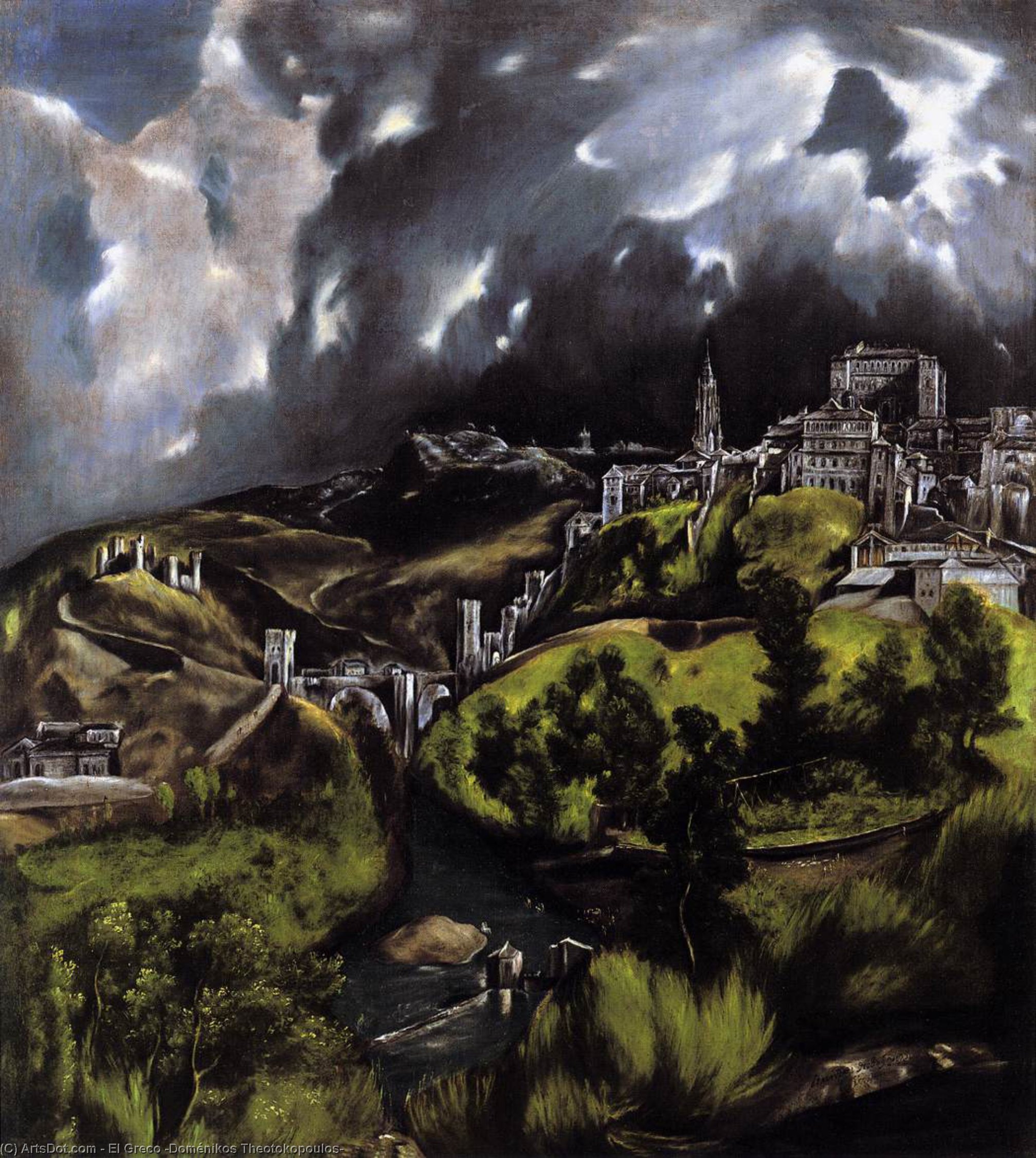
Widok na Toledo
 Olej na płótnie
- Sztuka ścienna
- Mannerist Style
 1597
1597- Renesans
 121.0 x 109.0 cm
 Metropolitan Museum of Art
 Czytaj więcej
Giclée / Wydruk artystyczny
Wydruki giclée lub płótna o jakości muzealnej, szybka realizacja i szeroki wybór opcji wykończenia. ( Kup ręcznie malowany obraz Przełącz na wersję cyfrową)




P118B zł10

P118H zł10

P118W zł10

P438Z zł10

P508JH zł12

P508YH zł12

P805H zł10

P805Z zł10

P919BZ zł10

P919G zł10

P919XJ zł10

P959ZH zł10

P968JZ zł12

W106C zł8

W218G zł10

W218JH zł8

W218Y zł10

W307PJ zł10

W316G zł10

W316PJ zł8

W316Y zł10

W398PJ zł8

W4111J zł10

W500HY zł15

W500JH zł15

W692G zł12

W849H zł8

W940BG zł15

W953PJ zł8




Wybierz spośród naszych standardowych rozmiarów, które zachowują oryginalne proporcje dzieła sztuki.

Wpisz wymaganą szerokość i wysokość, aby dopasować grafikę do ramy lub ściany. Wydruk można jedynie przyciąć, nigdy nie powiększając go poza oryginalny obraz, dlatego format o innym proporcji spowoduje utratę części kompozycji. Przed rozpoczęciem druku prześlemy Ci cyfrowy podgląd do zatwierdzenia. Obraz wyświetlany na tej stronie nie pokazuje rzeczywistego przycięcia — jedynie podgląd oddaje ten efekt.
Dostawa na cały świat () w ciągu 2 tygodni zamiast standardowych 4/5 tygodni. (21 Październik)

Bezpłatna ekspresowa wysyłka na cały świat

Wysokiej jakości płótno lniane

Pełne ubezpieczenie transportowe

Gwarancja zwrotu należności celnych i podatków importowych

Gwarancja idealnego odwzorowania barw

100-dniowy okres na zwrot dzieła w przypadku wykrycia wad produkcyjnych

Gwarancja 100% zwrotu pieniędzy

Oferta przy zakupie wielu sztuk
 Opcja ze szkłem jest dostępna wyłącznie w rozmiarach poniżej 110 cm

Widok na Toledo
Giclée / Wydruk artystyczny
Rozmiar reprodukcji
-


Suma do zapłaty
zł 304
The Soul of a City – Unveiling El Greco’s “A View of Toledo”
El Greco’s “A View of Toledo,” painted in 1597 and now residing within the Metropolitan Museum of Art, isn't merely a depiction of a Spanish city; it’s an immersion into a profound psychological landscape. This oil on canvas transcends the boundaries of simple observation, becoming instead a visceral expression of spiritual tension and impending drama. Born Domenikos Theotokopoulos in Crete, El Greco’s artistic journey was marked by a unique synthesis of Byzantine tradition, Italian Mannerism, and Venetian Renaissance influences – a confluence that culminated in his intensely personal and dramatically charged style. “A View of Toledo” stands as the apex of this evolution, showcasing his mastery of elongated figures, fantastical pigmentation, and an unparalleled ability to evoke atmosphere and emotion. From the moment you encounter it, the painting commands attention with an overwhelming sense of foreboding – a feeling that permeates every brushstroke.
The scene unfolds within a valley dominated by a colossal hill crowned by a formidable castle, anchoring the composition and establishing a powerful vertical axis. Two rivers surge forward with almost violent energy, mirroring the turmoil brewing above. These waterways aren’t serene; they are turbulent, suggesting an underlying instability. Scattered throughout the image are figures – not idyllic inhabitants enjoying the vista, but individuals engaged in everyday activities: farmers tending their fields, travelers making their way along a path, and perhaps even a solitary figure gazing out at the landscape. However, there's a deliberate disconnect between these mundane actions and the dramatic atmosphere; they seem oblivious to the impending storm, creating a potent sense of unease – as if the viewer is witnessing a hidden drama unfolding beneath the surface of routine.
A Synthesis of Artistic Influences
El Greco’s distinctive style in “A View of Toledo” is a testament to his diverse artistic training. The painting's foundation rests firmly within the Byzantine tradition – evident in the meticulous detail, the use of rich, layered colors, and the stylized rendering of figures. Notice how the forms are elongated, almost ethereal, creating a sense of otherworldly drama. Yet, he skillfully integrates elements of Italian Mannerism, particularly in the distorted perspective and the heightened emotionality, alongside Venetian Renaissance influences, most notably in his masterful manipulation of light and shadow. The painting’s palette is extraordinarily rich – deep blues and purples dominate the sky, contrasting sharply with the earthy greens and browns of the landscape. This deliberate use of color isn't merely decorative; it serves to amplify the sense of drama and foreboding.
The elongated figures, a hallmark of El Greco’s style, contribute significantly to the painting’s unsettling atmosphere. They seem suspended in space, almost floating above the ground, further emphasizing the feeling of instability and impending doom. Consider how he uses diagonal lines – particularly those created by the rivers – to draw the eye through the composition, intensifying the sense of movement and tension.
The Symbolism of Toledo
Toledo itself held a profound significance for El Greco during his time in Spain. The city was a center of religious fervor, steeped in history and legend, and known for its dramatic landscape – dominated by the imposing castle and the towering cathedral. It’s believed that “A View of Toledo” isn't simply a topographical representation; it’s an allegory of spiritual struggle. The dark, turbulent sky could symbolize impending judgment or divine wrath, while the figures below represent humanity grappling with faith and mortality. The castle, a symbol of power and authority, might represent both earthly and religious forces vying for dominance.
Interestingly, the painting’s composition echoes elements found in earlier Byzantine landscape paintings, particularly those depicting the apocalypse. This connection suggests that El Greco was drawing upon a rich tradition of symbolic imagery to convey his own deeply personal vision of faith and despair. The placement of the castle on the hill is deliberate; it dominates the scene, reminding the viewer of the power and authority of God.
A Masterpiece Transcending Time
“A View of Toledo” remains a profoundly moving work of art, captivating viewers with its dramatic intensity and evocative atmosphere. El Greco’s ability to capture not just the appearance of a city but also its underlying emotional resonance is truly remarkable. It's a painting that invites contemplation, prompting us to consider our own place within the vastness of time and the mysteries of faith. Today, reproductions of this iconic masterpiece offer an opportunity to bring this powerful image into your home or office – a reminder of El Greco’s genius and his enduring legacy.
Pytania i odpowiedzi
Do którego pomieszczenia w domu najlepiej pasuje reprodukcja "Widok na Toledo"?
Zalecaną przestrzenią dla „Widok na Toledo” autorstwa El Greco jest Salon lub strefa dzienna. Sugestia ta może zostać oczywiście dostosowana do Twojego wnętrza.
Jak popularne jest dzieło "Widok na Toledo" w obrębie nurtu Mannerist Style?
W ramach nurtu Mannerist Style, dzieło „Widok na Toledo” cechuje się poziomem popularności Ikoniczne.
Kto stworzył "Widok na Toledo" i w jakim stylu jest to dzieło?
"Widok na Toledo" powstało autorstwa El Greco w stylu Mannerist Style. Artysta oraz nurt definiują tradycję tego dzieła.
Biografia artysty
Doménikos Theotokópoulos – El Greco: A Life Forged in Faith and Fire
Doménikos Theotokópoulos, universally known as El Greco – “the Greek” – stands apart from his contemporaries as a painter whose artistic journey transcended conventional boundaries. Born in Crete, Greece (1541), under Venetian rule, his life was marked by both intellectual curiosity and unwavering devotion to Orthodox Christianity—a duality that profoundly shaped his distinctive style and enduring legacy. He wasn’t merely responding to the artistic currents of his time; he actively wrestled with them, synthesizing Byzantine traditions with Renaissance innovations into a visual language utterly his own. This singular vision anticipated the expressive fervor of Expressionism and the fragmented perspectives of Cubism centuries later, cementing his place as a pivotal figure in European art history.Early Training and Venetian Influences
El Greco’s formative years were spent honing his skills within the Byzantine artistic milieu—a tradition characterized by meticulous detail, symbolic representation, and profound spiritual contemplation. He studied under Antonios Pizzorno, a Venetian artist who instilled in him a disciplined approach to technique and an appreciation for classical ideals. Recognizing the dynamism of Venetian painting – particularly the works of Titian, Tintoretto, and Veronese – El Greco embarked on a transformative voyage to Venice around 1567. This immersion proved decisive; he absorbed their mastery of color, composition, and dramatic lighting, fundamentally altering his artistic sensibilities. He moved away from the rigid conventions of Mannerism, embracing looser brushwork and experimenting with oil paints—a medium that allowed him to achieve unprecedented levels of luminosity and expressive power. *St. Sebastian* (1600), painted during this Venetian period, exemplifies this stylistic shift beautifully. Anatomical accuracy blends seamlessly with theatrical lighting, conveying a palpable sense of pathos and spiritual torment – a hallmark of El Greco’s oeuvre.Toledo: The Crucible of Spiritual Expression
Around 1577, El Greco relocated to Toledo, Spain—a city steeped in religious fervor during the Counter-Reformation. This move proved crucial for solidifying his artistic identity and unlocking his creative potential. Toledo offered a fertile environment for artists seeking patronage from devout Catholic institutions, fostering an atmosphere conducive to exploring themes of faith, suffering, and divine grace. It was here that El Greco produced many of his most iconic paintings—works imbued with an unparalleled intensity of emotion and spiritual conviction. The Museo de Arte Público de Toledo houses numerous masterpieces by El Greco, including *The Burial of the Count of Orgaz*, arguably his magnum opus. This monumental painting depicts a miraculous event – the descent of saints to bury a nobleman – employing a masterful blend of realism and stylized figures to convey a profound meditation on mortality and redemption. The elongated forms of the saints—a stylistic characteristic that would become synonymous with El Greco’s name—are not merely decorative; they represent an attempt to transcend earthly limitations and capture the sublime beauty of divine presence.A Style Defined by Distortion and Emotion
El Greco's artistic style is instantly recognizable – and profoundly unsettling for those accustomed to more conventional representations of religious subjects. His figures are often dramatically elongated, their bodies twisted into poses that convey a sense of spiritual ecstasy or agonizing torment. This isn’t mere stylistic indulgence; it’s an intentional distortion designed to communicate the intangible realities of faith—the experience of encountering God beyond the confines of rational thought. He achieved this effect through masterful manipulation of color – employing vibrant hues that defied naturalistic conventions—and dramatic lighting—creating stark contrasts between light and shadow that heighten the emotional impact of his canvases. The use of chiaroscuro, a technique perfected by Caravaggio, further intensified the theatrical quality of El Greco’s paintings, drawing viewers into the heart of the depicted drama.Legacy and Influence
Despite facing considerable challenges during his lifetime—limited recognition in Rome and sporadic commissions—El Greco's artistic vision endured beyond his death in 1614. His distinctive style captivated artists like Picasso and Braque who recognized him as a precursor to modern art, particularly Cubism, admiring his fragmented forms and unconventional perspectives. El Greco’s influence extended far beyond the immediate stylistic realm; he inspired generations of painters to explore themes of spirituality and emotion with uncompromising honesty—a legacy that continues to resonate powerfully in contemporary artistic discourse. He remains an artist whose work compels us to confront fundamental questions about human experience, faith, and the sublime beauty of transcendence—a testament to his enduring power as a visionary innovator who dared to reimagine the visual language of religion.
El Greco
1541 - 1614 , Grecja
Najważniejsze informacje
- Artistic Movement Or Style: Mannerism Baroque
- Artists Or Movements Influenced By This Artist: ['Expressionism Cubism']
- Artists Who Influenced This Artist: ['Titian Tintoretto']
- Date Of Birth: 1541 Cret
- Date Of Death: 1614 Toledo
- Full Name: Doménikos Theotokópoulos
- Nationality: Greek-Spanish
- Notable Artworks:
- Burial Count Orgaz
- View Toledo
- El Espolio
- St Sebastian
- Place Of Birth: Crete Greece
Zobacz także powiązane artykuły
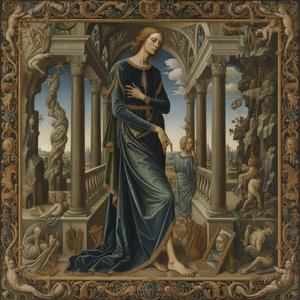
Mannerism Explained: The Dramatic Evolution of Renaissance Art and the Rise of El Greco
Explore the dramatic evolution of Mannerism from High Renaissance perfection to El Greco's spiritual intensity. Discover the history, techniques, and enduring legacy of this transformative era through an expert art-history lens.
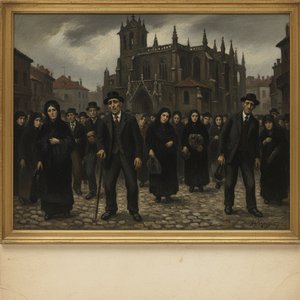
José Gutiérrez Solana: A Chronicle of Spanish Society Through Expressionist Vision
Explore the captivating world of José Gutiérrez Solana, a pivotal Spanish Expressionist painter. Discover his haunting depictions of early 20th-century Spain, influenced by Goya & El Greco. Learn about his key works and lasting legacy.

El Greco: 25 Arcydzieł Genialnego Malarza – Kolekcja dla Koneserów Sztuki i Wystroju Domu
Odkryj 25 arcydzieł El Greco – mistrza renesansu i manieryzmu. Poznaj historie, techniki i duchowość w jego obrazach. Reprodukcje najwyższej jakości na OriginalUniqueArt.com. Inspiracje do wnętrz i kolekcja sztuki online!
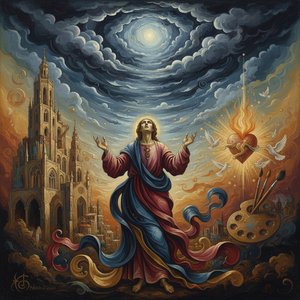
El Greco: Spirituality, Style & Innovation – A Renaissance Master's Legacy
Explore the captivating world of El Greco! Discover his unique style, spiritual intensity, and lasting impact on art history. Learn about this Renaissance master's life, iconic paintings & legacy.

25 Arcydzieł Prado: Historia Sztuki i Inspiracje do Twojego Domu | OriginalUniqueArt
Odkryj 25 arcydzieł Museo del Prado! Poznaj historię Velázquez, Goyi i El Greco. Inspiracje wnętrzarskie z klasycznymi obrazami baroku i renesansu. Reprodukcje najwyższej jakości na OriginalUniqueArt.com – sztuka dla Twojego domu.


