Rozmiar tekstu

() ·

Obraz stworzony dla Ciebie, własnoręcznie

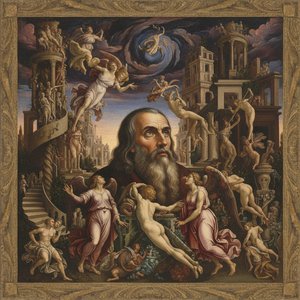
St Jerome as a Scholar (detail)

Ręcznie malowana reprodukcja olejowa

Ręcznie malowany obraz olejny na płótnie, wykonany na zamówienie przez naszych artystów w wybranym przez Ciebie wymiarze i oprawie. ( Przełącz na wydania drukowane Przejdź do wersji cyfrowej)

Opis obiektu

Biografia artysty

El Greco: Świąteczny obraz św. Franciszka przyjmującego stigmata. Dramatyczna scena wiary i cierpienia, mistyczne piękno i głębokie emocje. Odkryj dzieło geniusza!

od ·

Rozdział 1

Jak duży powinien być ten format?

Przesuń suwak, aby zmienić rozmiar; obraz po lewej stronie przedstawia ramę w jej rzeczywistej szerokości. Zachowano proporcje oryginału.

Standardowy format
personalizowane
CM
INCH

Wybierz spośród naszych standardowych rozmiarów, które zachowują oryginalne proporcje dzieła sztuki.

szerokość
wysokość

Wpisz wymaganą szerokość i wysokość, aby obraz pasował do Twojej ramy lub ściany. Ponieważ jest to dzieło malowane ręcznie, w przypadku rozmiaru o innych proporcjach artysta może domalować nieco więcej wokół obrazu lub przyciąć jego fragmenty — wybór należy do Ciebie. Przed rozpoczęciem pracy prześlemy Ci cyfrową wizualizację do zatwierdzenia. Obraz widoczny na tej stronie nie przedstawia rzeczywistego efektu — jedynie wizualizacja oddaje realny rezultat.

Rozdział 2

W jaki sposób ma zostać dostarczone?

Wybierz krawędzie płótna naciągniętego na ramę

Wybierz ramę

Corner sample of the WhiteWrap canvas edge finish, stretched on lite drewno bars
Białe krawędzie zł1
Corner sample of the BlurSideWrap canvas edge finish, stretched on lite drewno bars
rozmyte krawędzie zł1
Corner sample of the ExtendedWrap canvas edge finish, stretched on lite drewno bars
Przedłużony zł1
Corner sample of the P118B picture frame: polistyren formowany, 5 cm wide and 3 cm thick
P118B zł10
Corner sample of the P118H picture frame: polistyren formowany, 5 cm wide and 3 cm thick
P118H zł10
Corner sample of the P118W picture frame: polistyren formowany, 5 cm wide and 3 cm thick
P118W zł10
Corner sample of the P438Z picture frame: polistyren formowany, 5.5 cm wide and 3.5 cm thick
P438Z zł10
Corner sample of the P508JH picture frame: polistyren formowany, 7 cm wide and 3.5 cm thick
P508JH zł12
Corner sample of the P508YH picture frame: polistyren formowany, 7 cm wide and 3.5 cm thick
P508YH zł12
Corner sample of the P805H picture frame: polistyren formowany, 5 cm wide and 3.5 cm thick
P805H zł10
Corner sample of the P805Z picture frame: polistyren formowany, 5 cm wide and 3.5 cm thick
P805Z zł10
Corner sample of the P919BZ picture frame: polistyren formowany, 7 cm wide and 3.5 cm thick
P919BZ zł10
Corner sample of the P919G picture frame: polistyren formowany, 7 cm wide and 3.5 cm thick
P919G zł10
Corner sample of the P919XJ picture frame: polistyren formowany, 7 cm wide and 3.5 cm thick
P919XJ zł10
Corner sample of the P959ZH picture frame: polistyren formowany, 5 cm wide and 3 cm thick
P959ZH zł10
Corner sample of the P968JZ picture frame: polistyren formowany, 6 cm wide and 4 cm thick
P968JZ zł12
Corner sample of the W106C picture frame: lite drewno, 5 cm wide and 3 cm thick
W106C zł8
Corner sample of the W218G picture frame: lite drewno, 5 cm wide and 3 cm thick
W218G zł10
Corner sample of the W218JH picture frame: lite drewno, 5 cm wide and 3 cm thick
W218JH zł8
Corner sample of the W218Y picture frame: lite drewno, 5 cm wide and 3 cm thick
W218Y zł10
Corner sample of the W307PJ picture frame: lite drewno, 6 cm wide and 3 cm thick
W307PJ zł10
Corner sample of the W316G picture frame: lite drewno, 6 cm wide and 3 cm thick
W316G zł10
Corner sample of the W316PJ picture frame: lite drewno, 6 cm wide and 3 cm thick
W316PJ zł8
Corner sample of the W316Y picture frame: lite drewno, 6 cm wide and 3 cm thick
W316Y zł10
Corner sample of the W398PJ picture frame: lite drewno, 5 cm wide and 3 cm thick
W398PJ zł8
Corner sample of the W4111J picture frame: lite drewno, 6.5 cm wide and 3.5 cm thick
W4111J zł10
Corner sample of the W500HY picture frame: lite drewno, 7 cm wide and 5 cm thick
W500HY zł15
Corner sample of the W500JH picture frame: lite drewno, 7 cm wide and 5 cm thick
W500JH zł15
Corner sample of the W692G picture frame: lite drewno, 8 cm wide and 4 cm thick
W692G zł12
Corner sample of the W849H picture frame: lite drewno, 5 cm wide and 3 cm thick
W849H zł8
Corner sample of the W940BG picture frame: lite drewno, 7.5 cm wide and 4.5 cm thick
W940BG zł15
Corner sample of the W953PJ picture frame: lite drewno, 6 cm wide and 3.5 cm thick
W953PJ zł8
Corner sample of the H24-GOLD picture frame: rzeźbione drewno pokryte gipsem, 10 cm wide and 6 cm thick
H24-GOLD zł30
Corner sample of the H24-SILVER picture frame: rzeźbione drewno pokryte gipsem, 10 cm wide and 6 cm thick
H24-SILVER zł30
Corner sample of the H36-GOLD picture frame: rzeźbione drewno pokryte gipsem, 15 cm wide and 6.5 cm thick
H36-GOLD zł45
Corner sample of the H36-SILVER picture frame: rzeźbione drewno pokryte gipsem, 15 cm wide and 6.5 cm thick
H36-SILVER zł45

Profil: . Wymiar całkowity w ramie: .

Rozdział 3

Kto go maluje i czy coś powinno ulec zmianie?

Przykłady możliwych zmian: Zastąpienie twarzy zdjęciem klienta; Dodanie zwierzęcia (np. zamiana kota na psa); Ukrycie wiadomości w tle; Zmiana krajobrazu lub elementów tła.
Po złożeniu zamówienia zespół OriginalUniqueArt.com skontaktuje się z klientem drogą mailową w celu uzyskania instrukcji i prześle podgląd projektu

Dostawa na całym świecie () w ciągu 3–4 tygodni zamiast standardowych 5 tygodni. (7 Listopad). Bez kompromisów w kwestii jakości.

Rozdział 4

Ostatnie szlify

Tabliczka informacyjna, jak w muzeum?

Szczegóły grawerowanej brązowej tabliczki

This elegant plaque features the artist's name and the title of the artwork, finely engraved for a timeless presentation.

It is made from bronze with a refined, elegant finish. The text is precisely laser-engraved for a sharp and permanent result. Measuring 9x2 cm, the plaque is compact yet easy to read. It's built to be durable and scratch-resistant, offering a professional, museum-quality look. Mounting is simple thanks to the included adhesive backing.

Szczegóły przezroczystej tabliczki akrylowej

The plaque includes essential engraved details such as the artist's name, the title of the artwork, the date it was created, the type of media used-like oil on canvas or watercolor-a brief description of the piece, and a QR code that links to the complete artwork information.

It is crafted from clear acrylic, offering a sleek, modern appearance. The text is UV-engraved in black to ensure strong visual contrast. With a size of 10x15 cm, it ensures optimal readability. It comes equipped with two metal hooks for secure wall mounting. The plaque is designed to be weather-resistant, making it suitable for various environments, and it includes interactive features that work seamlessly with smartphone scanning.

Szczegóły czarnej tabliczki akrylowej

This elegant plaque includes engraved information such as the artist's name, the title of the artwork, the date it was created, the type of media used (like oil on canvas or watercolor), a short description of the artwork, and a QR code for quick access to more information.

The plaque itself is made from refined black acrylic with a premium finish. The text is laser-engraved in white for high contrast and readability. Its size is 10x15 cm, designed to be easy to read. It comes with two metal hooks for professional mounting. The design is sleek and fits any interior style. It is also weather-resistant and durable, with built-in digital integration for mobile compatibility.

Werniks ochronny?

Kiedy potrzebujesz dostawy?

Rozdział 5

Twoje dzieło, dokładnie tak, jak zamówiłeś

St Jerome as a Scholar (detail)

Technika reprodukcji

Wymiary reprodukcji

-

Wybitny mistrz artystyczny

Większa szczegółowość, finezja i dodatkowy czas na realizację

-

Opcje oprawy reprodukcji

-

-

W przypadku dzieł sztuki lub reprodukcji, których którykolwiek z boków przekracza 105 cm (około 41 cali), rama zostanie wysłana w formie zestawu do samodzielnego montażu. Metoda ta zapewnia bezpieczną dostawę i zapobiega uszkodzeniom podczas transportu.

Wymagany profesjonalny montaż – nie jest to produkt typu DIY.
Zestaw musi zostać złożony, a płótno naciągnięte przez doświadczonego profesjonalnego ramiarza, przy użyciu kleju do drewna (brak w zestawie), kleszczy do naciągania płótna oraz ścisków, które utrzymają krosna w równej pozycji podczas schnięcia kleju. Nieprawidłowy montaż lub nierównomierne napięcie płótna może trwale uszkodzić dzieło sztuki i nie podlega naszej gwarancji.

  • W zestawie znajdują się wszystkie listwy z litego drewna, precyzyjnie docięte do wymiarów.

  • Montaż odbywa się przy użyciu dołączonych wkrętów oraz kleju do drewna do łączenia narożników, którego zestaw nie zawiera i który musi zostać dostarczony przez ramiarza.

  • Wymagane są profesjonalne narzędzia, których nie ma w zestawie: kleszcze do naciągania płótna (napinacz) oraz zaciski, które pozwolą utrzymać listwy w równej pozycji podczas schnięcia kleju.

Ważne:
Do połączenia narożników niezbędny jest klej do drewna, listwy należy unieruchomić za pomocą ścisków do momentu całkowitego wyschnięcia kleju, a naciągnięcie płótna na złożoną ramę wymaga użycia kleszczy do naciągania płótna. Żaden z tych elementów nie jest dołączony do zestawu. Przed zamówieniem tego rozmiaru zalecamy konsultację z doświadczonym ramiarzem.

Etykieta obiektu

-

-

Lakier ochronny

Lakier z połyskiem (pogłębia kolory, chroni przed światłem i wilgocią)

-

Personalizacja dzieła

Przykłady możliwości personalizacji: zastąp twarz zdjęciem klienta; dodaj zwierzę domowe (np. zamień kota na psa); umieść ukrytą wiadomość w tle; zmień krajobraz lub elementy tła.

-

Ekspresowa

Dostawa na cały świat () w ciągu 3–4 tygodni zamiast standardowych 5 tygodni. (7 Listopad). Bez kompromisów w kwestii jakości.

-

Przesyłka ekspresowa

Dostawa na cały świat () w ciągu 5 tygodni. (14 Listopad).

W cenie

Cena całkowita

zł 1174

Suma całkowita zł 1174

Opcja ze szkłem jest dostępna wyłącznie w rozmiarach poniżej 110 cm

W każdym zamówieniu

  • Bezpłatna ekspresowa wysyłka na cały świat
  • Wysokiej jakości płótno lniane
  • Pełne ubezpieczenie przesyłki
  • Gwarancja zwrotu należności celnych i podatków importowych
  • Gwarancja wiernego odwzorowania kolorów
  • 100-dniowa polityka zwrotów (tylko w przypadku wad)
  • Gwarancja 100% zwrotu pieniędzy
  • Zniżka przy zakupie wielu sztuk

A Vision of Scholastic Piety: El Greco’s St Jerome as Scholar

Doménikos Theotokópoulos, universally known as El Greco – “the Greek” – stands apart from his contemporaries not merely as a painter but as an artist who wrestled with the very essence of faith and artistic expression. Born in Crete in 1541, under Venetian dominion, his journey through Venice and Rome ultimately solidified his legacy in Spain’s spiritual heartland: Toledo. El Greco didn't simply absorb influences from these cities; he transmuted them into a singular style that foreshadowed the emotive fervor of Expressionism and the fragmented forms of Cubism centuries ahead of their time. His formative years within the Byzantine tradition instilled in him an unwavering dedication to meticulous detail and a profound understanding of religious iconography—a foundation that wouldn’t confine his ambition. He signed his canvases with “Krḗs,” Cretan, asserting his origins with pride as he ventured into uncharted artistic territory. This distinctive style emerged from a crucible of intellectual curiosity and spiritual fervor, reflecting the anxieties and aspirations of his era.
  • Subject Matter: The painting depicts Saint Jerome, revered as the patron saint of scholars and translators, engaged in contemplative study. His posture exudes solemnity and introspection, embodying the ascetic ideals prevalent during the Renaissance.
  • Style: El Greco’s style is instantly recognizable—characterized by elongated figures, dramatic lighting, and a flattened perspective that prioritizes emotional impact over realistic representation. This stylistic choice aligns perfectly with the Baroque tradition's penchant for conveying spiritual fervor through heightened visual drama.
  • Technique: Executed in oil paint on canvas, El Greco employed a technique known as “tenebrismo,” utilizing stark contrasts between light and dark to heighten the sense of mystery and emphasize key elements within the composition. This masterful manipulation of chiaroscuro contributes significantly to the painting’s expressive power.
The artwork's historical context is inextricably linked to the Counter-Reformation, a period marked by fervent Catholic piety and artistic patronage aimed at reaffirming faith amidst challenges posed by Protestantism. Toledo, a bastion of Catholicism, served as an ideal setting for El Greco’s artistic endeavors, fostering an environment receptive to emotionally charged religious imagery. The painting reflects the humanist preoccupation with moral contemplation and intellectual pursuit—values championed by Renaissance thinkers like Erasmus and Pico della Mirandola. Symbolism: Jerome's gaze directs towards the viewer, symbolizing divine judgment and inviting reflection on one’s spiritual state. The scroll he holds represents sacred scripture, signifying knowledge and enlightenment – central tenets of Christian faith. Furthermore, the muted color palette reinforces the painting’s solemn atmosphere, emphasizing piety and devotion. Emotional Impact: El Greco's St Jerome as Scholar transcends mere depiction; it aspires to evoke profound emotion—a palpable sense of melancholy mingled with unwavering conviction. The artist skillfully captures the inner turmoil inherent in spiritual contemplation, resonating powerfully with viewers who grapple with questions of faith and morality. It’s a testament to El Greco’s ability to translate theological concepts into visceral visual experience.
  • Recommended Reproduction: For discerning collectors and interior designers seeking an authentic representation of this masterpiece, OriginalUniqueArt.com offers meticulously crafted reproductions utilizing archival pigments on premium canvas—preserving the painting's original luminosity and textural nuances for generations to come.

Pytania i odpowiedzi

Czy można pobrać obraz "St Jerome as a Scholar (detail)"?

Możliwość pobrania dzieła „St Jerome as a Scholar (detail)”: strona Pobierz plik cyfrowy oferuje wysokiej rozdzielczości cyfrowe zdjęcie do pobrania.

Jak mogę odkryć dzieła podobne do „St Jerome as a Scholar (detail)” – El Greco?

Dzieła podobne do „St Jerome as a Scholar (detail)” można znaleźć na stronie Podobne dzieła danego dzieła.

Jaki rozmiar i orientacja są zalecane dla wydruku dzieła „St Jerome as a Scholar (detail)” – El Greco?

Zalecany rozmiar wydruku dzieła „St Jerome as a Scholar (detail)” – El Greco to Large w orientacji Portrait.

Więcej o tym obrazie

Podgląd w skali 1:1 Podgląd AR Przełącz na wydania drukowane Przejdź do wersji cyfrowej Wyślij jako kartkę
Szczegóły dzieła Przewodnik Dodaj do ulubionych Pobierz obraz Podobne obiekty RTG Pokaz slajdów Pytania i odpowiedzi Statystyki

W liczbach

  • 1600rok powstania dzieła
  • 29dostępne ramy do wyboru
  • standardowe formaty, w ich własnych proporcjach
  • 5tygodni na namalowanie i dostarczenie dzieła
El Greco

El Greco

1541 - 1614, Grecja

Krótkie informacje o El Greco

  • Artistic Movement Or Style: Mannerism Baroque
  • Artists Or Movements Influenced By This Artist: ['Expressionism Cubism']
  • Artists Who Influenced This Artist: ['Titian Tintoretto']
  • Date Of Birth: 1541 Cret
  • Date Of Death: 1614 Toledo
  • Full Name: Doménikos Theotokópoulos
  • Nationality: Greek-Spanish
  • Notable Artworks:
    • Burial Count Orgaz
    • View Toledo
    • El Espolio
    • St Sebastian
  • Place Of Birth: Crete Greece

Biografia artysty

Doménikos Theotokópoulos – El Greco: A Life Forged in Faith and Fire

Doménikos Theotokópoulos, universally known as El Greco – “the Greek” – stands apart from his contemporaries as a painter whose artistic journey transcended conventional boundaries. Born in Crete, Greece (1541), under Venetian rule, his life was marked by both intellectual curiosity and unwavering devotion to Orthodox Christianity—a duality that profoundly shaped his distinctive style and enduring legacy. He wasn’t merely responding to the artistic currents of his time; he actively wrestled with them, synthesizing Byzantine traditions with Renaissance innovations into a visual language utterly his own. This singular vision anticipated the expressive fervor of Expressionism and the fragmented perspectives of Cubism centuries later, cementing his place as a pivotal figure in European art history.

Early Training and Venetian Influences

El Greco’s formative years were spent honing his skills within the Byzantine artistic milieu—a tradition characterized by meticulous detail, symbolic representation, and profound spiritual contemplation. He studied under Antonios Pizzorno, a Venetian artist who instilled in him a disciplined approach to technique and an appreciation for classical ideals. Recognizing the dynamism of Venetian painting – particularly the works of Titian, Tintoretto, and Veronese – El Greco embarked on a transformative voyage to Venice around 1567. This immersion proved decisive; he absorbed their mastery of color, composition, and dramatic lighting, fundamentally altering his artistic sensibilities. He moved away from the rigid conventions of Mannerism, embracing looser brushwork and experimenting with oil paints—a medium that allowed him to achieve unprecedented levels of luminosity and expressive power. *St. Sebastian* (1600), painted during this Venetian period, exemplifies this stylistic shift beautifully. Anatomical accuracy blends seamlessly with theatrical lighting, conveying a palpable sense of pathos and spiritual torment – a hallmark of El Greco’s oeuvre.

Toledo: The Crucible of Spiritual Expression

Around 1577, El Greco relocated to Toledo, Spain—a city steeped in religious fervor during the Counter-Reformation. This move proved crucial for solidifying his artistic identity and unlocking his creative potential. Toledo offered a fertile environment for artists seeking patronage from devout Catholic institutions, fostering an atmosphere conducive to exploring themes of faith, suffering, and divine grace. It was here that El Greco produced many of his most iconic paintings—works imbued with an unparalleled intensity of emotion and spiritual conviction. The Museo de Arte Público de Toledo houses numerous masterpieces by El Greco, including *The Burial of the Count of Orgaz*, arguably his magnum opus. This monumental painting depicts a miraculous event – the descent of saints to bury a nobleman – employing a masterful blend of realism and stylized figures to convey a profound meditation on mortality and redemption. The elongated forms of the saints—a stylistic characteristic that would become synonymous with El Greco’s name—are not merely decorative; they represent an attempt to transcend earthly limitations and capture the sublime beauty of divine presence.

A Style Defined by Distortion and Emotion

El Greco's artistic style is instantly recognizable – and profoundly unsettling for those accustomed to more conventional representations of religious subjects. His figures are often dramatically elongated, their bodies twisted into poses that convey a sense of spiritual ecstasy or agonizing torment. This isn’t mere stylistic indulgence; it’s an intentional distortion designed to communicate the intangible realities of faith—the experience of encountering God beyond the confines of rational thought. He achieved this effect through masterful manipulation of color – employing vibrant hues that defied naturalistic conventions—and dramatic lighting—creating stark contrasts between light and shadow that heighten the emotional impact of his canvases. The use of chiaroscuro, a technique perfected by Caravaggio, further intensified the theatrical quality of El Greco’s paintings, drawing viewers into the heart of the depicted drama.

Legacy and Influence

Despite facing considerable challenges during his lifetime—limited recognition in Rome and sporadic commissions—El Greco's artistic vision endured beyond his death in 1614. His distinctive style captivated artists like Picasso and Braque who recognized him as a precursor to modern art, particularly Cubism, admiring his fragmented forms and unconventional perspectives. El Greco’s influence extended far beyond the immediate stylistic realm; he inspired generations of painters to explore themes of spirituality and emotion with uncompromising honesty—a legacy that continues to resonate powerfully in contemporary artistic discourse. He remains an artist whose work compels us to confront fundamental questions about human experience, faith, and the sublime beauty of transcendence—a testament to his enduring power as a visionary innovator who dared to reimagine the visual language of religion.

Najważniejsze informacje

  • Location: Private Collection
  • Artist: El Greco
  • Title: St Jerome as Scholar
  • Influences: Byzantine art"; "Italian Renaissance
  • Movement: Spanish Mannerism

Quiz o sztuce

Do każdego pytania dotyczy tylko jedna poprawna odpowiedź.

Pytanie 1:
What is El Greco known for?
Pytanie 2:
Where was El Greco primarily active during his artistic career?
Pytanie 3:
The image description mentions multiple figures in the painting. What is their relative importance compared to the central figure?
Pytanie 4:
What artistic tradition heavily influenced El Greco's early training?
Pytanie 5:
The painting’s style is considered to anticipate movements like Expressionism and Cubism. What does this suggest about El Greco's artistic vision?