 Podgląd w skali 1:1
 Wyślij jako kartkę
 Udostępnij
 Szczegóły dzieła
 Przewodnik

 Pobierz obraz
 Podobne obiekty
 RTG
RTG Pokaz slajdów
 Pytania i odpowiedzi
 Statystyki
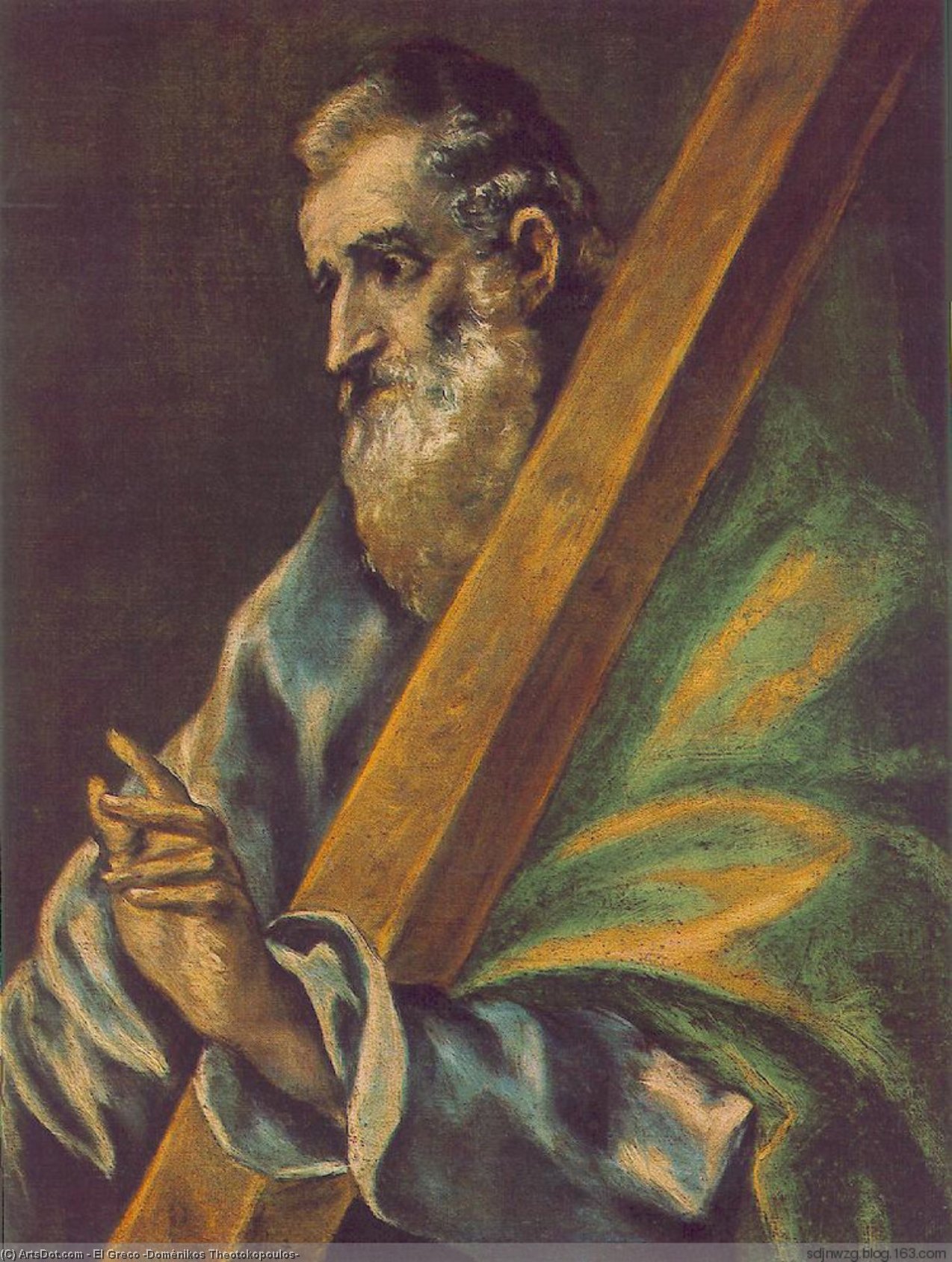
Apostle St Andrew

- 70.0 x 53.0 cm


 Rozwiń treść
Giclée / Wydruk artystyczny
Wydruki giclée lub płótna o jakości muzealnej, szybka realizacja i szeroki wybór opcji wykończenia. ( Zamów ręcznie malowaną reprodukcję Przejdź do wersji cyfrowej)




P118B zł10

P118H zł10

P118W zł10

P438Z zł10

P508JH zł12

P508YH zł12

P805H zł10

P805Z zł10

P919BZ zł10

P919G zł10

P919XJ zł10

P959ZH zł10

P968JZ zł12

W106C zł8

W218G zł10

W218JH zł8

W218Y zł10

W307PJ zł10

W316G zł10

W316PJ zł8

W316Y zł10

W398PJ zł8

W4111J zł10

W500HY zł15

W500JH zł15

W692G zł12

W849H zł8

W940BG zł15

W953PJ zł8




Wybierz spośród naszych standardowych rozmiarów, które zachowują oryginalne proporcje dzieła sztuki.

Wpisz wymaganą szerokość i wysokość, aby dopasować grafikę do ramy lub ściany. Wydruk można jedynie przyciąć, nigdy nie powiększając go poza oryginalny obraz, dlatego format o innych proporcjach spowoduje utratę części kompozycji. Przed rozpoczęciem druku prześlemy Ci cyfrowy podgląd do zatwierdzenia. Obraz wyświetlany na tej stronie nie pokazuje rzeczywistego przycięcia — jedynie podgląd oddaje ten efekt.
Dostawa na cały świat () w ciągu 2 tygodni zamiast standardowych 4/5 tygodni. (10 Listopad)

Bezpłatna ekspresowa wysyłka na cały świat

Wysokiej jakości płótno lniane

Pełne ubezpieczenie przesyłki

Gwarancja zwrotu należności celnych i podatków importowych

Gwarancja wiernego odwzorowania kolorów

100-dniowa polityka zwrotów (tylko w przypadku wad)

Gwarancja 100% zwrotu pieniędzy

Zniżka przy zakupie wielu sztuk
 Opcja ze szkłem jest dostępna wyłącznie w rozmiarach poniżej 110 cm

Apostle St Andrew
Giclée / Wydruk artystyczny
Wymiary reprodukcji
-


Cena całkowita
zł 317
A Deep Dive into El Greco’s “Apostle St Andrew”
Doménikos Theotokópoulos, universally known as El Greco – “the Greek” – stands apart from his contemporaries as a painter whose artistic vision transcended conventional boundaries. Born in Crete in 1541, under Venetian dominion, his journey through Venice and Rome ultimately solidified his indelible mark on the artistic landscape of Spain: Toledo became his spiritual home and the crucible for his revolutionary style. El Greco wasn’t merely absorbing influences; he masterfully synthesized them—Byzantine solemnity blended seamlessly with Western Renaissance dynamism—resulting in an aesthetic that foreshadowed movements like Expressionism and Cubism centuries ahead of their time. His formative years within the Byzantine tradition instilled a meticulous attention to detail and a profound understanding of religious iconography, shaping his approach to portraying sacred subjects. Yet, he refused to be confined by dogma, actively pursuing new artistic horizons. He signed his canvases in Greek – “Krḗs” – proudly asserting his Cretan heritage while simultaneously embracing the stylistic currents circulating throughout Europe. The genesis of El Greco’s distinctive style can be traced back to a pivotal moment: witnessing the devastation wrought by the Lisbon earthquake of 1755, which profoundly impacted him emotionally and spurred him to experiment with innovative compositional strategies.The Artist's Singular Style: Long Lines and Vibrant Color
El Greco’s artistic signature is instantly recognizable—characterized by elongated figures rendered in luminous hues against backgrounds imbued with a palpable sense of mysticism. “Apostle St Andrew” exemplifies this approach perfectly. The artist employs dramatic foreshortening, elongating the saint’s body to convey spiritual intensity and conveying an ethereal quality rarely achieved during his era. His palette explodes with rich blues and golds—a deliberate choice reflecting Venetian artistic traditions but infused with a uniquely El Greco sensibility. These colors aren't merely decorative; they serve as conduits for emotion, amplifying the solemn grandeur of the scene. The artist’s technique is equally noteworthy: he utilizes impasto – thick brushstrokes – to sculpt texture onto the canvas surface, creating palpable depth and enhancing the visual impact of the composition. This textural richness contributes significantly to the painting's expressive power.Symbolism Embodied in Light and Gesture
The central element—the cross held by St. Andrew—is laden with symbolic significance. It represents his martyrdom and underscores his unwavering faith, mirroring the broader Christian narrative of sacrifice and redemption. The saint’s gaze is directed upwards, conveying humility and reverence – a gesture that speaks to the spiritual core of Byzantine art. Furthermore, the drapery surrounding St. Andrew is rendered with meticulous detail, capturing folds and creases that convey movement and dynamism—a stylistic departure from more static depictions prevalent in earlier periods. The subtle interplay of light and shadow further enhances the painting’s dramatic atmosphere, guiding the viewer's eye toward the focal point and amplifying the saint’s solemn presence.Historical Context: Venetian Influence Meets Andalusian Spirit
El Greco’s artistic trajectory was shaped by the cultural currents of his time—particularly the influence of Venice, where he honed his skills during a formative period. However, he wasn't merely imitating Venetian aesthetics; he transformed them into something wholly original, reflecting the spiritual fervor of Andalusia and forging an artistic identity that resonated across Europe. His work stands as testament to the enduring power of tradition blended with innovation—a legacy that continues to inspire artists today. To appreciate El Greco’s genius fully, a visit to The Museum Szépmûvészeti Múzeum (Budapest, Hungary) offers invaluable insight into his oeuvre and its broader artistic context.Pytania i odpowiedzi
W jaki sposób nurt i epoka przenikają się w „Apostle St Andrew” – El Greco?
"Apostle St Andrew" należy do nurtu Baroque, a jego twórca tworzył w epoce Renesans.
Czy dzieło "Apostle St Andrew" znajduje się w domenie publicznej?
„Apostle St Andrew” – El Greco znajduje się w domenie publicznej (należy do domeny publicznej – autorskie prawa majątkowe wygasły). Status ten określa zasady reprodukcji obrazu tego dzieła.
Do czego zaleca się wykorzystanie wydruku "Apostle St Andrew"?
Sugerowanym zastosowaniem dla „Apostle St Andrew” – El Greco jest Accent, choć może on służyć również do innych celów.
Biografia artysty
Kreteńskie fundamenty
Doménikos Theotokópoulos, znany historii jako El Greco, przyszedł na świat w 1541 roku na wyspie Kreta. W tamtym czasie wyspa znajdowała się pod panowaniem weneckim, co w późniejszych latach pozwoliło mu zbudować most między tradycją Wschodu a Zachodu. Szkolił się jako malarz ikon w tradycji bizantyjskiej – dyscyplinie wymagającej niezwykłej uwagi do detalu oraz skupienia na duchowej esencji tematu, a nie tylko na jego fizycznym podobieństwie. To wczesne zanurzenie w szkole kreteńskiej zaszczepiło w nim poczucie symbolicznej precyzji, które pozostało stałym elementem jego twórczości, nawet gdy jego styl przechodził radykalne transformacje.
W wieku dwudziestu sześciu lat udał się do Wenecji, pragnąc poszerzyć swoje zrozumienie świata natury. W Republice Weneckiej zetknął się z dziełami Tycjana i Tintoretta, chłonąc ich mistrzostwo w operowaniu kolorem oraz wykorzystaniu światła do definiowania formy. Nauczył się odchodzić od sztywnych linii swojej młodości na rzecz bardziej płynnego pociągnięcia pędzla i dynamizmu. Ten okres nie był odrzuceniem korzeni, lecz ich rozszerzeniem, gdyż zaczął łączyć zdyscyplinowaną ikonografię swojego greckiego dziedzictwa z atmosferyczną zmysłowością włoskiego renesansu.
Toledańska transformacja
Po pobycie w Rzymie, gdzie zetknął się z wydłużonymi formami i wyrafinowaną kompozycją manieryzmu, El Greco osiadł w Toledo w Hiszpanii w 1577 roku. Ten ruch okazał się decydujący. Toledo było wówczas centrum intensywnego żarliwego religijnego uniesienia w dobie kontrreformacji, oferując krajobraz idealnie współgrający z jego coraz bardziej mistyczną wizją. To właśnie tutaj jego styl osiągnął swoją najbardziej charakterystyczną fazę, cechującą się postaciami zdającymi się być rozciągniętymi i wykręconymi, jakby pociąganymi przez niewidzialną, duchową siłę. Kolor służył mu nie do naśladowania rzeczywistości, lecz do potęgowania emocjonalnego uderzenia, często wykorzystując nienaturalne barwy do przedstawiania sfery boskiej.
Jego twórczość w Hiszpanii naznaczona była napięciem między tym, co ziemskie, a tym, co eteryczne. W dziele Pogrzeb hrabiego Orgaz (1586-1588) zestawili ze sobą realistyczny portret postaci współczesnych z wydłużonymi, niebiańskimi formami, tworząc wizualny pomost między śmiertelnością a boskością. Umiejętność manipulowania światłem i cieniem pozwoliła mu wykreować dramaturgię, która wydawała się jednocześnie teatralna i głęboko osobista. Nie malował on jedynie scen; próbował oddać emocjonalne i duchowe realia istniejące poza powierzchnią fizycznego świata.
Dziedzictwo formy i światła
Późniejsze lata życia przyniosły zwrot ku jeszcze większej abstrakcji i mistycyzmowi. Kompozycje stawały się bardziej złożone, a postacie coraz bardziej zniekształcone, co odzwierciedlało narastający dystans wobec konwencjonalnych norm artystycznych. Choć odniósł sukces i otrzymywał znaczące zlecenia od kościołów i klasztorów w Toledo, jego wpływ nie został natychmiast odczuty przez szeroki świat sztuki po jego śmierci w 1614 roku. Przez długi czas postrzegano go jako ekscentryka, a jego twórczość była w dużej mierze pomijana przez główny nurt historii sztuki.
Dopiero w XX wieku jego znaczenie zostało w pełni uznane. Moderniści odnaleźli w jego pracach zapowiedź ekspresyjnych i fragmentarycznych stylów przyszłości. Jego zdolność do deformowania proporcji i stosowania odważnego, emocjonalnego koloru rezonowała z tymi, którzy pragnęli wyrazić wewnętrzne stany psychiczne. Dziś jego obrazy traktowane są jako okna do ludzkiej duszy, celebrowane za unikalną zdolność do uchwycenia intensywności wiary i walki o transcendencję.
Do najważniejszych dzieł należą:

El Greco
1541 - 1614 , Grecja
Krótka nota
- Artistic Movement Or Style: Mannerism Baroque
- Artists Or Movements Influenced By This Artist: ['Expressionism Cubism']
- Artists Who Influenced This Artist: ['Titian Tintoretto']
- Date Of Birth: 1541 Cret
- Date Of Death: 1614 Toledo
- Full Name: Doménikos Theotokópoulos
- Nationality: Greek-Spanish
- Notable Artworks:
- Burial Count Orgaz
- View Toledo
- El Espolio
- St Sebastian
- Place Of Birth: Crete Greece
Powiązane artykuły

Dramatyczny Rozkwit Baroku: Dziedzictwo Sztuki Kontrreformacji i Mistrzowie Chiaroscuro
Odkryj dramatyczny świat baroku! Poznaj historię sztuki kontrreformacji, mistrzów chiaroscuro i weneckich arcydzieł. Reprodukcje najwyższej jakości na OriginalUniqueArt.com.
El Greco: Spirituality, Style & Innovation – A Renaissance Master's Legacy
Explore the captivating world of El Greco! Discover his unique style, spiritual intensity, and lasting impact on art history. Learn about this Renaissance master's life, iconic paintings & legacy.
Złoty Wiek Odnowiony: Dramatyczny Realizm i Duchowny Zapał w Sztuce Hiszpańskiego Baroku
Poznaj fascynujący świat baroku hiszpańskiego! Analiza dramatycznego realizmu Velázqueza, Zurbarána i Ribery oraz wpływu kontrreformacji na sztukę. Ekspercka wiedza dla kolekcjonerów i miłośników historii malarstwa.

El Greco: 25 Arcydzieł Genialnego Malarza – Kolekcja dla Koneserów Sztuki i Wystroju Domu
Odkryj 25 arcydzieł El Greco – mistrza renesansu i manieryzmu. Poznaj historie, techniki i duchowość w jego obrazach. Reprodukcje najwyższej jakości na OriginalUniqueArt.com. Inspiracje do wnętrz i kolekcja sztuki online!

Barokowe arcydzieła: 10 obrazów, które zdefiniowały epokę | OriginalUniqueArt.com
Odkryj 10 arcydzieł baroku! Caravaggio, Rembrandt, Rubens i inni artyści, którzy zdefiniowali epokę. Poznaj historie, techniki i inspiracje tych niezwykłych obrazów. Reprodukcje najwyższej jakości na OriginalUniqueArt.com – idealne do Twojego wnętrza!


