Expressionist · 1911
Moa (Egon Schiele, 1911)
Egon Schiele (1890–1918) stworzył Moa. Dzieło pochodzi z 1911. Należy do nurtu Expressionist. Wykonano w technice Watercolor.
- 1911
- Watercolor

 Podgląd w skali 1:1

 Ręcznie malowany obraz olejny
 Wyślij jako kartkę
 Udostępnij
 Przewodnik


 Pobierz obraz
 Podobne obiekty
 RTG
 Pokaz slajdów
 Pytania i odpowiedzi

 Statystyki
Moa: najważniejsze informacje
- Tytuł
- Moa
- Artysta
- Egon Schiele (1890–1918)
- Miejsce urodzenia artysty
- Tulln an der Donau, Austria
- Data powstania
- 1911
- Technika wykonania
- Watercolor
- Ruch
- Expressionist
- Epoka
- Modern
- Temat
- dancer, fabric, contrast, red, blue, expressionism
Co przedstawia Moa?
Identification of Moa by Egon Schiele
The artwork titled Moa was created by the Austrian artist Egon Schiele in 1911. This work is a portrait of a specific individual known as Moa, who was a dancer and a friend of the artist. The subject is depicted within a composition that focuses on the figure of the dancer.
The subject, Moa, performed in cabarets alongside her dance partner, Erwin Osen. Both individuals were models for Schiele during the period between 1910 and 1911. In this specific piece, the dancer is shown enveloped in textiles that feature geometric patterns. The figure is rendered using a combination of pencil, watercolor, and opaque color on paper.
The Composition and Visual Elements
The composition centers on a female figure positioned with her arms crossed over her chest. She is enveloped in a blue dress characterized by an austere and geometrical design. These richly colored textiles completely conceal the majority of her body, though the garment's structure suggests she is naked underneath. The subject's face is framed by black hair, and her eyes are rendered with bold expression.
Color is applied with specific intent to the visible anatomy. The woman's body is painted in shades of red and blue. These hues contrast against the patterned drapery of the garment. The geometric abstraction of the textile design creates a sense of fragmentation across the figure. The arrangement of these elements focuses attention on the tension between the patterned clothing and the exposed skin of the face and limbs.
Technique and Artistic Materials
This work is categorized as a drawing executed on paper. The artist utilized a combination of pencil, watercolor, and opaque color to build the composition. The application of medium involves loose, gestural washes that create a sense of movement and mystery across the surface. These washes interact with the more controlled elements of the piece to establish depth and texture.
The technical execution relies on the interplay between the sharp, defined lines of the pencil and the fluid nature of the watercolor. The use of opaque color allows for specific areas of saturation that contrast with the lighter, more transparent sections of the paper. This layering of materials contributes to the structural complexity of the figure and the surrounding textiles.
Artistic Style and Movement
The work belongs to the Expressionist movement, a style defined by its focus on intense and emotive representation. This piece specifically demonstrates an Expressionist style through its use of bold lines and a focus on textiles. The composition utilizes these elements to establish a sense of movement and graphic tension. The subject is rendered with an emphasis on the physical form through these sharp, decisive contours.
The piece is also associated with a transition from Jugendstil into Modernism. This stylistic shift is visible in the way the artist moves away from the decorative, ornamental patterns of the Secessionist era. Instead of the gilded surfaces found in earlier works, this work employs geometric abstraction and flattened perspectives. The drapery features angular blocks of color and a structured, geometric design that contrasts with the more organic rendering of the figure's face.
The visual language of the work relies on a specific tension between different modes of representation. While the face is rendered with a degree of anatomical realism, the surrounding garment is treated with abstraction. This approach highlights the transition from the decorative traditions of the late 19th century toward the more raw, stripped-back aesthetics of early 20th-century Expressionism. The use of loose, gestural washes alongside sharp, angular geometries creates a rhythmic quality within the composition.
Where to See This Artwork Today
The original watercolor and pencil work titled Moa is held within the permanent collection of the Leopold Museum in Vienna, Austria. This institution maintains the physical preservation of the piece, which is identified by the inventory number LM 2310. The rights to the artwork belong to the Leopold Museum, Vienna.
Visitors seeking to observe this specific 1911 composition can find it on display at the museum's facilities in Vienna. The museum provides the necessary environment for the conservation of the paper and the pigments used in the work. The piece remains part of the museum's curated holdings.
Moa w wysokiej rozdzielczości

Domena publiczna: artysta zmarł w 1918.
Więcej rozmiarów, kadrowania i cytowań →Egon Schiele, Moa (1911). Domena publiczna
Ekspert ds. cyfrowych weryfikuje kolory względem oryginału i retuszuje plik, zachowując wierność pociągnięciom pędzla artysty.
Kup obraz w wysokiej rozdzielczościPytania o Moa
Jaki klimat wnosi „Moa” – Egon Schiele do wnętrza?
Dramatic atmosfera dzieła „Moa” – Egon Schiele idealnie współgra z polecaną przestrzenią: jest nią Hotel Lobby.
Ilu użytkowników ogląda "Moa"?
Strona Statystyki wyświetleń dzieła „Moa” – Egon Schiele przedstawia statystyki odwiedzin: miesięczną liczbę wyświetleń tego dzieła, porównanie z najczęściej oglądanymi pracami artysty oraz informacje o pochodzeniu odwiedzających.
Do jakiego pomieszczenia, biorąc pod uwagę kolorystykę, polecane jest dzieło „Moa” – Egon Schiele?
Kolorystyka Earthy w dziele „Moa” – Egon Schiele idealnie współgra z rekomendowanym wnętrzem: Hotel Lobby.
Co przedstawia "Moa" i jaką ma atmosferę?
„Moa” – Egon Schiele łączy w sobie dancer, fabric, contrast, red, blue, expressionism, portrait z Dramatic atmosferą.
Jakie miejsce w historii sztuki zajmuje "Moa"?
„Moa” – Egon Schiele należy do nurtu Expressionist, przypadającego na okres Modern. Razem nadają one dziełu jego miejsce w historii sztuki.
Ile światła zdają się odbijać kolory dzieła "Moa"?
Jasność zarejestrowana dla „Moa” – Egon Schiele wynosi Bright Balance.
Do którego etapu kariery Egon Schiele należy dzieło „Moa” (1911)?
"Moa", powstałe w 1911, należy do Mature Period w twórczości Egon Schiele.
Do czego sugerowane jest wykorzystanie „Moa” – Egon Schiele?
Reprodukcja dzieła „Moa” – Egon Schiele jest polecana do Accent. Sugestia ta wynika z tematyki, nastroju oraz kolorystyki pracy.
Czy dostępny jest przewodnik do dzieła „Moa” – Egon Schiele?
Przewodnik po "Moa" to strona Karta informacyjna dla uczniów dzieła sztuki – nadrukowalna karta informacyjna zawierająca opis utworu, informacje o autorstwie oraz tabelę danych (artysta, daty, technika, wymiary oryginału, kolekcja).
O artyście: Egon Schiele

1890–1918, Austria
Egon Schiele
Życie Egon Schiele Tulln w Dolnej Austrii stanowi tło dla początków życia, jakie prowadził Egon Schiele. Urodzony 12 czerwca 1890 roku, wkroczył w świat zdefiniowany przez sztywne struktury Imperium Austro-Węgierskiego. Jego ojciec, Adolf Schiele, zarządzał lokalną stacją jako dyrektor kolei austriackich. Matka, Marie, znana z panieńskiego nazwiska Soukup.
Inne prace Egon Schiele
 Porträt Wally1912
 Śmierć i Dziewczyna1915
 Samozorządcy II (Śmierć i Człowiek)1911
 Matka z dwoma dziećmi1917
Eseje o Moa
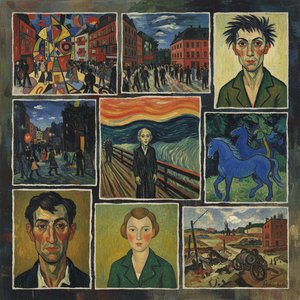 Ekspresjonizm w Obrazach: 10 Arcydzieł, Które Zdefiniowały Ruch | OriginalUniqueArtPoznaj 10 arcydzieł ekspresjonizmu! Odkryj historie Muncha, van Gogha i Kirchnera. Inspiracje wnętrzarskie z obrazami pełnymi emocji i kolo…
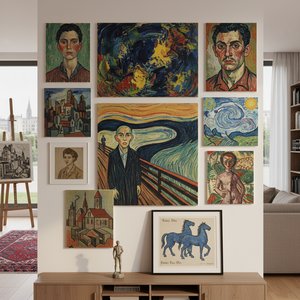 Ekspresjonizm: 10 Arcydzieł, Które Zdefiniowały Ruch – Obrazy i Dekoracje OriginalUniqueArt.comPoznaj 10 arcydzieł ekspresjonizmu! Odkryj historie Muncha, Kirchnera i innych artystów tego przełomowego ruchu. Reprodukcje obrazów najwyż…
 25 Masterpieces by Egon Schiele: The Raw Power of ExpressionismExplore 25 iconic Egon Schiele masterpieces of Expressionism. Discover the full collection online at OriginalUniqueArt.com.