Romanticism
The Bridge (Edwin Austin Abbey)
Edwin Austin Abbey (1852–1911) stworzył The Bridge. Należy do nurtu Romanticism. Wykonano w technice Oil On Canvas. Przechowywane jest w Museum of Fine Arts w Boston, Stany Zjednoczone Ameryki.
- Oil On Canvas
- Museum of Fine Arts, Boston

 Podgląd w skali 1:1

 Ręcznie malowany obraz olejny
 Wyślij jako kartkę
 Udostępnij
 Karta informacyjna


 Pobierz obraz
 Podobne obiekty
 RTG
 Pokaz slajdów
 Pytania i odpowiedzi

 Statystyki
The Bridge w skrócie
- Tytuł
- The Bridge
- Artysta
- Edwin Austin Abbey (1852–1911)
- Miejsce urodzenia artysty
- Filadelfia, Stany Zjednoczone
- Technika wykonania
- Oil On Canvas
- Gdzie można je zobaczyć
- Museum of Fine Arts, Boston, Stany Zjednoczone Ameryki
- Ruch
- Romanticism
- Epoka
- 19th Century
- Temat
- urban melancholy, jester figure, dusk cityscape, social commentary, isolation theme, late 19th century
Co przedstawia The Bridge?
Identification of The Bridge by Edwin Austin Abbey
The artwork titled The Bridge is an oil on canvas painting created by the artist Edwin Austin Abbey. This specific piece was produced in the United States in 1898. The work is currently held within the collection of the Museum of Fine Arts, Boston, under the accession number 2008.2.
Edwin Austin Abbey was born in Philadelphia, United States. His technical training took place at the Pennsylvania Academy of the Fine Arts. This painting, executed in oil, reflects the artist's established presence in the late nineteenth century. The medium of oil on canvas provides the physical foundation for the layers of color and visible brushstrokes that define the surface of the work.
Composition and Visual Elements of the Scene
The scene is set within an urban landscape at dusk. A jester sits upon a stone wall, positioned as a central figure while playing a violin. The composition relies on a series of diagonal lines established by the orientation of the wall and the placement of the surrounding figures, which direct the eye toward a distant cityscape. This arrangement creates a sense of movement through the architectural and human forms.
The color palette is composed of muted oranges, browns, and blues. These tones define the atmosphere of the twilight setting. Lighting is directed from a sunset, which casts long shadows across the scene and highlights the faces of the figures. The perspective is slightly distorted, which lends a dreamlike quality to the urban environment. The distant elements appear paler and less defined, utilizing atmospheric perspective to establish depth between the foreground figures and the background buildings.
Technical Details and Artistic Style
The work is an oil painting executed on canvas. The application of oil paints is characterized by a layering of colors and visible brushstrokes that define the forms of the figures and the surrounding architecture. These loose brushwork techniques contribute to the rendering of fabric and stone surfaces, which appear with a somewhat flattened style despite the evident texture. The artist utilizes a command of line and shadow to establish depth and form within the urban landscape.
The style of the piece reflects the influence of late 19th-century Romanticism with elements of Symbolism. This approach prioritizes emotional expression through the use of dramatic lighting and a specific color palette. Muted oranges, browns, and blues dominate the scene, working alongside the chiaroscuro effect to create a somber atmosphere. The lighting originates from a sunset, casting long shadows across the composition and highlighting the faces of the figures.
W którym muzeum znajduje się The Bridge?
Museum of Fine Arts
Boston, Stany Zjednoczone Ameryki
Dziedzictwo Museum of Fine Arts Museum of Fine Arts, położone w Bostonie w Stanach Zjednoczonych Ameryki, rozpoczęło swoją historię w 1870 roku w murach Boston Athenæum. To właśnie te skromne początki położyły fundament pod instytucję, która z czasem przeobraziła się w potężny ośrodek kultury, obecnie uznawany za 20. największe muzeum sztuki na świecie pod względem powierzchni wystawienniczej.


Zdjęcia w wysokiej rozdzielczości dzieła The Bridge

Domena publiczna: artysta zmarł w 1911.
Inne rozmiary, kadrowanie i cytowanie →
Edwin Austin Abbey, The Bridge, Museum of Fine Arts. Domena publiczna
Odpowiedzi na pytania dotyczące The Bridge
W którym muzeum znajduje się oryginał "The Bridge"?
„The Bridge” – Edwin Austin Abbey znajduje się w zbiorach Museum of Fine Arts, Boston, Stany Zjednoczone Ameryki. Informacja o muzeum dotyczy oryginału, a nie reprodukcji.
W jakiej technice wykonano „The Bridge” – Edwin Austin Abbey?
„The Bridge” wykonano w technice Oil On Canvas.
Co przedstawia „The Bridge” – Edwin Austin Abbey?
Tematyka dzieła "The Bridge" to urban melancholy, jester figure, dusk cityscape, social commentary, isolation theme, late 19th century, dramatic lighting.
Czy „The Bridge” – Edwin Austin Abbey znajduje się w domenie publicznej?
Status praw autorskich dla „The Bridge” – Edwin Austin Abbey: dzieło znajduje się w należy do domeny publicznej – autorskie prawa majątkowe wygasły. Określa to, czy reprodukcje obrazu mogą być sporządzane swobodnie.
Kto stworzył "The Bridge"?
Autorstwo dzieła "The Bridge" przypisuje się Edwin Austin Abbey.
Do jakiego nurtu należy "The Bridge"?
Nurt związany z „The Bridge” – Edwin Austin Abbey to Romanticism. Ta klasyfikacja sytuuje dzieło wśród pokrewnych artystów i dzieł sztuki.
Do którego etapu twórczości Edwin Austin Abbey należy dzieło „The Bridge”?
W dorobku artystycznym Edwin Austin Abbey dzieło „The Bridge” przypada na Mature Period. Ten etap pozwala zestawić je z innymi pracami twórcy.
Z czego wynika obecny status praw autorskich dzieła "The Bridge"?
Dzieło "The Bridge" autorstwa Edwin Austin Abbey znajduje się w należy do domeny publicznej – autorskie prawa majątkowe wygasły. Okres ochrony praw autorskich liczony jest od daty śmierci artysty, a Edwin Austin Abbey zmarł(a) w 1911.
Czy dzieło „The Bridge” – Edwin Austin Abbey znajduje się w kraju pochodzenia artysty?
Nie – dzieło znajduje się poza granicami kraju artysty. Edwin Austin Abbey urodził(a) się w Stany Zjednoczone, a oryginał dzieła „The Bridge” znajduje się w muzeum w Stany Zjednoczone Ameryki.
O artyście: Edwin Austin Abbey
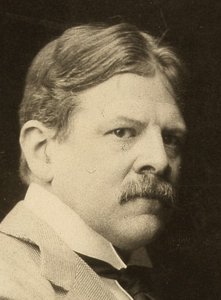
1852–1911, Stany Zjednoczone
Edwin Austin Abbey
Edwin Austin Abbey (1852–1911) – A Philadelphia Beginning and the Rise of a Golden Age Illustrator Edwin Austin Abbey, born in Philadelphia on April 1st, 1852, emerged as a pivotal figure during what is now celebrated as the “golden age” of illustration. His journey began with formal training at the Pennsylvania Academy of the Fine Arts under Christian Schussele, where he cultivated a strong technical foundation that would serve him throughout his prolific career. However, Abbey’s early ambitions weren't solely focused on traditional painting; he quickly gravitated towards the burgeoning world of magazine illustration. Before reaching twenty years of age, his work began appearing in prominent publications like *Harper’s Weekly*, immediately establishing him as a talent to watch.
O Edwin Austin Abbey Najważniejsze dzieła Edwin Austin Abbey
Inne prace Edwin Austin Abbey
 'Who Is Sylvia? What Is She, That All the Swains Commend Her?'1900
 King Henry IV, Part II: Sir John Falstaff with His Page (Act I, Scene ii)1905
 Amfortas Released by Galahad, study for The Quest of the Holy Grail murals, Boston Public Library1897
 The Quest for the Holy Grail - part XV - The Golden Tree
Eseje o The Bridge
 Beauty or Meaning? Distinguishing Aestheticism from SymbolismMaster the nuances between Aestheticism and Symbolism with our expert art history guide. Learn to decode the secrets of these movements now.
 19th century American paintersMasterpieces by Winslow Homer and Mary Cassatt define 19th century American art. Explore the full collection online at OriginalUniqueArt.co…
 Awe vs. Charm: Understanding the Sublime and the PicturesqueMaster the distinction between the Sublime and the Picturesque through Romantic era art. Explore the beauty of awe and charm today.