Art Deco · 1921
The Kid (Edward Steichen, 1921)
Edward Steichen (1900–1973) stworzył The Kid. Dzieło pochodzi z 1921. Należy do nurtu Art Deco. Wykonano w technice Akryl na płótnie. Przechowywane jest w Museum of the Moving Image w Astoria, Stany Zjednoczone Ameryki.
- 1921
- Akryl na płótnie
- Museum of the Moving Image, Astoria

 Podgląd w skali 1:1

 Ręcznie malowany obraz olejny
 Wyślij jako kartkę
 Udostępnij
 Karta informacyjna


 Pobierz obraz
 Podobne obiekty
 RTG
 Pokaz slajdów
 Pytania i odpowiedzi

 Statystyki
The Kid w skrócie
- Tytuł
- The Kid
- Artysta
- Edward Steichen (1900–1973)
- Miejsce urodzenia artysty
- Bivange, Luksemburg
- Data powstania
- 1921
- Technika wykonania
- Akryl na płótnie
- Gdzie można je zobaczyć
- Museum of the Moving Image, Astoria, Stany Zjednoczone Ameryki
- Ruch
- Art Deco
- Temat
- chaplin, film poster, silent cinema, edward steichen, vintage advertising, geometric design
Co przedstawia The Kid?
Edward Steichen’s “The Kid” (1921): A Snapshot of Silent Cinema Charm
Edward Steichen's "The Kid," produced in 1921 for the film starring Charles Chaplin and Jackie Coogan, stands as a quintessential example of Art Deco poster design—a bold declaration of cinematic excitement frozen in time. More than just an advertisement, it’s a meticulously crafted visual narrative that captures the spirit of its era.
Composition & Visual Elements: Geometric Precision Meets Rustic Texture
The image centers around Chaplin and Coogan against a monumental black background—a deliberate choice reflecting the theatrical grandeur of silent films. White text dominates, punctuated by stylized decorative elements reminiscent of Art Deco’s geometric obsession. A brick wall serves as an understated yet crucial backdrop, introducing textural contrast that grounds the scene in tangible reality.
- Lines: Typography and architectural details—the bricks—employ linear precision, emphasizing structure and order.
- Shapes: Rectangles define the poster’s frame and delineate the figures' poses; circles appear as decorative accents, adding visual harmony.
- Textures: The brick wall provides a rough surface that contrasts with the relatively flat printing style, enhancing depth and realism.
Lighting & Perspective: Capturing Movement Through Static Imagery
Artificial lighting—likely studio-based—highlights Chaplin’s attire and text, simulating the illumination of a film set. Perspective is simplified, prioritizing a frontal view of the subjects to maximize impact and convey immediacy. Despite its stillness, Steichen skillfully uses visual cues to evoke the dynamism inherent in cinematic storytelling.
Symbolism & Artistic Influences: Chaplin's Dignity Versus Innocence
"The Kid" embodies several symbolic layers. Chaplin represents artistic dedication—the tireless pursuit of creative expression—while Coogan embodies youthful innocence and vulnerability. Steichen’s stylistic choices draw heavily from Pictorialism, a movement that championed photographic artistry as an equivalent to painting, influenced by artists like Alfred Stieglitz who explored tonal richness and atmospheric depth.
Technique & Reproduction: Preserving the Essence of Vintage Cinema
The artwork utilizes photographic printing on paper—a technique common in the 1920s—resulting in a slightly flattened appearance. However, high-quality reproductions faithfully recreate Steichen’s masterful composition and textural nuances. OriginalUniqueArt.com offers exceptional prints that allow you to experience this iconic piece of cinematic history firsthand.
W którym muzeum znajduje się The Kid?
Museum of the Moving Image
Astoria, Stany Zjednoczone Ameryki
Portal do Pikseli: Kinematograficzna Dusza Astorii Ukryte w samym sercu tętniącej życiem dzielnicy Astoria w Queens, Muzeum Ruchomego Obrazu (MoMI) jawi się jako niezwykłe, fascynujące skrzyżowanie, w którym spotykają się sztuka, technologia i sztuka opowiadania historii. To znacznie więcej niż zwykłe repozytorium artefaktów; to immersyjne doświadczenie, które oddycha samą esencją współczesnego życia. Mieściąc się w historycznych murach Kaufman Astoria Studios – miejsca, które niegdyś echem odbijało kreatywną energię złotej ery Hollywood – muzeum samo w sobie stanowi żywe świadectwo historii kina.
Zdjęcia w wysokiej rozdzielczości dzieła The Kid

Chronione prawem autorskim: pliki te służą wyłącznie do osobistego wglądu i nie stanowią licencji na ich powielanie.
Edward Steichen, The Kid (1921), Museum of the Moving Image.
Odpowiedzi na pytania dotyczące The Kid
W którym muzeum znajduje się oryginał "The Kid"?
Oryginał dzieła „The Kid” – Edward Steichen znajduje się w Museum of the Moving Image, Astoria, Stany Zjednoczone Ameryki. Reprodukcja pozwala na eksponowanie pracy w domu.
W którym roku powstało dzieło „The Kid” – Edward Steichen?
Powstanie „The Kid” – Edward Steichen datuje się na 1921.
W jakiej technice wykonano „The Kid” – Edward Steichen?
Edward Steichen wykorzystał/a technikę Akryl na płótnie w pracy „The Kid”. Technika ta definiuje materię oryginalnego dzieła.
Co przedstawia "The Kid"?
Tematyka dzieła "The Kid" to chaplin, film poster, silent cinema, edward steichen, vintage advertising, geometric design, black and white.
Czy „The Kid” – Edward Steichen znajduje się w domenie publicznej?
Jeśli chodzi o prawa autorskie, "The Kid" znajduje się w nadal objęte ochroną prawa autorskiego.
Kto stworzył "The Kid"?
Autorstwo dzieła "The Kid" przypisuje się Edward Steichen.
Do jakiego nurtu artystycznego należy „The Kid” – Edward Steichen?
„The Kid” to dzieło należące do nurtu Art Deco. Nurt ten określa tradycję artystyczną, w której osadzone jest dzieło.
Do którego okresu twórczości Edward Steichen należy dzieło "The Kid"?
„The Kid” pochodzi z okresu Mature Period w twórczości Edward Steichen. Klasyfikacja ta wiąże dzieło z rozwojem artysty.
Ile lat miał Edward Steichen, gdy powstało dzieło „The Kid”?
Gdy w 1921 roku powstało dzieło „The Kid”, Edward Steichen – urodzony/a w 1900 – miał/a 21 lat.
O artyście: Edward Steichen

1900–1973, Luksemburg
Edward Steichen
Życie łączące światy: Artystyczna odyseja Edwarda Steichena Édouard Jean Steichen, znany później jako Edward Steichen, był postacią, która wymykała się prostym klasyfikacjom. Urodzony w 1879 roku w małej wiosce Bivange w Luksemburgu, przeszedł niezwykłą drogę od europejskich korzeni do stania się jednym z najbardziej wpływowych artystów Ameryki – nie tylko jako fotograf, ale także malarz, kurator i wizjoner, który przekształcił nasz sposób postrzegania kultury wizualnej. Wczesne lata upłynęły pod znakiem znaczącej przeprowadzki; w 1881 roku rodzina Steichen wyemigrowała do Hancock w stanie Michigan, szukając nowych możliwości. To przesunięcie zaszczepiło w młodym Edwardzie poczucie obcości, a być może także wzmożoną wrażliwość na obserwację – cechy, które głęboko ukształtowały jego artystyczną wizję.
Inne prace Edward Steichen
 Le Tournesol (The Sunflower)1920
 Behind-the-scenes photograph, Paying the Piper1921
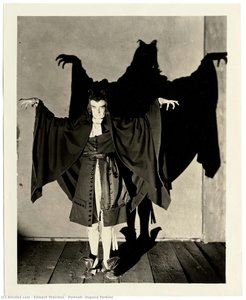 Portrait, Osgood Perkins1923
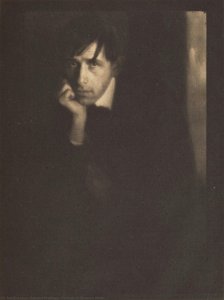 Portrait of Clarence White1905
Eseje o The Kid
 Neo-Abstract Energy: Decoding the Tension Between Geometric Precision and Modern ChaosMaster the tension of Neo-Abstract art through geometric precision and chaos. Explore this visual evolution now.
 Mastering Solitude: The 25 Most Iconic Edward Hopper PaintingsStep into the quiet mastery of American Realism. Explore 25 iconic Edward Hopper paintings, from Nighthawks to House by the Railroad. Disco…
 Od Skanu do Arcydzieła: Sztuczna Inteligencja i Demokratyzacja Transformacji Stylistycznej w SztuceOdkryj rewolucyjny wpływ sztucznej inteligencji na świat sztuki! Poznaj historię, techniki i trendy transformacji stylistycznej. Eksperckie…