Pictorialism · 1920
Sunflower (Edward Steichen, 1920)
Edward Steichen (1900–1973) stworzył Sunflower. Dzieło pochodzi z 1920. Należy do nurtu Pictorialism. Wykonano w technice Acrylic On Canvas. Przechowywane jest w Muzeum George’a Eastmana w Rochester, Stany Zjednoczone. Wymiary to 19 × 24 cm.
- 1920
- Acrylic On Canvas
- 19 × 24 cm
- Muzeum George’a Eastmana, Rochester

 Podgląd w skali 1:1

 Ręcznie malowany obraz olejny
 Wyślij jako kartkę
 Udostępnij
 Karta informacyjna


 Pobierz obraz
 Podobne obiekty
 RTG
 Pokaz slajdów
 Pytania i odpowiedzi

 Statystyki
Sunflower w skrócie
- Tytuł
- Sunflower
- Artysta
- Edward Steichen (1900–1973)
- Miejsce urodzenia artysty
- Bivange, Luksemburg
- Data powstania
- 1920
- Technika wykonania
- Acrylic On Canvas
- Wymiary
- 19 × 24 cm
- Gdzie można je zobaczyć
- Muzeum George’a Eastmana, Rochester, Stany Zjednoczone
- Ruch
- Pictorialism
- Epoka
- 19th Century
- Temat
- sunflower, edward steichen, photography, art, landscape, composition
Co przedstawia Sunflower?
A Luxembourgian Seed Takes Root: The Genesis of “Sunflower”
Edward Steichen’s 1920 painting, "Sunflower," isn’t merely a depiction of a flower; it's a poignant distillation of memory, displacement, and the enduring search for belonging. Born in the small, unassuming village of Bivange, Luxembourg, in 1879 – a region steeped in history and shadowed by the shifting borders of Europe – Steichen’s early life was marked by an emigration to America at just eighteen months old. This relocation, a common experience for Luxembourgers facing economic hardship, instilled within him a profound sense of rootlessness, a feeling that would subtly permeate his artistic vision throughout his career. The painting itself emerges from this context; it's not simply a botanical study but a visual echo of a past left behind, a yearning for stability amidst constant change.
Steichen’s journey to America was fueled by the hope of opportunity and a desire to escape the limitations imposed by his birthplace. He quickly immersed himself in the vibrant artistic scene of Milwaukee, Wisconsin, where he honed his skills as a lithographer and began experimenting with photography – a medium that would ultimately become his defining voice. This early exposure to both visual arts laid the groundwork for his later ability to capture light, texture, and emotion with remarkable precision.
The Pictorialist’s Palette: Technique and Style
“Sunflower” exemplifies Steichen's mastery of the pictorialist style – a movement that sought to elevate photography to the level of fine art. The painting is rendered in tempera and oil on canvas, utilizing a muted palette dominated by earthy browns, ochres, and subtle greens. These colors evoke the rich soil from which the sunflower springs, grounding the image in a sense of naturalism while simultaneously lending it an air of quiet contemplation. Steichen’s brushwork is deliberately soft and blended, creating a hazy, dreamlike quality that obscures sharp details and invites the viewer to lose themselves within the scene.
The composition itself is carefully constructed. The sunflower dominates the center of the frame, its broad petals radiating outwards in an explosion of color and form. Steichen employs a technique known as *sfumato*, borrowed from Renaissance painting, to soften edges and create a sense of atmospheric perspective. This blurring effect not only adds depth but also contributes to the painting’s overall mood of melancholy and nostalgia. The lighting is particularly noteworthy – a diffused, almost ethereal glow that seems to emanate from within the flower itself, suggesting an inner life and vitality.
Symbolism in Bloom: Memory, Displacement, and Resilience
The sunflower, as a symbol, carries layers of meaning. Historically, it has represented adoration, loyalty, and longevity – qualities that resonate deeply with Steichen’s own experiences. The flower's tendency to follow the sun is often interpreted as a metaphor for seeking guidance and direction in life, a theme particularly relevant to an artist grappling with displacement and uncertainty. The painting can be seen as a visual representation of Steichen’s own journey – his departure from Luxembourg, his struggles to find acceptance in America, and his ongoing quest for artistic fulfillment.
Furthermore, the sunflower's association with remembrance is significant. It’s often used as a symbol of mourning and remembrance, connecting to the broader context of Steichen’s life – marked by personal loss and the challenges of adapting to a new culture. Despite these hardships, however, “Sunflower” ultimately conveys a sense of resilience and hope. The flower's vibrant colors and upward-reaching form suggest an enduring spirit, a testament to the human capacity for growth and renewal.
A Legacy in Light: Steichen’s Enduring Influence
Edward Steichen’s “Sunflower” stands as a powerful example of his artistic vision – a synthesis of technique, symbolism, and personal experience. His pioneering work in photography and painting profoundly influenced generations of artists, shaping the course of modern visual culture. Today, reproductions of this evocative image continue to captivate viewers with their quiet beauty and poignant message. It serves as a reminder that even amidst displacement and hardship, there is always room for growth, remembrance, and the enduring pursuit of light.
W którym muzeum znajduje się Sunflower?
Muzeum George’a Eastmana
Rochester, Stany Zjednoczone
Dziedzictwo wyryte w świetle W otulinie spokojnego, zielonego krajobrazu Rochester w stanie Nowy Jork, wznosi się pomnik nie tylko sztuki, ale samej idei wizualnego opowiadania historii. George Eastman Museum to znacznie więcej niż tylko repozytorium fotografii i filmów; to żywe świadectwo nieskończonej ludzkiej potrzeby chwytania ulotnych chwil, utrwalania efemerycznych wspomnień i dzielenia się głębokimi wizjami. Założona przez wizjonerskiego przedsiębiorcę George'a Eastmana – człowieka, który zdemokratyzował fotografię dzięki swoim rewolucyjnym aparatom Kodak – instytucja ta ucieleśnia niezwykłe połączenie innowacji technologicznej, ekspresji artystycznej i architektonicznego przepychu.


Zdjęcia w wysokiej rozdzielczości dzieła Sunflower

Protected by copyright: these files are for personal reference, not a licence to republish.
Edward Steichen, Sunflower (1920), Muzeum George’a Eastmana.
Odpowiedzi na pytania dotyczące Sunflower
Gdzie można obecnie zobaczyć dzieło „Sunflower” – Edward Steichen?
Oryginał dzieła „Sunflower” można zobaczyć w Muzeum George’a Eastmana, Rochester, Stany Zjednoczone.
W którym roku powstało dzieło „Sunflower” – Edward Steichen?
„Sunflower” – Edward Steichen powstało w 1920.
Z jakiej techniki wykorzystano "Sunflower"?
„Sunflower” wykonano w technice Acrylic On Canvas.
Jakie są rzeczywiste wymiary dzieła „Sunflower” – Edward Steichen?
Oryginalny utwór „Sunflower” – Edward Steichen ma wymiary 24 x 19 cm.
Co przedstawia „Sunflower” – Edward Steichen?
Tematyka obecna w „Sunflower” – Edward Steichen obejmuje sunflower, edward steichen, photography, art, landscape, composition, color, 1920. Razem stanowią one podsumowanie tematyki dzieła.
Czy obraz „Sunflower” – Edward Steichen można swobodnie reprodukować?
„Sunflower” – Edward Steichen znajduje się w domenie publicznej (nadal objęte ochroną prawa autorskiego). Status ten określa zasady reprodukcji obrazu tego dzieła.
Kto jest autorem dzieła "Sunflower"?
Autorem dzieła „Sunflower” jest Edward Steichen. Praca ta figuruje w katalogu pod nazwiskiem Edward Steichen.
Do jakiego nurtu należy "Sunflower"?
„Sunflower” to dzieło należące do nurtu Pictorialism. Nurt ten określa tradycję artystyczną, w której osadzone jest dzieło.
Do którego etapu twórczości Edward Steichen należy dzieło „Sunflower”?
W dorobku artystycznym Edward Steichen dzieło „Sunflower” przypada na Early Period. Ten etap pozwala zestawić je z innymi pracami twórcy.
O artyście: Edward Steichen

1900–1973, Luksemburg
Edward Steichen
Życie łączące światy: Artystyczna odyseja Edwarda Steichena Édouard Jean Steichen, znany później jako Edward Steichen, był postacią, która wymykała się prostym klasyfikacjom. Urodzony w 1879 roku w małej wiosce Bivange w Luksemburgu, przeszedł niezwykłą drogę od europejskich korzeni do stania się jednym z najbardziej wpływowych artystów Ameryki – nie tylko jako fotograf, ale także malarz, kurator i wizjoner, który przekształcił nasz sposób postrzegania kultury wizualnej. Wczesne lata upłynęły pod znakiem znaczącej przeprowadzki; w 1881 roku rodzina Steichen wyemigrowała do Hancock w stanie Michigan, szukając nowych możliwości. To przesunięcie zaszczepiło w młodym Edwardzie poczucie obcości, a być może także wzmożoną wrażliwość na obserwację – cechy, które głęboko ukształtowały jego artystyczną wizję.
Inne prace Edward Steichen
 Le Tournesol (The Sunflower)1920
 Behind-the-scenes photograph, Paying the Piper1921
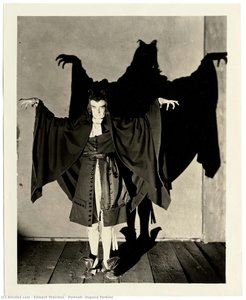 Portrait, Osgood Perkins1923
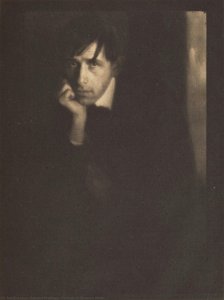 Portrait of Clarence White1905
Eseje o Sunflower
 Pictorialism Unveiled: How the Aesthetic Revolution Transformed Photography into Fine ArtExplore the revolution of Pictorialism. Discover how visionary photographers moved beyond documentation to transform the lens into a fine a…
 Arcydzieła XIX Wieku: 10 Obrazów Opowiadających Epokę | OriginalUniqueArtOdkryj 10 arcydzieł XIX wieku! Poznaj historię Monet, Van Gogha i Courbeta. Imesjonizm, realizm, romantyzm – obrazy pełne emocji i piękna c…
 Sunlight on Canvas: The Radiant Symbolism of Yellow Flowers in Impressionist ArtExplore the profound symbolism of yellow flowers in Impressionist art through expert analysis. Discover the light of the masters today.