1917
Preview slide, Cleopatra (Edward Steichen, 1917)
Edward Steichen (1900–1973) stworzył Preview slide, Cleopatra. Dzieło pochodzi z 1917. Wykonano w technice Photography. Przechowywane jest w Museum of the Moving Image w Astoria, Stany Zjednoczone Ameryki.
- 1917
- Photography
- Museum of the Moving Image, Astoria

 Ręcznie malowany obraz olejny
 Wyślij jako kartkę
 Udostępnij
 Karta informacyjna


 Pobierz obraz
 Podobne obiekty
 Pokaz slajdów
 Pytania i odpowiedzi

 Statystyki
Preview slide, Cleopatra w skrócie
- Tytuł
- Preview slide, Cleopatra
- Artysta
- Edward Steichen (1900–1973)
- Miejsce urodzenia artysty
- Bivange, Luksemburg
- Data powstania
- 1917
- Technika wykonania
- Photography
- Gdzie można je zobaczyć
- Museum of the Moving Image, Astoria, Stany Zjednoczone Ameryki
- Epoka
- Modern
- Temat
- woman, headdress, jewelry, yellow text, black background, profile portrait
Co przedstawia Preview slide, Cleopatra?
A Cinematic Vision of Antiquity
In this mesmerizing preview slide for the 1917 production of Cleopatra, we are transported not merely to an ancient era, but to the dawn of cinematic spectacle. The artwork serves as a breathtaking window into the early 20th-century obsession with grand, "super-productions" that sought to recreate the opulence of Egypt through the lens of Hollywood's burgeoning golden age. At its heart lies the magnetic presence of Theda Bara, the quintessential "vamp" of the silent era, whose portrayal of the Egyptian queen captures a sense of dangerous allure and regal command. The composition is a masterful arrangement of dramatic portraits, where the central figure of Cleopatra, adorned in an intricate headdress and shimmering jewelry, acts as the gravitational pull for the viewer's gaze. Flanking her are secondary figures that hint at the complex web of political intrigue and passion that defines the legend, creating a visual tapestry that promises both intimacy and epic scale.
The aesthetic language of this piece is deeply rooted in the theatricality of the era, utilizing bold, high-contrast elements to command attention. The use of large, ornate yellow typography against a deep black void creates a striking chiaroscuro effect, reminiscent of the dramatic lighting found in stage plays of the period. This interplay of light and shadow does more than just provide legibility; it imbues the poster with a sense of mystery and nocturnal grandeur. The intricate details—from the delicate feathers on the side profiles to the heavy, draped fabrics of the central costume—demonstrate a commitment to texture and tactile realism that was essential in making silent film marketing feel tangible and immersive to an audience far removed from the actual Nile.
The Artistry of Edward Steichen
While this piece functions as a promotional artifact, it carries the unmistakable sophisticated touch of Edward Steichen. A figure who transcended simple categorization, Steichen was a pioneer whose life bridged the worlds of fine art photography, painting, and fashion. His ability to manipulate light and shadow—a skill honed during his formative years in both Europe and America—is evident in the way this composition breathes life into the shadows. The piece embodies the transition from traditional pictorialism to a more modern, editorial style that would later define his legendary work for Vogue and Vanity Fair. For the collector, owning a reproduction of such a work is not merely about possessing a vintage image; it is about embracing a pivotal moment in visual history where photography began to capture the very essence of glamour and myth.
A Sophisticated Statement for Modern Interiors
For the discerning collector or interior designer, this piece offers much more than mere nostalgia; it is a sophisticated statement of cultural history. The high-contrast palette of deep blacks and radiant yellows allows it to serve as a powerful focal point in a variety of contemporary settings. Whether placed in a minimalist gallery-style room or integrated into a richly textured, maximalist study, the artwork brings an air of cinematic drama and historical depth. It invites conversation, acting as a bridge between the ancient legends of Egypt and the modern magic of the silver screen. To display this work is to celebrate the enduring power of storytelling and the timeless allure of the legendary Cleopatra.
W którym muzeum znajduje się Preview slide, Cleopatra?
Museum of the Moving Image
Astoria, Stany Zjednoczone Ameryki
Portal do Pikseli: Kinematograficzna Dusza Astorii Ukryte w samym sercu tętniącej życiem dzielnicy Astoria w Queens, Muzeum Ruchomego Obrazu (MoMI) jawi się jako niezwykłe, fascynujące skrzyżowanie, w którym spotykają się sztuka, technologia i sztuka opowiadania historii. To znacznie więcej niż zwykłe repozytorium artefaktów; to immersyjne doświadczenie, które oddycha samą esencją współczesnego życia. Mieściąc się w historycznych murach Kaufman Astoria Studios – miejsca, które niegdyś echem odbijało kreatywną energię złotej ery Hollywood – muzeum samo w sobie stanowi żywe świadectwo historii kina.
Zdjęcia w wysokiej rozdzielczości dzieła Preview slide, Cleopatra

Chronione prawem autorskim: pliki te służą wyłącznie do osobistego wglądu i nie stanowią licencji na ich powielanie.
Edward Steichen, Preview slide, Cleopatra (1917), Museum of the Moving Image.
Odpowiedzi na pytania dotyczące Preview slide, Cleopatra
Gdzie można obecnie zobaczyć dzieło „Preview slide, Cleopatra” – Edward Steichen?
„Preview slide, Cleopatra” – Edward Steichen znajduje się w zbiorach Museum of the Moving Image, Astoria, Stany Zjednoczone Ameryki. Informacja o muzeum dotyczy oryginału, a nie reprodukcji.
W którym roku powstało dzieło "Preview slide, Cleopatra"?
„Preview slide, Cleopatra” – Edward Steichen powstało w 1917.
Z jakiej techniki wykorzystano "Preview slide, Cleopatra"?
Edward Steichen wykorzystał/a technikę Photography w pracy „Preview slide, Cleopatra”. Technika ta definiuje materię oryginalnego dzieła.
Co przedstawia „Preview slide, Cleopatra” – Edward Steichen?
Tematyka obecna w „Preview slide, Cleopatra” – Edward Steichen obejmuje woman, headdress, jewelry, yellow text, black background, profile portrait, feathers. Razem stanowią one podsumowanie tematyki dzieła.
Czy dzieło "Preview slide, Cleopatra" znajduje się w domenie publicznej?
Status praw autorskich dla „Preview slide, Cleopatra” – Edward Steichen: dzieło znajduje się w nadal objęte ochroną prawa autorskiego. Określa to, czy reprodukcje obrazu mogą być sporządzane swobodnie.
Kto stworzył "Preview slide, Cleopatra"?
„Preview slide, Cleopatra” zostało stworzone przez Edward Steichen. Informacje na tej stronie dotyczą oryginalnego dzieła autorstwa Edward Steichen.
W jakim wieku Edward Steichen stworzył(a) "Preview slide, Cleopatra"?
Gdy w 1917 roku powstało dzieło „Preview slide, Cleopatra”, Edward Steichen – urodzony/a w 1900 – miał/a 17 lat.
Co wyjaśnia sytuację prawną dotyczącą praw autorskich do „Preview slide, Cleopatra” – Edward Steichen?
„Preview slide, Cleopatra” – Edward Steichen jest nadal objęte ochroną prawa autorskiego. Okres ochrony praw autorskich liczony jest od śmierci artysty, która nastąpiła w 1973.
Czy dzieło „Preview slide, Cleopatra” – Edward Steichen znajduje się w kraju pochodzenia artysty?
Nie – dzieło znajduje się poza granicami kraju artysty. Edward Steichen urodził(a) się w Luksemburg, a oryginał dzieła „Preview slide, Cleopatra” znajduje się w muzeum w Stany Zjednoczone Ameryki.
O artyście: Edward Steichen

1900–1973, Luksemburg
Edward Steichen
Życie łączące światy: Artystyczna odyseja Edwarda Steichena Édouard Jean Steichen, znany później jako Edward Steichen, był postacią, która wymykała się prostym klasyfikacjom. Urodzony w 1879 roku w małej wiosce Bivange w Luksemburgu, przeszedł niezwykłą drogę od europejskich korzeni do stania się jednym z najbardziej wpływowych artystów Ameryki – nie tylko jako fotograf, ale także malarz, kurator i wizjoner, który przekształcił nasz sposób postrzegania kultury wizualnej. Wczesne lata upłynęły pod znakiem znaczącej przeprowadzki; w 1881 roku rodzina Steichen wyemigrowała do Hancock w stanie Michigan, szukając nowych możliwości. To przesunięcie zaszczepiło w młodym Edwardzie poczucie obcości, a być może także wzmożoną wrażliwość na obserwację – cechy, które głęboko ukształtowały jego artystyczną wizję.
Inne prace Edward Steichen
 Le Tournesol (The Sunflower)1920
 Behind-the-scenes photograph, Paying the Piper1921
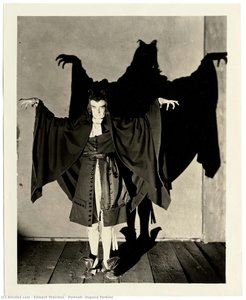 Portrait, Osgood Perkins1923
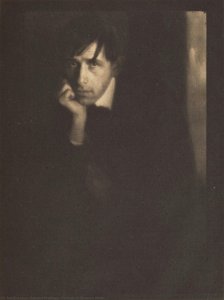 Portrait of Clarence White1905
Eseje o Preview slide, Cleopatra
 Decoding Baroque Grandeur: A Masterclass in Drama, Movement, and Emotion in 17th-Century ArtExplore the breathtaking drama of 17th-century Baroque art. Discover how masters used chiaroscuro, movement, and intense emotion to create …
 25 Masterpieces by Amedeo Modigliani: The Soul of Modern PortraitureExplore 25 iconic Modigliani masterpieces and their soulful stories. Discover the full collection online at OriginalUniqueArt.com.
 The Photographic Lens as Fine Art: Tracing the Evolution of Fashion Imagery from Pictorialism to the Avant-GardeTrace the evolution of fashion photography from Pictorialism to the avant-garde. Explore this visual journey through art history now.