1923
Lobby card, Java Head (Edward Steichen, 1923)
Edward Steichen (1900–1973) stworzył Lobby card, Java Head. Dzieło pochodzi z 1923. Wykonano w technice Print. Przechowywane jest w Museum of the Moving Image w Astoria, Stany Zjednoczone Ameryki.
- 1923
- Museum of the Moving Image, Astoria

 Podgląd w skali 1:1

 Ręcznie malowany obraz olejny
 Wyślij jako kartkę
 Udostępnij
 Karta informacyjna


 Pobierz obraz
 Podobne obiekty
 RTG
 Pokaz slajdów
 Pytania i odpowiedzi

 Statystyki
Lobby card, Java Head w skrócie
- Tytuł
- Lobby card, Java Head
- Artysta
- Edward Steichen (1900–1973)
- Miejsce urodzenia artysty
- Bivange, Luksemburg
- Data powstania
- 1923
- Technika wykonania
- Gdzie można je zobaczyć
- Museum of the Moving Image, Astoria, Stany Zjednoczone Ameryki
- Epoka
- Early Modern
- Temat
- movie poster, vintage art, lobby card, indian culture, nautical theme, drama scene
Co przedstawia Lobby card, Java Head?
A Glimpse into Cinematic Drama: The Allure of the Lobby Card
This evocative lobby card for "Java Head," dating back to 1923, transports us directly into the vibrant, dramatic heart of early cinema. It is more than just a promotional piece; it is a carefully constructed tableau vivant, capturing the charged atmosphere that defined silent film epics. The composition immediately draws the eye to the intense interaction between the two central figures. On the left, the gentleman, clad in the formal attire of the era—a suit and tie—leans into the scene with an air of grave seriousness, his posture suggesting a pivotal moment of revelation or confrontation. His gaze seems fixed upon the woman, anchoring the narrative tension.
The Symbolism of Culture and Mystery
The woman on the right introduces layers of exotic mystery to this dramatic exchange. Her adornment, featuring what appears to be elaborate traditional Indian jewelry, immediately suggests a cross-cultural narrative—a common trope in early Hollywood melodramas that allowed for rich visual storytelling. Her head is turned slightly away from the viewer, lending her an air of enigmatic contemplation; she seems caught between the man's intensity and some internal deliberation. The background reinforces this sense of journey and scope with its stylized depiction of a ship upon the ocean. This nautical element hints at themes of passage, separation, or perhaps even escape, grounding the personal drama within a grander, sweeping adventure.
Technique and Vintage Allure
The aesthetic quality of this piece is deeply rooted in the illustrative traditions of the early 20th century. The color palette—dominated by rich blues, warm yellows, and deep reds—is characteristic of period printing techniques, lending the entire image a beautiful patina of age that collectors so adore. While the original medium was likely lithography or high-quality printmaking for theatrical display, its reproduction offers us the chance to own this specific visual language. The overall style is illustrative yet highly polished, embodying the grand spectacle promised by "A Paramount Picture."
Emotional Resonance for the Modern Collector
For the discerning collector or interior designer, this artwork serves as a potent piece of decorative storytelling. It doesn't merely hang on a wall; it narrates a moment suspended in time—a breath held just before the climax. The blend of formal Western attire with richly detailed Eastern costume creates an immediate visual dialogue, sparking conversation and contemplation within any sophisticated space. Owning this reproduction allows one to curate an environment steeped in cinematic romance and historical grandeur, making it a captivating focal point that speaks volumes about an appreciation for art history and dramatic flair.
W którym muzeum znajduje się Lobby card, Java Head?
Museum of the Moving Image
Astoria, Stany Zjednoczone Ameryki
Portal do Pikseli: Kinematograficzna Dusza Astorii Ukryte w samym sercu tętniącej życiem dzielnicy Astoria w Queens, Muzeum Ruchomego Obrazu (MoMI) jawi się jako niezwykłe, fascynujące skrzyżowanie, w którym spotykają się sztuka, technologia i sztuka opowiadania historii. To znacznie więcej niż zwykłe repozytorium artefaktów; to immersyjne doświadczenie, które oddycha samą esencją współczesnego życia. Mieściąc się w historycznych murach Kaufman Astoria Studios – miejsca, które niegdyś echem odbijało kreatywną energię złotej ery Hollywood – muzeum samo w sobie stanowi żywe świadectwo historii kina.
Zdjęcia w wysokiej rozdzielczości dzieła Lobby card, Java Head

Chronione prawem autorskim: obraz przedstawiono wyłącznie w celach informacyjnych.
Inne rozmiary, kadrowanie i cytowanie →Edward Steichen, Lobby card, Java Head (1923), Museum of the Moving Image.
Odpowiedzi na pytania dotyczące Lobby card, Java Head
Gdzie można zobaczyć oryginał „Lobby card, Java Head” – Edward Steichen?
Oryginał dzieła „Lobby card, Java Head” można zobaczyć w Museum of the Moving Image, Astoria, Stany Zjednoczone Ameryki.
W którym roku powstało „Lobby card, Java Head” – Edward Steichen?
Powstanie „Lobby card, Java Head” – Edward Steichen datuje się na 1923.
Z jakiej techniki wykorzystano "Lobby card, Java Head"?
Technika wykonania dzieła „Lobby card, Java Head” – Edward Steichen to Print. Reprodukcje mają na celu wierne oddanie wyglądu tej techniki.
Co przedstawia "Lobby card, Java Head"?
Tematyka dzieła "Lobby card, Java Head" to movie poster, vintage art, lobby card, indian culture, nautical theme, drama scene, silent film.
Czy „Lobby card, Java Head” – Edward Steichen znajduje się w domenie publicznej?
„Lobby card, Java Head” – Edward Steichen znajduje się w domenie publicznej (nadal objęte ochroną prawa autorskiego). Status ten określa zasady reprodukcji obrazu tego dzieła.
Któremu artyście przypisuje się "Lobby card, Java Head"?
Autorstwo dzieła "Lobby card, Java Head" przypisuje się Edward Steichen.
Ile lat miał(a) Edward Steichen, tworząc "Lobby card, Java Head" w 1923 roku?
Edward Steichen stworzył/a "Lobby card, Java Head" w wieku 23 lat. Artysta urodził/a się w 1900, a datowanie dzieła to 1923.
Z czego wynika obecny status praw autorskich dzieła "Lobby card, Java Head"?
„Lobby card, Java Head” – Edward Steichen jest nadal objęte ochroną prawa autorskiego. Okres ochrony praw autorskich liczony jest od śmierci artysty, która nastąpiła w 1973.
Czy dzieło "Lobby card, Java Head" znajduje się w kraju swojego twórcy?
Nie – dzieło znajduje się poza granicami kraju artysty. Edward Steichen urodził(a) się w Luksemburg, a oryginał dzieła „Lobby card, Java Head” znajduje się w muzeum w Stany Zjednoczone Ameryki.
O artyście: Edward Steichen

1900–1973, Luksemburg
Edward Steichen
Życie łączące światy: Artystyczna odyseja Edwarda Steichena Édouard Jean Steichen, znany później jako Edward Steichen, był postacią, która wymykała się prostym klasyfikacjom. Urodzony w 1879 roku w małej wiosce Bivange w Luksemburgu, przeszedł niezwykłą drogę od europejskich korzeni do stania się jednym z najbardziej wpływowych artystów Ameryki – nie tylko jako fotograf, ale także malarz, kurator i wizjoner, który przekształcił nasz sposób postrzegania kultury wizualnej. Wczesne lata upłynęły pod znakiem znaczącej przeprowadzki; w 1881 roku rodzina Steichen wyemigrowała do Hancock w stanie Michigan, szukając nowych możliwości. To przesunięcie zaszczepiło w młodym Edwardzie poczucie obcości, a być może także wzmożoną wrażliwość na obserwację – cechy, które głęboko ukształtowały jego artystyczną wizję.
Inne prace Edward Steichen
 Le Tournesol (The Sunflower)1920
 Behind-the-scenes photograph, Paying the Piper1921
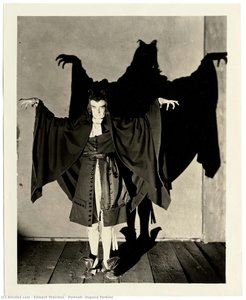 Portrait, Osgood Perkins1923
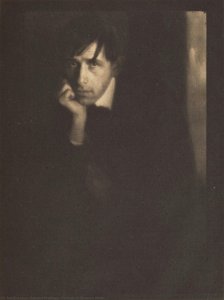 Portrait of Clarence White1905
Eseje o Lobby card, Java Head
 Piktorializm w Polsce: Poszukiwanie Duszy Fotografii i Estetyki MalarskiejPoznaj historię piktorializmu w Polsce – nurtu fotografii artystycznej dążącego do estetyki malarskiej. Odkryj kluczowe postacie, techniki …
 Crowns of Creativity: A Visual Journey Through History's Most Iconic Headdresses and Artful AdornmentsEmbark on a visual journey through history's most stunning headdresses. From royal crowns to sacred feathers, explore the artistry of iconi…
 25 Must-See Masterpieces at the Smithsonian American Art MuseumExplore 25 iconic works from the Smithsonian American Art Museum. From Hopper to O'Keeffe, find masterpieces on OriginalUniqueArt.com.