1925
Herald, The Ten Commandments (Edward Steichen, 1925)
Edward Steichen (1900–1973) stworzył Herald, The Ten Commandments. Dzieło pochodzi z 1925. Wykonano w technice Print. Przechowywane jest w Museum of the Moving Image w Astoria, Stany Zjednoczone Ameryki.
- 1925
- Museum of the Moving Image, Astoria

 Podgląd w skali 1:1

 Ręcznie malowany obraz olejny
 Wyślij jako kartkę
 Udostępnij
 Karta informacyjna


 Pobierz obraz
 Podobne obiekty
 RTG
 Pokaz slajdów
 Pytania i odpowiedzi

 Statystyki
Herald, The Ten Commandments w skrócie
- Tytuł
- Herald, The Ten Commandments
- Artysta
- Edward Steichen (1900–1973)
- Miejsce urodzenia artysty
- Bivange, Luksemburg
- Data powstania
- 1925
- Technika wykonania
- Gdzie można je zobaczyć
- Museum of the Moving Image, Astoria, Stany Zjednoczone Ameryki
- Epoka
- Early Modern
- Temat
- biblical scene, red sea parting, moses, movie poster, religious art, dramatic illustration
Co przedstawia Herald, The Ten Commandments?
The Grand Spectacle of Divine Power
This evocative piece captures not merely an event, but a monumental moment in human mythology—the parting of the Red Sea. The composition immediately plunges the viewer into a scene of overwhelming drama and divine intervention. One can almost hear the roar of the receding waters and feel the tension gripping the figures on the shore. It is a visual narrative rendered with epic scope, designed to transport the observer across millennia to a pivotal moment in religious scripture. The sheer scale suggested by the illustration—the vast expanse of water cleaved apart, the multitude of people following through the dry passage—speaks to the enduring power of foundational stories.
A Study in Cinematic Grandeur and Illustration
While the subject matter is deeply sacred, the presentation itself carries the unmistakable weight of early 20th-century cinematic promotion. The text elements, proclaiming "The Mightiest Spectacle of All the Ages," anchor the piece within a context of popular, large-scale spectacle, characteristic of grand movie posters from the era of Cecil B. DeMille. This blending of high religious narrative with the visual language of blockbuster cinema creates a fascinating tension. Artistically, the style is highly illustrative and dramatic, utilizing strong contrasts between the earthy tones of the desert and the deep blues and reds of the tumultuous sea. The technique employed suggests rich, layered printing processes common to vintage ephemera, giving the reproduction an immediate sense of historical patina.
Symbolism and Emotional Resonance
At its heart, this artwork is a profound meditation on liberation, faith, and divine promise. The parting waters are more than just water; they symbolize passage—the transition from bondage to freedom. Moses leading his people through the breach represents guidance through seemingly insurmountable obstacles. For the modern collector or designer, owning such a piece offers an immediate connection to themes of resilience and breakthrough. It is inherently dramatic art, capable of infusing any space with a sense of awe and monumental significance.
Historical Context for the Connoisseur
Dating from around 1925, this poster serves as a fascinating artifact bridging early cinema history with biblical storytelling. It speaks to a time when Hollywood was mastering the art of myth-making on a grand scale. The visible credits and studio markings ground the piece in a specific cultural moment—the burgeoning power of the motion picture industry to interpret and disseminate epic narratives. For those who appreciate decorative arts that tell stories, this reproduction offers not just decoration, but a tangible piece of cinematic history.
W którym muzeum znajduje się Herald, The Ten Commandments?
Museum of the Moving Image
Astoria, Stany Zjednoczone Ameryki
Portal do Pikseli: Kinematograficzna Dusza Astorii Ukryte w samym sercu tętniącej życiem dzielnicy Astoria w Queens, Muzeum Ruchomego Obrazu (MoMI) jawi się jako niezwykłe, fascynujące skrzyżowanie, w którym spotykają się sztuka, technologia i sztuka opowiadania historii. To znacznie więcej niż zwykłe repozytorium artefaktów; to immersyjne doświadczenie, które oddycha samą esencją współczesnego życia. Mieściąc się w historycznych murach Kaufman Astoria Studios – miejsca, które niegdyś echem odbijało kreatywną energię złotej ery Hollywood – muzeum samo w sobie stanowi żywe świadectwo historii kina.
Zdjęcia w wysokiej rozdzielczości dzieła Herald, The Ten Commandments

Chronione prawem autorskim: pliki te służą wyłącznie do osobistego wglądu i nie stanowią licencji na ich powielanie.
Edward Steichen, Herald, The Ten Commandments (1925), Museum of the Moving Image.
Odpowiedzi na pytania dotyczące Herald, The Ten Commandments
Gdzie można obecnie zobaczyć dzieło „Herald, The Ten Commandments” – Edward Steichen?
Oryginał dzieła „Herald, The Ten Commandments” – Edward Steichen znajduje się w Museum of the Moving Image, Astoria, Stany Zjednoczone Ameryki. Reprodukcja pozwala na eksponowanie pracy w domu.
W którym roku powstało dzieło "Herald, The Ten Commandments"?
"Herald, The Ten Commandments" powstało w 1925 roku. Data ta pozwala umiejscowić dzieło w kontekście twórczości Edward Steichen oraz epoki, w której powstało.
W jakiej technice wykonano „Herald, The Ten Commandments” – Edward Steichen?
„Herald, The Ten Commandments” wykonano w technice Print.
Co przedstawia "Herald, The Ten Commandments"?
Tematyka obecna w „Herald, The Ten Commandments” – Edward Steichen obejmuje biblical scene, red sea parting, moses, movie poster, religious art, dramatic illustration. Razem stanowią one podsumowanie tematyki dzieła.
Czy „Herald, The Ten Commandments” – Edward Steichen znajduje się w domenie publicznej?
Jeśli chodzi o prawa autorskie, "Herald, The Ten Commandments" znajduje się w nadal objęte ochroną prawa autorskiego.
Kto stworzył "Herald, The Ten Commandments"?
Autorem dzieła „Herald, The Ten Commandments” jest Edward Steichen. Praca ta figuruje w katalogu pod nazwiskiem Edward Steichen.
Ile lat miał Edward Steichen, gdy powstało dzieło „Herald, The Ten Commandments”?
Gdy w 1925 roku powstało dzieło „Herald, The Ten Commandments”, Edward Steichen – urodzony/a w 1900 – miał/a 25 lat.
Z czego wynika obecny status praw autorskich dzieła "Herald, The Ten Commandments"?
„Herald, The Ten Commandments” – Edward Steichen jest nadal objęte ochroną prawa autorskiego. Okres ochrony praw autorskich liczony jest od śmierci artysty, która nastąpiła w 1973.
Czy dzieło "Herald, The Ten Commandments" znajduje się w kraju swojego twórcy?
Nie – dzieło znajduje się poza granicami kraju artysty. Dzieło "Herald, The Ten Commandments" znajduje się w zbiorach Stany Zjednoczone Ameryki, podczas gdy Edward Steichen urodził(a) się w Luksemburg.
O artyście: Edward Steichen

1900–1973, Luksemburg
Edward Steichen
Życie łączące światy: Artystyczna odyseja Edwarda Steichena Édouard Jean Steichen, znany później jako Edward Steichen, był postacią, która wymykała się prostym klasyfikacjom. Urodzony w 1879 roku w małej wiosce Bivange w Luksemburgu, przeszedł niezwykłą drogę od europejskich korzeni do stania się jednym z najbardziej wpływowych artystów Ameryki – nie tylko jako fotograf, ale także malarz, kurator i wizjoner, który przekształcił nasz sposób postrzegania kultury wizualnej. Wczesne lata upłynęły pod znakiem znaczącej przeprowadzki; w 1881 roku rodzina Steichen wyemigrowała do Hancock w stanie Michigan, szukając nowych możliwości. To przesunięcie zaszczepiło w młodym Edwardzie poczucie obcości, a być może także wzmożoną wrażliwość na obserwację – cechy, które głęboko ukształtowały jego artystyczną wizję.
Inne prace Edward Steichen
 Le Tournesol (The Sunflower)1920
 Behind-the-scenes photograph, Paying the Piper1921
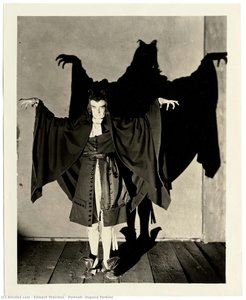 Portrait, Osgood Perkins1923
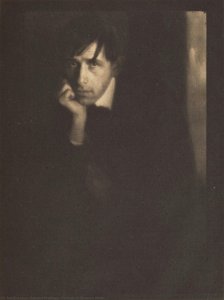 Portrait of Clarence White1905
Eseje o Herald, The Ten Commandments
 Divine Drama on Canvas: The Enduring Presence of Greek Mythological NarrativesExplore the mastery of Greek myths through Botticelli, Rubens, and Raphael. Discover the power of classical narrative today.
 Unveiling the Dreamer: The 25 Most Iconic Masterpieces by Gustave MoreauStep into the mystical world of Gustave Moreau. Explore 25 iconic Symbolist masterpieces, from mythic tales to ethereal dreamscapes. Find i…
 Gothic Grandeur: Decoding the Visual Power of Medieval Manuscripts and CathedralsExplore the architectural shift from Romanesque shadows to Gothic light. Discover the power of medieval masterpieces now.