() ·
Obraz stworzony dla Ciebie, własnoręcznie
Ręcznie malowana reprodukcja olejowa
Ręcznie malowany obraz olejny na płótnie, wykonany na zamówienie przez naszych artystów w wybranym przez Ciebie wymiarze i oprawie. ( Przełącz na wydania drukowane Przejdź do wersji cyfrowej)
Opis obiektu
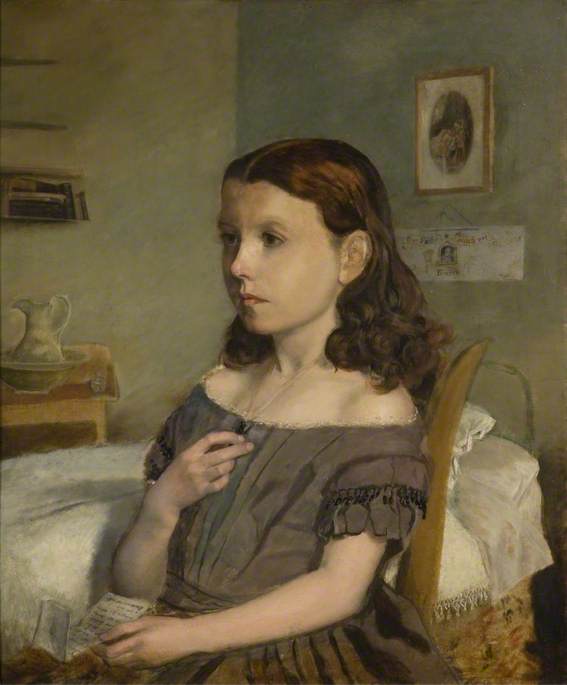
Admire 'Ellen Bennett' by Edward Richard Taylor (1900). A realistic oil portrait of a young girl in a serene interior, showcasing meticulous detail & muted tones. An exquisite 19th-century artwork.
Biografia artysty
Discover Edward Richard Taylor: English artist & educator (1838-1911). Known for oil & watercolor landscapes, influential in Arts & Crafts movement, and founder of Ruskin Pottery.
 Rozwiń treść
od ·
Rozdział 1
Jak duży powinien być ten format?
Przesuń suwak, aby zmienić rozmiar; obraz po lewej stronie przedstawia ramę w jej rzeczywistej szerokości. Zachowano proporcje oryginału.
Wybierz spośród naszych standardowych rozmiarów, które zachowują oryginalne proporcje dzieła sztuki.

Wpisz wymaganą szerokość i wysokość, aby obraz pasował do Twojej ramy lub ściany. Ponieważ jest to dzieło malowane ręcznie, w przypadku rozmiaru o innych proporcjach artysta może domalować nieco więcej wokół obrazu lub przyciąć jego fragmenty — wybór należy do Ciebie. Przed rozpoczęciem pracy prześlemy Ci cyfrową wizualizację do zatwierdzenia. Obraz widoczny na tej stronie nie przedstawia rzeczywistego efektu — jedynie wizualizacja oddaje realny rezultat.
Rozdział 2
W jaki sposób ma zostać dostarczone?
Wybierz krawędzie płótna naciągniętego na ramę
Wybierz ramę

Białe krawędzie zł1

rozmyte krawędzie zł1

Przedłużony zł1

P118B zł10

P118H zł10

P118W zł10

P438Z zł10

P508JH zł12

P508YH zł12

P805H zł10

P805Z zł10

P919BZ zł10

P919G zł10

P919XJ zł10

P959ZH zł10

P968JZ zł12

W106C zł8

W218G zł10

W218JH zł8

W218Y zł10

W307PJ zł10

W316G zł10

W316PJ zł8

W316Y zł10

W398PJ zł8

W4111J zł10

W500HY zł15

W500JH zł15

W692G zł12

W849H zł8

W940BG zł15

W953PJ zł8

H24-GOLD zł30

H24-SILVER zł30

H36-GOLD zł45

H36-SILVER zł45
W oprawie
Profil: . Wymiar całkowity w ramie: .
Rozdział 3
Kto go maluje i czy coś powinno ulec zmianie?
Po złożeniu zamówienia zespół OriginalUniqueArt.com skontaktuje się z klientem drogą mailową w celu uzyskania instrukcji i prześle podgląd projektu
Dostawa na całym świecie () w ciągu 3–4 tygodni zamiast standardowych 5 tygodni. (16 Listopad). Bez kompromisów w kwestii jakości.
Rozdział 4
Ostatnie szlify
Tabliczka informacyjna, jak w muzeum?
Szczegóły grawerowanej brązowej tabliczki
This elegant plaque features the artist's name and the title of the artwork, finely engraved for a timeless presentation.
It is made from bronze with a refined, elegant finish. The text is precisely laser-engraved for a sharp and permanent result. Measuring 9x2 cm, the plaque is compact yet easy to read. It's built to be durable and scratch-resistant, offering a professional, museum-quality look. Mounting is simple thanks to the included adhesive backing.
Szczegóły przezroczystej tabliczki akrylowej
The plaque includes essential engraved details such as the artist's name, the title of the artwork, the date it was created, the type of media used-like oil on canvas or watercolor-a brief description of the piece, and a QR code that links to the complete artwork information.
It is crafted from clear acrylic, offering a sleek, modern appearance. The text is UV-engraved in black to ensure strong visual contrast. With a size of 10x15 cm, it ensures optimal readability. It comes equipped with two metal hooks for secure wall mounting. The plaque is designed to be weather-resistant, making it suitable for various environments, and it includes interactive features that work seamlessly with smartphone scanning.
Szczegóły czarnej tabliczki akrylowej
This elegant plaque includes engraved information such as the artist's name, the title of the artwork, the date it was created, the type of media used (like oil on canvas or watercolor), a short description of the artwork, and a QR code for quick access to more information.
The plaque itself is made from refined black acrylic with a premium finish. The text is laser-engraved in white for high contrast and readability. Its size is 10x15 cm, designed to be easy to read. It comes with two metal hooks for professional mounting. The design is sleek and fits any interior style. It is also weather-resistant and durable, with built-in digital integration for mobile compatibility.
Werniks ochronny?
Kiedy potrzebujesz dostawy?
Rozdział 5
Twoje dzieło, dokładnie tak, jak zamówiłeś

Ellen Bennett
Technika reprodukcji
Wymiary reprodukcji
-

Wybitny mistrz artystyczny
Większa szczegółowość, finezja i dodatkowy czas na realizację
-

Opcje oprawy reprodukcji
-
-
W przypadku dzieł sztuki lub reprodukcji, których którykolwiek z boków przekracza 105 cm (około 41 cali), rama zostanie wysłana w formie zestawu do samodzielnego montażu. Metoda ta zapewnia bezpieczną dostawę i zapobiega uszkodzeniom podczas transportu.
Wymagany profesjonalny montaż – nie jest to produkt typu DIY.
Zestaw musi zostać złożony, a płótno naciągnięte przez doświadczonego profesjonalnego ramiarza, przy użyciu kleju do drewna (brak w zestawie), kleszczy do naciągania płótna oraz ścisków, które utrzymają krosna w równej pozycji podczas schnięcia kleju. Nieprawidłowy montaż lub nierównomierne napięcie płótna może trwale uszkodzić dzieło sztuki i nie podlega naszej gwarancji.
 W przypadku dzieł sztuki lub reprodukcji, których którykolwiek z boków przekracza 105 cm (około 41 cali), rama zostanie wysłana w formie zestawu do samodzielnego montażu. Metoda ta zapewnia bezpieczną dostawę i zapobiega uszkodzeniom podczas transportu.
W zestawie znajdują się wszystkie listwy z litego drewna, precyzyjnie docięte do wymiarów.
Montaż odbywa się przy użyciu dołączonych wkrętów oraz kleju do drewna do łączenia narożników, którego zestaw nie zawiera i który musi zostać dostarczony przez ramiarza.
Wymagane są profesjonalne narzędzia, których nie ma w zestawie: kleszcze do naciągania płótna (napinacz) oraz zaciski, które pozwolą utrzymać listwy w równej pozycji podczas schnięcia kleju.
Ważne:
Do połączenia narożników niezbędny jest klej do drewna, listwy należy unieruchomić za pomocą ścisków do momentu całkowitego wyschnięcia kleju, a naciągnięcie płótna na złożoną ramę wymaga użycia kleszczy do naciągania płótna. Żaden z tych elementów nie jest dołączony do zestawu. Przed zamówieniem tego rozmiaru zalecamy konsultację z doświadczonym ramiarzem.

Etykieta obiektu
-
-

Lakier ochronny
Lakier z połyskiem (pogłębia kolory, chroni przed światłem i wilgocią)
-

Personalizacja dzieła
Przykłady możliwości personalizacji: zastąp twarz zdjęciem klienta; dodaj zwierzę domowe (np. zamień kota na psa); umieść ukrytą wiadomość w tle; zmień krajobraz lub elementy tła.
-

Ekspresowa
Dostawa na cały świat () w ciągu 3–4 tygodni zamiast standardowych 5 tygodni. (16 Listopad). Bez kompromisów w kwestii jakości.
-
Przesyłka ekspresowa
Dostawa na cały świat () w ciągu 5 tygodni. (23 Listopad).
W cenie
Cena całkowita
zł 1168
Opcja ze szkłem jest dostępna wyłącznie w rozmiarach poniżej 110 cm
W każdym zamówieniu
- Bezpłatna ekspresowa wysyłka na cały świat
- Wysokiej jakości płótno lniane
- Pełne ubezpieczenie przesyłki
- Gwarancja zwrotu należności celnych i podatków importowych
- Gwarancja wiernego odwzorowania kolorów
- 100-dniowa polityka zwrotów (tylko w przypadku wad)
- Gwarancja 100% zwrotu pieniędzy
- Zniżka przy zakupie wielu sztuk


 Podgląd w skali 1:1

 Wyślij jako kartkę
 Udostępnij
 Szczegóły dzieła
 Przewodnik


 Pobierz obraz
 Podobne obiekty
 RTG
 Pokaz slajdów
 Pytania i odpowiedzi
 Statystyki
W liczbach
- 1900rok powstania dzieła
- 29dostępne ramy do wyboru
- standardowe formaty, w ich własnych proporcjach
- 5tygodni na namalowanie i dostarczenie dzieła
O oryginale

- 65.0 x 55.0 cm


Edward R. Taylor
1838 - 1911
Krótkie informacje o Edward R. Taylor
- Full Name: Edward Richard Taylor
- Nationality: English
- Date Of Birth: 1838
- Date Of Death: 1911
- Place Of Birth: Birmingham, England
- Notable Artworks:
- Lincoln Cathedral
- Ellen Bennett
- Ruskin Pottery
- Artistic Movement Or Style: Arts & Crafts Movement
- Artists Who Influenced This Artist:
- William Morris
- Gustav Stickley
- Artists Or Movements Influenced By This Artist:
- Arts & Crafts Movement
- Birmingham School of Art
Biografia artysty
Edward Richard Taylor: A Victorian Visionary of Light and Landscape
Edward Richard Taylor (1838-1911) wasn’t merely a painter; he was an architect of atmosphere, a meticulous observer of light, and a pivotal figure in the burgeoning Arts and Crafts movement. Born into a family steeped in artistic tradition – his father, also named Edward Richard Taylor, was a successful artist – young Edward inherited not just talent but a profound respect for craftsmanship and a deep connection to the natural world. His life unfolded against the backdrop of Victorian England, a period of rapid industrialization yet simultaneously yearning for a return to simpler, more beautiful ways of creating. This tension fueled his artistic vision, shaping a body of work characterized by serene landscapes, intimate portraits, and an almost obsessive attention to detail. Taylor’s early training was rigorous, reflecting the values instilled by his father. He studied under various masters, honing his skills in both oils and watercolors – mediums he employed with equal mastery. However, it wasn't simply technical proficiency that distinguished him; Taylor possessed a remarkable ability to capture not just what he saw but *how* he felt about what he saw. His paintings aren’t static representations of scenes; they are imbued with a sense of quiet contemplation and a deep appreciation for the subtle nuances of light and color. He was a student of the masters, particularly the Luminists – artists who sought to capture the effects of natural light—and this influence is evident in his atmospheric renderings of landscapes bathed in golden hues or shrouded in misty twilight. A significant turning point in Taylor’s career arrived with his appointment as headmaster at the Birmingham Municipal School of Arts and Crafts in 1877. This role wasn't merely administrative; it was a deliberate act of mentorship, shaping a generation of artists who would champion the principles of the Arts and Crafts movement. He instilled in his pupils a belief in hand-made objects, rejecting mass production and celebrating the beauty of skilled craftsmanship. His influence extended beyond painting, encompassing decorative arts and design – a testament to his holistic approach to art education. Amongst his notable students were William Logsdail and Frank Bramley, both significant figures within the Birmingham artistic community. Taylor’s work is often categorized as part of the broader Victorian landscape tradition, yet it possesses a unique quality that sets him apart. He eschewed the grand, dramatic vistas favored by some of his contemporaries, instead opting for smaller-scale scenes – intimate glimpses into rural life, quiet corners of gardens, and evocative depictions of local landmarks like Lincoln Cathedral. His meticulous attention to detail—the texture of bark on a tree trunk, the ripple of water in a stream, the delicate folds of fabric—creates a sense of immediacy and invites the viewer to step into the scene. The use of muted colors – predominantly greens, browns, and blues – further enhances this effect, lending his paintings a timeless quality. His Lincoln Cathedral series, for example, showcases not just the architectural grandeur of the cathedral but also the way light filters through its stained-glass windows, transforming the interior space into a kaleidoscope of color. Beyond his artistic achievements, Taylor’s legacy lies in his founding of Ruskin Pottery at Smethwick in 1898. This venture was born from a desire to revive traditional pottery techniques and create objects that were both beautiful and functional. The pottery, named after the influential critic John Ruskin, embraced the Arts and Crafts ethos, utilizing hand-crafted methods and incorporating natural materials. Following his death in 1911, his son, William Howson Taylor, continued the pottery’s production, ensuring that Taylor's commitment to craftsmanship lived on. Ruskin Pottery remains a significant example of Victorian industrial design, demonstrating the enduring influence of Taylor’s artistic principles.Taylor’s Artistic Techniques and Influences
Taylor’s technical skill was remarkable, but it wasn’t simply about replicating what he saw; it was about translating his experience onto canvas with precision and sensitivity. He employed a layered glazing technique, building up thin washes of color to create subtle tonal variations and atmospheric effects. His brushwork was often loose and expressive, particularly in depicting foliage and water—a deliberate departure from the more rigid conventions of academic painting. He meticulously studied the effects of light, capturing its shifting qualities throughout the day with remarkable accuracy. His artistic influences were diverse, ranging from the Luminists to the Pre-Raphaelites. The Luminists’ emphasis on capturing the fleeting effects of natural light resonated deeply with Taylor's own aesthetic sensibilities. Similarly, the Pre-Raphaelites’ interest in detail and their celebration of beauty found expression in his meticulous renderings of landscapes and portraits. However, Taylor wasn’t simply imitating these influences; he synthesized them into a distinctly personal style—one characterized by quiet contemplation, understated elegance, and an unwavering commitment to craftsmanship. The influence of the Arts and Crafts movement is also evident in his choice of subjects – rural life, traditional crafts, and the beauty of the natural world—all themes central to the movement’s ideals.Notable Works and Legacy
Among Taylor's most celebrated works are "Lincoln Cathedral from the Witham," a stunning depiction of the cathedral bathed in the golden light of sunset; “Ellen Bennett,” a poignant portrait capturing the innocence and vulnerability of a young girl; and his series of paintings depicting Lincoln Cathedral, showcasing the building’s architectural grandeur and the interplay of light and shadow. These works exemplify Taylor's ability to capture not just the physical appearance of his subjects but also their essence—their beauty, their dignity, and their connection to the natural world. Edward Richard Taylor’s legacy extends far beyond his individual paintings. He was a pivotal figure in the Arts and Crafts movement, shaping the artistic sensibilities of an entire generation of artists. His founding of Ruskin Pottery demonstrated his commitment to reviving traditional crafts and creating objects that were both beautiful and functional. Today, Taylor's work is admired for its technical skill, its atmospheric qualities, and its enduring beauty—a testament to the vision of a Victorian artist who sought to capture not just what he saw but *how* he felt about it. His paintings continue to resonate with viewers today, offering a glimpse into a bygone era and reminding us of the importance of craftsmanship, beauty, and connection to the natural world.Powiązane artykuły

Mastering Solitude: The 25 Most Iconic Edward Hopper Paintings
Step into the evocative world of American Realism with our curated guide to the 25 most iconic Edward Hopper paintings. Explore the profound beauty of light, shadow, and urban solitude through museum-quality art stories and decor inspiration. Discover all masterpieces on OriginalUniqueArt.com.

Edmund Charles Tarbell: Illuminating American Life Through Intimate Realism
Explore the captivating world of Edmund Charles Tarbell, a leading American Impressionist. Discover his luminous portraits, mastery of light, and lasting influence on the Boston School. Learn about his life, art, and legacy at OriginalUniqueArt.

Arcydzieła XIX Wieku: 10 Obrazów Opowiadających Epokę | OriginalUniqueArt
Odkryj 10 arcydzieł XIX wieku! Poznaj historię Monet, Van Gogha i Courbeta. Imesjonizm, realizm, romantyzm – obrazy pełne emocji i piękna czekają na OriginalUniqueArt.com. Znajdź idealny obraz do swojego wnętrza!

James Abbott McNeill Whistler: 25 Arcydzieł Sztuki Pejzażowej i Portretowej | OriginalUniqueArt
Odkryj 25 arcydzieł Jamesa Abbotta McNeilla Whistler'a! Poznaj historię impresjonistycznych pejzaży, portretów i słynnych 'Nokturnów'. Reprodukcje obrazów najwyższej jakości na OriginalUniqueArt.com – inspiracje dla Twojego wnętrza.