
 Podgląd w skali 1:1
 Wyślij jako kartkę
 Udostępnij
 Szczegóły dzieła
 Przewodnik

 Pobierz obraz
 Podobne obiekty
 RTG
RTG Pokaz slajdów
 Pytania i odpowiedzi
 Statystyki
Road near Galle, Ceylon

- 38.0 x 24.0 cm


 Rozwiń treść
Giclée / Wydruk artystyczny
Wydruki giclée lub płótna o jakości muzealnej, szybka realizacja i szeroki wybór opcji wykończenia. ( Zamów ręcznie malowaną reprodukcję Przejdź do wersji cyfrowej)




P118B zł10

P118H zł10

P118W zł10

P438Z zł10

P508JH zł12

P508YH zł12

P805H zł10

P805Z zł10

P919BZ zł10

P919G zł10

P919XJ zł10

P959ZH zł10

P968JZ zł12

W106C zł8

W218G zł10

W218JH zł8

W218Y zł10

W307PJ zł10

W316G zł10

W316PJ zł8

W316Y zł10

W398PJ zł8

W4111J zł10

W500HY zł15

W500JH zł15

W692G zł12

W849H zł8

W940BG zł15

W953PJ zł8




Wybierz spośród naszych standardowych rozmiarów, które zachowują oryginalne proporcje dzieła sztuki.

Wpisz wymaganą szerokość i wysokość, aby dopasować grafikę do ramy lub ściany. Wydruk można jedynie przyciąć, nigdy nie powiększając go poza oryginalny obraz, dlatego format o innych proporcjach spowoduje utratę części kompozycji. Przed rozpoczęciem druku prześlemy Ci cyfrowy podgląd do zatwierdzenia. Obraz wyświetlany na tej stronie nie pokazuje rzeczywistego przycięcia — jedynie podgląd oddaje ten efekt.
Dostawa na cały świat () w ciągu 2 tygodni zamiast standardowych 4/5 tygodni. (7 Listopad)

Bezpłatna ekspresowa wysyłka na cały świat

Wysokiej jakości płótno lniane

Pełne ubezpieczenie przesyłki

Gwarancja zwrotu należności celnych i podatków importowych

Gwarancja wiernego odwzorowania kolorów

100-dniowa polityka zwrotów (tylko w przypadku wad)

Gwarancja 100% zwrotu pieniędzy

Zniżka przy zakupie wielu sztuk
 Opcja ze szkłem jest dostępna wyłącznie w rozmiarach poniżej 110 cm

Road near Galle, Ceylon
Giclée / Wydruk artystyczny
Wymiary reprodukcji
-


Cena całkowita
zł 317
A Glimpse of Ceylon’s Soul: Edward Lear's “Road Near Galle, Ceylon”
Edward Lear’s “Road Near Galle, Ceylon,” painted in 1879, isn’t merely a depiction of a tropical landscape; it’s a carefully constructed window into the heart of late Victorian Sri Lanka. More than just a picturesque scene, this oil painting embodies a profound sense of observation and quiet contemplation – qualities deeply rooted in Lear's own life experiences and artistic sensibilities. The image transports us to a moment suspended in time, capturing not just the physical beauty of the region but also an atmosphere of gentle serenity and understated dignity. It’s a testament to Lear’s ability to distill complex emotions into a single, evocative composition.The Scene Unfolds: A Vibrant Tapestry of Life
The painting immediately draws the eye to a small group of figures traversing a dusty dirt road that snakes its way through a lush, palm-dominated landscape. These aren’t grand heroes or dramatic events; instead, they represent everyday life – men and women engaged in simple activities: some pausing for rest, others continuing their journey with purposeful strides. Their attire, rendered in warm, earthy tones, speaks to the practicality of rural existence while simultaneously hinting at a vibrant local culture. The backdrop is dominated by towering palm trees, their fronds reaching skyward, creating a sense of depth and scale that emphasizes the vastness of the Ceylon landscape. The light itself – a rich, golden hue – seems to bathe the scene in an eternal afternoon glow, lending it a timeless quality. Lear masterfully uses color to create a harmonious balance between the vibrant greens of the foliage and the warm browns and ochres of the road and figures, evoking a feeling of warmth and tranquility.Lear’s Technique: A Delicate Balance of Observation and Impression
Examining the painting's technique reveals Lear’s meticulous approach to capturing light and atmosphere. He employs a broken brushstroke style, layering thin washes of color to build up form and texture with remarkable subtlety. This method allows for a luminous quality, particularly evident in the dappled sunlight filtering through the palm fronds. The artist’s attention to detail is striking – from the individual folds of fabric on the figures' clothing to the intricate patterns of the foliage – yet he avoids overly precise rendering, instead favoring an impressionistic approach that captures the essence of the scene rather than a photographic likeness. The use of color is particularly noteworthy; Lear doesn’t shy away from bold hues but skillfully blends them to create a sense of depth and realism. The painting's overall effect is one of quiet beauty and understated elegance, reflecting Lear’s own artistic philosophy.Symbolism and Context: A Window into Victorian Sri Lanka
“Road Near Galle, Ceylon” offers more than just a visual pleasure; it provides a glimpse into the social and cultural context of late 19th-century Sri Lanka during the British colonial period. Lear’s depiction of everyday life—the simple routines of the villagers—reflects a nuanced understanding of the region's diverse population. The painting can be interpreted as a celebration of Ceylon’s natural beauty and its people, while subtly acknowledging the presence of foreign influence. Lear himself was a keen observer of human nature and a master of capturing fleeting moments of emotion in his art. His own experiences with illness and isolation likely informed his ability to imbue his paintings with a sense of melancholy and introspection. The painting’s title itself—"Road Near Galle, Ceylon"—suggests a deliberate focus on the journey, both literal and metaphorical, that defines human existence.Bringing Lear's Vision Home: Reproductions and Artistic Legacy
Today, “Road Near Galle, Ceylon” stands as a testament to Edward Lear’s artistic genius. High-quality reproductions offer an accessible way to experience the painting’s beauty and evoke its evocative atmosphere. Whether displayed in a living room, study, or gallery, this artwork invites contemplation and offers a connection to a bygone era. Consider framing options that complement the painting's rich colors and textures – a natural linen canvas would be particularly fitting, allowing the artwork to truly shine. Explore various sizes to find one that best suits your space and aesthetic preferences. By investing in a reproduction of “Road Near Galle, Ceylon,” you’re not simply acquiring an image; you’re inheriting a piece of art history—a window into the soul of Ceylon and the perceptive eye of Edward Lear.Pytania i odpowiedzi
Kiedy powstało i w jakim nurcie utrzymane jest dzieło „Road near Galle, Ceylon” – Edward Lear?
"Road near Galle, Ceylon" powstało w 1879 roku jako dzieło należące do nurtu Romanticism. Data powstania oraz przynależność do tego kierunku osadzają dzieło w kontekście historii sztuki.
Kto stworzył "Road near Galle, Ceylon" i w jakim stylu jest to dzieło?
Edward Lear stworzył "Road near Galle, Ceylon", reprezentujące nurt Romanticism.
Kto stworzył "Road near Galle, Ceylon" i w jakim roku?
Edward Lear, "Road near Galle, Ceylon", 1879 rok
Biografia artysty
A Life Painted in Nonsense and Light
Edward Lear, a name inextricably linked with whimsical verse and delightfully peculiar illustrations, was far more than simply the creator of limericks and fantastical creatures. Born in 1812 in Holloway, North London, into a family numbering an astonishing twenty-one children – six of whom tragically succumbed to illness – his early life was shaped by both profound financial instability and a remarkably nascent artistic talent. His father, Jeremiah Lear, faced considerable hardship following the Napoleonic Wars, forcing young Edward to begin earning a living through his drawings at the tender age of fifteen. This early necessity, however, ignited a lifelong passion that would propel him across continents, capturing the world in vibrant hues and playfully inventive lines. The shadow of familial difficulty – compounded by recurring health challenges including epilepsy and periods of melancholic introspection he termed “the Morbids” – instilled within Lear a gentle sense of solitude and an innate inclination towards imaginative escape; qualities that are profoundly reflected throughout his art and writing.From Ornithological Precision to Landscape’s Embrace
Lear's artistic journey commenced with a remarkable degree of technical precision. Initially employed by the Zoological Society, he honed his skills meticulously illustrating birds and animals, demonstrating an exceptional eye for detail and anatomical accuracy. This early work garnered considerable attention, ultimately leading to a commission from Edward Stanley, the 13th Earl of Derby, who tasked Lear with documenting the exotic creatures residing within his private menagerie at Knowsley Hall. These formative years spent amongst lions, tigers, and parrots not only refined his draftsmanship but also fostered an enduring connection with the natural world – a bond that would become a defining characteristic of his later landscape paintings. However, increasingly debilitating eyesight and respiratory issues eventually compelled him to relinquish the exacting demands of ornithological illustration. He subsequently turned his attention to landscape painting, embarking on extensive travels throughout Europe and beyond. Italy, in particular, offered a welcome respite for his health while simultaneously providing an abundance of inspiring vistas – from the rolling hills of Tuscany to the dramatic cliffs of the Amalfi Coast. His landscapes are characterized by a unique blend of topographical accuracy and atmospheric sensitivity; he masterfully employed delicate watercolors to capture the subtle nuances of light and shadow, creating images that possess both realism and a dreamlike quality.The Poet of Nonsense: A World Unbound
While celebrated primarily as a painter, it is perhaps for his literary contributions that Edward Lear has achieved enduring recognition. His “nonsense” poetry – particularly his limericks – revolutionized children’s literature and captivated audiences across generations. *A Book of Nonsense*, published in 1846 under the pseudonym "Derry down Derry," introduced a world populated by owls and pussycats sailing in pea-green boats, dongs with luminous noses, and other delightfully absurd creations. These verses weren’t merely frivolous; they were imbued with a subtle melancholy and a playful subversion of conventional logic. Lear didn't simply invent nonsensical words; he crafted entire worlds governed by their own internal rules, inviting readers to suspend disbelief and embrace the joy of imaginative exploration. *The Owl and the Pussy-Cat*, arguably his most famous poem, remains a beloved classic, its enduring appeal stemming from its lyrical rhythm and evocative imagery. The poem’s gentle humor and poignant reflection on companionship continue to resonate with readers of all ages. Lear's limericks often explored themes of loneliness, longing, and the inherent absurdity of existence – subjects he addressed with a surprising degree of emotional depth, skillfully concealed beneath a veneer of whimsicality.Influences and Artistic Development
- Early Influences: Lear’s initial artistic training was rooted in scientific illustration, demanding an unwavering commitment to precision and observation. This foundational experience shaped his meticulous approach to detail, even as he later embraced more expressive styles in his landscapes.
- Travel & Landscape Painting: His extensive travels throughout Europe – including Italy, Greece, Egypt, and beyond – profoundly influenced his artistic vision. He absorbed the light, colors, and textures of these diverse regions, developing a distinctive style characterized by atmospheric perspective and delicate brushwork.
- Literary Inspiration: While he popularized the limerick form, Lear was also inspired by earlier traditions of nonsense verse. His unique contribution lay in his ability to imbue this form with emotional depth and lyrical beauty.
- Personal Experiences: Lear’s lifelong struggles with health issues and periods of melancholy deeply informed his artistic perspective. The sense of isolation and longing that permeates much of his work reflects his own personal experiences.
A Legacy of Innovation and Enduring Charm
Edward Lear's influence extends far beyond the realm of children's literature. He pioneered a new form of poetic expression, liberating verse from rigid structures and embracing playful experimentation. His landscapes, though often overshadowed by his poetry, demonstrate a keen artistic sensibility and a mastery of watercolor technique. He was a true polymath – artist, illustrator, musician (he composed musical settings for Tennyson’s poems), author, and poet – whose diverse talents converged to create a unique and enduring legacy. He challenged conventional boundaries, blurring the lines between art, literature, and music. His work continues to inspire artists, writers, and dreamers alike, reminding us of the power of imagination and the beauty of embracing the absurd. His paintings can be found in esteemed collections such as The Ashmolean Museum in Oxford, a testament to his skill as a landscape artist. Lear’s life, marked by both personal struggles and creative triumphs, serves as a poignant reminder that even amidst darkness, there is always room for light, laughter, and the boundless possibilities of the human spirit.
Edward Lear
1812 - 1888 , Wielka Brytania
Krótka nota
- Artistic Movement Or Style: Nonsens, Viktoriański
- Date Of Birth: 12 maja 1812
- Date Of Death: 29 stycznia 1888
- Full Name: Edward Lear
- Nationality: Brytyjski
- Notable Artworks:
- Owca i kota
- Duch z latarnią
- Krajobrazy
- Place Of Birth: Londyn, UK
Powiązane artykuły

John Constable: 25 Najlepszych Obrazów Mistrza Angielskiego Krajobrazu | OriginalUniqueArt
Odkryj 25 arcydzieł Johna Constable'a – mistrza angielskiego krajobrazu! Poznaj romantyczne pejzaże, technikę malarską i inspiracje z Dedham Vale. Reprodukcje obrazów najwyższej jakości na OriginalUniqueArt.com. Eksploruj pełną kolekcję online!

Evocations of Place: A Historical Journey Through Landscape Art
Explore the rich history of landscape art with OriginalUniqueArt. Discover renowned artists, movements like Impressionism & Romanticism, and expert guidance for collecting timeless pieces. Find your perfect serene escape today!

Romantyczny Krajobraz w Malarstwie: 10 Arcydzieł, Które Zdefiniowały Epokę | OriginalUniqueArt.com
Odkryj 10 arcydzieł romantyzmu w malarstwie! Poznaj historie Caspara Davida Friedricha, Turnera i innych mistrzów. Inspiracje wnętrzarskie & reprodukcje obrazów najwyższej jakości na OriginalUniqueArt.com. Eksploruj kolekcję online!

Echa Miejsca: Historyczna Podróż przez Sztukę Krajobrazu
Odkryj historię sztuki krajobrazu – od romantycznych wizji Friedricha po surrealistyczne pejzaże Dalego. Analizy, inspiracje i reprodukcje obrazów najwyższej jakości na OriginalUniqueArt.com.
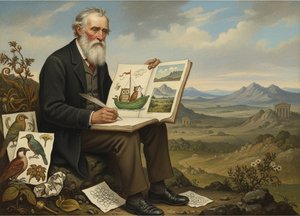
Edward Lear: A Life Beyond Nonsense – Landscape, Illustration & the Poetics of Isolation
Explore the life of Edward Lear beyond his nonsense poems. Discover his stunning landscape paintings, travel illustrations & the poignant themes of isolation in this expert art history analysis.
