

 Podgląd w skali
 Wyślij jako kartkę
 Udostępnij
 Szczegóły dzieła

 Pobierz
 Podobne obiekty
 RTG
RTG Pokaz slajdów
Hotel Lobby


 Rozwiń treść
Giclée / Wydruk artystyczny
Druk giclée lub płótno o jakości muzealnej, szybka realizacja i szeroki wybór opcji wykończenia. ( Zamów ręcznie malowaną reprodukcję Kup obraz wysokiej rozdzielczości)




P118B $10

P118H $10

P118W $10

P438Z $10

P508JH $12

P508YH $12

P805H $10

P805Z $10

P919BZ $10

P919G $10

P919XJ $10

P959ZH $10

P968JZ $12

W106C $8

W218G $10

W218JH $8

W218Y $10

W307PJ $10

W316G $10

W316PJ $8

W316Y $10

W398PJ $8

W4111J $10

W500HY $15

W500JH $15

W692G $12

W849H $8

W940BG $15

W953PJ $8




Wybierz spośród naszych standardowych rozmiarów, które zachowują oryginalne proporcje dzieła sztuki.

Możesz wprowadzić własne wymiary, aby dopasować dzieło do konkretnej ramy lub przestrzeni. Jeśli wybrany rozmiar nie będzie odpowiadał proporcjom oryginalnego obrazu, przytniecie dzieło lub rozszerzymy obraz za pomocą odbicia lustrzanego lub jednolitego wypełnienia krawędzi. Przed rozpoczęciem produkcji prześlemy cyfrową wizualizację do Twojej akceptacji.
Prosimy pamiętać, że podgląd na ekranie nie odzwierciedla faktycznego przycinania ani rozszerzania. Tylko wizualizacja dokładnie pokaże końcową kompozycję.
Mimo dostępności niestandardowych rozmiarów, zalecamy wybór wymiaru z listy zdefiniowanej, aby zachować oryginalne proporcje.
Dostawa na cały świat () w ciągu 2 tygodni zamiast standardowych 4/5 tygodni. (21 Sierpień)

Bezpłatna ekspresowa wysyłka na cały świat

Wysokiej jakości płótno lniane

Pełne ubezpieczenie przesyłki

Gwarancja zwrotu należności celnych i podatków importowych

Gwarancja wiernego odwzorowania kolorów

Polityka 60-dniowego zwrotu (tylko w przypadku wad)

Gwarancja 100% zwrotu kosztów

Zniżka przy zamówieniu wielu produktów
 Opcja ze szkłem jest dostępna wyłącznie w rozmiarach poniżej 110 cm

Hotel Lobby
Giclée / Wydruk artystyczny
Wymiary reprodukcji
-


Cena całkowita
$ 80
Opis kolekcjonerski
A Moment Frozen in Time: Edward Hopper’s “Hotel Lobby”
Edward Hopper's "Hotel Lobby," painted in 1943, isn’t merely a depiction of an interior space; it’s a distilled essence of American loneliness and the quiet drama of everyday life. The photograph captures a scene both familiar and profoundly unsettling – a hotel lobby populated by figures lost in their own thoughts, adrift within a carefully constructed yet ultimately isolating environment. Hopper masterfully employs his signature style, characterized by stark lighting, precise detail, and an almost unnerving stillness, to create an atmosphere thick with unspoken narratives.
The painting’s monochrome palette—a deliberate choice that strips away the distractions of color—forces us to focus on form and texture. The shadows are deep and pervasive, suggesting a sense of enclosure and perhaps even melancholy. Hopper's meticulous attention to detail is evident in the worn upholstery of the chairs, the subtle reflections on the polished surfaces, and the carefully rendered faces of the individuals within the scene. This realism, however, isn’t simply observational; it’s imbued with a psychological depth that elevates the work beyond a straightforward snapshot.
The Language of Isolation
Hopper was deeply attuned to the anxieties and uncertainties of post-war America. “Hotel Lobby” reflects this mood perfectly. The two women, one absorbed in a book, the other resting her head on her hand, represent a poignant tableau of solitude. They are connected by proximity but separated by their internal worlds. The man standing nearby, his posture suggesting observation rather than engagement, further reinforces this sense of detachment. There’s no conversation happening here; only the quiet presence of strangers in a shared space.
The empty chair adds another layer to the composition's narrative. It speaks to missed connections, unfulfilled desires, and the inherent loneliness that can exist even within a public setting. The book itself becomes symbolic – an attempt to escape, perhaps, or a shield against the silence of the room.
Technique and Composition
Hopper’s technique is remarkably controlled, reflecting his rigorous training in realism. He utilized oil paints with a deliberate precision, layering thin washes to build up form and creating subtle gradations of light and shadow. The composition is carefully balanced, drawing the eye across the scene while simultaneously emphasizing the isolation of each figure. Notice how the receding lines of the lobby create a sense of depth, pulling the viewer into the space and intensifying the feeling of being an unseen observer.
- Linear Perspective: Hopper expertly employs linear perspective to draw the eye towards the back of the room, contributing to the overall sense of spaciousness and isolation.
- Light and Shadow: The dramatic interplay of light and shadow is a hallmark of Hopper’s style, creating mood and emphasizing form.
- Figure-Ground Relationship: The figures are carefully positioned against the background, highlighting their solitude and drawing attention to their individual states of mind.
Historical Context and Enduring Resonance
"Hotel Lobby" was painted during a period of significant social and cultural change in America – the shadow of World War II lingered, and anxieties about the future were palpable. Hopper’s work resonated with this mood, capturing the sense of displacement and uncertainty that many Americans felt at the time. Despite being created nearly eighty years ago, the painting continues to hold a powerful resonance today. Its themes of loneliness, isolation, and the quiet drama of everyday life are timeless and universally relatable.
A reproduction of “Hotel Lobby” offers more than just a beautiful image; it’s an invitation to contemplate the complexities of human experience and the subtle beauty found in moments of solitude. OriginalUniqueArt.com is proud to offer high-quality, hand-painted reproductions that faithfully capture the essence of this iconic work by Edward Hopper, allowing you to bring its evocative power into your home or office.
O artyście
A Solitude Observed: The Life and Art of Edward Hopper
Edward Hopper, a name inextricably linked to the quietude and subtle melancholy that permeated 20th-century American life, wasn’t simply a painter of scenes; he was a poet of light and shadow, a chronicler of modern isolation. Born in Nyack, New York, in 1882, to middle-class parents of Dutch ancestry, Hopper's early years provided a stable upbringing that nurtured his artistic inclinations. From childhood sketches meticulously dated and signed, it became evident that keen observation and an innate talent for drawing were central to his being. Though initially encouraged towards commercial illustration – a pragmatic suggestion from his parents – Hopper’s ambitions leaned toward fine art, leading him to the New York School of Art where he studied under William Merritt Chase and Robert Henri. These formative years instilled not only technical skill but also an appreciation for realism and a commitment to depicting the world as he saw it—unvarnished and honest. The writings of Ralph Waldo Emerson resonated deeply with Hopper, reinforcing his sense of individualism and acute observation – qualities that would become hallmarks of his artistic vision. Early travels to Paris exposed him to Impressionism, yet Hopper quickly diverged from its fleeting brushstrokes, forging a path uniquely his own.Finding His Voice: Realism and the American Scene
Hopper’s artistic journey wasn't immediate or effortless. He grappled with discovering his distinctive voice, experimenting with various styles before settling into the realism that would define his career. This wasn’t mere replication of reality; it was a distillation of its essence, stripping away extraneous detail to reveal underlying emotional truths. His paintings began to focus on everyday scenes – houses, diners, offices, hotel rooms – imbued with a sense of stillness and often, loneliness. He possessed an extraordinary ability to capture the psychological states of his subjects, hinting at narratives without explicitly stating them. The precise rendering of light and shadow became crucial, not merely as descriptive elements but as emotional cues, creating atmospheres that were both captivating and unsettling. House by the Railroad (1925), an early masterpiece, exemplifies this approach—a seemingly simple composition radiating a profound sense of isolation and mystery. Hopper’s printmaking, often overlooked, ran parallel to his painting, sharing similar themes and stylistic qualities, demonstrating his mastery across mediums. He wasn't interested in grand historical narratives or allegorical symbolism; he focused on the mundane, elevating it through careful observation and emotional resonance.Iconic Visions: Nighthawks and Beyond
While Hopper’s career unfolded gradually, certain works catapulted him to widespread recognition. Nighthawks (1942), arguably his most famous painting, became an instant icon of American culture. The late-night diner scene, bathed in stark fluorescent light, perfectly encapsulates the alienation and anonymity of modern urban life. The figures within are lost in their own thoughts, disconnected from one another despite their proximity—a poignant commentary on the human condition. Gas (1940), with its striking portrayal of a roadside gas station, showcases Hopper’s fascination with American landscapes and the burgeoning automobile culture. Other notable works like *Automat*, *Office in a Small City*, and *Summertime* each offer unique insights into the complexities of 20th-century American society. These paintings weren't merely depictions of places; they were explorations of mood, psychology, and the subtle dramas unfolding within ordinary settings. His wife, Josephine Nivison Hopper, played a vital role not only as his lifelong companion but also as a frequent model, contributing significantly to the characterization of his female figures.Themes and Legacy: A Lasting Influence
Several recurring themes permeate Hopper’s oeuvre. Urban isolation is perhaps the most prominent—the sense of loneliness experienced by individuals even amidst crowds. He explored the American landscape, both rural and urban, often emphasizing its starkness and emptiness. His work delves into psychological realism, probing the inner lives of his subjects with a sensitivity that transcends mere representation. There’s also an undercurrent of nostalgia for a simpler past, juxtaposed with an acknowledgement of the complexities and anxieties of modern life. Hopper's influence on subsequent artists is undeniable. His unique style has inspired countless painters, including Pierre Sanford Ross, and continues to resonate with contemporary artists seeking to capture the essence of human experience. His paintings remain highly sought after by collectors and are exhibited in major museums worldwide, solidifying his place as a pivotal figure in American art history. More than just an artist, Edward Hopper was a visual philosopher, offering profound insights into the human condition through his masterful use of light, shadow, and composition.- His legacy lies not only in the beauty of his paintings but also in their enduring ability to provoke thought, evoke emotion, and remind us of the quiet solitude that often defines our lives.
- Hopper’s work continues to captivate audiences because it speaks to universal themes of loneliness, isolation, and the search for meaning in a rapidly changing world.
- His paintings have become iconic representations of American culture, often used to symbolize the anxieties and aspirations of the 20th century—and beyond.
- Hopper’s aesthetic has profoundly influenced filmmakers (like Alfred Hitchcock) and writers, inspiring countless works that explore similar themes of alienation and psychological tension.
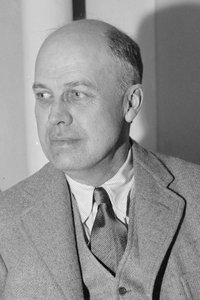
Edward Hopper
1931 - 1967 , Stany Zjednoczone
Krótka nota
- Artistic Movement Or Style: Realizm
- Artists Or Movements Influenced By This Artist: ['Ross']
- Artists Who Influenced This Artist:
- Chase
- Henri
- Date Of Birth: 22 lipca 1882
- Date Of Death: 15 maja 1967
- Full Name: Edward Hopper
- Nationality: Amerykański
- Notable Artworks:
- Nighthawks
- Dom samotny
- Gas
- Place Of Birth: Nyack, USA
Powiązane artykuły
Edward Hopper: 25 Arcydzieł Malarstwa Pełnych Emocji i Amerykańskiej Duszy | OriginalUniqueArt.com
Odkryj 25 arcydzieł Edwarda Hoppera – malarstwa pełnych samotności, realizmu i amerykańskiej duszy. Poznaj historie kultowych obrazów, inspiracje wnętrzarskie i wyjątkową atmosferę jego dzieł. Reprodukcje najwyższej jakości na OriginalUniqueArt.com

Białe arcydzieła: Top 10 słynnych obrazów pełnych światła i emocji | OriginalUniqueArt.pl
Odkryj 10 najsłynniejszych obrazów, w których biel dominuje i tworzy wyjątkową atmosferę. Poznaj historie Moneta, Van Gogha i innych mistrzów! Reprodukcje najwyższej jakości na OriginalUniqueArt.com – inspiracje wnętrzarskie i kolekcjonerstwo sztuki online.

Pierwsze Wrażenie Ma Kluczowe Znaczenie: Jak Sztuka Lobby Kształtuje Tożsamość Wizualną Hotelu i Emocjonalny Nastrój Gości
Dowiedz się, jak sztuka w lobby hotelowym buduje prestiż marki i zachwyca gości! Eksperckie porady projektantów wnętrz, strategie doboru dzieł i inspiracje dla luksusowych hoteli. Stwórz niezapomniane wrażenie!
Top 10 Słynnych Obrazów Idealnych do Lobby Hotelowych – Sztuka i Dekoracja
Odkryj top 10 słynnych obrazów idealnych do lobby hotelowych! Van Gogh, Monet i Klimt – inspiracje dla luksusowego designu wnętrz. Reprodukcje najwyższej jakości na OriginalUniqueArt.com. Eksploruj kolekcję online!

Czarne arcydzieła: Top 10 słynnych obrazów pełnych mroku i ekspresji | OriginalUniqueArt.com
Odkryj 10 słynnych obrazów, w których czerń króluje! Poznaj historie artystów, ekspresjonizm i mroczną paletę barw. Reprodukcje dzieł sztuki najwyższej jakości na OriginalUniqueArt.com – inspiracje do wnętrz i kolekcjonerstwo.



