American Realism · 1951
First Row Orchestra (Edward Hopper, 1951)
Edward Hopper (1882–1967) stworzył First Row Orchestra. Dzieło pochodzi z 1951. Należy do nurtu American Realism. Wykonano w technice Oil On Canvas. Wymiary to 79 × 102 cm.
- 1951
- Oil On Canvas
- 79 × 102 cm

 Podgląd w skali 1:1

 Ręcznie malowany obraz olejny
 Wyślij jako kartkę
 Udostępnij
 Karta informacyjna


 Pobierz obraz
 Podobne obiekty
 RTG
 Pokaz slajdów
 Pytania i odpowiedzi

 Statystyki
First Row Orchestra w skrócie
- Tytuł
- First Row Orchestra
- Artysta
- Edward Hopper (1882–1967)
- Miejsce urodzenia artysty
- Upper Nyack, Stany Zjednoczone
- Data powstania
- 1951
- Technika wykonania
- Oil On Canvas
- Wymiary
- 79 × 102 cm
- Ruch
- American Realism
- Temat
- orchestra, theater, audience, formalwear, isolation, evening
Co przedstawia First Row Orchestra?
A Moment Frozen in Time: Edward Hopper’s “First Row Orchestra”
Edward Hopper's "First Row Orchestra," painted in 1951, isn’t merely a depiction of an evening at the theater; it’s a carefully constructed tableau of urban solitude and quiet contemplation – hallmarks of the artist’s enduring legacy. The painting captures a scene within the first row of an orchestra hall, bathed in the muted light of a late-night performance. It's a study in restraint, a masterful distillation of atmosphere rather than a vibrant narrative. Hopper, already renowned for his explorations of American alienation and the subtle dramas of everyday life, here presents us with a moment suspended in time, inviting viewers to consider the unspoken stories and quiet observations within this seemingly ordinary setting. The stark black-and-white palette—a deliberate choice by Hopper—amplifies the sense of detachment and emphasizes the formal architecture of the theater, creating an almost photographic quality that draws us into the scene.The Language of Light and Form
Hopper’s technique is characterized by a remarkable precision in rendering light and shadow. He employs a restrained use of color – primarily grays, browns, and blues – to create a sense of depth and atmosphere. The strong directional lighting, originating from unseen sources within the theater, sculpts the figures and architecture with dramatic effect. Notice how the light catches the folds of the woman’s fur coat, highlighting her posture and suggesting a private moment of absorption. The use of sharp edges and precise lines contributes to the painting's sense of formality and stillness. Hopper meticulously details the textures – from the plush velvet of the seats to the sheen of the polished wood – adding layers of visual interest without overwhelming the composition. The empty chairs in the foreground, a deliberate compositional element, serve as an invitation for the viewer to step into the scene and imagine themselves among the audience.A Portrait of Modern Isolation
“First Row Orchestra” is deeply rooted within the context of mid-20th century America – a period marked by rapid urbanization, social change, and a growing sense of isolation. Hopper’s work reflects this mood, portraying individuals often lost in their own thoughts, disconnected from one another despite being physically present in public spaces. The woman seated alone, engrossed in her program, embodies this theme perfectly. Her posture suggests both attentiveness to the performance and a profound detachment from the surrounding environment. The other figures – a couple engaged in conversation, a man observing with a slightly melancholic expression – further reinforce this sense of quiet solitude. Hopper wasn’t simply painting a scene; he was capturing a feeling—the subtle ache of loneliness that can permeate even the most crowded spaces.Symbolism and Emotional Resonance
Beyond its immediate visual appeal, “First Row Orchestra” is rich in symbolic meaning. The theater itself represents a temporary escape from the realities of everyday life, a space where individuals can momentarily lose themselves in art and entertainment. However, Hopper subtly suggests that this escape offers little solace. The darkened room, the muted colors, and the solitary figures all contribute to a sense of unease and melancholy. The curtain, a powerful visual element, acts as both a barrier between the audience and the stage and a symbol of separation – separating the performers from the spectators, and perhaps reflecting the emotional distance between individuals in modern society. The painting’s enduring power lies in its ability to evoke a complex range of emotions—a quiet sadness, a sense of longing, and a poignant awareness of human isolation.Bringing “First Row Orchestra” Home
OriginalUniqueArt offers meticulously crafted hand-painted reproductions of Edward Hopper's "First Row Orchestra," allowing you to experience the depth and nuance of this iconic artwork in your own space. Our skilled artists faithfully recreate Hopper’s masterful use of light, shadow, and composition, ensuring that your reproduction captures the painting’s original emotional impact. Whether displayed as a statement piece in a contemporary interior or as a thoughtful addition to a classic setting, “First Row Orchestra” is sure to spark conversation and evoke a sense of quiet contemplation—a timeless reminder of the beauty and melancholy inherent in the human experience. Explore our range of sizes and framing options to find the perfect reproduction for your collection.Zdjęcia w wysokiej rozdzielczości dzieła First Row Orchestra

Protected by copyright: these files are for personal reference, not a licence to republish.
Edward Hopper, First Row Orchestra (1951).
Odpowiedzi na pytania dotyczące First Row Orchestra
W którym roku powstało dzieło „First Row Orchestra” – Edward Hopper?
„First Row Orchestra” – Edward Hopper powstało w 1951.
W jakiej technice wykonano „First Row Orchestra” – Edward Hopper?
„First Row Orchestra” wykonano w technice Oil On Canvas.
Jakie są wymiary oryginalnego dzieła „First Row Orchestra” – Edward Hopper?
Oryginalny utwór „First Row Orchestra” – Edward Hopper ma wymiary 79 x 102 cm.
Co przedstawia "First Row Orchestra"?
Tematyka dzieła "First Row Orchestra" to orchestra, theater, audience, formalwear, isolation, evening, concert, quietness.
Czy obraz „First Row Orchestra” – Edward Hopper można swobodnie reprodukować?
Jeśli chodzi o prawa autorskie, "First Row Orchestra" znajduje się w nadal objęte ochroną prawa autorskiego.
Kto jest autorem dzieła "First Row Orchestra"?
Autorstwo dzieła "First Row Orchestra" przypisuje się Edward Hopper.
Do jakiego nurtu artystycznego należy „First Row Orchestra” – Edward Hopper?
„First Row Orchestra” – Edward Hopper należy do nurtu American Realism. Nurt ten stanowi stylistyczny kontekst dzieła.
Do którego etapu twórczości Edward Hopper należy dzieło „First Row Orchestra”?
W dorobku artystycznym Edward Hopper dzieło „First Row Orchestra” przypada na Mature Period. Ten etap pozwala zestawić je z innymi pracami twórcy.
Ile lat miał Edward Hopper, gdy powstało dzieło „First Row Orchestra”?
Edward Hopper miał 69 lat w momencie powstania „First Row Orchestra” w 1951. Wiek ten obliczono na podstawie roku urodzenia artysty, 1882.
O artyście: Edward Hopper
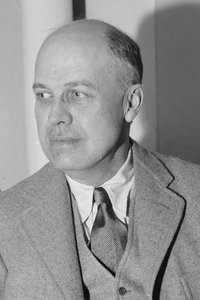
1882–1967, Stany Zjednoczone
Edward Hopper
Cisza amerykańskiego krajobrazu Edward Hopper urodził się w Upper Nyack, w Stanach Zjednoczonych. Jego wczesne lata upłynęły na obserwowaniu świata uważnym okiem, co zapoczątkowały dziecięce szkice, skrupulatnie datowane i podpisane. Choć rodzice sugerowali mu praktyczną ścieżkę w postaci ilustracji komercyjnej, jego serce pozostało przy sztuce wysokiej. Studiował w New York School of Art pod okiem William Merritt Chase oraz Robert Henri.
Inne prace Edward Hopper
 Nocne Ptaki, Instytut Sztuki w Chicago, Chica1942
 Automat (mały)
 Dom przy torach1925
 Nowojorski Film1939
Eseje o First Row Orchestra
 Edward Hopper: 25 Arcydzieł Malarstwa Pełnych Emocji i Amerykańskiej Duszy | OriginalUniqueArt.comOdkryj 25 arcydzieł Edwarda Hoppera – malarstwa pełnych samotności, realizmu i amerykańskiej duszy. Poznaj historie kultowych obrazów, insp…
 Solitude in Color: 10 Masterpieces That Capture the Essence of LonelinessExplore iconic works by Hopper and Dalí that capture profound solitude. Discover all masterpieces on OriginalUniqueArt.com.
 Figurative Expressionism: Integrating Raw Emotion and the Human Form into High-End Hospitality DesignElevate hospitality interiors with Figurative Expressionism. Discover how hand-painted oil reproductions of emotive human forms create prof…