American Realism
Excursion into Philosophy (Edward Hopper)
Edward Hopper (1882–1967) stworzył Excursion into Philosophy. Należy do nurtu American Realism. Wykonano w technice Oil On Canvas.
- Oil On Canvas

 Podgląd w skali 1:1

 Ręcznie malowany obraz olejny
 Wyślij jako kartkę
 Udostępnij
 Karta informacyjna


 Pobierz obraz
 Podobne obiekty
 RTG
 Pokaz slajdów
 Pytania i odpowiedzi

 Statystyki
Excursion into Philosophy w skrócie
- Tytuł
- Excursion into Philosophy
- Artysta
- Edward Hopper (1882–1967)
- Miejsce urodzenia artysty
- Upper Nyack, Stany Zjednoczone
- Technika wykonania
- Oil On Canvas
- Ruch
- American Realism
- Epoka
- Modern
- Temat
- solitude, isolation, reflection, urban scene, interior, light & shadow
Co przedstawia Excursion into Philosophy?
A Quiet Drama: Unveiling Edward Hopper’s “Excursion into Philosophy”
Edward Hopper's "Excursion into Philosophy" is a profoundly evocative work that encapsulates the core tenets of American Realism, offering a glimpse into the introspective lives of ordinary individuals. Painted during a period of rapid social and cultural change in America, this piece transcends mere representation to become a meditation on solitude, contemplation, and the passage of time. Hopper masterfully captures a moment suspended between action and reflection, inviting viewers to project their own narratives onto the scene.Decoding the Scene: Subject & Composition
The painting depicts an intimate interior – a sparsely furnished room dominated by a bed and a window allowing soft, natural light to flood the space. A man sits on the edge of the bed, his gaze directed towards a woman lying prone on the floor nearby. A small table between them holds a book, suggesting intellectual engagement or perhaps a shared moment of quiet study. The composition is deliberately restrained; Hopper eschews dramatic gestures in favor of subtle positioning and nuanced body language. Two figures are partially visible in the background, adding to the sense of enclosure and hinting at lives unfolding beyond the immediate frame. The overall impression is one of stillness and psychological tension.Technique & Style: A Masterclass in Realism
Hopper’s technical prowess shines through in his meticulous rendering of light and shadow. Executed in oil, the painting boasts a rich texture and depth, achieved through careful layering and blending of pigments. His use of color is equally deliberate – a muted palette of blues, browns, and grays creates a somber yet serene atmosphere. The flattened perspective contributes to the sense of theatricality, almost as if we are observing a scene unfolding on a stage. This stylistic choice emphasizes the emotional weight of the moment rather than strict adherence to realistic spatial representation. Hopper’s dedication to realism wasn't about photographic accuracy; it was about capturing the essence of modern American life with honesty and psychological insight.Symbolism & Interpretation: Layers of Meaning
Several symbolic elements enrich the painting’s narrative complexity. The clock prominently displayed above the man serves as a potent reminder of time's relentless march, adding a philosophical dimension to the scene. Is it a symbol of lost opportunities, impending change, or simply the inevitable flow of existence? The book on the table suggests intellectual pursuit, but its closed position could imply stagnation or unresolved questions. The figures themselves are imbued with symbolic weight – their postures and expressions hinting at unspoken emotions and complex relationships. The expansive view visible through the window offers a contrasting sense of freedom and possibility, perhaps representing a longing for escape from the confines of the room—and potentially, from the constraints of life itself.Historical Context & Hopper’s Legacy
“Excursion into Philosophy” reflects the anxieties and uncertainties of post-World War I America. The painting emerged during a period marked by rapid urbanization, social upheaval, and a growing sense of alienation. Hopper's work resonated with audiences because it captured these feelings with unflinching honesty. He became one of the most important chroniclers of 20th-century American life, influencing generations of artists with his distinctive style and thematic concerns. His paintings continue to be celebrated for their emotional depth, technical brilliance, and enduring relevance.Emotional Resonance & Collecting Considerations
“Excursion into Philosophy” evokes a range of emotions – melancholy, introspection, quiet desperation, and perhaps even a glimmer of hope. It’s a painting that stays with the viewer long after they've turned away, prompting contemplation on the human condition. For collectors and interior designers, a reproduction of this work offers a sophisticated touch of American Realism, adding depth and intellectual weight to any space.- The muted color palette complements a variety of décor styles.
- The painting’s introspective mood creates a calming and contemplative atmosphere.
- Its iconic status ensures lasting artistic value.
Zdjęcia w wysokiej rozdzielczości dzieła Excursion into Philosophy

Protected by copyright: these files are for personal reference, not a licence to republish.
Edward Hopper, Excursion into Philosophy.
Odpowiedzi na pytania dotyczące Excursion into Philosophy
W jakiej technice wykonano „Excursion into Philosophy” – Edward Hopper?
Edward Hopper wykorzystał/a technikę Oil On Canvas w pracy „Excursion into Philosophy”. Technika ta definiuje materię oryginalnego dzieła.
Co przedstawia „Excursion into Philosophy” – Edward Hopper?
Tematyka obecna w „Excursion into Philosophy” – Edward Hopper obejmuje solitude, isolation, reflection, urban scene, interior, light & shadow, american life, philosophical. Razem stanowią one podsumowanie tematyki dzieła.
Czy dzieło "Excursion into Philosophy" znajduje się w domenie publicznej?
Status praw autorskich dla „Excursion into Philosophy” – Edward Hopper: dzieło znajduje się w nadal objęte ochroną prawa autorskiego. Określa to, czy reprodukcje obrazu mogą być sporządzane swobodnie.
Kto jest autorem dzieła "Excursion into Philosophy"?
Autorem dzieła „Excursion into Philosophy” jest Edward Hopper. Praca ta figuruje w katalogu pod nazwiskiem Edward Hopper.
Do jakiego nurtu artystycznego należy „Excursion into Philosophy” – Edward Hopper?
Nurt związany z „Excursion into Philosophy” – Edward Hopper to American Realism. Ta klasyfikacja sytuuje dzieło wśród pokrewnych artystów i dzieł sztuki.
Do którego okresu twórczości Edward Hopper należy dzieło „Excursion into Philosophy”?
„Excursion into Philosophy” pochodzi z okresu Mature Period w twórczości Edward Hopper. Klasyfikacja ta wiąże dzieło z rozwojem artysty.
Co wyjaśnia sytuację prawną dotyczącą praw autorskich do „Excursion into Philosophy” – Edward Hopper?
Dzieło "Excursion into Philosophy" autorstwa Edward Hopper znajduje się w nadal objęte ochroną prawa autorskiego. Okres ochrony praw autorskich liczony jest od daty śmierci artysty, a Edward Hopper zmarł(a) w 1967.
Co łączy "Excursion into Philosophy" z resztą twórczości Edward Hopper?
W dorobku Edward Hopper, "Excursion into Philosophy" wpisuje się w styl American Realism, nawiązując do tematów takich jak captures quiet, introspective moments.
Jakie miejsce zajmuje „Excursion into Philosophy” wśród powracających motywów w twórczości Edward Hopper?
Wśród motywów charakterystycznych dla twórczości Edward Hopper – takich jak captures quiet, introspective moments – dzieło „Excursion into Philosophy” wprowadza własne skupienie na solitude, isolation, reflection, urban scene, interior, light & shadow, american life, philosophical.
O artyście: Edward Hopper
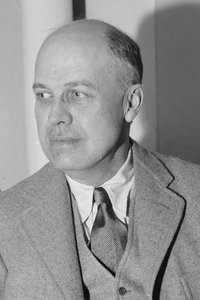
1882–1967, Stany Zjednoczone
Edward Hopper
Cisza amerykańskiego krajobrazu Edward Hopper urodził się w Upper Nyack, w Stanach Zjednoczonych. Jego wczesne lata upłynęły na obserwowaniu świata uważnym okiem, co zapoczątkowały dziecięce szkice, skrupulatnie datowane i podpisane. Choć rodzice sugerowali mu praktyczną ścieżkę w postaci ilustracji komercyjnej, jego serce pozostało przy sztuce wysokiej. Studiował w New York School of Art pod okiem William Merritt Chase oraz Robert Henri.
Inne prace Edward Hopper
 Nocne Ptaki, Instytut Sztuki w Chicago, Chica1942
 Automat (mały)
 Dom przy torach1925
 Nowojorski Film1939
Eseje o Excursion into Philosophy
 Mastering Solitude: The Top 25 Iconic Artworks by Edward HopperStep into the quiet world of American Realism with our curated guide to the top 25 Edward Hopper artworks. Explore the light, shadow, and s…
 American contemporary realist paintersAmerican contemporary realist painters like Edward Hopper define modern life. Explore the full collection online at OriginalUniqueArt.com.
 Time's Relentless March: Decoding the Symbolism of Clocks and Hourglasses in Vanitas ArtExplore the profound symbolism of clocks and hourglasses in Dutch Vanitas art. Decode these Baroque masterpieces with our expert guide.