American Impressionism · 1930
Corn Hill (Edward Hopper, 1930)
Edward Hopper (1882–1967) stworzył Corn Hill. Dzieło pochodzi z 1930. Należy do nurtu American Impressionism. Wykonano w technice Oil On Canvas. Wymiary to 72 × 107 cm.
- 1930
- Oil On Canvas
- 72 × 107 cm

 Podgląd w skali 1:1

 Ręcznie malowany obraz olejny
 Wyślij jako kartkę
 Udostępnij
 Karta informacyjna


 Pobierz obraz
 Podobne obiekty
 RTG
 Pokaz slajdów
 Pytania i odpowiedzi

 Statystyki
Corn Hill w skrócie
- Tytuł
- Corn Hill
- Artysta
- Edward Hopper (1882–1967)
- Miejsce urodzenia artysty
- Upper Nyack, Stany Zjednoczone
- Data powstania
- 1930
- Technika wykonania
- Oil On Canvas
- Wymiary
- 72 × 107 cm
- Temat
- landscape, dunes, coastal, houses, solitude, light
Co przedstawia Corn Hill?
A Solitary Gaze: Edward Hopper’s “Corn Hill”
Edward Hopper's "Corn Hill," painted in 1930, isn’t merely a depiction of a rural landscape; it’s a poignant meditation on isolation and the quiet dignity of human existence within the vastness of nature. This oil-on-canvas masterpiece, currently residing at the McNay Art Museum in San Antonio, Texas, captures a fleeting moment along the Cape Cod coast, yet resonates with an enduring sense of melancholy that has captivated viewers for decades. Hopper, a master of American Realism, skillfully employs light and shadow to evoke not just a scene, but a feeling—a subtle yearning for connection amidst a world often defined by solitude.
Composition and Technique: A Study in Light and Perspective
The painting’s composition is deceptively simple. A cluster of modest houses, rendered with Hopper's signature precision and restraint, nestles upon the crest of a rolling dune. The perspective isn’t aggressively linear; instead, it’s subtly flattened, creating an almost dreamlike quality. This deliberate avoidance of strict realism contributes to the painting’s emotional impact, suggesting a world viewed through a contemplative lens. Hopper's masterful use of light is particularly noteworthy. A diffused sunlight streams down upon the houses and the surrounding landscape, casting long shadows that emphasize their isolation. The color palette—primarily ochre, yellow, and muted blues—is restrained yet evocative, lending a sense of quiet dignity to the scene. Notice how he uses variations in tone to create depth and texture, from the smooth expanse of the dunes to the rougher contours of the buildings.
Symbolism and Narrative Resonance
“Corn Hill” is rich with symbolic meaning. The isolated houses represent not just dwellings but also the human need for connection—a desire that often goes unfulfilled in a modern world. The vastness of the dune field underscores this sense of isolation, suggesting a vulnerability against the power of nature. The painting’s title itself, “Corn Hill,” subtly references the historical significance of the site – the location where Pilgrims stole corn from the Nauset tribe, highlighting themes of survival and adaptation. Hopper's inclusion of these details invites viewers to contemplate the relationship between humanity and its environment, as well as the enduring legacy of past events.
Hopper’s Legacy: A Portrait of Modern America
“Corn Hill” is a quintessential example of Edward Hopper's artistic vision. Painted during a period of significant social and economic change in America, it reflects the growing sense of alienation and uncertainty that characterized the era. Hopper’s work resonated deeply with audiences because it captured the quiet realities of everyday life—the loneliness, the unspoken desires, and the subtle beauty found within the mundane. His paintings continue to be studied and admired for their ability to evoke powerful emotions through deceptively simple compositions and masterful use of light and color. “Corn Hill” stands as a testament to Hopper’s enduring legacy as one of America's most important artists, offering a timeless reflection on the human condition.
Zdjęcia w wysokiej rozdzielczości dzieła Corn Hill

Chronione prawem autorskim: pliki te służą wyłącznie do osobistego wglądu i nie stanowią licencji na ich powielanie.
Edward Hopper, Corn Hill (1930).
Odpowiedzi na pytania dotyczące Corn Hill
W którym roku powstało dzieło "Corn Hill"?
Powstanie „Corn Hill” – Edward Hopper datuje się na 1930.
W jakiej technice wykonano „Corn Hill” – Edward Hopper?
Edward Hopper wykorzystał/a technikę Oil On Canvas w pracy „Corn Hill”. Technika ta definiuje materię oryginalnego dzieła.
Jakie są wymiary oryginału "Corn Hill"?
Oryginalne wymiary dzieła „Corn Hill” to 72 x 107 cm. Znajomość pierwotnej skali może być pomocna przy wyborze odpowiedniego rozmiaru reprodukcji.
Co przedstawia „Corn Hill” – Edward Hopper?
„Corn Hill” – Edward Hopper przedstawia: landscape, dunes, coastal, houses, solitude, light, atmosphere, american art.
Czy dzieło "Corn Hill" znajduje się w domenie publicznej?
„Corn Hill” – Edward Hopper znajduje się w domenie publicznej (nadal objęte ochroną prawa autorskiego). Status ten określa zasady reprodukcji obrazu tego dzieła.
Któremu artyście przypisuje się "Corn Hill"?
Autorstwo dzieła "Corn Hill" przypisuje się Edward Hopper.
Do jakiego nurtu artystycznego należy „Corn Hill” – Edward Hopper?
Nurt związany z „Corn Hill” – Edward Hopper to American Impressionism. Ta klasyfikacja sytuuje dzieło wśród pokrewnych artystów i dzieł sztuki.
Do którego okresu twórczości Edward Hopper należy dzieło „Corn Hill”?
"Corn Hill" reprezentuje Mature Period twórczości Edward Hopper.
Ile lat miał Edward Hopper, gdy powstało dzieło „Corn Hill”?
Gdy w 1930 roku powstało dzieło „Corn Hill”, Edward Hopper – urodzony/a w 1882 – miał/a 48 lat.
O artyście: Edward Hopper
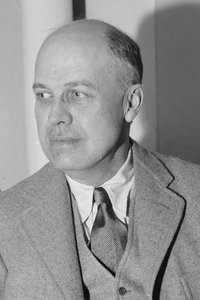
1882–1967, Stany Zjednoczone
Edward Hopper
Cisza amerykańskiego krajobrazu Edward Hopper urodził się w Upper Nyack, w Stanach Zjednoczonych. Jego wczesne lata upłynęły na obserwowaniu świata uważnym okiem, co zapoczątkowały dziecięce szkice, skrupulatnie datowane i podpisane. Choć rodzice sugerowali mu praktyczną ścieżkę w postaci ilustracji komercyjnej, jego serce pozostało przy sztuce wysokiej. Studiował w New York School of Art pod okiem William Merritt Chase oraz Robert Henri.
Inne prace Edward Hopper
 Nocne Ptaki, Instytut Sztuki w Chicago, Chica1942
 Automat (mały)
 Dom przy torach1925
 Nowojorski Film1939
Eseje o Corn Hill
 Masterpieces of Solitude: The Top 25 Edward Hopper ArtworksImmerse yourself in the quiet mastery of American Realism. Explore our curated list of the top 25 Edward Hopper artworks, from Nighthawks t…
 Beauty or Meaning? Distinguishing Aestheticism from SymbolismMaster the nuances between Aestheticism and Symbolism with our expert art history guide. Learn to decode the secrets of these movements now.
 The Quietude of the Earth: Observing the Pastoral Tradition in Classical Landscape ArtExplore the evolution of pastoral landscapes from Titian to Impressionism with expert analysis. Discover the beauty of classical art today.