Text size

() ·

A painting made for you, by hand

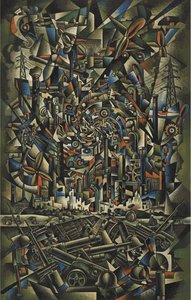
Soldiers at Rye

Ręcznie malowana reprodukcja olejowa

Ręcznie malowany obraz olejny na płótnie, wykonany na zamówienie przez naszych artystów w wybranym przez Ciebie wymiarze i oprawie. ( Przełącz na wydania drukowane Przejdź do wersji cyfrowej)

Opis obiektu

Edward Burra’s ‘Soldiers at Rye’ (1941) captures a dynamic battlefield scene with 13 soldiers in stunning detail. Explore this iconic British artist's masterful realism and historical significance.

Biografia artysty

Discover Edward Burra (1905-1976): British Surrealist master of watercolor. Explore his unsettling scenes of urban life, exoticism & Dada influence. Pioneering 20thC art.

from ·

Chapter 1

How large should it be?

Slide to change the size; the picture on the left shows the frame at its real width. The proportions of the original are kept.

Standardowy format
personalizowane
CM
INCH

Wybierz spośród naszych standardowych rozmiarów, które zachowują oryginalne proporcje dzieła sztuki.

szerokość
wysokość

Wpisz wymaganą szerokość i wysokość, aby obraz pasował do Twojej ramy lub ściany. Ponieważ jest to dzieło malowane ręcznie, w przypadku rozmiaru o innych proporcjach artysta może domalować nieco więcej wokół obrazu lub przyciąć jego fragmenty — wybór należy do Ciebie. Przed rozpoczęciem pracy prześlemy Ci cyfrową wizualizację do zatwierdzenia. Obraz widoczny na tej stronie nie przedstawia rzeczywistego efektu — jedynie wizualizacja oddaje realny rezultat.

Chapter 2

How should it arrive?

Choose the edges of the stretched canvas

Choose your frame

Corner sample of the WhiteWrap canvas edge finish, stretched on lite drewno bars
White zł1
Corner sample of the BlurSideWrap canvas edge finish, stretched on lite drewno bars
Blurside zł1
Corner sample of the ExtendedWrap canvas edge finish, stretched on lite drewno bars
Extended zł1
Corner sample of the P118B picture frame: polistyren formowany, 5 cm wide and 3 cm thick
P118B zł10
Corner sample of the P118H picture frame: polistyren formowany, 5 cm wide and 3 cm thick
P118H zł10
Corner sample of the P118W picture frame: polistyren formowany, 5 cm wide and 3 cm thick
P118W zł10
Corner sample of the P438Z picture frame: polistyren formowany, 5.5 cm wide and 3.5 cm thick
P438Z zł10
Corner sample of the P508JH picture frame: polistyren formowany, 7 cm wide and 3.5 cm thick
P508JH zł12
Corner sample of the P508YH picture frame: polistyren formowany, 7 cm wide and 3.5 cm thick
P508YH zł12
Corner sample of the P805H picture frame: polistyren formowany, 5 cm wide and 3.5 cm thick
P805H zł10
Corner sample of the P805Z picture frame: polistyren formowany, 5 cm wide and 3.5 cm thick
P805Z zł10
Corner sample of the P919BZ picture frame: polistyren formowany, 7 cm wide and 3.5 cm thick
P919BZ zł10
Corner sample of the P919G picture frame: polistyren formowany, 7 cm wide and 3.5 cm thick
P919G zł10
Corner sample of the P919XJ picture frame: polistyren formowany, 7 cm wide and 3.5 cm thick
P919XJ zł10
Corner sample of the P959ZH picture frame: polistyren formowany, 5 cm wide and 3 cm thick
P959ZH zł10
Corner sample of the P968JZ picture frame: polistyren formowany, 6 cm wide and 4 cm thick
P968JZ zł12
Corner sample of the W106C picture frame: lite drewno, 5 cm wide and 3 cm thick
W106C zł8
Corner sample of the W218G picture frame: lite drewno, 5 cm wide and 3 cm thick
W218G zł10
Corner sample of the W218JH picture frame: lite drewno, 5 cm wide and 3 cm thick
W218JH zł8
Corner sample of the W218Y picture frame: lite drewno, 5 cm wide and 3 cm thick
W218Y zł10
Corner sample of the W307PJ picture frame: lite drewno, 6 cm wide and 3 cm thick
W307PJ zł10
Corner sample of the W316G picture frame: lite drewno, 6 cm wide and 3 cm thick
W316G zł10
Corner sample of the W316PJ picture frame: lite drewno, 6 cm wide and 3 cm thick
W316PJ zł8
Corner sample of the W316Y picture frame: lite drewno, 6 cm wide and 3 cm thick
W316Y zł10
Corner sample of the W398PJ picture frame: lite drewno, 5 cm wide and 3 cm thick
W398PJ zł8
Corner sample of the W4111J picture frame: lite drewno, 6.5 cm wide and 3.5 cm thick
W4111J zł10
Corner sample of the W500HY picture frame: lite drewno, 7 cm wide and 5 cm thick
W500HY zł15
Corner sample of the W500JH picture frame: lite drewno, 7 cm wide and 5 cm thick
W500JH zł15
Corner sample of the W692G picture frame: lite drewno, 8 cm wide and 4 cm thick
W692G zł12
Corner sample of the W849H picture frame: lite drewno, 5 cm wide and 3 cm thick
W849H zł8
Corner sample of the W940BG picture frame: lite drewno, 7.5 cm wide and 4.5 cm thick
W940BG zł15
Corner sample of the W953PJ picture frame: lite drewno, 6 cm wide and 3.5 cm thick
W953PJ zł8
Corner sample of the H24-GOLD picture frame: rzeźbione drewno pokryte gipsem, 10 cm wide and 6 cm thick
H24-GOLD zł30
Corner sample of the H24-SILVER picture frame: rzeźbione drewno pokryte gipsem, 10 cm wide and 6 cm thick
H24-SILVER zł30
Corner sample of the H36-GOLD picture frame: rzeźbione drewno pokryte gipsem, 15 cm wide and 6.5 cm thick
H36-GOLD zł45
Corner sample of the H36-SILVER picture frame: rzeźbione drewno pokryte gipsem, 15 cm wide and 6.5 cm thick
H36-SILVER zł45

Moulding: . Overall size with the frame: .

Chapter 3

Who paints it, and should anything change?

Examples of what can be changed: Replace face with customer photo; Add pet (e.g., replace cat with dog); Include hidden message in background; Change background landscape or elements.
After order, OriginalUniqueArt.com team will email client for instructions and provide a mockup preview

Dostawa na całym świecie () w ciągu 3–4 tygodni zamiast standardowych 5 tygodni. (2 Listopad). Bez kompromisów w kwestii jakości.

Chapter 4

The finishing touches

A nameplate, as in a museum?

Szczegóły grawerowanej brązowej tabliczki

This elegant plaque features the artist's name and the title of the artwork, finely engraved for a timeless presentation.

It is made from bronze with a refined, elegant finish. The text is precisely laser-engraved for a sharp and permanent result. Measuring 9x2 cm, the plaque is compact yet easy to read. It's built to be durable and scratch-resistant, offering a professional, museum-quality look. Mounting is simple thanks to the included adhesive backing.

Szczegóły przezroczystej tabliczki akrylowej

The plaque includes essential engraved details such as the artist's name, the title of the artwork, the date it was created, the type of media used-like oil on canvas or watercolor-a brief description of the piece, and a QR code that links to the complete artwork information.

It is crafted from clear acrylic, offering a sleek, modern appearance. The text is UV-engraved in black to ensure strong visual contrast. With a size of 10x15 cm, it ensures optimal readability. It comes equipped with two metal hooks for secure wall mounting. The plaque is designed to be weather-resistant, making it suitable for various environments, and it includes interactive features that work seamlessly with smartphone scanning.

Szczegóły czarnej tabliczki akrylowej

This elegant plaque includes engraved information such as the artist's name, the title of the artwork, the date it was created, the type of media used (like oil on canvas or watercolor), a short description of the artwork, and a QR code for quick access to more information.

The plaque itself is made from refined black acrylic with a premium finish. The text is laser-engraved in white for high contrast and readability. Its size is 10x15 cm, designed to be easy to read. It comes with two metal hooks for professional mounting. The design is sleek and fits any interior style. It is also weather-resistant and durable, with built-in digital integration for mobile compatibility.

A protective varnish?

When do you need it?

Chapter 5

Your painting, as you ordered it

Soldiers at Rye

Technika reprodukcji

Wymiary reprodukcji

-

Wybitny mistrz artystyczny

Większa szczegółowość, finezja i dodatkowy czas na realizację

-

Opcje oprawy reprodukcji

-

-

W przypadku dzieł sztuki lub reprodukcji, których którykolwiek z boków przekracza 105 cm (około 41 cali), rama zostanie wysłana w formie zestawu do samodzielnego montażu. Metoda ta zapewnia bezpieczną dostawę i zapobiega uszkodzeniom podczas transportu.

Wymagany profesjonalny montaż – nie jest to produkt typu DIY.
Zestaw musi zostać złożony, a płótno naciągnięte przez doświadczonego profesjonalnego ramiarza, przy użyciu kleju do drewna (brak w zestawie), kleszczy do naciągania płótna oraz ścisków, które utrzymają krosna w równej pozycji podczas schnięcia kleju. Nieprawidłowy montaż lub nierównomierne napięcie płótna może trwale uszkodzić dzieło sztuki i nie podlega naszej gwarancji.

  • W zestawie znajdują się wszystkie listwy z litego drewna, precyzyjnie docięte do wymiarów.

  • Montaż odbywa się przy użyciu dołączonych wkrętów oraz kleju do drewna do łączenia narożników, którego zestaw nie zawiera i który musi zostać dostarczony przez ramiarza.

  • Wymagane są profesjonalne narzędzia, których nie ma w zestawie: kleszcze do naciągania płótna (napinacz) oraz zaciski, które pozwolą utrzymać listwy w równej pozycji podczas schnięcia kleju.

Ważne:
Do połączenia narożników niezbędny jest klej do drewna, listwy należy unieruchomić za pomocą ścisków do momentu całkowitego wyschnięcia kleju, a naciągnięcie płótna na złożoną ramę wymaga użycia kleszczy do naciągania płótna. Żaden z tych elementów nie jest dołączony do zestawu. Przed zamówieniem tego rozmiaru zalecamy konsultację z doświadczonym ramiarzem.

Etykieta obiektu

-

-

Lakier ochronny

Lakier z połyskiem (pogłębia kolory, chroni przed światłem i wilgocią)

-

Personalizacja dzieła

Przykłady możliwości personalizacji: zastąp twarz zdjęciem klienta; dodaj zwierzę domowe (np. zamień kota na psa); umieść ukrytą wiadomość w tle; zmień krajobraz lub elementy tła.

-

Ekspresowa

Dostawa na cały świat () w ciągu 3–4 tygodni zamiast standardowych 5 tygodni. (2 Listopad). Bez kompromisów w kwestii jakości.

-

Przesyłka ekspresowa

Dostawa na cały świat () w ciągu 5 tygodni. (9 Listopad).

W cenie

Cena całkowita

zł 1167

Suma całkowita zł 1167

Opcja ze szkłem jest dostępna wyłącznie w rozmiarach poniżej 110 cm

Included with every order

  • Bezpłatna ekspresowa wysyłka na cały świat
  • Wysokiej jakości płótno lniane
  • Pełne ubezpieczenie przesyłki
  • Gwarancja zwrotu należności celnych i podatków importowych
  • Gwarancja wiernego odwzorowania kolorów
  • 100-dniowa polityka zwrotów (tylko w przypadku wad)
  • Gwarancja 100% zwrotu pieniędzy
  • Zniżka przy zakupie wielu sztuk

A Stage of War: Edward Burra’s ‘Soldiers at Rye’

Edward Burra's 1941 painting, *Soldiers at Rye*, is a powerfully unsettling depiction of military life during wartime. The scene presents thirteen figures – soldiers in varying states of readiness – positioned within a bleak and indeterminate landscape. Rather than glorifying combat, Burra offers a starkly realistic portrayal, devoid of heroism, focusing instead on the psychological weight and inherent tension of waiting for action. The composition is deliberately claustrophobic; the tightly packed figures create a sense of unease and shared anxiety. This isn’t a triumphant march or a dramatic battle scene, but a moment suspended in time – a breath held before an uncertain future.

Style & Technique: A Surrealist Glimpse into Reality

Burra's style is uniquely his own, blending elements of Surrealism with a distinctly British sensibility for realism and social commentary. While not strictly adhering to any single movement, the influence of artists like George Grosz – whom Burra discovered through Paul Nash – is evident in the angularity of the figures and the gritty depiction of their surroundings. He employs a meticulous technique, building up layers of watercolor and gouache to achieve remarkable detail, particularly in the rendering of uniforms and facial expressions. The color palette is muted and earthy, dominated by browns, greys, and ochres, reinforcing the somber mood. This deliberate restraint contributes to the painting’s overall sense of foreboding. Burra's masterful draughtsmanship, honed during his training at the Royal College of Art, shines through in the precise linework that defines each figure.

Historical Context & The Spirit of 1941

Created in 1941, *Soldiers at Rye* is deeply rooted in the anxieties of World War II. Though painted relatively early in Britain’s involvement, the shadow of conflict looms large over the canvas. The location, Rye – a historic town on the south coast of England – was strategically important during the war, vulnerable to invasion and serving as a staging ground for troops. Burra himself did not serve in the military, but his work reflects a profound awareness of the national mood and the psychological toll of wartime. The painting can be seen as a response to official war art that often romanticized conflict; instead, Burra presents an unvarnished view of the human cost of war, focusing on the quiet desperation and uncertainty experienced by those who fought.

Emotional Resonance & Lasting Impact

*Soldiers at Rye* is not a painting that offers easy answers or comforting narratives. It’s a work that demands contemplation, prompting viewers to confront the complexities of war and its impact on the human psyche. The soldiers' expressions – ranging from stoicism to apprehension – invite empathy and understanding. The lack of a clear narrative allows for multiple interpretations, making it a timeless piece that continues to resonate with audiences today. Its enduring power lies in its ability to capture not just the physical realities of war, but also the emotional weight carried by those who serve. The painting serves as a potent reminder of the human cost of conflict and the importance of remembering the sacrifices made by generations past.

Pytania i odpowiedzi

Gdzie mogę kupić wydruk „Soldiers at Rye” – Edward Burra?

Odbitkę dzieła „Soldiers at Rye” – Edward Burra można zamówić bezpośrednio na stronie Wydruk artystyczny premium: szlachetna odbitka na płótnie bawełnianym lub archiwalnym papierze o strukturze płótna.

Do jakiego nurtu artystycznego należy „Soldiers at Rye” – Edward Burra?

Nurt związany z „Soldiers at Rye” – Edward Burra to Realism. Ta klasyfikacja sytuuje dzieło wśród pokrewnych artystów i dzieł sztuki.

Jak zbudowana jest kompozycja kolorystyczna „Soldiers at Rye” – Edward Burra?

Analiza kolorystyczna dzieła „Soldiers at Rye” – Edward Burra ukazuje Bold kontrast oraz Discordant Palette harmonię.

More about this painting

Podgląd w skali 1:1 Podgląd AR Przełącz na wydania drukowane Przejdź do wersji cyfrowej Wyślij jako kartkę
Szczegóły dzieła Przewodnik Dodaj do ulubionych Pobierz obraz Podobne obiekty RTG Pokaz slajdów Q&A Statystyki

In numbers

  • 1941the year it was painted
  • 29frames to choose from
  • standard sizes, in its own proportions
  • 5weeks to paint and deliver it

About the original

Edward Burra

Edward Burra

1905 - 1976, United Kingdom

Quick facts about Edward Burra

  • Name: Edward Burra
  • Movement:
    • Surrealism
    • Dadaism
  • Birth Date: 1905
  • Death Date: 1976
  • Birth Place: South Kensington, United Kingdom
  • Nationality: British
  • Date Of Birth: 1905
  • Date Of Death: 1976
  • Influenced By: Paul Nash, George Grosz
  • Notable Works:
    • The Jungle
    • Dancing Skeletons
    • The Snack Bar
    • Soldiers at Rye
  • Place Of Birth: South Kensington, United Kingdom

Biografia artysty

Edward Burra: A Life in Surreal Visions

Early Life and Education

  • Born: South Kensington, United Kingdom, 1905.
  • Edward Burra demonstrated artistic talent early on, particularly as a draughtsman.
  • He received his formal training at the Royal College of Art from 1923 to 1925, honing his skills in drawing and painting.

Early Travels and Influences (1920s)

  • During the latter half of the 1920s, Burra travelled extensively throughout France.
  • He focused on depicting detailed urban scenes, often portraying the harsh realities of life in cities like Toulon and Marseille.
  • These early works reveal a keen observational eye and a sensitivity to social conditions.
  • A pivotal moment came in 1927 when he met Paul Nash, who introduced him to avant-garde periodicals.
  • Exposure to artists like George Grosz through these publications profoundly influenced Burra, inspiring him to experiment with collage and drawing within a Dadaist spirit.

Artistic Development & Key Themes (1930s-1940s)

  • The Jungle (1931) exemplifies Burra’s fascination with the exotic and forbidden. The painting depicts a lavish dinner party set in a fantastical tropical world, blending sensuality with premonitions of death.
  • Burra was among the first British artists to embrace Surrealism, creating a distinctive universe populated by extravagantly dressed women, workers, sailors, and soldiers—often situated in imaginary locales.
  • His physical health, compromised from childhood, led him to favor watercolor as his primary medium due to its relative ease of use compared to oil paints.
  • He held his first solo exhibition at the Leicester Galleries in 1930.
  • The impact of Picasso’s Guernica was significant, prompting a shift in Burra's artistic style.

World War II and Later Life (1940s-1976)

  • During World War II, travel restrictions led Burra to work as a stage designer for theatrical productions and ballets, achieving some recognition in this field.
  • He declined an invitation to become a Royal Academician in 1963 but accepted the Order of the British Empire in 1971.
  • A major retrospective of his work was organized by the Tate Gallery in 1973, solidifying his place within British art history.
  • He died in Hastings on March 22, 1976, as a result of complications from a fractured iliac bone.

Artistic Style and Historical Significance

  • Burra’s style is characterized by its unsettling atmosphere, vivid colors, and distorted figures.
  • He masterfully blended elements of Dadaism and Surrealism with a uniquely British sensibility.
  • His work offers a critical commentary on social issues, exploring themes of alienation, decadence, and the darker aspects of human nature.
  • Though not always widely recognized during his lifetime, Edward Burra is now considered a pioneering figure in 20th-century British art, influencing subsequent generations of artists with his distinctive vision.

Najważniejsze informacje

  • title: Soldiers at Rye
  • artist: Edward Burra
  • subject: Military conflict, soldiers on a battlefield

Quiz o sztuce

Do każdego pytania dotyczy tylko jedna poprawna odpowiedź.

Pytanie 1:
In what year was Edward Burra's 'Soldiers at Rye' painted?
Pytanie 2:
Which artistic movement is most closely associated with Edward Burra's style, as seen in 'Soldiers at Rye'?
Pytanie 3:
Who significantly influenced Burra's artistic development by introducing him to avant-garde periodicals?
Pytanie 4:
What is the primary subject matter depicted in 'Soldiers at Rye'?