Text size

() ·

A painting made for you, by hand

The Dead Mother and Child

Ręcznie malowana reprodukcja olejowa

Ręcznie malowany obraz olejny na płótnie, wykonany na zamówienie przez naszych artystów w wybranym przez Ciebie wymiarze i oprawie. ( Przełącz na wydania drukowane Przejdź do wersji cyfrowej)

Opis obiektu

A hauntingly visceral encounter with grief defines Edvard Munchs 1901 Expressionist masterpiece The Dead Mother and Child, a profound exploration of mortality that invites you to experience its raw emotional depth.

Biografia artysty

Edvard Munch – norweski malarz, twórcja pełna lęków i emocji. 'Krzyk' to ikona współczesności. Odkryj świat jego mrocznych wizji i symboli! #Munch #art #Norwegia

from ·

Chapter 1

How large should it be?

Slide to change the size; the picture on the left shows the frame at its real width. The proportions of the original are kept.

Standardowy format
personalizowane
CM
INCH

Wybierz spośród naszych standardowych rozmiarów, które zachowują oryginalne proporcje dzieła sztuki.

szerokość
wysokość

Wpisz wymaganą szerokość i wysokość, aby obraz pasował do Twojej ramy lub ściany. Ponieważ jest to dzieło malowane ręcznie, w przypadku rozmiaru o innych proporcjach artysta może domalować nieco więcej wokół obrazu lub przyciąć jego fragmenty — wybór należy do Ciebie. Przed rozpoczęciem pracy prześlemy Ci cyfrową wizualizację do zatwierdzenia. Obraz widoczny na tej stronie nie przedstawia rzeczywistego efektu — jedynie wizualizacja oddaje realny rezultat.

Chapter 2

How should it arrive?

Choose the edges of the stretched canvas

Choose your frame

Corner sample of the WhiteWrap canvas edge finish, stretched on lite drewno bars
White zł1
Corner sample of the BlurSideWrap canvas edge finish, stretched on lite drewno bars
Blurside zł1
Corner sample of the ExtendedWrap canvas edge finish, stretched on lite drewno bars
Extended zł1
Corner sample of the P118B picture frame: polistyren formowany, 5 cm wide and 3 cm thick
P118B zł10
Corner sample of the P118H picture frame: polistyren formowany, 5 cm wide and 3 cm thick
P118H zł10
Corner sample of the P118W picture frame: polistyren formowany, 5 cm wide and 3 cm thick
P118W zł10
Corner sample of the P438Z picture frame: polistyren formowany, 5.5 cm wide and 3.5 cm thick
P438Z zł10
Corner sample of the P508JH picture frame: polistyren formowany, 7 cm wide and 3.5 cm thick
P508JH zł12
Corner sample of the P508YH picture frame: polistyren formowany, 7 cm wide and 3.5 cm thick
P508YH zł12
Corner sample of the P805H picture frame: polistyren formowany, 5 cm wide and 3.5 cm thick
P805H zł10
Corner sample of the P805Z picture frame: polistyren formowany, 5 cm wide and 3.5 cm thick
P805Z zł10
Corner sample of the P919BZ picture frame: polistyren formowany, 7 cm wide and 3.5 cm thick
P919BZ zł10
Corner sample of the P919G picture frame: polistyren formowany, 7 cm wide and 3.5 cm thick
P919G zł10
Corner sample of the P919XJ picture frame: polistyren formowany, 7 cm wide and 3.5 cm thick
P919XJ zł10
Corner sample of the P959ZH picture frame: polistyren formowany, 5 cm wide and 3 cm thick
P959ZH zł10
Corner sample of the P968JZ picture frame: polistyren formowany, 6 cm wide and 4 cm thick
P968JZ zł12
Corner sample of the W106C picture frame: lite drewno, 5 cm wide and 3 cm thick
W106C zł8
Corner sample of the W218G picture frame: lite drewno, 5 cm wide and 3 cm thick
W218G zł10
Corner sample of the W218JH picture frame: lite drewno, 5 cm wide and 3 cm thick
W218JH zł8
Corner sample of the W218Y picture frame: lite drewno, 5 cm wide and 3 cm thick
W218Y zł10
Corner sample of the W307PJ picture frame: lite drewno, 6 cm wide and 3 cm thick
W307PJ zł10
Corner sample of the W316G picture frame: lite drewno, 6 cm wide and 3 cm thick
W316G zł10
Corner sample of the W316PJ picture frame: lite drewno, 6 cm wide and 3 cm thick
W316PJ zł8
Corner sample of the W316Y picture frame: lite drewno, 6 cm wide and 3 cm thick
W316Y zł10
Corner sample of the W398PJ picture frame: lite drewno, 5 cm wide and 3 cm thick
W398PJ zł8
Corner sample of the W4111J picture frame: lite drewno, 6.5 cm wide and 3.5 cm thick
W4111J zł10
Corner sample of the W500HY picture frame: lite drewno, 7 cm wide and 5 cm thick
W500HY zł15
Corner sample of the W500JH picture frame: lite drewno, 7 cm wide and 5 cm thick
W500JH zł15
Corner sample of the W692G picture frame: lite drewno, 8 cm wide and 4 cm thick
W692G zł12
Corner sample of the W849H picture frame: lite drewno, 5 cm wide and 3 cm thick
W849H zł8
Corner sample of the W940BG picture frame: lite drewno, 7.5 cm wide and 4.5 cm thick
W940BG zł15
Corner sample of the W953PJ picture frame: lite drewno, 6 cm wide and 3.5 cm thick
W953PJ zł8
Corner sample of the H24-GOLD picture frame: rzeźbione drewno pokryte gipsem, 10 cm wide and 6 cm thick
H24-GOLD zł30
Corner sample of the H24-SILVER picture frame: rzeźbione drewno pokryte gipsem, 10 cm wide and 6 cm thick
H24-SILVER zł30
Corner sample of the H36-GOLD picture frame: rzeźbione drewno pokryte gipsem, 15 cm wide and 6.5 cm thick
H36-GOLD zł45
Corner sample of the H36-SILVER picture frame: rzeźbione drewno pokryte gipsem, 15 cm wide and 6.5 cm thick
H36-SILVER zł45

Moulding: . Overall size with the frame: .

Chapter 3

Who paints it, and should anything change?

Examples of what can be changed: Replace face with customer photo; Add pet (e.g., replace cat with dog); Include hidden message in background; Change background landscape or elements.
After order, OriginalUniqueArt.com team will email client for instructions and provide a mockup preview

Dostawa na całym świecie () w ciągu 3–4 tygodni zamiast standardowych 5 tygodni. (1 Listopad). Bez kompromisów w kwestii jakości.

Chapter 4

The finishing touches

A nameplate, as in a museum?

Szczegóły grawerowanej brązowej tabliczki

This elegant plaque features the artist's name and the title of the artwork, finely engraved for a timeless presentation.

It is made from bronze with a refined, elegant finish. The text is precisely laser-engraved for a sharp and permanent result. Measuring 9x2 cm, the plaque is compact yet easy to read. It's built to be durable and scratch-resistant, offering a professional, museum-quality look. Mounting is simple thanks to the included adhesive backing.

Szczegóły przezroczystej tabliczki akrylowej

The plaque includes essential engraved details such as the artist's name, the title of the artwork, the date it was created, the type of media used-like oil on canvas or watercolor-a brief description of the piece, and a QR code that links to the complete artwork information.

It is crafted from clear acrylic, offering a sleek, modern appearance. The text is UV-engraved in black to ensure strong visual contrast. With a size of 10x15 cm, it ensures optimal readability. It comes equipped with two metal hooks for secure wall mounting. The plaque is designed to be weather-resistant, making it suitable for various environments, and it includes interactive features that work seamlessly with smartphone scanning.

Szczegóły czarnej tabliczki akrylowej

This elegant plaque includes engraved information such as the artist's name, the title of the artwork, the date it was created, the type of media used (like oil on canvas or watercolor), a short description of the artwork, and a QR code for quick access to more information.

The plaque itself is made from refined black acrylic with a premium finish. The text is laser-engraved in white for high contrast and readability. Its size is 10x15 cm, designed to be easy to read. It comes with two metal hooks for professional mounting. The design is sleek and fits any interior style. It is also weather-resistant and durable, with built-in digital integration for mobile compatibility.

A protective varnish?

When do you need it?

Chapter 5

Your painting, as you ordered it

The Dead Mother and Child

Technika reprodukcji

Wymiary reprodukcji

-

Wybitny mistrz artystyczny

Większa szczegółowość, finezja i dodatkowy czas na realizację

-

Opcje oprawy reprodukcji

-

-

W przypadku dzieł sztuki lub reprodukcji, których którykolwiek z boków przekracza 105 cm (około 41 cali), rama zostanie wysłana w formie zestawu do samodzielnego montażu. Metoda ta zapewnia bezpieczną dostawę i zapobiega uszkodzeniom podczas transportu.

Wymagany profesjonalny montaż – nie jest to produkt typu DIY.
Zestaw musi zostać złożony, a płótno naciągnięte przez doświadczonego profesjonalnego ramiarza, przy użyciu kleju do drewna (brak w zestawie), kleszczy do naciągania płótna oraz ścisków, które utrzymają krosna w równej pozycji podczas schnięcia kleju. Nieprawidłowy montaż lub nierównomierne napięcie płótna może trwale uszkodzić dzieło sztuki i nie podlega naszej gwarancji.

  • W zestawie znajdują się wszystkie listwy z litego drewna, precyzyjnie docięte do wymiarów.

  • Montaż odbywa się przy użyciu dołączonych wkrętów oraz kleju do drewna do łączenia narożników, którego zestaw nie zawiera i który musi zostać dostarczony przez ramiarza.

  • Wymagane są profesjonalne narzędzia, których nie ma w zestawie: kleszcze do naciągania płótna (napinacz) oraz zaciski, które pozwolą utrzymać listwy w równej pozycji podczas schnięcia kleju.

Ważne:
Do połączenia narożników niezbędny jest klej do drewna, listwy należy unieruchomić za pomocą ścisków do momentu całkowitego wyschnięcia kleju, a naciągnięcie płótna na złożoną ramę wymaga użycia kleszczy do naciągania płótna. Żaden z tych elementów nie jest dołączony do zestawu. Przed zamówieniem tego rozmiaru zalecamy konsultację z doświadczonym ramiarzem.

Etykieta obiektu

-

-

Lakier ochronny

Lakier z połyskiem (pogłębia kolory, chroni przed światłem i wilgocią)

-

Personalizacja dzieła

Przykłady możliwości personalizacji: zastąp twarz zdjęciem klienta; dodaj zwierzę domowe (np. zamień kota na psa); umieść ukrytą wiadomość w tle; zmień krajobraz lub elementy tła.

-

Ekspresowa

Dostawa na cały świat () w ciągu 3–4 tygodni zamiast standardowych 5 tygodni. (1 Listopad). Bez kompromisów w kwestii jakości.

-

Przesyłka ekspresowa

Dostawa na cały świat () w ciągu 5 tygodni. (8 Listopad).

W cenie

Cena całkowita

zł 1264

Suma całkowita zł 1264

Opcja ze szkłem jest dostępna wyłącznie w rozmiarach poniżej 110 cm

Included with every order

  • Bezpłatna ekspresowa wysyłka na cały świat
  • Wysokiej jakości płótno lniane
  • Pełne ubezpieczenie przesyłki
  • Gwarancja zwrotu należności celnych i podatków importowych
  • Gwarancja wiernego odwzorowania kolorów
  • 100-dniowa polityka zwrotów (tylko w przypadku wad)
  • Gwarancja 100% zwrotu pieniędzy
  • Zniżka przy zakupie wielu sztuk

A Visceral Encounter with Grief

In the quiet, somber depths of Edvard Munch’s 1901 masterpiece, The Dead Mother and Child, viewers are not merely observers of a scene, but witnesses to an intimate tragedy. This haunting work stands as one of the most evocative pillars of the Expressionist movement, stripping away the decorative comforts of art to reveal a raw, unflinching confrontation with existential dread. The painting captures a moment of profound stillness—a heavy, suffocating silence that follows the departure of life. Through a stark, almost monochromatic palette of earthy browns and muted beiges, Munch establishes an atmosphere of deep melancholy, mirroring the artist’s own turbulent inner landscape and his lifelong preoccupation with the fragility of human existence.

The composition is masterfully engineered to evoke a sense of confinement and vulnerability. By utilizing a horizontal format, Munch emphasizes the daunting length of the bed, creating a visual path that leads the eye across the lifeless form of the mother toward the small, trembling figure of the child. There is a deliberate imbalance in this arrangement; the child stands slightly off-center, a solitary figure caught in the shadow of loss. This spatial tension reflects the isolation inherent in grief, making the artwork an incredibly powerful piece for those who appreciate art that explores the profound complexities of the human psyche and the weight of shared sorrow.

The Language of Line and Symbolism

Munch’s technique in this work transcends mere representation, moving into the realm of psychological portraiture. He employs a dualistic approach to line that serves as a visual metaphor for emotional states. The mother’s face is rendered with smoother, more tranquil lines, suggesting a peaceful surrender to death and a release from suffering. In stark contrast, the child’s presence is defined by jagged, chaotic, and agitated strokes. These restless lines weave through the child's hair and clothing, acting as a visual embodiment of fear, confusion, and the frantic energy of a spirit unable to comprehend the permanence of loss.

Every element within the frame is laden with symbolic weight. Perhaps the most poignant gesture is that of the child covering their eyes—a desperate, instinctive attempt to shield themselves from the unbearable reality of death. This movement transforms the painting from a simple depiction of a funeral scene into a universal symbol of the human struggle to face mortality. For collectors and interior designers, this piece offers more than just aesthetic value; it provides a profound narrative depth that can serve as a focal point in spaces dedicated to contemplation, intellectual rigor, or the celebration of emotive, historical storytelling.

An Enduring Legacy of Expressionism

To understand The Dead Mother and Child is to understand the birth of modern emotional expression. Emerging from a period of disillusionment with the fleeting light of Impressionism, Munch sought to capture what lay beneath the surface—the "inner life" that remains when all pretenses are stripped away. The artwork’s stylistic roots in Expressionism allow it to resonate across generations, as its themes of loss and the vulnerability of childhood remain timelessly relevant. The heavy use of etching-like lines and tonal variations gives the piece a textured, almost tactile quality that brings the somber mood into the physical space of the viewer.

Whether displayed as a high-quality reproduction in a curated gallery or as a soulful addition to a sophisticated residential collection, this work continues to command attention. It is an invitation to sit with discomfort, to acknowledge the shadows, and to find beauty in the honest portrayal of the human condition. For those seeking to decorate with intention, Munch’s work offers an unparalleled opportunity to integrate a piece of art history that is as intellectually stimulating as it is emotionally transformative.

Pytania i odpowiedzi

Czy dzieło "The Dead Mother and Child" jest w ogólnym rozrachunku jaśniejsze czy ciemniejsze?

Zarejestrowane wartości dla „The Dead Mother and Child” – Edvard Munch to: jasność brilliant, luminancja Bright Balance.

Jaki jest dominujący kolor dzieła „The Dead Mother and Child” – Edvard Munch?

Dominującym odcieniem w „The Dead Mother and Child” – Edvard Munch jest Golden Yellow Range.

Ilu użytkowników ogląda "The Dead Mother and Child"?

Dla dzieła „The Dead Mother and Child” dostępna jest strona Statystyki wyświetleń. Przedstawia ona miesięczną liczbę odwiedzin tego dzieła oraz innych prac artysty, z podziałem na kraje i języki.

More about this painting

Podgląd w skali 1:1 Podgląd AR Przełącz na wydania drukowane Przejdź do wersji cyfrowej Wyślij jako kartkę
Szczegóły dzieła Przewodnik Dodaj do ulubionych Pobierz obraz Podobne obiekty RTG Pokaz slajdów Q&A Statystyki

In numbers

  • 1901the year it was painted
  • 29frames to choose from
  • standard sizes, in its own proportions
  • 5weeks to paint and deliver it
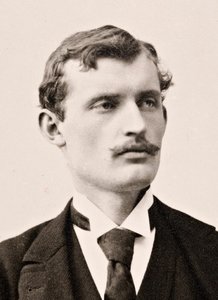
Edvard Munch

Edvard Munch

1863 - 1944, Norwegia

Quick facts about Edvard Munch

  • Artistic Movement Or Style: Ekspresjonizm
  • Artists Or Movements Influenced By This Artist: ['Ekspresjonizm niemiecki']
  • Artists Who Influenced This Artist:
    • Gauguin
    • Van Gogh
    • Toulouse-Lautrec
  • Date Of Birth: 12 grudnia 1863
  • Date Of Death: 23 stycznia 1944
  • Full Name: Edvard Munch
  • Nationality: Norweski
  • Notable Artworks:
    • Krzyk
    • Madonna
    • Chore Dziecko
  • Place Of Birth: Ådalsbruk, Szwecja

Biografia artysty

Życie i Cienie Duszy: Świat Edvarda Muncha

Edvard Munch, urodzony w 1863 roku wśród surowych krajobrazów Norwegii, był artystą, którego twórczość stała się synonimem lęków i emocjonalnych burz nowoczesnej epoki. Jego życie, głęboko naznaczone stratą i wszechobecnym poczuciem melancholii, było źródłem jego niezwykle ekspresyjnej sztuki. Od dzieciństwa osłabionego wczesną śmiercią matki i siostry – obie padły ofiarami gruźlicy – Munch rozwinął nawracające zafascynowanie śmiertelnością, chorobą i kruchością ludzkiego istnienia. Te doświadczenia nie były jedynie biograficznymi szczegółami; stały się esencją jego wizji artystycznej, napędzając nieustanne poszukiwanie wewnętrznego krajobrazu strachu, żalu i tęsknoty. Ścisłe przekonania religijne ojca oraz własne zmagania z chorobą psychiczną dodatkowo przyczyniły się do poczucia grozy, które przenikało świat Muncha, kształtując nie tylko jego życie osobiste, ale także symboliczną mowę jego obrazów. Nie ograniczał się on do przedstawiania scen; externalizował stan wewnętrzny, przekładając psychiczny dyskomfort na język wizualny.

Geneza Ekspresji: Inspiracje i Rozwój Artystyczny

Artystyczna podróż Muncha rozpoczęła się od formalnego szkolenia w Królewskiej Szkole Sztuki i Projektowania w Kristianii (Oslo), ale to spotkanie z bohemskimi kręgami i filozofią nihilizmu Hansa Jægera naprawdę rozpaliło jego twórczy ogień. Jæger zachęcił Muncha do porzucenia konwencjonalnych akademickich stylów i zanurzenia się w głębi własnego subiektywnego doświadczenia, konceptu, który nazwał „malowaniem duszy”. Ta przełomowa zmiana zapoczątkowała unikalny styl Muncha – charakteryzujący się surowymi emocjami, zniekształconymi formami i odrzuceniem naturalistycznej reprezentacji. Jego podróże do Paryża w latach 90. XIX wieku wystawiły go na rodzący się ruch postimpresjonistyczny, gdzie przyswoił wpływy artystów takich jak Paul Gauguin, Vincent van Gogh i Henri de Toulouse-Lautrec. Odważne użycie koloru, ekspresyjne pociągnięcia pędzla i psychiczna intensywność tych mistrzów głęboko rezonowały z artystycznymi skłonnościami Muncha. Nie naśladował on jedynie ich technik; syntetyzował je w coś wyjątkowo własnego – język wizualny zdolny do przekazywania najgłębszych i najbardziej niepokojących ludzkich emocji. Jego pobyt w Berlinie również okazał się kluczowy, wprowadzając go w krąg dramatopisarza Augusta Strindberga, którego eksploracja psychologicznych tematów dodatkowo napędzała artystyczne poszukiwania Muncha.

Ikonograficzne Wizje: Główne Dzieła i Ich Symbolika

Twórczość Muncha zamieszkuje galeria obrazów, które głęboko zakorzeniły się w zbiorowej świadomości. Krzyk, być może jego najbardziej ikoniczne dzieło, przekracza status malarstwa, stając się uniwersalnym symbolem egzystencjalnego niepokoju. Wirujący, płonący krajobraz i skręcona twarz postaci uosabiają pierwotny krzyk przeciwko obojętności wszechświata. Madonna, kontrowersyjne i głęboko osobiste dzieło, eksploruje tematy seksualności, macierzyństwa i śmiertelności z niepokojącą szczerością. Powracające motywy takie jak Chore Dziecko – zainspirowane stratą siostry Zofii – służą jako przejmujące przypomnienie dziecięcej traumy Muncha i wszechobecnego widma śmierci. Melancholia I & II, potężne przedstawienia głębokiej smutku i izolacji, ujawniają wrażliwość, która jest zarówno głęboko osobista, jak i powszechnie zrozumiała. Te prace nie są jedynie reprezentacjami zewnętrznej rzeczywistości; to okna do duszy artysty, oferujące widzom bezkompromisowy wgląd w najciemniejsze zakątki ludzkiej psychiki. Munch nie dążył do tworzenia pięknych obrazów; starał się przekazać prawdę – nawet jeśli ta prawda była bolesna i niepokojąca.

Trwałe Dziedzictwo: Znaczenie Historyczne i Trwała Inspiracja

Wkład Edvarda Muncha w sztukę nowoczesną jest niezrównany. Wyrasta jako kluczowa postać w rozwoju ekspresjonizmu, torując drogę artystom, którzy przedkładali subiektywne emocje nad obiektywną reprezentację. Jego bezkompromisowe badanie uniwersalnych ludzkich doświadczeń – miłości, straty, lęku i śmierci – nadal rezonuje z publicznością dzisiaj, umacniając jego pozycję jako jednej z najbardziej wpływowych i trwałych postaci w historii sztuki. Jego praca wywarła głęboki wpływ na kolejne pokolenia artystów, inspirując ruchy takie jak niemiecki ekspresjonizm i poza nim. Odważył się zmierzyć z mroczniejszymi aspektami ludzkiej kondycji, kwestionując konwencjonalne pojęcia piękna i reprezentacji artystycznej. Nawet po osiągnięciu sławy i uznania – kulminującym w założeniu Muzeum Muncha w Oslo – jego życie osobiste pozostało burzliwe, naznaczone okresami niestabilności psychicznej i izolacji. Jednak pomimo tego wszystkiego kontynuował tworzenie, pozostawiając po sobie dorobek, który nadal prowokuje, kwestionuje i inspiruje. Dziedzictwo Muncha nie dotyczy tylko samych obrazów; to odwaga w konfrontowaniu się ze złożonością ludzkiego istnienia i przekładaniu tych doświadczeń na sztukę, która przemawia do najgłębszych części naszego bytu.

Najważniejsze informacje

  • Notable elements or techniques: Bold lines, Monochromatic palette
  • Year: 1901
  • Artistic style: Impressionistic Rendering
  • Dimensions: 32 x 49 cm
  • Artist: Edvard Munch
  • Subject or theme: Death and Grief

Quiz o sztuce

Do każdego pytania dotyczy tylko jedna poprawna odpowiedź.

Pytanie 1:
What artistic movement is Edvard Munch’s ‘The Dead Mother and Child’ primarily associated with?
Pytanie 2:
Describe the dominant color palette used in the artwork.
Pytanie 3:
What is a key characteristic of Munch’s technique regarding the depiction of emotion?
Pytanie 4:
The image description highlights a significant compositional element. What is it?
Pytanie 5:
What thematic concern does ‘The Dead Mother and Child’ explore?