

 Podgląd w skali 1:1
 Wyślij jako kartkę
 Udostępnij
 Szczegóły dzieła
 Przewodnik

 Pobierz obraz
 Podobne obiekty
 RTG
RTG Pokaz slajdów
 Statystyki
Model w Przedmieściu
 Olej na płótnie
- Sztuka ścienna
- Expressionism
 1942
1942 117.0 x 95.0 cm
 Rozwiń treść
Ręcznie malowana reprodukcja olejowa
Ręcznie malowany obraz olejny na płótnie, wykonany na zamówienie przez naszych artystów w wybranym przez Ciebie wymiarze i oprawie. ( Przełącz na wydania drukowane Przejdź do wersji cyfrowej)




P118B zł10

P118H zł10

P118W zł10

P438Z zł10

P508JH zł12

P508YH zł12

P805H zł10

P805Z zł10

P919BZ zł10

P919G zł10

P919XJ zł10

P959ZH zł10

P968JZ zł12

W106C zł8

W218G zł10

W218JH zł8

W218Y zł10

W307PJ zł10

W316G zł10

W316PJ zł8

W316Y zł10

W398PJ zł8

W4111J zł10

W500HY zł15

W500JH zł15

W692G zł12

W849H zł8

W940BG zł15

W953PJ zł8




Wybierz spośród naszych standardowych rozmiarów, które zachowują oryginalne proporcje dzieła sztuki.

Wpisz wymaganą szerokość i wysokość, aby obraz pasował do Twojej ramy lub ściany. Ponieważ jest to dzieło malowane ręcznie, w przypadku rozmiaru o innych proporcjach artysta może domalować nieco więcej wokół obrazu lub przyciąć jego fragmenty — wybór należy do Ciebie. Przed rozpoczęciem pracy prześlemy Ci cyfrową wizualizację do zatwierdzenia. Obraz widoczny na tej stronie nie przedstawia rzeczywistego efektu — jedynie wizualizacja oddaje realny rezultat.
Po złożeniu zamówienia zespół OriginalUniqueArt.com skontaktuje się z klientem drogą mailową w celu uzyskania instrukcji i prześle wizualizację projektu
Dostawa na całym świecie () w ciągu 3–4 tygodni zamiast standardowych 5 tygodni. (25 Październik). Bez kompromisów w kwestii jakości.

Bezpłatna ekspresowa wysyłka na cały świat

Wysokiej jakości płótno lniane

Pełne ubezpieczenie przesyłki

Gwarancja zwrotu należności celnych i podatków importowych

Gwarancja wiernego odwzorowania kolorów

100-dniowa polityka zwrotów (tylko w przypadku wad)

Gwarancja 100% zwrotu pieniędzy

Zniżka przy zakupie wielu sztuk
 Opcja ze szkłem jest dostępna wyłącznie w rozmiarach poniżej 110 cm

Model w Przedmieściu
Technika reprodukcji
Wymiary reprodukcji
-


Cena całkowita
zł 1151
Edvard Munch’s “Model in Front of the Verandah”: A Portrait of Anxiety Embodied
Edvard Munch’s “Model in Front of the Verandah,” painted in 1942, isn't merely a depiction of a scene; it’s an immersion into a profound state of psychological unease. Created during a period of intense personal struggle for the artist – marked by grief, illness and existential dread – this oil-on-canvas work embodies the core tenets of Expressionism – a movement that sought to convey inner emotional experiences rather than objective reality. The painting immediately draws the viewer in with its muted palette dominated by earthy browns and ochres, punctuated by the startlingly vibrant red of the doorway, an element that acts as both a focal point and a subtle harbinger of impending drama. It’s a scene seemingly ordinary – a man contemplating a house, two figures glimpsed in the background – yet beneath this surface lies a torrent of unspoken anxieties and a palpable sense of isolation.
Munch’s genius lay in his ability to translate personal torment into universally resonant imagery. The central figure, often interpreted as a self-portrait, is rendered with an almost skeletal fragility, his posture suggesting both anticipation and apprehension. His gaze, directed towards the doorway, isn’t one of simple curiosity but rather a deep, unsettling contemplation. The blurred figures in the distance – a woman and a man – hint at relationships strained by unspoken tensions or perhaps simply representing the detachment from human connection that fuels the protagonist’s inner turmoil. The inclusion of a dog on the left side adds an element of primal instinct and vulnerability to the composition, further emphasizing the figure’s solitude.
The Expressionist Palette: Color as Emotion
Munch’s distinctive style is immediately recognizable through his bold use of color – a technique he deliberately employed to bypass rational thought and directly access emotional responses. The dominant browns and ochres create a sense of somberness, mirroring the melancholic mood of the scene. However, it's the jarring red of the doorway that truly commands attention. This intense hue isn’t simply decorative; it vibrates with urgency and perhaps even menace. Munch himself described his artistic process as “soul painting,” prioritizing the conveyance of inner feelings over accurate representation. He utilized color not to mimic reality but to amplify its emotional impact, a principle vividly demonstrated in “Model in Front of the Verandah.” The subtle shifts in tone and hue contribute significantly to the painting’s overall atmosphere of unease and psychological depth.
Technically, Munch employed loose brushstrokes and an impasto technique – applying paint thickly to create texture and visual interest. This tactile quality adds another layer of emotional intensity to the work, as if the very surface of the canvas reflects the protagonist’s agitated state of mind. The composition itself is deliberately unbalanced, with the figure positioned slightly off-center, further contributing to a sense of instability and disorientation.
A Window into Munch’s World: Context and Legacy
Understanding Edvard Munch requires acknowledging the profound impact of his personal life on his art. Born in 1863 in Ådalsbruk, Sweden, he endured a childhood marked by tragedy – the early deaths of his mother and sister instilled within him a lifelong preoccupation with mortality, illness, and psychological distress. These experiences weren’t merely biographical details; they became the very core of his artistic vision, fueling a relentless exploration of the inner landscape of fear, grief, and longing. His father's strict religious beliefs and own struggles with mental illness further contributed to a sense of dread that permeated Munch’s world, shaping not only his personal life but also the symbolic language of his paintings. He wasn’t afraid to confront difficult emotions head-on – a courageous stance that resonated deeply with contemporaries and cemented his place as one of the foremost figures in Expressionism.
Munch's influence extends far beyond his own lifetime. He is considered one of the pioneers of Expressionism, a movement that profoundly shaped modern art and continues to resonate with audiences today. His willingness to explore themes such as anxiety, despair, and the human condition paved the way for subsequent generations of artists to express their inner worlds through bold visual language. “Model in Front of the Verandah,” with its unsettling stillness and symbolic color palette, remains a testament to Munch’s ability to capture the essence of psychological torment – an enduring masterpiece that continues to provoke contemplation and inspire artistic interpretation.
Bringing Munch’s Vision Home: Reproductions from OriginalUniqueArt.com
OriginalUniqueArt.com offers meticulously crafted, hand-painted reproductions of Edvard Munch's masterpieces, including “Model in Front of the Verandah.” These aren’t simply prints; they are faithful recreations of Munch’s original techniques and emotional intent, capturing the nuances of his distinctive style with remarkable accuracy. Each reproduction is created by skilled artists who have a deep understanding of Munch’s oeuvre, ensuring that you receive an authentic representation of this iconic work. Whether you're an art enthusiast, a collector, or simply seeking to add a touch of artistic depth to your interior space, OriginalUniqueArt.com provides a unique opportunity to own a piece of art history – a tangible connection to the profound emotional world of Edvard Munch.
- Painting by 'Edvard Munch' | Edvard Munch: Model in Front of the Verandah
- Painting by 'Edvard Munch' | Edvard Munch: untitled (1942)
- Painting by 'Edvard Munch' | Edvard Munch: Despair
Photo Description: The image is a painting of a man standing in front of a house with a red door. The man appears to be looking at something or someone on the other side of the doorway. There are two people visible in the scene, one near the center and another towards the right side. In addition to the main subject, there is a dog located on the left side of the painting. A bench can also be seen in the background, positioned behind the man standing by the doorway. The overall atmosphere of the painting suggests an outdoor setting with a sense of anticipation or curiosity as the man looks towards the red door.
Size: 117 x 95 cm
Date: 1942
Pytania i odpowiedzi
Jaki poziom kontrastu prezentuje „Model w Przedmieściu” – Edvard Munch?
Poziom kontrastu dzieła „Model w Przedmieściu” – Edvard Munch wynosi Zrównoważony.
Gdzie najlepiej eksponować dzieło „Model w Przedmieściu” w formacie Portret?
Format Portret dzieła „Model w Przedmieściu” – Edvard Munch jest rekomendowany do Salon lub strefa dzienna. Format oraz przestrzeń wspólnie pomagają w odpowiednim rozmieszczeniu reprodukcji.
Jakie miejsce zajmuje „Model w Przedmieściu” wśród powracających motywów w twórczości Edvard Munch?
Powracające motywy w twórczości Edvard Munch obejmują soul painting, hans jäger philosophy, mortality anxiety, symbolic imagery, expressionist style, iconic representation, legacy edvard munch; „Model w Przedmieściu” koncentruje się na isolation, psychological, red doorway, woman, contemplation, pale palette, fear.
Biografia artysty
Życie i Cienie Duszy: Świat Edvarda Muncha
Edvard Munch, urodzony w 1863 roku wśród surowych krajobrazów Norwegii, był artystą, którego twórczość stała się synonimem lęków i emocjonalnych burz nowoczesnej epoki. Jego życie, głęboko naznaczone stratą i wszechobecnym poczuciem melancholii, było źródłem jego niezwykle ekspresyjnej sztuki. Od dzieciństwa osłabionego wczesną śmiercią matki i siostry – obie padły ofiarami gruźlicy – Munch rozwinął nawracające zafascynowanie śmiertelnością, chorobą i kruchością ludzkiego istnienia. Te doświadczenia nie były jedynie biograficznymi szczegółami; stały się esencją jego wizji artystycznej, napędzając nieustanne poszukiwanie wewnętrznego krajobrazu strachu, żalu i tęsknoty. Ścisłe przekonania religijne ojca oraz własne zmagania z chorobą psychiczną dodatkowo przyczyniły się do poczucia grozy, które przenikało świat Muncha, kształtując nie tylko jego życie osobiste, ale także symboliczną mowę jego obrazów. Nie ograniczał się on do przedstawiania scen; externalizował stan wewnętrzny, przekładając psychiczny dyskomfort na język wizualny.
Geneza Ekspresji: Inspiracje i Rozwój Artystyczny
Artystyczna podróż Muncha rozpoczęła się od formalnego szkolenia w Królewskiej Szkole Sztuki i Projektowania w Kristianii (Oslo), ale to spotkanie z bohemskimi kręgami i filozofią nihilizmu Hansa Jægera naprawdę rozpaliło jego twórczy ogień. Jæger zachęcił Muncha do porzucenia konwencjonalnych akademickich stylów i zanurzenia się w głębi własnego subiektywnego doświadczenia, konceptu, który nazwał „malowaniem duszy”. Ta przełomowa zmiana zapoczątkowała unikalny styl Muncha – charakteryzujący się surowymi emocjami, zniekształconymi formami i odrzuceniem naturalistycznej reprezentacji. Jego podróże do Paryża w latach 90. XIX wieku wystawiły go na rodzący się ruch postimpresjonistyczny, gdzie przyswoił wpływy artystów takich jak Paul Gauguin, Vincent van Gogh i Henri de Toulouse-Lautrec. Odważne użycie koloru, ekspresyjne pociągnięcia pędzla i psychiczna intensywność tych mistrzów głęboko rezonowały z artystycznymi skłonnościami Muncha. Nie naśladował on jedynie ich technik; syntetyzował je w coś wyjątkowo własnego – język wizualny zdolny do przekazywania najgłębszych i najbardziej niepokojących ludzkich emocji. Jego pobyt w Berlinie również okazał się kluczowy, wprowadzając go w krąg dramatopisarza Augusta Strindberga, którego eksploracja psychologicznych tematów dodatkowo napędzała artystyczne poszukiwania Muncha.
Ikonograficzne Wizje: Główne Dzieła i Ich Symbolika
Twórczość Muncha zamieszkuje galeria obrazów, które głęboko zakorzeniły się w zbiorowej świadomości. Krzyk, być może jego najbardziej ikoniczne dzieło, przekracza status malarstwa, stając się uniwersalnym symbolem egzystencjalnego niepokoju. Wirujący, płonący krajobraz i skręcona twarz postaci uosabiają pierwotny krzyk przeciwko obojętności wszechświata. Madonna, kontrowersyjne i głęboko osobiste dzieło, eksploruje tematy seksualności, macierzyństwa i śmiertelności z niepokojącą szczerością. Powracające motywy takie jak Chore Dziecko – zainspirowane stratą siostry Zofii – służą jako przejmujące przypomnienie dziecięcej traumy Muncha i wszechobecnego widma śmierci. Melancholia I & II, potężne przedstawienia głębokiej smutku i izolacji, ujawniają wrażliwość, która jest zarówno głęboko osobista, jak i powszechnie zrozumiała. Te prace nie są jedynie reprezentacjami zewnętrznej rzeczywistości; to okna do duszy artysty, oferujące widzom bezkompromisowy wgląd w najciemniejsze zakątki ludzkiej psychiki. Munch nie dążył do tworzenia pięknych obrazów; starał się przekazać prawdę – nawet jeśli ta prawda była bolesna i niepokojąca.
Trwałe Dziedzictwo: Znaczenie Historyczne i Trwała Inspiracja
Wkład Edvarda Muncha w sztukę nowoczesną jest niezrównany. Wyrasta jako kluczowa postać w rozwoju ekspresjonizmu, torując drogę artystom, którzy przedkładali subiektywne emocje nad obiektywną reprezentację. Jego bezkompromisowe badanie uniwersalnych ludzkich doświadczeń – miłości, straty, lęku i śmierci – nadal rezonuje z publicznością dzisiaj, umacniając jego pozycję jako jednej z najbardziej wpływowych i trwałych postaci w historii sztuki. Jego praca wywarła głęboki wpływ na kolejne pokolenia artystów, inspirując ruchy takie jak niemiecki ekspresjonizm i poza nim. Odważył się zmierzyć z mroczniejszymi aspektami ludzkiej kondycji, kwestionując konwencjonalne pojęcia piękna i reprezentacji artystycznej. Nawet po osiągnięciu sławy i uznania – kulminującym w założeniu Muzeum Muncha w Oslo – jego życie osobiste pozostało burzliwe, naznaczone okresami niestabilności psychicznej i izolacji. Jednak pomimo tego wszystkiego kontynuował tworzenie, pozostawiając po sobie dorobek, który nadal prowokuje, kwestionuje i inspiruje. Dziedzictwo Muncha nie dotyczy tylko samych obrazów; to odwaga w konfrontowaniu się ze złożonością ludzkiego istnienia i przekładaniu tych doświadczeń na sztukę, która przemawia do najgłębszych części naszego bytu.
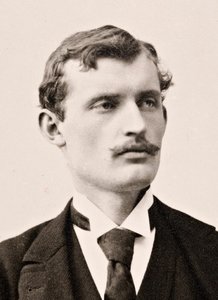
Edvard Munch
1863 - 1944 , Norwegia
Krótka nota
- Artistic Movement Or Style: Ekspresjonizm
- Artists Or Movements Influenced By This Artist: ['Ekspresjonizm niemiecki']
- Artists Who Influenced This Artist:
- Gauguin
- Van Gogh
- Toulouse-Lautrec
- Date Of Birth: 12 grudnia 1863
- Date Of Death: 23 stycznia 1944
- Full Name: Edvard Munch
- Nationality: Norweski
- Notable Artworks:
- Krzyk
- Madonna
- Chore Dziecko
- Place Of Birth: Ådalsbruk, Szwecja
Powiązane artykuły

Edvard Munch: Anxiety, Modernity & the Dawn of Expressionism
Explore the profound world of Edvard Munch, pioneer of Expressionism. Discover the origins of 'The Scream' & his haunting depictions of anxiety, mortality, and love. Expert analysis & high-quality reproductions at OriginalUniqueArt.
Ekspresjonizm: 10 Arcydzieł, Które Zdefiniowały Ruch – Obrazy i Dekoracje OriginalUniqueArt.com
Poznaj 10 arcydzieł ekspresjonizmu! Odkryj historie Muncha, Kirchnera i innych artystów tego przełomowego ruchu. Reprodukcje obrazów najwyższej jakości – inspiracje do wnętrz na OriginalUniqueArt.com. Eksploruj kolekcję online!
Edvard Munch: 25 Arcydzieł Ekspresjonizmu dla Kolekcjonerów i Miłośników Sztuki
Poznaj 25 najbardziej znanych obrazów Edvarda Muncha – od kultowego "Krzyku" po poruszające portrety. Odkryj ekspresjonizm, symbolikę i emocje w sztuce norweskiej. Reprodukcje najwyższej jakości na OriginalUniqueArt.com! Eksploruj kolekcję online.

Crimson Threads of Narrative: Exploring Symbolism & Representation in Artworks Featuring the Red Dress
Explore the rich symbolism of the red dress in art history! From ancient power displays to iconic portraits like Cézanne’s 'Madame Cezanne', discover the cultural and artistic significance behind this captivating color. Expert analysis & insights.
10 Legendarnych Obrazów Olejnych na Desce, Które Zmieniły Sztukę | OriginalUniqueArt
Odkryj 10 legendarnych obrazów olejnych na desce, które zrewolucjonizowały świat sztuki! Van Gogh, Munch i Klimt – poznaj historie arcydzieł impresjonizmu, ekspresjonizmu i realizmu. Znajdź inspiracje do wnętrz i reprodukcje najwyższej jakości na OriginalUniqueArt.com


