Przełącz na wydania drukowane
 Rozwiń treść







































 W przypadku dzieł sztuki lub reprodukcji, których którykolwiek z boków przekracza 105 cm (około 41 cali), rama zostanie wysłana w formie zestawu do samodzielnego montażu. Metoda ta zapewnia bezpieczną dostawę i zapobiega uszkodzeniom podczas transportu.


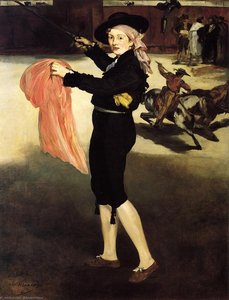
Pasiphae, Chant de Minos – A Vision of Myth and Modernity
Édouard Manet’s “Pasiphae, Chant de Minos” isn't merely a depiction of Greek myth; it’s a daring assertion of artistic freedom against the constraints of academic tradition. Painted in 1863, this monumental canvas immediately provoked controversy at the Salon, reflecting the anxieties surrounding the burgeoning Impressionist movement and its rejection of established conventions. The artwork captures a scene from Homer's Odyssey—Pasiphae, Queen of Crete, seduced by Zeus disguised as Helios (the Sun God), resulting in the birth of Minos’s monstrous son, Asterion – but Manet presents it not as a grand historical narrative, but as an intimate psychological portrait bathed in diffused light.- Subject Matter: The painting portrays Pasiphae and Asterion in a dimly lit interior space, likely inspired by the Boudoir of Madame Pompadour, a celebrated Parisian salon hostess. This deliberate juxtaposition of mythological grandeur with domestic reality underscores Manet’s fascination with capturing fleeting moments of human experience.
- Style & Technique: Manet employed a technique that foreshadowed Impressionism—loose brushstrokes and an emphasis on capturing the effects of light rather than meticulously rendering form. The muted palette, dominated by browns and ochres, contributes to the painting’s melancholic atmosphere. Notice how Manet skillfully blends colors without resorting to blending them directly; instead, he applies paint in separate strokes that merge optically when viewed from a distance.
- Historical Context: “Pasiphae” arrived at a pivotal moment in art history. The Salon rejected it due to its unconventional composition and lack of idealized beauty—a deliberate provocation aimed at challenging the Academy’s rigid standards. Critics denounced Manet's disregard for classical proportions and his unflinching portrayal of human emotion, labeling it scandalous and decadent. Yet, this rejection solidified Manet’s position as a champion of artistic innovation.
- Symbolism: The painting is laden with symbolic significance. Pasiphae embodies feminine desire and transgression against societal norms, while Asterion represents the monstrous offspring of divine intervention—a visual metaphor for the disruption of order and tradition. The subdued lighting symbolizes obscurity and introspection, mirroring the psychological complexities explored by Manet.
- Emotional Impact: “Pasiphae” transcends mere storytelling; it evokes a profound sense of unease and contemplation. Manet’s masterful use of light and color creates an atmosphere of palpable tension, inviting viewers to confront uncomfortable truths about human nature and artistic ambition. It remains a testament to Manet's ability to transform myth into a deeply personal statement—a cornerstone of modern art’s legacy.
Pytania i odpowiedzi
Do którego okresu twórczości Édouard Manet należy dzieło "Pasiphae, Chant de Minos"?
"Pasiphae, Chant de Minos" reprezentuje Mature Period twórczości Édouard Manet.
Czy w „Pasiphae, Chant de Minos” – Édouard Manet zastosowano silne kontrasty czy raczej łagodne harmonie?
Analiza kolorystyczna dzieła „Pasiphae, Chant de Minos” – Édouard Manet ukazuje Wyrazisty kontrast kontrast oraz Spójna paleta barw harmonię.
Jakie miejsce w historii sztuki zajmuje „Pasiphae, Chant de Minos” – Édouard Manet?
„Pasiphae, Chant de Minos” – Édouard Manet należy do nurtu Impressionistic Realism, przypadającego na okres – Wiek XIX. Razem nadają one dziełu jego miejsce w historii sztuki.
 Podgląd w skali 1:1
 Wyślij jako kartkę
 Udostępnij
 Szczegóły dzieła
 Przewodnik

 Pobierz obraz
 Podobne obiekty
 RTG
RTG Pokaz slajdów
 Pytania i odpowiedzi
 Statystyki