
 Podgląd w skali
 Wyślij jako kartkę
 Udostępnij
 Szczegóły dzieła

 Pobierz
 Podobne obiekty
 RTG
RTG Pokaz slajdów
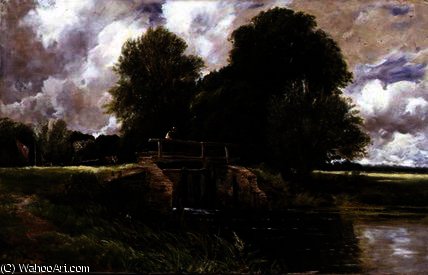
Passing through a Lock
 Rozwiń treść
Kup wysokiej rozdzielczości, ulepszony obraz cyfrowy o znacznie wyższej jakości niż podgląd online.
Każdy plik jest starannie przygotowywany przez naszych specjalistów przy użyciu zaawansowanych narzędzi oraz profesjonalnej, ręcznej retuszy. Dbamy o to, aby każdy obraz cechował się wyjątkową ostrością, precyzyjnym odwzorowaniem kolorów i subtelnymi detalami.
Ostateczny plik dostarczany jest drogą mailową w ciągu 72 godzin, zoptymalizowany do natychmiastowego wykorzystania w profesjonalnych zastosowaniach redakcyjnych i poligraficznych. To ta sama jakość, której ufają czołowe studia projektowe, wydawnictwa oraz galerie sztuki.
Obraz cyfrowy
Pobierz plik o wysokiej rozdzielczości do osobistego wyświetlania, druku oraz projektów kreatywnych. ( Zamów wydruk Zamów ręcznie malowaną reprodukcję)
W każdym zamówieniu na obraz cyfrowy znajduje się
Profesjonalna dostawa cyfrowa z gwarancją
Wybierając OriginalUniqueArt.com, nie otrzymujesz jedynie obrazu – otrzymujesz profesjonalnie udoskonalone cyfrowe dzieło sztuki, stworzone z najwyższą precyzją i objęte gwarancją satysfakcji. Oto wszystko, co automatycznie dołączane jest do Twojego zamówienia:

Błyskawiczna wysyłka e-mailowa
Plik z obrazem cyfrowym w wysokiej rozdzielczości zostanie przesłany na Twój adres e-mail w ciągu 72 godzin od złożenia zamówienia – gotowy do natychmiastowego użycia.

Plik cyfrowy wzbogacony przez AI
Twoja grafika została profesjonalnie zoptymalizowana przy użyciu zaawansowanych narzędzi AI oraz ręcznej edycji, co zapewnia maksymalną szczegółowość, klarowność i wierność kolorów.

Dożywotnia darmowa ponowna dostawa
Przypadkowo usunąłeś lub zgubiłeś swój plik? Bez obaw – prześlemy go Tobie ponownie w dowolnym momencie, bez żadnych opłat.

Bez opłat importowych – zawsze
Ciesz się swoją sztuką natychmiast, bez żadnych opłat celnych, należności ani kosztów dostawy – pliki cyfrowe są zawsze wolne od podatku.

Gwarancja wierności kolorów
Dzięki zastosowaniu profesjonalnych narzędzi i procesów zarządzania barwą zapewniamy, że Twoje cyfrowe zdjęcie odzwierciedla oryginalne kolory tak wiernie, jak to tylko możliwe.

60-dniowa gwarancja satysfakcji
Jeśli nie będziesz zadowolony ze swojego cyfrowego obrazu, dokonamy jego poprawki lub zwrócimy 100% kosztów w ciągu 60 dni – bez żadnych pytań.

100% Gwarancja zwrotu pieniędzy
Nie jesteś zadowolony? Otrzymaj pełny zwrot kosztów w ciągu 60 dni od otrzymania pliku cyfrowego – bez zbędnych pytań.

Rabaty przy zamówieniach hurtowych
Kup 3 obrazy, oszczędź 10% - Kup 5, oszczędź 15% - Kup 10+, oszczędź 20%. Idealne do projektów kreatywnych, galerii i agencji.
Biografia artysty
William McTaggart: Bridging Impressionism and the Scottish Landscape
Born in 1835 in the remote village of Aros, on the windswept Kintyre peninsula of Scotland, William McTaggart’s artistic journey was profoundly shaped by his upbringing amidst the rugged beauty of the Atlantic coast. This early immersion in a dramatic and ever-changing environment would become the cornerstone of his lifelong dedication to capturing the essence of the Scottish landscape – a pursuit that ultimately defined his legacy as one of the most significant interpreters of the region's visual poetry.
McTaggart’s formal artistic training began at the Trustees’ Academy in Edinburgh, where he honed his skills under Robert Scott Lauder. However, it was his travels through Europe – particularly his extended studies in Spain and Italy – that proved pivotal. These experiences exposed him to the burgeoning Impressionist movement, a shift that dramatically influenced his approach to painting. He wasn't merely replicating what he saw; instead, he sought to convey the fleeting effects of light, atmosphere, and color—a core tenet of Impressionism.
Initially, McTaggart’s work focused on figure paintings, often depicting children in intimate settings. Yet, a deep-seated connection to his native land soon drew him towards the landscapes that surrounded him. He abandoned the formal salon circuit of Paris, choosing instead to exhibit his works at the Beaux Arts de Pau and the museum des Beaux Arts in Pau – venues that offered a more receptive audience for his evolving style. His subjects shifted to encompass the dramatic coastline, rolling hills, and evocative moorlands of southwestern Scotland, becoming increasingly characterized by bold brushstrokes and vibrant color palettes.
The Influence of Impressionism and Scottish Tradition
McTaggart’s artistic development wasn't a sudden departure from his earlier work; rather, it was a gradual integration of new techniques with deeply ingrained traditions. He absorbed the principles of Impressionism – particularly the emphasis on *plein air* painting (working directly from nature) and the use of broken color to capture light—but he never abandoned the strong sense of realism and detail that characterized much of Scottish art. His paintings are often described as a synthesis of these two seemingly disparate influences, resulting in a uniquely evocative style.
The impact of artists like Constable and Turner is readily apparent in McTaggart’s work. Like Constable, he meticulously observed the nuances of light and shadow, striving to capture the atmospheric conditions of his subjects. Similarly, Turner's dynamic use of color and brushwork—particularly his depictions of turbulent seas—served as a significant inspiration for McTaggart’s marine paintings. However, unlike many of his contemporaries who simply adopted Impressionistic techniques wholesale, McTaggart infused them with a distinctly Scottish sensibility, imbuing his landscapes with a sense of ruggedness, drama, and the raw beauty of the Highlands.
A Palette of Light and Sea
McTaggart’s oeuvre is dominated by two primary subjects: the dramatic coastline of Kintyre and the expansive seascapes that defined his later years. His coastal scenes are characterized by a remarkable sensitivity to light, color, and texture. He skillfully rendered the interplay of sunlight on water, capturing the shimmering reflections and the shifting moods of the sea. His use of color is particularly noteworthy—he employed a vibrant palette of blues, greens, and yellows to convey the intensity of the Scottish weather and the ever-changing conditions of the coastline.
As he aged, McTaggart increasingly turned his attention to the Moorfoot Hills near Lasswade, capturing their majestic presence with a similar mastery of light and color. These later works demonstrate a remarkable consistency in style and technique—a testament to his dedication and skill as an artist. His paintings are not merely representations of landscapes; they are imbued with a profound sense of emotion and atmosphere, inviting the viewer to experience the beauty and drama of the Scottish countryside.
Legacy and Recognition
William McTaggart’s contribution to Scottish art is undeniable. He played a crucial role in establishing Impressionism as a viable movement within the country, demonstrating its potential for capturing the unique character of the Scottish landscape. His work was widely exhibited throughout his career, earning him recognition from both critics and collectors. He was elected as a full academician at the Royal Academy in 1878, a prestigious honor that reflected his standing within the British art world.
Today, McTaggart’s paintings are held in major museums and private collections across Scotland and beyond. His work continues to be admired for its beauty, technical skill, and evocative power—a lasting tribute to an artist who successfully bridged the gap between Impressionism and Scottish tradition, creating a body of work that remains both timeless and deeply resonant.

edmund morison wimperis
1835 - 1900 , United Kingdom
Krótka nota
- Artistic Movement Or Style: Landscape/Marine Impressionism
- Artists Or Movements Influenced By This Artist: ['Scottish Impressionism']
- Artists Who Influenced This Artist:
- Constable
- Turner
- Date Of Birth: 1835-10-25
- Date Of Death: 1910-04-02
- Full Name: William McTaggart
- Nationality: Scottish
- Notable Artworks:
- Paysage Pyreneen
- La Promenade de Montauban a Luchon
- Place Of Birth: Aros, Argyll & Bute, Scotland

