
 Podgląd w skali 1:1
 Wyślij jako kartkę
 Udostępnij
 Szczegóły dzieła
 Przewodnik

 Pobierz obraz
 Podobne obiekty
 RTG
RTG Pokaz slajdów
 Pytania i odpowiedzi
 Statystyki
Agony in the Garden


 Rozwiń treść
Giclée / Wydruk artystyczny
Wydruki giclée lub płótna o jakości muzealnej, szybka realizacja i szeroki wybór opcji wykończenia. ( Zamów ręcznie malowaną reprodukcję Przejdź do wersji cyfrowej)




P118B zł10

P118H zł10

P118W zł10

P438Z zł10

P508JH zł12

P508YH zł12

P805H zł10

P805Z zł10

P919BZ zł10

P919G zł10

P919XJ zł10

P959ZH zł10

P968JZ zł12

W106C zł8

W218G zł10

W218JH zł8

W218Y zł10

W307PJ zł10

W316G zł10

W316PJ zł8

W316Y zł10

W398PJ zł8

W4111J zł10

W500HY zł15

W500JH zł15

W692G zł12

W849H zł8

W940BG zł15

W953PJ zł8




Wybierz spośród naszych standardowych rozmiarów, które zachowują oryginalne proporcje dzieła sztuki.

Wpisz wymaganą szerokość i wysokość, aby dopasować grafikę do ramy lub ściany. Wydruk można jedynie przyciąć, nigdy nie powiększając go poza oryginalny obraz, dlatego format o innych proporcjach spowoduje utratę części kompozycji. Przed rozpoczęciem druku prześlemy Ci cyfrowy podgląd do zatwierdzenia. Obraz wyświetlany na tej stronie nie pokazuje rzeczywistego przycięcia — jedynie podgląd oddaje ten efekt.
Dostawa na cały świat () w ciągu 2 tygodni zamiast standardowych 4/5 tygodni. (4 Listopad)

Bezpłatna ekspresowa wysyłka na cały świat

Wysokiej jakości płótno lniane

Pełne ubezpieczenie przesyłki

Gwarancja zwrotu należności celnych i podatków importowych

Gwarancja wiernego odwzorowania kolorów

100-dniowa polityka zwrotów (tylko w przypadku wad)

Gwarancja 100% zwrotu pieniędzy

Zniżka przy zakupie wielu sztuk
 Opcja ze szkłem jest dostępna wyłącznie w rozmiarach poniżej 110 cm

Agony in the Garden
Giclée / Wydruk artystyczny
Wymiary reprodukcji
-


Cena całkowita
zł 317
Donatello’s Agony in the Garden: A Renaissance Echo of Sorrow
Giovanni Bellini's "Agony in the Garden," housed within the venerable halls of the National Gallery, London, isn’t merely a depiction of a biblical scene; it’s a profound meditation on faith, doubt, and the weight of human suffering. Painted around 1459-1465 during the High Renaissance, this tempera panel offers a remarkably intimate glimpse into Christ's final hours before his arrest – a moment steeped in both spiritual anguish and impending doom. Bellini masterfully captures the atmosphere of profound sorrow, utilizing a subtle interplay of light, shadow, and meticulously rendered figures to evoke an emotional resonance that continues to captivate viewers centuries later.
The scene unfolds with arresting clarity: Christ, kneeling upon a natural rock formation resembling an altar, is enveloped in prayer. His posture—head bowed, hands raised—conveys a palpable sense of desperation as he wrestles with the knowledge of his impending sacrifice. Around him, his disciples – Peter, James, and John – slumber peacefully, oblivious to the turmoil consuming their master. The backdrop, featuring three distant hill settlements characteristic of Venetian landscapes, grounds the narrative in a recognizable earthly reality while simultaneously elevating it to a realm of spiritual significance. Bellini’s deliberate choice of composition—a carefully orchestrated balance between the divine and the human—is central to the painting's enduring power.
A Masterclass in Renaissance Technique
Bellini’s approach to this challenging subject matter is characterized by a remarkable sensitivity to light and texture. Unlike the more stark, geometrically precise style prevalent at the time, Bellini employs a technique that imbues the scene with an ethereal quality. He utilizes *tempera*, a fast-drying paint mixed with egg yolk, allowing for incredibly fine detail and subtle gradations of color. The layering of thin glazes creates a luminous surface, capturing the play of light on Christ’s garments and the surrounding landscape with breathtaking realism. Notice particularly the meticulous rendering of the tunic—its folds and textures conveying both its weight and the vulnerability of the figure within.
The artist's use of *gesso*, a plaster-like ground applied to the wooden panel, is equally noteworthy. This technique creates a smooth, reflective surface that enhances the vibrancy of the colors and contributes to the painting’s overall sense of depth. Bellini’s skill in manipulating these materials—tempera, gesso, and pigment—demonstrates his mastery of Renaissance artistic techniques and his ability to translate complex emotions onto a two-dimensional surface.
Symbolism and Emotional Resonance
Beyond its technical brilliance, “Agony in the Garden” is rich in symbolic meaning. The rock formation upon which Christ kneels serves as a potent metaphor for both sacrifice and divine grounding. The sleeping disciples represent humanity’s inability to fully comprehend or share in Christ's suffering—a poignant reminder of the limitations of human perception. The dawn light, subtly filtering through the scene, suggests not only the impending arrival of a new day but also the promise of redemption offered through Christ’s sacrifice.
The painting’s emotional impact is profound and enduring. Bellini doesn't simply depict an event; he conveys the *feeling* of anguish—the weight of responsibility, the fear of betrayal, and the acceptance of a predetermined fate. It’s a scene that invites contemplation on themes of faith, mortality, and the human condition. The painting resonates with viewers not just as a historical record but as a timeless expression of universal sorrow and hope.
Historical Context and Legacy
“Agony in the Garden” stands as a pivotal work within Bellini’s oeuvre and a significant example of Renaissance art. It reflects the artistic trends of Venice during this period, characterized by a synthesis of classical influences with a deep appreciation for naturalism and emotional expression. The painting's close relationship to Andrea Mantegna’s version—a work also housed in the National Gallery—highlights the shared artistic lineage and intellectual currents that shaped Renaissance art.
Bellini’s masterful depiction of this pivotal biblical scene has cemented its place as a cornerstone of Western art history. It continues to inspire artists, scholars, and viewers alike, serving as a powerful reminder of the enduring relevance of faith, suffering, and the human spirit. The painting's evocative atmosphere and technical brilliance ensure that “Agony in the Garden” will remain a treasured masterpiece for generations to come.
Pytania i odpowiedzi
Jaki rozmiar wydruku jest zalecany dla „Agony in the Garden” – Donatello?
Zalecany rozmiar wydruku dla „Agony in the Garden” – Donatello to Large.
Jakie są prawa do reprodukcji dzieła "Agony in the Garden" znajdującego się w Bazylika San Lorenzo w Florencji?
Status praw autorskich do dzieła „Agony in the Garden” – Donatello jest jasny: utwór znajduje się w należy do domeny publicznej – autorskie prawa majątkowe wygasły. Jego obecność w Bazylika San Lorenzo w Florencji nie zmienia tego stanu rzeczy.
Gdzie mogę kupić cyfrową wersję dzieła „Agony in the Garden” – Donatello?
Cyfrową wersję dzieła „Agony in the Garden” – Donatello można zakupić na stronie Cyfrowy obraz: wysokiej rozdzielczości cyfrowe zdjęcie do pobrania.
Biografia artysty
Early Life and Artistic Beginnings
Donatello, a name synonymous with the dawn of the Italian Renaissance, was born in Florence around 1386 – though the precise date remains shrouded in some uncertainty. He emerged from a family rooted in commerce; his father, Niccolò di Betto Bardi, was a wool carder, a profession that provided a modest but respectable place within Florentine society. This background, while not of aristocratic lineage, undoubtedly exposed young Donatello to the vibrant artistic and intellectual currents flowing through the city’s workshops and studios. His early training likely began with one of the many sculptors working on the ambitious construction of Florence's Duomo – a project that would dominate much of the city’s artistic landscape for decades. This apprenticeship, steeped in the techniques of stone carving, provided him with a foundational understanding of form, texture, and the inherent beauty of materials. Crucially, Donatello’s formative years coincided with a renewed interest in classical antiquity, fueled by burgeoning humanist thought – an intellectual movement that sought to revive the values and aesthetics of ancient Greece and Rome. This rediscovery profoundly shaped his artistic vision, leading him to break away from the stylized conventions of Gothic sculpture and embrace a more naturalistic and expressive approach.Key Works and Revolutionary Techniques
Donatello’s career blossomed during a period of intense experimentation and innovation. He quickly established himself as a master sculptor, renowned for his ability to imbue his figures with life, emotion, and psychological depth – qualities largely absent from previous Florentine sculpture. His most celebrated work, the *David* (circa 1408-1409), stands as a watershed moment in art history. Unlike earlier depictions of the biblical hero, which often portrayed him as a mature warrior, Donatello’s *David* is rendered as a youthful and vulnerable figure – a testament to the humanist ideal of celebrating human potential and beauty. This daring departure from tradition immediately captivated audiences and established Donatello's reputation for pushing artistic boundaries. Beyond *David*, his oeuvre encompasses a remarkable range of subjects and styles, including monumental bronze figures like *St. Louis of Toulouse* (circa 1422-1425) and the dramatic *Sacrifice of Isaac* (circa 1433-1437), which showcases his mastery of narrative composition and emotional intensity. Donatello’s innovative use of *rilievo schiacciato*, or “flattened relief,” is particularly noteworthy. This technique, characterized by figures emerging from a shallow plane, created an illusion of depth and volume, drawing the viewer into the scene with unprecedented realism. He also pioneered new methods for casting bronze, achieving a remarkable level of detail and expressiveness previously unattainable in this medium.The Influence of Classical Antiquity and Humanist Ideals
Donatello’s artistic vision was deeply rooted in his fascination with classical antiquity. Unlike many of his contemporaries who simply imitated Roman forms, Donatello sought to understand the underlying principles of classical sculpture – its emphasis on proportion, anatomy, and ideal beauty. He meticulously studied ancient statues, dissecting their forms and analyzing their expressive qualities. This deep engagement with the past informed his own work, resulting in sculptures that possessed a timeless quality and a profound sense of humanity. Furthermore, Donatello’s art was inextricably linked to the rise of humanist thought. Humanists believed in the inherent worth and dignity of humankind, emphasizing reason, observation, and individual experience. Donatello’s figures – whether biblical heroes, mythological subjects, or portraits of contemporary individuals – are imbued with a sense of psychological realism that reflects this humanist sensibility. He captured not just the outward appearance of his subjects but also their inner lives, conveying their emotions, motivations, and vulnerabilities with remarkable sensitivity.Later Years and Legacy
In 1443, Donatello moved to Padua, where he spent several years working on a monumental equestrian statue for the city’s civic center – a project that would ultimately remain unfinished upon his death. Despite this setback, he continued to produce significant works throughout his later life, including the dramatic *Judith Slaying Holofernes* (circa 1453), a powerful depiction of violence and triumph. Donatello's influence on subsequent generations of artists was immense. Michelangelo, Leonardo da Vinci, and countless other sculptors drew inspiration from his innovative techniques and expressive style. His legacy extends far beyond the specific works he created; he fundamentally transformed the course of Western art, paving the way for the High Renaissance and establishing new standards for realism, emotional depth, and artistic innovation. Donatello’s sculptures continue to captivate audiences today, serving as a testament to his genius and enduring contribution to the world of art.Museum Collections Featuring His Work
Several museums house significant examples of Donatello's work, offering visitors a chance to experience his artistry firsthand. The Museo Nazionale del Bargello in Florence proudly displays *St. George*, a masterpiece showcasing his dynamic composition and dramatic narrative. The Galleria dell’Accademia in Florence houses the iconic *David*, a symbol of Renaissance humanism and artistic achievement. The Uffizi Gallery in Florence also holds several important works by Donatello, including fragments from the *Sacrifice of Isaac*. Furthermore, the Museo della Collegiata in Empoli showcases a hidden gem of the Renaissance, featuring works by Francesco Botticini and Raffaello Botticini. Finally, the Metropolitan Museum of Art in New York City houses a remarkable marble Madonna in *rilievo schiacciato*, demonstrating Donatello’s mastery of this innovative technique.
Donatello
1386 - 1466 , Włochy
Krótka nota
- Artistic Movement Or Style: Renesans włoski
- Artists Or Movements Influenced By This Artist: ['Renesans']
- Artists Who Influenced This Artist: ['Ghiberti']
- Date Of Birth: ok. 1386
- Date Of Death: 13 grudnia 1466
- Full Name: Donato di Niccolò di Betto Bardi
- Nationality: Włoski
- Notable Artworks:
- Dawid
- St. Ludwika
- Sacrificial Isaac
- Place Of Birth: Florencja, Italia
Powiązane artykuły

10 Legendarnych Brązów, Które Zrewolucjonizowały Sztukę | OriginalUniqueArt
Odkryj 10 legendarnych rzeźb brązowych, które zrewolucjonizowały sztukę! Poznaj historie Rodina, Donatello i innych mistrzów. Inspiracje wnętrzarskie & reprodukcje najwyższej jakości na OriginalUniqueArt.com.

Trwałe Dziedzictwo Bronzu: Historia, Techniki i Artystyczna Ekspresja dla Kolekcjonera
Poznaj historię i techniki odlewania brązu. Poradnik dla kolekcjonerów o konserwacji, wartościowaniu i inwestycjach w sztukę brązową. Ekspercka wiedza i inspiracje.
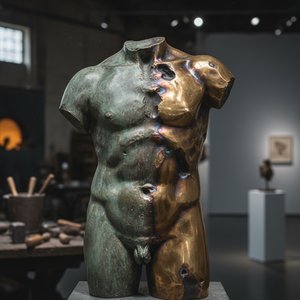
Dziedzictwo Brązu: Historia, Techniki i Współczesne Interpretacje Rzeźby
Poznaj historię i techniki rzeźby z brązu – od antycznych arcydzieł po współczesne interpretacje. Przewodnik dla kolekcjonerów i inwestorów sztuki. Ekspercka analiza wartości dzieł.

10 Legendarnych Brązów Rzeźbiarskich, Które Zmieniły Sztukę | OriginalUniqueArt
Odkryj 10 legendarnych rzeźb brązowych od Rodina, Degasa i innych mistrzów! Poznaj historię powstania arcydzieł sztuki i inspiruj się do dekoracji wnętrz. Reprodukcje najwyższej jakości na OriginalUniqueArt.com – zobacz kolekcję!

Trwała Spuścizna Bronzu: Historia, Technika i Ekspresja Artystyczna dla Kolekcjonera
Poznaj historię i techniki rzeźby z brązu. Ekspercka analiza wartości inwestycyjnej, konserwacji oraz ewolucji stylistycznej dla wymagających kolekcjonerów. Odkryj świat XIX-wiecznych arcydzieł Rodina i innych mistrzów.
