
 Podgląd w skali
 Wyślij jako kartkę
 Udostępnij
 Szczegóły dzieła

 Pobierz
 Podobne obiekty
 RTG
RTG Pokaz slajdów
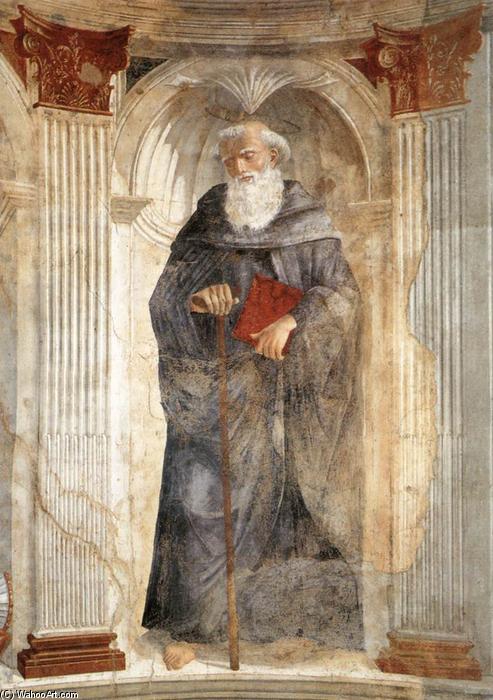
St Antony


 Rozwiń treść
Ręcznie malowana reprodukcja olejowa
Ręcznie malowany obraz olejny na płótnie, wykonany na zamówienie przez naszych artystów w wybranym przez Ciebie wymiarze i oprawie. ( Zamów wydruk Kup obraz wysokiej rozdzielczości)




































Wybierz spośród naszych standardowych rozmiarów, które zachowują oryginalne proporcje dzieła sztuki.

Możesz wprowadzić własne wymiary, aby dopasować obraz do konkretnej ramy lub przestrzeni. Jeśli wybrany rozmiar nie będzie odpowiadał proporcjom oryginału, przytniecie dzieło sztuki lub rozszerzymy je o dodatkowe elementy, ręcznie domalowane przez artystę. Przed rozpoczęciem produkcji wyślemy projekt cyfrowy do Twojej akceptacji.
Należy pamiętać, że podgląd na ekranie nie odzwierciedla rzeczywistego przycinania ani rozszerzania obrazu. Tylko projekt dokładnie pokaże ostateczną kompozycję.
Choć oferujemy możliwość zamówienia niestandardowych rozmiarów, zalecamy wybór wymiaru z gotowej listy, aby zachować oryginalne proporcje dzieła.
Po złożeniu zamówienia zespół OriginalUniqueArt.com skontaktuje się z klientem drogą mailową w celu uzyskania instrukcji i prześle wizualizację projektu
Dostawa na całym świecie () w ciągu 3–4 tygodni zamiast standardowych 5 tygodni. (22 Sierpień). Bez kompromisów w kwestii jakości.

Bezpłatna ekspresowa wysyłka na cały świat

Wysokiej jakości płótno lniane

Pełne ubezpieczenie przesyłki

Gwarancja zwrotu należności celnych i podatków importowych

Gwarancja wiernego odwzorowania kolorów

Polityka 60-dniowego zwrotu (tylko w przypadku wad)

Gwarancja 100% zwrotu kosztów

Zniżka przy zamówieniu wielu produktów
 Opcja ze szkłem jest dostępna wyłącznie w rozmiarach poniżej 110 cm

St Antony
Technika reprodukcji
Wymiary reprodukcji
-


Cena całkowita
$ 300
O artyście
A Florentine Garland: The Life and Art of Domenico Ghirlandaio
Domenico di Tommaso Curradi di Doffo Bigordi, a name that echoes through the annals of Renaissance art as Domenico Ghirlandaio, emerged from the vibrant heart of Florence in 1449. His very moniker, “Il Ghirlandaio” – the garland-maker – offers an immediate glimpse into his origins and the formative influences that shaped his extraordinary artistic vision. It wasn’t a reference to floral arrangements, however, but rather to the exquisite, jewel-like headdresses crafted by his father, a skilled goldsmith, that adorned Florentine women of the era. These elaborate creations, brimming with precious stones and intricate detailing, were known as *girlande*, and it was this familial connection to craftsmanship – to the creation of beauty through meticulous artistry – that instilled in young Domenico an unparalleled appreciation for detail, precision, and the captivating allure of ornamentation. Initially apprenticed to his father, learning the delicate techniques of metalworking and gem setting, he soon transitioned to painting under the tutelage of Alesso Baldovinetti, absorbing the foundational principles of fresco and mosaic—the very techniques that would define Florentine art during this period. Some scholars also suggest a formative period spent observing Andrea del Verrocchio’s workshop, placing him amongst a generation of masters who were poised to revolutionize Renaissance aesthetics.Bridging the Sacred and the Secular
Ghirlandaio's artistic genius lay in his remarkable ability to seamlessly intertwine religious narratives with the tangible realities of everyday Florentine life. He didn’t populate biblical scenes with idealized figures drawn from classical antiquity; instead, he populated them with recognizable Florentines – bustling merchants, humble townsfolk, and even members of prominent patron families—bringing a startling sense of realism and immediacy to his work. This innovative approach wasn't merely decorative; it served as a powerful means of grounding the sacred in the familiar world, making religious stories relatable and accessible to a broad audience. His workshop, a dynamic and bustling hub of creativity, was far from a solitary studio. It encompassed not only his brothers, Davide and Benedetto, but also his brother-in-law, Sebastiano Mainardi, and, most notably, the burgeoning talent of young Michelangelo Buonarroti—a fact that profoundly shaped both artists’ development. The sheer efficiency and productivity of this collaborative environment allowed Ghirlandaio to undertake ambitious commissions that solidified his reputation as one of Florence's foremost painters. Notable examples include the breathtaking fresco cycles adorning the Sassetti Chapel within Santa Trinita (1482-1485), a vibrant tapestry of biblical stories interwoven with scenes depicting Florentine commerce, social interactions, and even glimpses into the daily lives of its inhabitants—a remarkable feat of artistic storytelling. Similarly, his *Apotheosis of St. Zenobius* within the Palazzo Vecchio showcased his mastery of perspective, composition, and a sophisticated understanding of architectural design.Rome and the Sistine Chapel
The pinnacle of Ghirlandaio’s illustrious career arrived in 1481 with an invitation from Pope Sixtus IV to travel to Rome. The pontiff sought to assemble a team of Florence's most accomplished artists—including Botticelli, Perugino, and Rossetti—to adorn the walls of the newly constructed Sistine Chapel. Ghirlandaio’s contribution was *The Vocation of the Apostles*, a dynamic and captivating scene depicting Christ summoning Peter and Andrew to follow him. While often overshadowed by Michelangelo's later ceiling frescoes, this work in the chapel stands as a testament to Ghirlandaio’s exceptional skill in narrative storytelling and his ability to create compelling compositions filled with expressive figures—a demonstration of his artistic prowess on an international stage. Crucially, it also provided a vital learning experience for the young Michelangelo Buonarroti, who observed Ghirlandaio's techniques firsthand, absorbing invaluable lessons that would profoundly influence his own artistic development and ultimately shape the course of Western art.Legacy of Realism and Influence
Domenico Ghirlandaio’s untimely death in 1494 at the age of forty-five tragically cut short a promising career, yet his impact on Renaissance art remains undeniably profound. He left behind a legacy not only through the numerous frescoes and paintings he created but also through the artists he nurtured—most notably Michelangelo. His unwavering commitment to realism, his innovative ability to seamlessly integrate contemporary life into religious narratives, and his masterful command of color, composition, and perspective profoundly influenced generations of painters who followed. While perhaps less universally celebrated than some of his contemporaries – such as Leonardo da Vinci or Raphael – Ghirlandaio’s work offers a unique and intimate window into the vibrant world of Renaissance Florence—a world where faith, commerce, and artistic innovation converged to create an era of unparalleled cultural achievement. His paintings continue to resonate today, offering viewers a captivating glimpse into the lives, beliefs, and aspirations of those who lived centuries ago.Notable Works
- St. Jerome in His Study (1480): A companion piece to Botticelli’s *Saint Augustine*, showcasing Ghirlandaio's skill with fresco and meticulous attention to detail.
- The Last Supper (Ognissanti, 1480): A groundbreaking work that influenced later depictions of this iconic scene, including Leonardo da Vinci’s masterpiece.
- Frescoes in the Sassetti Chapel (Santa Trinita, 1482-1485): A comprehensive cycle illustrating the life of St. Francis, celebrated for its realistic portrayal of Florentine society.
- The Vocation of the Apostles (Sistine Chapel, 1483): A significant contribution to one of the world’s most iconic artistic spaces.
- Adoration of the Magi (Uffizi Gallery, 1487): A vibrant and detailed depiction showcasing Ghirlandaio's mastery of composition and color.

Domenico Ghirlandaio
1449 - 1494 , Włochy
Krótka nota
- Artistic Movement Or Style: Renesans florencki
- Artists Or Movements Influenced By This Artist:
- Michał Anioł
- Renesans
- Artists Who Influenced This Artist:
- Alesso Baldovinetti
- Andrea del Verrocchio
- Date Of Birth: 1449
- Date Of Death: 1494
- Full Name: Domenico di Tommaso Bigordi
- Nationality: Włoski
- Notable Artworks:
- St. Jerome
- Ostatnia Wieczerza
- Sassetti
- Place Of Birth: Florencja, Italia



