

 Zobacz w skali 1:1
 Wyślij
 Udostępnij
 Szczegóły
 Przewodnik

 Pobierz plik obrazu
 Podobne obiekty
 RTG
RTG Pokaz slajdów
 Statystyki
Trinity
 Oil On Panel
- Mannerist
 1513
1513- Renaissance
 152.0 x 228.0 cm
 Pinacoteca Nazionale
 Czytaj więcej
Giclée / Wydruk artystyczny
Wydruki giclée lub płótna o jakości muzealnej, szybka realizacja i szeroki wybór opcji wykończenia. ( Kup ręcznie malowany obraz Przełącz na wersję cyfrową)




P118B zł10

P118H zł10

P118W zł10

P438Z zł10

P508JH zł12

P508YH zł12

P805H zł10

P805Z zł10

P919BZ zł10

P919G zł10

P919XJ zł10

P959ZH zł10

P968JZ zł12

W106C zł8

W218G zł10

W218JH zł8

W218Y zł10

W307PJ zł10

W316G zł10

W316PJ zł8

W316Y zł10

W398PJ zł8

W4111J zł10

W500HY zł15

W500JH zł15

W692G zł12

W849H zł8

W940BG zł15

W953PJ zł8




Wybierz spośród naszych standardowych rozmiarów, które zachowują oryginalne proporcje dzieła sztuki.

Wpisz wymaganą szerokość i wysokość, aby dopasować grafikę do ramy lub ściany. Wydruk można jedynie przyciąć, nigdy nie powiększając go poza oryginalny obraz, dlatego format o innym proporcji spowoduje utratę części kompozycji. Przed rozpoczęciem druku prześlemy Ci cyfrowy podgląd do zatwierdzenia. Obraz wyświetlany na tej stronie nie pokazuje rzeczywistego przycięcia — jedynie podgląd oddaje ten efekt.
Dostawa na cały świat () w ciągu 2 tygodni zamiast standardowych 4/5 tygodni. (23 Październik)

Bezpłatna ekspresowa wysyłka na cały świat

Wysokiej jakości płótno lniane

Pełne ubezpieczenie transportowe

Gwarancja zwrotu należności celnych i podatków importowych

Gwarancja idealnego odwzorowania barw

100-dniowy okres na zwrot dzieła w przypadku wykrycia wad produkcyjnych

Gwarancja 100% zwrotu pieniędzy

Oferta przy zakupie wielu sztuk
 Opcja ze szkłem jest dostępna wyłącznie w rozmiarach poniżej 110 cm

Trinity
Giclée / Wydruk artystyczny
Rozmiar reprodukcji
-


Suma do zapłaty
zł 308
A Visionary Symphony of Faith and Light
In the heart of the Italian Renaissance, amidst the burgeoning humanism of the early sixteenth century, Domenico di Pace Beccafumi crafted a masterpiece that transcends the boundaries of mere religious iconography. His Trinity, completed in 1513, is not simply a depiction of divine figures but a profound exploration of the spiritual psyche. As a prominent figure of the Sienese school, Beccafumi moved away from the rigid, polished perfection found in Florentine works, opting instead for a more emotive and atmospheric approach. This monumental triptych serves as a window into a period where art began to grapple with the tension between classical harmony and the expressive, often distorted, beauty of the emerging Mannerist style.
The composition is a breathtaking tripartite journey, guiding the viewer through layers of celestial and earthly devotion. In the central panel, the Crucifixion takes center stage, anchored by the figure of Christ, flanked by the poignant presence of Mary Magdalene and John the Evangelist. The use of light here is nothing short of miraculous; Beccafumi employs a technique known as glazeware, applying thin, translucent layers of oil paint to create a luminous depth that seems to glow from within. This mastery of light and shadow—the dramatic chiaroscuro—imbues the figures with a weight and a soul, making their divine suffering and eternal grace feel tangibly present to the observer.
The Artistry of Sienese Mannerism
To behold this work is to witness the birth of a new aesthetic language. Beccafumi’s brushwork avoids the static nature of his predecessors, favoring elongated forms and a sense of rhythmic movement that anticipates the complexities of Mannerism. The left panel introduces us to an angelic presence, where soft, light-colored robes contrast against a deep, mysterious background, creating a sense of infinite space. Conversely, the right panel offers a more grounded, yet equally sacred, scene featuring the Virgin Mary and Joseph, wrapped in rich blues and warm earth tones that ground the divine narrative in human emotion.
For the discerning collector or interior designer, this piece offers an unparalleled opportunity to introduce a sense of historical grandeur and intellectual depth into a space. The intricate details—from the delicate folds of the drapery to the expressive, searching gazes of the saints—provide endless points of visual fascination. A high-quality reproduction of this triptych does more than decorate a wall; it anchors a room with a sense of timelessness and contemplative peace. It is an invitation to pause, to reflect, and to immerse oneself in the golden age of Siena, making it a profound centerpiece for any curated collection or sophisticated living environment.
Pytania i odpowiedzi
Jaki poziom kontrastu prezentuje „Trinity” autorstwa Domenico Di Pace Beccafumi?
Poziom kontrastu dzieła „Trinity” autorstwa Domenico Di Pace Beccafumi wynosi Statement.
Jaki nastrój oddaje „Trinity” autorstwa Domenico Di Pace Beccafumi w ramach nurtu Mannerist?
Mysterious emocja dzieła „Trinity” współgra z jego stylem Mannerist.
Czy istnieją dzieła podobne do „Trinity”?
Dzieła podobne do „Trinity” znajdują się na stronie Podobne dzieła danego dzieła.
Biografia artysty
Domenico di Pace Beccafumi (1486 – May 18, 1551) – A Sienese Visionary
Domenico di Pace Beccafumi, a name that resonates less immediately than those of his Florentine contemporaries, nonetheless occupies a pivotal position in the narrative of Italian Renaissance art. Born around 1486 in Montaperto, near Siena, Beccafumi’s artistic journey was one of remarkable development, culminating in a style that bridged the High Renaissance and the burgeoning complexities of Mannerism. His story isn't simply about technical skill; it is about a deeply individual vision—a sensibility steeped in the traditions of his Sienese heritage yet boldly reaching towards new expressive possibilities. His origins were humble: the son of Giacomo di Pace, a peasant who worked on the estate of Lorenzo Beccafumi, his talent was recognized by Lorenzo Beccafumi, who adopted him and provided for his initial artistic training with Mechero, a local Sienese artist. This early grounding in the Sienese school would prove foundational, even as he ventured beyond its established conventions. The Sienese tradition, already diverging from the classical ideals embraced elsewhere in Italy, fostered an environment where emotional intensity and decorative detail were valued, qualities that would become hallmarks of Beccafumi’s unique style.Early Life and Artistic Training
Domenico’s formative years instilled within him a profound appreciation for Sienese artistic sensibilities—a preference for expressive color palettes and dynamic compositions that contrasted sharply with the idealized forms favored in Florence during this period. Lorenzo Beccafumi, recognizing his son's exceptional aptitude for drawing, ensured he received comprehensive instruction from Mechero, a respected Sienese artist who championed the stylistic conventions of their region. This mentorship solidified Beccafumi’s connection to the Sienese school and established a bedrock of artistic principles that would inform his subsequent endeavors. The influence of Giotto—a pivotal figure in Sienese art—was palpable in Mechero's teachings, emphasizing naturalism and conveying emotion through gesture and facial expression—elements that would become central to Beccafumi’s distinctive aesthetic.Rome and the Encounter with Renaissance Giants
Around 1509, Domenico embarked on a transformative journey to Rome, a city pulsating with artistic innovation and intellectual ferment. Immediately upon arriving in the papal capital, he encountered the monumental works of Raphael and Michelangelo—artists who had revolutionized painting and sculpture through their mastery of perspective, anatomy, and dramatic narrative. Unlike many artists of his generation who sought to emulate these masters precisely, Beccafumi absorbed their groundbreaking techniques while simultaneously filtering them through his own Sienese artistic heritage. He didn’t merely copy the Roman style; he reimagined it—injecting into it a sense of psychological depth and emotional turbulence that distinguished it from its more serene counterparts. This synthesis resulted in an artistic idiom characterized by unsettling juxtapositions, distorted figures, and luminous colorations—a stylistic hallmark that would define Beccafumi’s oeuvre.The Style of Siena: Decorative Detail and Emotional Intensity
Returning to Siena after his Roman sojourn, Beccafumi continued to develop his distinctive style—one marked by a preoccupation with decorative detail and an unwavering commitment to conveying profound emotional states. His paintings frequently employed shimmering surfaces and intricate patterns—techniques borrowed from Sienese craftsmanship—to heighten visual impact and create immersive environments for the viewer. Simultaneously, he infused his compositions with palpable tension and instability, reflecting a departure from the harmonious balance of High Renaissance ideals. This stylistic duality—the blending of decorative splendor with psychological complexity—became synonymous with Beccafumi’s artistic vision. He skillfully navigated the shifting currents of artistic taste, establishing himself as one of the last unwavering champions of Sienese tradition while simultaneously embracing the expressive innovations of Mannerism.Major Works and Artistic Legacy
Domenico Beccafumi produced a prolific body of work encompassing painting, sculpture, mosaic design, and printmaking—demonstrating his remarkable versatility as an artist and craftsman. Among his most celebrated achievements are the frescoes adorning the Oratory of St. Benedict in Siena—a testament to his narrative skill and expressive power. The Trinity Triptych, housed in the Pinacoteca Nazionale di Siena, showcases Beccafumi’s mastery of oil painting and his ability to convey religious devotion with both grandeur and intimacy. The Annunciation, also at the Pinacoteca Nazionale, exemplifies his distinctive use of color and composition—creating a scene that is simultaneously serene and subtly unsettling. Furthermore, he directed the ambitious pavement design for Siena Cathedral between 1517 and 1544—a monumental undertaking involving intricate marble inlay and mosaics depicting biblical narratives. Beccafumi’s innovative techniques in mosaic production cemented his reputation as a pioneer of artistic craftsmanship. His prints—engravings and woodcuts—further disseminated his stylistic ideas beyond Siena's borders, influencing artists across Italy. Domenico di Pace Beccafumi remains an enduring symbol of Sienese artistic identity—a visionary who dared to challenge conventional norms and whose legacy continues to inspire admiration for its expressive power and psychological depth.
Domenico Di Pace Beccafumi
1486 - 1551 , Włochy
Najważniejsze informacje
- Artistic Movement Or Style: Mannerizm
- Artists Who Influenced This Artist:
- Raphael
- Michelangelo
- Date Of Birth: c. 1486
- Date Of Death: May 18, 1551
- Full Name: Domenico di Pace Beccafumi
- Nationality: Włoski
- Notable Artworks:
- Trinity Triptych
- Św. Paweł na tronie
- Zstąpienie Chrystusa do otchłani
- Place Of Birth: Montaperto koło Sieny
Zobacz także powiązane artykuły

Manieryzm: Pomost Między Renesansową Harmonią a Dramatem Baroku – Studium Stylu i Afektacji
Poznaj manieryzm – fascynujący styl artystyczny przejściowy między renesansem a barokiem. Analiza cech, kluczowi artyści i wpływ na sztukę europejską. Ekspercka wiedza o Parmigianino, Bronzino i El Greco.
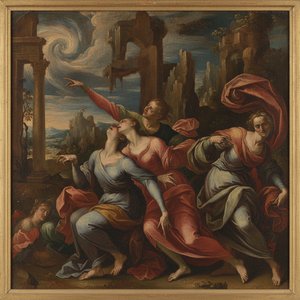
Drama & Distortion: A Journey Through the Captivating World of Baroque Mannerism
Explore the dramatic tension of Mannerism and the opulent grandeur of Baroque art. Discover how masters used light, shadow, and distortion to redefine European history through a captivating journey of emotional intensity and spiritual fervor.
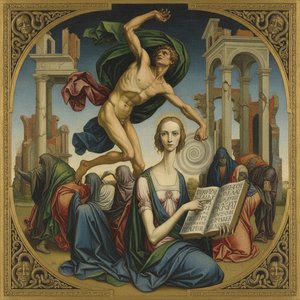
Beyond Perfection: The Dramatic Elegance and Intellectual Tension of Renaissance Mannerism
Explore the captivating world of Renaissance Mannerism. Discover how artists moved beyond High Renaissance harmony into a realm of elegant distortion, psychological tension, and dramatic beauty that bridged the gap to the Baroque era.

Northern Mannerism: The Dramatic Evolution of European Art through Elegant Distortion and Tension
Explore the dramatic evolution of Northern Mannerism. Discover how 16th-century artists moved from Renaissance harmony to elegant distortion, tension, and complex symbolism in European art history.
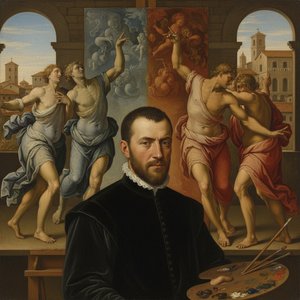
Domenico Beccafumi: A Sienese Master Between Mannerism & Baroque Anticipation
Explore the captivating world of Domenico Beccafumi, a pivotal figure bridging Mannerism & Baroque art. Discover his unique style, religious masterpieces, and lasting legacy with OriginalUniqueArt.

