

 Zobacz w skali 1:1
 Wyślij
 Udostępnij
 Szczegóły
 Przewodnik

 Pobierz plik obrazu
 Podobne obiekty
 RTG
RTG Pokaz slajdów
 Statystyki
Conversation outside a Castle


 Czytaj więcej
Ręcznie malowana reprodukcja olejowa
Ręcznie malowany obraz olejny na płótnie, wykonany na zamówienie przez naszych artystów w wybranym przez Ciebie wymiarze i oprawie. ( Przełącz na wersję drukowaną Przełącz na wersję cyfrową)




P118B zł10

P118H zł10

P118W zł10

P438Z zł10

P508JH zł12

P508YH zł12

P805H zł10

P805Z zł10

P919BZ zł10

P919G zł10

P919XJ zł10

P959ZH zł10

P968JZ zł12

W106C zł8

W218G zł10

W218JH zł8

W218Y zł10

W307PJ zł10

W316G zł10

W316PJ zł8

W316Y zł10

W398PJ zł8

W4111J zł10

W500HY zł15

W500JH zł15

W692G zł12

W849H zł8

W940BG zł15

W953PJ zł8




Wybierz spośród naszych standardowych rozmiarów, które zachowują oryginalne proporcje dzieła sztuki.

Możesz wprowadzić własne wymiary, aby dopasować obraz do konkretnej ramy lub przestrzeni. Jeśli wybrany rozmiar nie będzie odpowiadał proporcjom oryginału, przytniecie dzieło sztuki lub rozszerzymy je o dodatkowe elementy, ręcznie domalowane przez artystę. Przed rozpoczęciem produkcji wyślemy projekt cyfrowy do Twojej akceptacji.
Należy pamiętać, że podgląd na ekranie nie odzwierciedla rzeczywistego przycinania ani rozszerzania obrazu. Tylko projekt dokładnie pokaże ostateczną kompozycję.
Choć oferujemy możliwość zamówienia niestandardowych rozmiarów, zalecamy wybór wymiaru z gotowej listy, aby zachować oryginalne proporcje dzieła.
Po złożeniu zamówienia zespół OriginalUniqueArt.com skontaktuje się z klientem drogą mailową w celu uzyskania instrukcji i prześle wizualizację projektu
Dostawa na całym świecie () w ciągu 3–4 tygodni zamiast standardowych 5 tygodni. (28 Wrzesień). Bez kompromisów w kwestii jakości.

Bezpłatna ekspresowa wysyłka na cały świat

Wysokiej jakości płótno lniane

Pełne ubezpieczenie transportowe

Gwarancja zwrotu należności celnych i podatków importowych

Gwarancja idealnego odwzorowania barw

100-dniowy okres na zwrot dzieła w przypadku wykrycia wad produkcyjnych

Gwarancja 100% zwrotu pieniędzy

Oferta przy zakupie wielu sztuk
 Opcja ze szkłem jest dostępna wyłącznie w rozmiarach poniżej 110 cm

Conversation outside a Castle
Technika wykonania
Rozmiar reprodukcji
-


Suma do zapłaty
zł 1122
A Realm of Illusion: Dirck van Delen’s “Conversation Outside a Castle”
Dirck van Delen's "Conversation Outside a Castle," painted in 1636, isn’t merely a depiction of an outdoor gathering; it’s a meticulously crafted illusion—a testament to the Dutch Golden Age’s fascination with perspective, grandeur, and the sublime. Housed within the Statens Museum for Kunst in Copenhagen, this oil-on-panel masterpiece transports the viewer to a world where architectural fantasies intertwine with the quiet drama of human interaction. Van Delen, more than just a painter, was an architect of vision, meticulously constructing impossible palaces and breathtaking church interiors that defied the limitations of reality – a skill evident in every carefully rendered column, every subtly shifting plane, and every exquisitely detailed garment. The painting’s enduring appeal lies not only in its technical brilliance but also in the profound sense of mystery and invitation it evokes.The Baroque Stage: Setting the Scene
The scene unfolds within a meticulously designed outdoor setting, reminiscent of the Italianate style popular during the early 17th century. A checkered floor anchors the composition, grounding the fantastical architecture while simultaneously directing the eye towards the central group of figures. The castle itself—a towering structure with classical elements like columns and pediments—looms in the background, a symbol of power, wealth, and perhaps even unattainable beauty. Above, a cloudy sky hints at an impending storm or a dramatic shift in mood, mirroring the underlying tension within the conversation taking place below. Notice how Van Delen masterfully employs light and shadow to sculpt the forms, creating a sense of depth and volume that draws the viewer into this meticulously constructed world. The use of muted colors—primarily pinks, whites, and blacks—further enhances the painting’s atmospheric quality, lending it an air of timeless elegance.Figures in Dialogue: A Study of Human Interaction
At the heart of “Conversation Outside a Castle” are four figures engaged in animated discussion. Two men, dressed in elaborate Baroque attire complete with ruffled collars and lace detailing, dominate the foreground, their gestures suggesting lively debate. Beside them stand two women, equally adorned in luxurious fabrics and jewels, observing the proceedings with an air of quiet amusement. The artist’s skill lies not only in capturing the likenesses of these individuals but also in conveying their personalities through subtle shifts in posture and expression. The figures are not simply portraits; they represent a microcosm of society—a glimpse into the social rituals and power dynamics of the era. The painting invites us to speculate about the nature of their conversation, prompting us to imagine the stories behind their smiles and frowns.Technique and Illusion: Van Delen’s Masterstroke
Van Delen's mastery lies in his ability to create a convincing illusion of space—a feat achieved through a complex interplay of linear perspective and atmospheric effects. The receding lines of the castle walls converge towards a vanishing point, drawing the viewer’s eye into the distance. The use of *chiaroscuro* – the dramatic contrast between light and shadow – further enhances this sense of depth, creating an almost three-dimensional effect. Moreover, Van Delen's meticulous attention to detail—from the intricate patterns on the fabrics to the texture of the stone walls—is simply breathtaking. He wasn’t merely painting a scene; he was constructing a world, layer by layer, with painstaking precision. The painting is an example of his architectural style, which combined elements of the Vredeman de Vries and Steenwijck styles.A Legacy of Illusion: Reproduction and Beyond
Today, “Conversation Outside a Castle” stands as a testament to Van Delen’s extraordinary talent—a captivating blend of technical skill, artistic vision, and psychological insight. High-quality reproductions capture much of the original's magic, offering an accessible way to experience this remarkable work of art. Whether displayed in a grand salon or a cozy study, a reproduction of “Conversation Outside a Castle” can transport viewers to another time and place—a realm of illusion where beauty, power, and human connection converge. It’s a reminder that art has the power to not only reflect reality but also to transcend it entirely.Biografia artysty
Dirck van Delen: Architect of Illusion
The Dutch Golden Age was a period brimming with artistic brilliance, yet few artists managed to capture the imagination quite like Dirck van Delen (1605-1671). More than simply a painter, Van Delen operated as an architect of illusion, meticulously crafting impossible palaces and breathtaking church interiors that defied the very nature of reality. His work, largely confined to these architectural fantasies, offers a unique and intimate window into the aspirations, artistic sensibilities, and profound beliefs of 17th-century Europe – a time obsessed with grandeur, perspective, and the sublime.
Born in Heusden, Netherlands, Van Delen’s early life remains shrouded in a gentle mist of mystery. The precise details surrounding his apprenticeship are subject to ongoing debate among art historians, fueled by speculation about potential tutelage under both Frans Hals – renowned for his vibrant portraits – and Hendrick Aerts, whose expertise lay in the meticulous rendering of architectural subjects. While a definitive answer remains elusive, the most plausible theory suggests an early influence stemming from studies under Pieter van Bronckhorst and Bartholomeus van Bassen in Delft. This connection to Delft is particularly significant, as it points to an exposure to the burgeoning artistic trends emerging from that influential Low Countries center – specifically, the rigorous draftsmanship and architectural precision championed by figures like Jan van Londerseel, whose meticulously crafted prints profoundly shaped Van Delen’s visual language.
Van Delen's career unfolded primarily in Arnemuiden, a small town near Middelburg, where he served as toll house master and later held a prominent position on the town council. This civic engagement provided him with a degree of stability while simultaneously affording him the freedom to dedicate himself wholeheartedly to his artistic pursuits. He married three times, though tragically, he left no known children who survived beyond infancy. Despite this personal loss, Van Delen established a lasting legacy through his pupils – Daniël de Blieck and Hans Jurriaensz. van Baden – individuals who skillfully carried forward elements of his distinctive style, ensuring that his artistic vision continued to flourish.
The Architect’s Palette: Style and Technique
Van Delen's artistic identity is firmly rooted in the Baroque period, yet he developed a remarkably individual approach. His paintings are characterized by an almost obsessive attention to detail, meticulously rendering every column, cornice, and decorative element within his imagined architectural spaces. Unlike many of his contemporaries who focused on narrative scenes or portraiture, Van Delen’s subjects were entirely self-contained – grand palaces and imposing churches designed solely for the pleasure of the viewer.
His palette was remarkably consistent throughout his career, favoring a restrained yet sophisticated range of colors: cool blues and greens contrasted with warm ochres and reds, often punctuated by shimmering gold leaf. He expertly manipulated light and shadow to create an illusion of depth and volume, employing techniques borrowed from the Flemish masters but infused with his own unique sensibility. The influence of Hendrick Aerts is particularly evident in Van Delen’s early works, characterized by a meticulous rendering of architectural details and a subtle use of perspective. He wasn't simply depicting buildings; he was constructing entire worlds within the confines of canvas.
Notably, Van Delen’s work frequently involved collaborations with other artists, most notably Gonzales Coques and Pieter Codde. While the exact nature of these partnerships remains a subject of scholarly debate, it is widely believed that Van Delen primarily focused on painting the figures within his compositions, relying on the skills of others to execute the architectural elements. This division of labor reflects a pragmatic approach to artistic production – one that allowed him to concentrate on his core strength: creating compelling and believable illusions.
Imaginary Realms: Themes and Symbolism
Van Delen’s architectural fantasies are not merely decorative exercises; they are imbued with profound symbolic meaning. His palaces, often adorned with elaborate sculptures and opulent furnishings, represent the ideals of wealth, power, and divine authority – qualities highly valued during the Dutch Golden Age. The inclusion of figures within these spaces—often engaged in courtly activities or religious ceremonies—suggests a desire to explore the relationship between human ambition and spiritual aspiration.
His church interiors, equally impressive in their scale and detail, evoke a sense of awe and reverence. These meticulously rendered spaces, filled with soaring arches, stained glass windows, and intricate ornamentation, represent the glory of God and the enduring power of faith. The use of perspective is particularly striking, creating an illusion of vastness that draws the viewer into the heart of the architectural space. He wasn’t just painting a room; he was conveying a feeling – one of profound spiritual connection.
A fascinating aspect of Van Delen’s work is his occasional inclusion of still lifes – notably a single flower arrangement—which stand in stark contrast to his predominantly architectural subjects. These intimate scenes offer a glimpse into a more personal side of the artist, suggesting an appreciation for beauty and natural forms. These small details hint at a deeper understanding of human experience beyond the grand scale of his architectural visions.
Legacy and Influence
Despite his relative obscurity during his lifetime, Dirck van Delen’s work has experienced a significant resurgence in recognition in recent decades. His meticulously rendered architectural fantasies continue to captivate viewers with their illusionistic qualities and their evocative portrayal of the Dutch Golden Age. He is now widely considered a key figure in the development of Dutch Baroque painting, particularly for his pioneering use of perspective and his ability to create convincing illusions of space.
Van Delen’s influence can be seen in the work of subsequent generations of Dutch artists, including Pieter van Bronckhorst and Bartholomeus van Bassen. His legacy endures as a testament to the power of artistic imagination – a reminder that even the most impossible dreams can be rendered with breathtaking detail and skill. His paintings remain a source of wonder and inspiration, inviting us to lose ourselves in the beauty and complexity of his imagined worlds.

Dirck van Delen
1605 - 1671 , Holandia
Najważniejsze informacje
- Artistic Movement Or Style: Barok
- Artists Or Movements Influenced By This Artist: ['Jan van Goyen']
- Artists Who Influenced This Artist:
- Hendrik Aerts
- Pieter van Bronckhorst
- Date Of Birth: c. 1605
- Date Of Death: 1671
- Full Name: Dirck Christiaensz van Delen
- Nationality: Holender
- Notable Artworks:
- Pałac wewnątrz
- Widoki pałaców
- Place Of Birth: Heusden, Holandia
Zobacz także powiązane artykuły

Barokowe arcydzieła: 10 obrazów, które zdefiniowały epokę | OriginalUniqueArt.com
Odkryj 10 arcydzieł baroku! Caravaggio, Rembrandt, Rubens i inni artyści, którzy zdefiniowali epokę. Poznaj historie, techniki i inspiracje tych niezwykłych obrazów. Reprodukcje najwyższej jakości na OriginalUniqueArt.com – idealne do Twojego wnętrza!

Rembrandt van Rijn: 25 Najwybitniejszych Dzieł Sztuki – Reprodukcje i Inspiracje do Wnętrz
Poznaj 25 arcydzieł Rembrandta van Rijn! Odkryj fascynujące historie, techniki i wpływ holenderskiego mistrza baroku na świat sztuki. Reprodukcje obrazów najwyższej jakości – inspiracje do wnętrz na OriginalUniqueArt.com
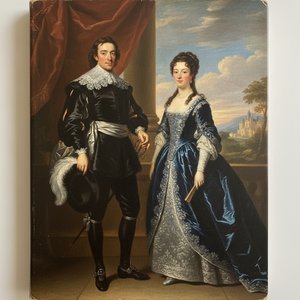
Sir Anthony van Dyck: Courtly Portraiture & the Shaping of Baroque Identity
Explore the life & legacy of Sir Anthony van Dyck, the leading court painter of his era. Discover his innovative portraiture, Baroque masterpieces, and investment potential for discerning collectors. Learn more at OriginalUniqueArt.

Dramatyczny Rozkwit Baroku: Dziedzictwo Sztuki Kontrreformacji i Mistrzowie Chiaroscuro
Odkryj dramatyczny świat baroku! Poznaj historię sztuki kontrreformacji, mistrzów chiaroscuro i weneckich arcydzieł. Reprodukcje najwyższej jakości na OriginalUniqueArt.com.

Holenderski Barok: 10 Arcydzieł, Które Zdefiniowały Epokę | OriginalUniqueArt
Poznaj 10 arcydzieł holenderskiego baroku! Odkryj historie Rembrandta, Vermeera i innych mistrzów XVII wieku. Reprodukcje obrazów najwyższej jakości – idealne do Twojego wnętrza. OriginalUniqueArt.com