
 Zobacz w skali 1:1
 Wyślij
 Udostępnij
 Szczegóły
 Przewodnik

 Pobierz plik obrazu
 Podobne obiekty
 RTG
RTG Pokaz slajdów
 Statystyki
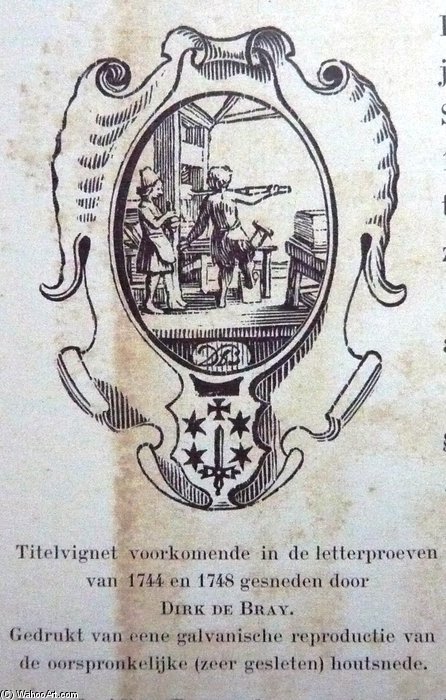
Illustration From Haarlem Printing
 Czytaj więcej
Ręcznie malowana reprodukcja olejowa
Ręcznie malowany obraz olejny na płótnie, wykonany na zamówienie przez naszych artystów w wybranym przez Ciebie wymiarze i oprawie. ( Przełącz na wersję drukowaną Przełącz na wersję cyfrową)




































Wybierz spośród naszych standardowych rozmiarów, które zachowują oryginalne proporcje dzieła sztuki.

Możesz wprowadzić własne wymiary, aby dopasować obraz do konkretnej ramy lub przestrzeni. Jeśli wybrany rozmiar nie będzie odpowiadał proporcjom oryginału, przytniecie dzieło sztuki lub rozszerzymy je o dodatkowe elementy, ręcznie domalowane przez artystę. Przed rozpoczęciem produkcji wyślemy projekt cyfrowy do Twojej akceptacji.
Należy pamiętać, że podgląd na ekranie nie odzwierciedla rzeczywistego przycinania ani rozszerzania obrazu. Tylko projekt dokładnie pokaże ostateczną kompozycję.
Choć oferujemy możliwość zamówienia niestandardowych rozmiarów, zalecamy wybór wymiaru z gotowej listy, aby zachować oryginalne proporcje dzieła.
Po złożeniu zamówienia zespół OriginalUniqueArt.com skontaktuje się z klientem drogą mailową w celu uzyskania instrukcji i prześle wizualizację projektu
Dostawa na całym świecie () w ciągu 3–4 tygodni zamiast standardowych 5 tygodni. (26 Wrzesień). Bez kompromisów w kwestii jakości.

Bezpłatna ekspresowa wysyłka na cały świat

Wysokiej jakości płótno lniane

Pełne ubezpieczenie transportowe

Gwarancja zwrotu należności celnych i podatków importowych

Gwarancja idealnego odwzorowania barw

100-dniowy okres na zwrot dzieła w przypadku wykrycia wad produkcyjnych

Gwarancja 100% zwrotu pieniędzy

Oferta przy zakupie wielu sztuk
 Opcja ze szkłem jest dostępna wyłącznie w rozmiarach poniżej 110 cm

Illustration From Haarlem Printing
Technika wykonania
Rozmiar reprodukcji
-


Suma do zapłaty
$ 325
Biografia artysty
A Legacy of Floral Brilliance and Artistic Family Ties
Dirck de Bray (1635 – 1694) stands as a prominent figure within the Dutch Golden Age, celebrated primarily for his masterful depictions of flowers—a genre he elevated to unparalleled levels of detail and beauty. Yet, his artistic journey extended far beyond botanical illustration; he was a multifaceted talent deeply rooted in a distinguished artistic lineage and marked by a contemplative life dedicated to monastic pursuits. Born into Haarlem’s vibrant artistic milieu, Dirck’s very existence was intertwined with the pulse of the Netherlands' most creative era.
His father, Salomon de Bray, was himself a celebrated painter and architect—a connection that profoundly shaped his formative years. This familial influence instilled in him an appreciation for artistic excellence and fostered a collaborative spirit within the Bray family. His brother Jan became a successful painter, while his mother, Anna Westerbaen, provided an intellectual richness to his upbringing as the sister of the renowned poet Jan Westerbaer. These connections ensured that Dirck was immersed in a world where art, poetry, and architecture breathed as one.
Mastery of Form and the Sculptor's Touch
De Bray's artistic training began under Salomon’s tutelage, honing skills in both painting and sculpture. This dual mastery allowed him to approach the canvas with a unique understanding of three-dimensional form. A remarkable testament to his skill was his carving of a wooden bust of his father's head, an achievement so meticulously documented by Houbraken that it was utilized for Salomon’s engraving in the famous Schouburg. This ability to manipulate medium—from the delicate grain of wood to the fluid transparency of oil—demonstrated a keen understanding of texture and printmaking techniques alongside his artistic prowess.
His artistic style is characterized by meticulous observation and painstaking execution, traits most evident in his stunning flower paintings. Unlike many contemporaries who favored looser, more impressionistic brushstrokes, De Bray achieved a profound realism through the layering of thin glazes of color. This technique allowed him to capture the subtle nuances of petal textures, the dewy sheen on a leaf, and the complex light play within floral arrangements with breathtaking accuracy. His compositions often incorporate dramatic lighting that elevates his still lifes from mere botanical studies to profound meditations on life.
Symbolism, Spirituality, and the Vanitas Tradition
Beyond the surface beauty of his blooms, De Bray’s work often whispered of deeper, more somber truths. In masterpieces such as Still Life with a Bouquet in the Making (1674), he utilized the vibrant colors of tulips, daffodils, and primroses to create a sense of springtime vitality, yet he frequently infused these scenes with elements of Vanitas—the reflection on mortality. A solitary butterfly or a wilting petal served as a poignant reminder of the ephemeral nature of existence, a theme that resonated deeply with his own spiritual journey.
This contemplative nature was further deepened by his later life; Dirck eventually became a monk in the Benedictine monastery at Gaesdonck near Goch. This transition from the vibrant studios of Haarlem to the quiet, disciplined life of a monk imbued his later perspective with a certain quiet dignity and spiritual depth. Whether painting a lush basket of flowers on a marble ledge or capturing the symbolic weight of religious icons, De Bray’s work remains a testament to a soul that found the divine in the minute details of the natural world.

Dirck de Bray
1635 - 1694 , Netherlands
Najważniejsze informacje
- Artistic Movement Or Style: Dutch Golden Age
- Artists Or Movements Influenced By This Artist: ['Hals']
- Artists Who Influenced This Artist: ['Salomon de Bray']
- Date Of Birth: 1635
- Full Name: Dirck de Bray
- Nationality: Dutch
- Notable Artworks:
- Still Life with a Bouquet in the Making
- Portrait Of Salomon De Bray
- A still life of a basket of flowers on a large marble ledge
- Place Of Birth: Haarlem, Netherlands
