

 Podgląd w skali 1:1
 Wyślij jako kartkę
 Udostępnij
 Szczegóły dzieła
 Przewodnik

 Pobierz obraz
 Podobne obiekty
 RTG
RTG Pokaz slajdów
 Statystyki
Sts Peter and Paul
 Baroque
 1608
1608 282.0 x 247.0 cm
 Biblioteca Nacional de España
 Rozwiń treść
Ręcznie malowana reprodukcja olejowa
Ręcznie malowany obraz olejny na płótnie, wykonany na zamówienie przez naszych artystów w wybranym przez Ciebie wymiarze i oprawie. ( Przełącz na wydania drukowane Przejdź do wersji cyfrowej)




P118B zł10

P118H zł10

P118W zł10

P438Z zł10

P508JH zł12

P508YH zł12

P805H zł10

P805Z zł10

P919BZ zł10

P919G zł10

P919XJ zł10

P959ZH zł10

P968JZ zł12

W106C zł8

W218G zł10

W218JH zł8

W218Y zł10

W307PJ zł10

W316G zł10

W316PJ zł8

W316Y zł10

W398PJ zł8

W4111J zł10

W500HY zł15

W500JH zł15

W692G zł12

W849H zł8

W940BG zł15

W953PJ zł8




Wybierz spośród naszych standardowych rozmiarów, które zachowują oryginalne proporcje dzieła sztuki.

Wpisz wymaganą szerokość i wysokość, aby obraz pasował do Twojej ramy lub ściany. Ponieważ jest to dzieło malowane ręcznie, w przypadku rozmiaru o innych proporcjach artysta może domalować nieco więcej wokół obrazu lub przyciąć jego fragmenty — wybór należy do Ciebie. Przed rozpoczęciem pracy prześlemy Ci cyfrową wizualizację do zatwierdzenia. Obraz widoczny na tej stronie nie przedstawia rzeczywistego efektu — jedynie wizualizacja oddaje realny rezultat.
Po złożeniu zamówienia zespół OriginalUniqueArt.com skontaktuje się z klientem drogą mailową w celu uzyskania instrukcji i prześle wizualizację projektu
Dostawa na całym świecie () w ciągu 3–4 tygodni zamiast standardowych 5 tygodni. (27 Październik). Bez kompromisów w kwestii jakości.

Bezpłatna ekspresowa wysyłka na cały świat

Wysokiej jakości płótno lniane

Pełne ubezpieczenie przesyłki

Gwarancja zwrotu należności celnych i podatków importowych

Gwarancja wiernego odwzorowania kolorów

100-dniowa polityka zwrotów (tylko w przypadku wad)

Gwarancja 100% zwrotu pieniędzy

Zniżka przy zakupie wielu sztuk
 Opcja ze szkłem jest dostępna wyłącznie w rozmiarach poniżej 110 cm

Sts Peter and Paul
Technika reprodukcji
Wymiary reprodukcji
-


Cena całkowita
zł 1153
Biografia artysty
The Baroque Echo of El Greco’s Vision
Diego de Astor stands as a profound bridge between the ethereal mysticism of the late Renaissance and the dramatic intensity of the Spanish Baroque. Born in Mechelen, Netherlands, around 1587, Astor’s artistic identity was forged in the crucible of one of history's most transformative eras. While his origins trace back to the Low Countries, his soul became inextricably linked to the Spanish Golden Age through his formative years in Toledo. It was here that he entered the studio of the legendary Domenico Theotocopuli, known universally as El Greco. This apprenticeship was more than mere technical training; it was an immersion into a visual language of elongated forms, spiritual tension, and a divine use of light that would become the heartbeat of Astor’s entire body of work.
As a master engraver, Astor possessed the rare ability to translate the fluid, painterly strokes of El Greco onto the rigid medium of copper plates. His technique was characterized by a meticulous attention to detail and a command over line that allowed him to capture the very essence of his mentor's vision. He did not merely replicate; he interpreted. Through the delicate interplay of shadow and light—the chiaroscuro that defines the Baroque period—Astor breathed new life into religious iconography, making the celestial palpable to a wider audience. His engravings served as vital conduits for the dissemination of sacred imagery, allowing the profound emotional depth of Toledo's masterpieces to travel far beyond the walls of Spanish cathedrals.
Technical Mastery and the Art of the Line
The brilliance of Astor’s work lies in his ability to navigate the complexities of religious narrative through the precision of engraving. His development as an artist saw him move from a student following instructions to a sophisticated creator capable of handling diverse subject matter, ranging from the deeply devotional to the highly functional. One of his most remarkable technical achievements was his contribution to the field of communication; he produced a series of plates for Juan Pablo Bonet’s groundbreaking manual on the alphabet for deaf education, demonstrating a versatility that extended far beyond the pulpit.
His professional prestige was further cemented by significant official appointments and high-profile commissions. The breadth of his influence can be seen in several key areas of his career:
- Official Engraver to the Mint: His role at the Mint of Segovia required an unparalleled level of precision, as he was tasked with the delicate work of engraving royal seals and official currency.
- Patronage of the Elite: Astor’s talent earned him the respect of powerful figures such as Cardinal Alessandro Farnese, placing his work within the highest circles of the papal court.
- Historical Documentation: His plates contributed to significant historical texts, such as Colmenares' Historia de Segovia, ensuring his artistic legacy was woven into the very fabric of Spanish history.
A Legacy of Devotion and Detail
To look upon an Astor engraving, such as the celebrated 1608 depiction of Sts Peter and Paul, is to witness a masterclass in Baroque composition. In these works, the viewer is met with dynamic figures that seem to emerge from the darkness, draped in heavy, textured fabrics that Astor rendered with uncanny realism. The emotional weight of the subjects—the gravity of their faith and the intensity of their martyrdom—is conveyed through subtle facial expressions and a masterful use of contrast. This ability to evoke empathy and awe is what distinguishes Astor as more than just a technician; he was a storyteller of the divine.
Ultimately, the historical significance of Diego de Astor lies in his role as a preserver and propagator of the Spanish Baroque spirit. While the original paintings of El Greco remained anchored in specific sacred spaces, Astor’s prints traveled across borders, influencing the aesthetic sensibilities of Europe. He captured the fleeting light of a transformative era and etched it into permanence, leaving behind a legacy that continues to resonate with anyone moved by the intersection of technical perfection and spiritual fervor.
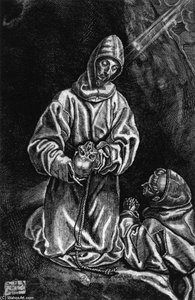
Diego De Astor
1587 - 1650 , Netherlands
Krótka nota
- Full Name: Diego de Astor
- Nationality: Dutch
- Date Of Birth: 1587
- Date Of Death: 1650
- Place Of Birth: Mechelen, Netherlands
- Notable Artworks:
- Sts Peter and Paul
- St Francis and Brother Leo Meditating on Death
- Artistic Movement Or Style: Baroque
- Artists Who Influenced This Artist: ['El Greco']
- Artists Or Movements Influenced By This Artist: ['Nuevo tango']
Powiązane artykuły
Paul Klee: 25 Arcydzieł Koloru i Formy | Reprodukcje Obrazów Online - OriginalUniqueArt
Odkryj 25 arcydzieł Paula Klee – od abstrakcji po ekspresjonizm. Poznaj historie, techniki i inspiracje malarza. Reprodukcje obrazów najwyższej jakości na OriginalUniqueArt.com. Eksploruj pełną kolekcję online!

O nas
Odkryj naszą historię! Wprowadzamy światowej klasy sztukę do Twojego życia dzięki starannie dobranym dziełom, personalizowanym kreacjom i bezpłatnym podglądom. Cenione przez osoby prywatne i firmy od 2000 roku.

Francisco Goya: 25 Arcydzieł Genialnego Malarza Hiszpańskiego | OriginalUniqueArt.pl
Odkryj 25 arcydzieł Francisco Goyi – od portretów królewskich po dramatyczne 'Czarne Malowidła'. Poznaj historię, technikę i emocje hiszpańskiego mistrza. Reprodukcje obrazów najwyższej jakości na OriginalUniqueArt.com! Eksploruj kolekcję online.

Peter De Wint: A Master of British Landscape & Quiet Pastoral Beauty
Discover the serene landscapes of Peter De Wint (1784-1849), a master of British Romanticism. Explore his life, technique & investment potential with expert insights from OriginalUniqueArt.

Paul Cézanne: 25 Arcydzieł, które Zrewolucjonizowały Świat Sztuki | OriginalUniqueArt
Odkryj 25 arcydzieł Paula Cézanne'a – od impresjonizmu po postimpresjonizm. Poznaj historie, techniki i inspiracje malarza, który zrewolucjonizował sztukę. Reprodukcje obrazów najwyższej jakości na OriginalUniqueArt.com!