

 Zobacz w skali 1:1
 Wyślij
 Udostępnij
 Szczegóły
 Przewodnik

 Pobierz plik obrazu
 Podobne obiekty
 RTG
RTG Pokaz slajdów
 Statystyki
Głowa


 Czytaj więcej
Dzieło sztuki prezentowane na tej stronie podlega ochronie prawem autorskim, co oznacza, że nie mamy prawa do tworzenia ani sprzedaży jego identycznej reprodukcji. Ochrona ta jest egzekwowana na mocy umów międzynarodowych, takich jak Konwencja berneńska oraz przez przepisy prawa krajowego, w tym te określone w Prawo autorskie USA – Tytuł 17.
Metoda ta jest w pełni zgodna z przepisami prawa autorskiego, ponieważ nie polega na kopiowaniu ani powielaniu chronionego dzieła. Stanowi ona kreatywną reinterpretację – nowy obraz, który czerpie inspirację z oryginału, ale nie jest z nim tożsamy.
Giclée / Wydruk artystyczny
Wydruki giclée lub płótna o jakości muzealnej, szybka realizacja i szeroki wybór opcji wykończenia. ( Kup ręcznie malowany obraz Przełącz na wersję cyfrową)




P118B zł10

P118H zł10

P118W zł10

P438Z zł10

P508JH zł12

P508YH zł12

P805H zł10

P805Z zł10

P919BZ zł10

P919G zł10

P919XJ zł10

P959ZH zł10

P968JZ zł12

W106C zł8

W218G zł10

W218JH zł8

W218Y zł10

W307PJ zł10

W316G zł10

W316PJ zł8

W316Y zł10

W398PJ zł8

W4111J zł10

W500HY zł15

W500JH zł15

W692G zł12

W849H zł8

W940BG zł15

W953PJ zł8




Wybierz spośród naszych standardowych rozmiarów, które zachowują oryginalne proporcje dzieła sztuki.

Wpisz wymaganą szerokość i wysokość, aby dopasować grafikę do ramy lub ściany. Wydruk można jedynie przyciąć, nigdy nie powiększając go poza oryginalny obraz, dlatego format o innym proporcji spowoduje utratę części kompozycji. Przed rozpoczęciem druku prześlemy Ci cyfrowy podgląd do zatwierdzenia. Obraz wyświetlany na tej stronie nie pokazuje rzeczywistego przycięcia — jedynie podgląd oddaje ten efekt.
Dostawa na cały świat () w ciągu 2 tygodni zamiast standardowych 4/5 tygodni. (21 Październik)

Bezpłatna ekspresowa wysyłka na cały świat

Wysokiej jakości płótno lniane

Pełne ubezpieczenie transportowe

Gwarancja zwrotu należności celnych i podatków importowych

Gwarancja idealnego odwzorowania barw

100-dniowy okres na zwrot dzieła w przypadku wykrycia wad produkcyjnych

Gwarancja 100% zwrotu pieniędzy

Oferta przy zakupie wielu sztuk
 Opcja ze szkłem jest dostępna wyłącznie w rozmiarach poniżej 110 cm

Głowa
Giclée / Wydruk artystyczny
Rozmiar reprodukcji
-


Suma do zapłaty
zł 304
Deimantas Narkevičius i Jego „Głowa”: Dokumentacja Monumentalnego Aktu Twórczego
Deimantas Narkevičius, litewski artysta urodzony w Utenie, stoi u szczytu sceny międzynarodowej sztuki, rozpoznawalny przede wszystkim za swoją wyjątkową filozofię twórczą wykorzystującą film oraz rzeźbę. Początkowo kształtował się jako rzeźbiarz – umiejętności te stanowią podstawę jego wizji artystycznej i inspirują jego prace. Jego twórczość koncentruje się na eksplorowaniu połączenia wspomnień osobistych z szerszymi narracjami historycznymi, szczególnie tymi głęboko zakorzenionymi w turbulentnym okresie historii Litwy pod rządami Związku Radzieckiego. Sztuka Narkevičiusa zadaje pytania dotyczące traumy, tożsamości oraz trwałości wpływu ideologii na ekspresję kulturową, prezentując widzom wymagające refleksje nad tym, jak historia kształtuje nasze zrozumienie siebie i miejsca.- Temat: Monumentalny obraz głowy Karola Marksa – rezultat dokumentacji procesu twórczego i inauguracji Pomnika Karla Marksa, zaprojektowanego przez łódzkiego rzeźbiarza Leva Kerbela i ustawionego w 1971 roku w Karl-Marx-Stadt (obecnie Czernicycach).
- Styl: Fotografia dokumentująca powstanie pomnika. Charakterystyczną cechą jest wykorzystanie zdjęć wykonanych przez propagandową Kamerę Fotograficzną GDR, które uchwyciły istotny etap realizacji dzieła.
- Technika: Sztuka Narkevičiusa wykorzystuje technikę fotograficzną dokumentującą proces twórczy i skupioną na wiernym odwzorowaniu faktury materiału – marmuru.
Historia i Kontekst Polityczny Projektu
Projekt Pomnika Karla Marksa był jednym z najważniejszych dzieł sztuki publicznej Związku Radzieckiego, reprezentując symbolem ideologii marksistowskiej i aspiracji do stworzenia monumentalnego monumentu dla miasta Karl-Marx-Stadt. Zdjęcia wykorzystane przez Kamerę Fotograficzną GDR miały służyć celom informacyjnym i propagandowym, dokumentując zarówno proces twórczy pomnika, jak i jego inaugurację. Szczególną uwagę należy zwrócić na atmosferę czasów – dominujące napięcie polityczne oraz świadomość znaczenia tego dzieła dla reprezentacji wartości komunizmu.- Źródła Inspiracji: Zdjęcia z GDR wykorzystywane przez Kamerę Fotograficzną GDR, które uchwyciły istotny etap realizacji dzieła.
- Znaczenie Symboliczne: Nieukończony pomnik stanowi refleksję nad procesem twórczym oraz jego potencjalnym wpływem na pamięć zbiorową społeczeństwa.
Kompozycja i Elementy Wizualne
Kompozycja obrazu „Głowa” jest niezwykle skoncentrowana – monumentalna głowa Karola Marksa zajmuje znaczną część kadru, dominując nad otaczającym ją krajobrazem. Szczególną uwagę przyciąga faktura marmuru, która została wiernie odwzorowana przez fotografę Deimanta Narkevičiusa. Mocne linie definiujące kontury głowy oraz szczegółowe rysunki powierzchni podkreślają przestrzenną głębokość obrazu i tworzą efekt monumentalnego monumentu. Światło skierowane z przodu uwydatnia strukturę głowy oraz teksturę marmuru, dodając dziełu dramatycznego charakteru. Przestrzeń jest ograniczona przez brak atmosferycznej perspektywy, co podkreśla fakt, że obraz przedstawia dokumentację procesu twórczego.Emocjonalny Impuls i Inspiracja Dla Dekoratorów Interieurowych
„Głowa” Deimanta Narkevičiusa stanowi doskonałą propozycję dla osób szukających inspiracji oraz planujących stworzyć przestrzeń wnętrza o charakterystycznym wydaniu. Monumentalna skala obrazu, połączenie klasycznej estetyki z nowoczesną techniką reprodukcji oraz głębokie przesłanie filozoficzne mogą stanowić punktem odniesienia dla projektantów wnętrz i miłośników sztuki współczesnej. Jego minimalistyczna kompozycja i skupienie na szczegółach technicznych wpisują się w trendy aranżacyjne, dodając przestrzeni elegancji oraz intelektualnego bogactwa. Reprodukcję „Głowy” można zamawiać w różnych rozmiarach i materiałach – marmur imitujący fakturę oryginalnego dzieła stanowi wyjątkową propozycję dla osób ceniących wysoką jakość wykonania i wierną reprodukcję sztuki klasycznej.Pytania i odpowiedzi
Jaki jest zalecany sposób druku dla "Głowa" – jaki rozmiar i jaka orientacja?
Zalecany rozmiar wydruku dzieła „Głowa” autorstwa Deimantas Narkevičius to Duży format w orientacji Pozioma.
Jaką tematykę i atmosferę łączy „Głowa” autorstwa Deimantas Narkevičius?
"Głowa" przedstawia sculpture, marx monument, gdr art, marble bust, soviet era, photography documentation, construction process, political symbolism, a jego nastrojowy charakter można określić jako Dramatyczny.
Czy istnieje karta informacyjna o „Głowa” autorstwa Deimantas Narkevičius przeznaczona dla studentów?
Dla dzieła „Głowa” autorstwa Deimantas Narkevičius dostępna jest strona Przewodnik: nadająca się do druku karta informacyjna o utworze, przygotowana z myślą o uczniach i wykorzystaniu w klasie.
Biografia artysty
The Cinematic Architect of Memory
In the quiet, evocative landscapes of Lithuania, where the echoes of a complex Soviet past still linger in the architecture and the atmosphere, the work of Deimantas Narkevičius emerges as a profound meditation on time itself. Born in 1964 in Utena, Narkevičius began his artistic journey not with the lens of a camera, but with the tactile discipline of a sculptor. This foundational training at the Vilnius Art Institute instilled in him a unique sensitivity to form, space, and materiality—a sensibility that would later breathe life into his cinematic explorations. While many artists use film merely as a medium for documentation, Narkevičius treats the moving image as a sculptural element, carving out narratives from the raw materials of historical footage, found photographs, and the heavy silence of abandoned industrial sites.
His transition from the physical weight of sculpture to the ephemeral nature of video and film was not a departure, but an evolution. As Lithuania navigated the turbulent disintegration of the Soviet Union and its subsequent rebirth as a democratic state, Narkeyičius found himself at the intersection of personal recollection and political upheaval. He became a chronicler of the "rupture"—that delicate, often painful space between what was lived and what is remembered. His work does not simply present history; it interrogates the very mechanisms by which we construct myths from reality, using techniques such as voice-overs, interviews, and carefully staged re-enactments to blur the lines between documentary truth and cinematic imagination.
Layers of History and the Poetics of Space
The brilliance of Narkevičius’s practice lies in his ability to transform historical trauma into a poetic inquiry. He often directs his gaze toward the remnants of the Soviet era—monumental structures, decommissioned missile bases, and industrial hubs like the town of Elektrėnai. In works such as Energy Lithuania, he explores the symbiotic relationship between human vitality and the mechanical energy of power plants, treating these sites not merely as relics of a failed ideology, but as melancholic monuments to an era of vanished utopias. Through his lens, the decay of an industrial landscape becomes a metaphor for the fragility of political structures and the enduring persistence of cultural identity.
Influenced by the atmospheric depth of filmmakers like Andrei Tarkovsky and the structural experimentation of Peter Watkins, Narkevičius employs a visual language that is both intimate and expansive. He frequently utilizes close-ups to capture the nuances of human expression, grounding his larger political critiques in the lived experiences of individuals. This approach allows him to navigate the tension between the macro-history of nations and the micro-histories of the soul. His films act as a bridge, connecting the viewer to a past that may feel unrecognizable, yet remains fundamentally intertwined with the present through the persistent pull of collective memory.
A Global Presence and Lasting Legacy
The international recognition of Deimantas Narkevičius has solidified his position as one of the most significant voices in contemporary moving-image art. His presence on the global stage is marked by participation in the world's most prestigious cultural institutions, where his work challenges audiences to confront the fluidity of truth. His achievements include:
- Representing Lithuania at the 49th Venice Biennale, a pivotal moment that introduced his nuanced explorations of identity to a global audience.
- Exhibiting in premier institutions such as the Centre Pompidou in Paris, the Tate Modern in London, and the Museum of Modern Art (MoMA) in New York.
- Contributing to the discourse of contemporary curation through his roles as an art critic and exhibition curator, further enriching the dialogue surrounding political and social art.
Ultimately, the significance of Narkevičius’s oeuvre lies in its refusal to offer easy answers. He does not seek to provide a definitive record of history, but rather to highlight the cracks and shadows where memory resides. By treating history as both material and methodology, he invites us to witness the ongoing process of creation—the way we constantly mold our past to make sense of our present. His work remains a vital, haunting testament to the power of art to navigate the complexities of time, identity, and the enduring human spirit.

Deimantas Narkevičius
1964 - , Lithuania
Najważniejsze informacje
- Full Name: Deimantas Narkevičius
- Nationality: Lithuanian
- Date Of Birth: 1964
- Date Of Death: (Living)
- Place Of Birth: Utena, Lithuania
- Notable Artworks:
- The Head
- Energy Lithuania
- Scena
- Legend Coming True
- Artistic Movement Or Style: Film and video art
- Artists Who Influenced This Artist: ['Peter Watkins']
- Artists Or Movements Influenced By This Artist: ['Soviet Cinema']
Zobacz także powiązane artykuły

Sculpting Eternity: Transform Your Most Cherished Memories into Bespoke 3D Marble Busts and Timeless Sculptural Masterpieces
Transform cherished photos into breathtaking 3D sculptures and marble busts with OriginalUniqueArt AI. Experience the pinnacle of luxury art commissions, blending cutting-edge technology with classical mastery to create timeless, museum-quality heirlooms for your private collection.

Timeless Elegance: A Complete Guide to the Sublime Beauty and Artistry of Marble Sculpture
Discover the sublime beauty of marble art through an expert exploration of Renaissance and Neoclassical masterpieces. From the delicate textures of Carpeaux to the grandeur of Sansovino, immerse yourself in a guide to timeless elegance and sculptural perfection.
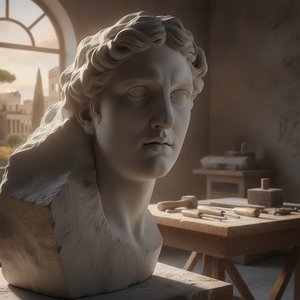
The Eternal Beauty of Marble: A Guide to Sculpting Light, Stone, and the Soul of Art History
Explore the sublime artistry of marble sculpture. From Greek antiquity to the masters of light, discover how stone captures the eternal essence of human beauty and emotion through expert craftsmanship and historical mastery.
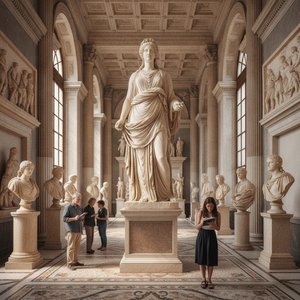
Timeless Grandeur: Exploring the Eternal Beauty and Art-Historical Legacy of Marble Sculpture
Explore the profound legacy of marble sculpture, from Classical antiquity to Neoclassical mastery. A definitive guide for elite collectors and designers seeking to integrate the luminous, eternal beauty of stone into sophisticated, high-end architectural spaces.

Urok marmuru w historii sztuki: od klasycznej rzeźby do nowoczesnej abstrakcji
Odkryj fascynującą historię rzeźby marmurowej – od klasycznych arcydzieł po nowoczesną abstrakcję. Poznaj techniki, artystów i wartość kolekcjonerską tego wyjątkowego medium. Ekspercka analiza dla miłośników sztuki.
