Realism · 1885
De cavalier (Louis Mettling, 1885)
Louis Mettling (1847–1904) stworzył De cavalier. Dzieło pochodzi z 1885. Należy do nurtu Realism. Wykonano w technice Oil On Canvas. Przechowywane jest w Rijksmuseum w Amsterdam, Holandia. Wymiary to 82.5 × 66 cm.
- 1885
- Oil On Canvas
- 82.5 × 66 cm
- Rijksmuseum, Amsterdam

 Podgląd w skali 1:1

 Ręcznie malowany obraz olejny
 Wyślij jako kartkę
 Udostępnij
 Karta informacyjna


 Pobierz obraz
 Podobne obiekty
 RTG
 Pokaz slajdów
 Pytania i odpowiedzi

 Statystyki
De cavalier w skrócie
- Tytuł
- De cavalier
- Artysta
- Louis Mettling (1847–1904)
- Miejsce urodzenia artysty
- Dijon, France
- Data powstania
- 1885
- Technika wykonania
- Oil On Canvas
- Wymiary
- 82.5 × 66 cm
- Gdzie można je zobaczyć
- Rijksmuseum, Amsterdam, Holandia
- Ruch
- Realism
- Epoka
- 19th Century
- Temat
- man, portrait, armor, dark background, shadows, skin tones
Co przedstawia De cavalier?
A Study in Shadow and Light
In this 1885 oil on canvas, we find ourselves in a quiet, intimate space with a young man. The composition is a medium close-up, focusing on the subject from the chest up, positioned slightly off-center to create a sense of natural, unposed presence. There is a profound stillness here. The lighting is directional, emerging from the upper left to carve the subject out of a deep, dark background. This technique of chiaroscuro leaves much of the face and body in shadow, while catching the contours of the nose, cheek, and hands. It is a deliberate use of light to create volume and a sense of three-dimensional depth.
The color palette is muted and somber, dominated by blacks and deep browns. This darkness is interrupted only by the warm, illuminated tones of the man's skin and a specific metallic, silvery sheen on his gorget. This piece of neck armor provides a sharp textural contrast to the matte darkness of his clothing. The surface of the work bears a fine craquelure, a delicate cracking that speaks to its age and history.
Technical Nuance and Composition
The artist employs a painterly approach where the lines are soft and blended. This is particularly evident in the transitions between light and shadow, which avoids harsh edges in favor of a smooth, gradual movement. The subject's expression is calm and contemplative, lending an emotional weight of quiet dignity to the portrait. To understand the physical presence of this work, one might consider:
- The medium of oil on canvas.
- The specific use of a silvery gorget to catch directional light.
- The muted, earthy tones that define the subject's attire.
- The subtle gradations of tone used to define the facial structure.
The Breton Influence
Flavien-Louis Peslin was deeply shaped by the atmosphere of Brittany. His training at the École des Beaux-Arts de Rennes under masters like Alexandre Cabanel provided him with a foundation in classical beauty and meticulous composition. However, his time in the Pont-Aven artistic colony allowed his style to move toward a more atmospheric realism. In De cavalier, we see this intersection of disciplined academic training and a more sensitive, observational approach to light. The work captures a moment of introspection, reflecting a style that seeks to find the soul of a subject through the careful management of shadow and texture.
W którym muzeum znajduje się De cavalier?
Rijksmuseum
Amsterdam, Holandia
Historia i początki Rijksmuseum Rijksmuseum to narodowe muzeum Holandii, którego korzenie nierozerwalnie splatają się z burzliwymi latami następującymi po Rewolucji Francuskiej. Instytucja ta została założona w Hadze 19 listopada 1798 roku, a ten okres gwałtownych przemian politycznych ukształtował wczesny etap rozwoju jej kolekcji. Z czasem, w 1808 roku, muzeum przeniosło się do Amsterdamu, stając się sercem holenderskiej kultury.


Zdjęcia w wysokiej rozdzielczości dzieła De cavalier

Domena publiczna: artysta zmarł w 1904.
Inne rozmiary, kadrowanie i cytowanie →Louis Mettling, De cavalier (1885), Rijksmuseum. Domena publiczna
Odpowiedzi na pytania dotyczące De cavalier
Gdzie można obecnie zobaczyć dzieło „De cavalier” – Louis Mettling?
Oryginał dzieła „De cavalier” można zobaczyć w Rijksmuseum, Amsterdam, Holandia.
W którym roku powstało dzieło "De cavalier"?
Powstanie „De cavalier” – Louis Mettling datuje się na 1885.
W jakiej technice wykonano „De cavalier” – Louis Mettling?
„De cavalier” wykonano w technice Oil On Canvas.
Jakie są wymiary oryginału "De cavalier"?
Wymiary dzieła „De cavalier” – Louis Mettling to 82.5 x 66.0cm. Reprodukcje można zamówić w innych rozmiarach, zachowując te same proporcje.
Co przedstawia „De cavalier” – Louis Mettling?
Tematyka obecna w „De cavalier” – Louis Mettling obejmuje man, portrait, armor, dark background, shadows, skin tones. Razem stanowią one podsumowanie tematyki dzieła.
Czy obraz „De cavalier” – Louis Mettling można swobodnie reprodukować?
Jeśli chodzi o prawa autorskie, "De cavalier" znajduje się w należy do domeny publicznej – autorskie prawa majątkowe wygasły.
Któremu artyście przypisuje się "De cavalier"?
Autorstwo dzieła "De cavalier" przypisuje się Louis Mettling.
Do jakiego nurtu artystycznego należy „De cavalier” – Louis Mettling?
„De cavalier” to dzieło należące do nurtu Realism. Nurt ten określa tradycję artystyczną, w której osadzone jest dzieło.
Do którego okresu twórczości Louis Mettling należy dzieło "De cavalier"?
W dorobku artystycznym Louis Mettling dzieło „De cavalier” przypada na Mature Period. Ten etap pozwala zestawić je z innymi pracami twórcy.
O artyście: Louis Mettling
1847–1904, France
Louis Mettling
The Quiet Observer of Dijon Born in 1847 in Dijon, France, Louis Mettling grew up in a household with English parents. His early years in the Côte-d'Or region provided a foundation for a life spent observing the subtle shifts of light and shadow. He eventually moved toward formal training, studying at the École des Beaux-Arts in Lyons. It was there that he became a pupil of Alexandre Cabanel, a connection that helped shape his approach to the human form and the structure of his compositions.
Inne prace Louis Mettling
 Portrait of a girl1873
 Market Scene1875
 Old man1883
 The Washing1883

Eseje o De cavalier
 The Discipline of Light: A Study of Academic Realism and Classical PortraitureExplore the mastery of Academic Realism through chiaroscuro and classical portraiture. Discover the enduring power of tradition today.
 Holenderski Barok: 10 Arcydzieł, Które Zdefiniowały Epokę | OriginalUniqueArtPoznaj 10 arcydzieł holenderskiego baroku! Odkryj historie Rembrandta, Vermeera i innych mistrzów XVII wieku. Reprodukcje obrazów najwyższe…
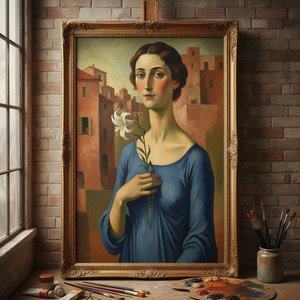 Capturing Elegance: The Soulful Essence and Timeless Grace of Modigliani-Style ArtworksDiscover the profound beauty of Modigliani-style art. Explore the elegance of elongated forms and soulful portraits through our expert cura…