Podgląd w skali 1:1
 Wyślij jako kartkę
 Udostępnij
 Szczegóły dzieła
 Przewodnik

 Pobierz obraz
 Podobne obiekty
 RTG
RTG Pokaz slajdów
 Pytania i odpowiedzi
 Statystyki
Smoker

- 19.0 x 23.0 cm


 Rozwiń treść
Giclée / Wydruk artystyczny
Wydruki giclée lub płótna o jakości muzealnej, szybka realizacja i szeroki wybór opcji wykończenia. ( Zamów ręcznie malowaną reprodukcję Przejdź do wersji cyfrowej)




P118B zł10

P118H zł10

P118W zł10

P438Z zł10

P508JH zł12

P508YH zł12

P805H zł10

P805Z zł10

P919BZ zł10

P919G zł10

P919XJ zł10

P959ZH zł10

P968JZ zł12

W106C zł8

W218G zł10

W218JH zł8

W218Y zł10

W307PJ zł10

W316G zł10

W316PJ zł8

W316Y zł10

W398PJ zł8

W4111J zł10

W500HY zł15

W500JH zł15

W692G zł12

W849H zł8

W940BG zł15

W953PJ zł8




Wybierz spośród naszych standardowych rozmiarów, które zachowują oryginalne proporcje dzieła sztuki.

Wpisz wymaganą szerokość i wysokość, aby dopasować grafikę do ramy lub ściany. Wydruk można jedynie przyciąć, nigdy nie powiększając go poza oryginalny obraz, dlatego format o innych proporcjach spowoduje utratę części kompozycji. Przed rozpoczęciem druku prześlemy Ci cyfrowy podgląd do zatwierdzenia. Obraz wyświetlany na tej stronie nie pokazuje rzeczywistego przycięcia — jedynie podgląd oddaje ten efekt.
Dostawa na cały świat () w ciągu 2 tygodni zamiast standardowych 4/5 tygodni. (7 Listopad)

Bezpłatna ekspresowa wysyłka na cały świat

Wysokiej jakości płótno lniane

Pełne ubezpieczenie przesyłki

Gwarancja zwrotu należności celnych i podatków importowych

Gwarancja wiernego odwzorowania kolorów

100-dniowa polityka zwrotów (tylko w przypadku wad)

Gwarancja 100% zwrotu pieniędzy

Zniżka przy zakupie wielu sztuk
 Opcja ze szkłem jest dostępna wyłącznie w rozmiarach poniżej 110 cm

Smoker
Giclée / Wydruk artystyczny
Wymiary reprodukcji
-


Cena całkowita
zł 317
David Teniers the Younger’s “Smoker”: A Window into Seventeenth-Century Flemish Life
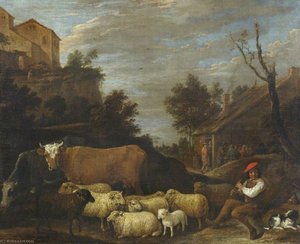
David Teniers the Younger's "Smoker," painted in 1645, offers a remarkably intimate glimpse into the domestic life of 17th-century Flanders. This unassuming genre scene, rendered in a masterful blend of realism and Baroque charm, transcends mere portraiture to become a poignant study of human interaction and the quiet pleasures of everyday existence. Measuring just 19 x 23 cm, the painting’s diminutive scale belies its rich detail and profound observation – it's a testament to Teniers’ skill in capturing fleeting moments and conveying subtle emotional nuances within a confined space.
The central figure is a man seated comfortably in a chair, his legs crossed with an air of relaxed contemplation. He’s deeply engrossed in the act of smoking a pipe, a simple yet significant gesture that immediately draws us into his world. The red hat he wears adds a touch of vibrancy to the predominantly dark palette, hinting at personality and perhaps even social standing. A second figure stands nearby, partially obscured but clearly engaged in conversation with the smoker – their posture suggests a shared moment of camaraderie or perhaps a more formal exchange. This dynamic interaction is crucial; it’s not simply a solitary portrait, but a tableau vivant, a snapshot of human connection.
Baroque Detail and Flemish Tradition
Teniers' style firmly anchors this work within the Baroque tradition, yet he skillfully integrates elements of his earlier training under his father, David Teniers the Elder. The painting is characterized by meticulous detail – observe the textures of the clothing, the worn wood of the chair, and the subtle folds in the fabric. The artist’s use of light and shadow creates a sense of depth and volume, enhancing the realism of the scene. Notice how the light falls across the figures, highlighting their features and casting gentle shadows that add to the painting's atmosphere.
However, Teniers isn’t merely replicating his father’s style; he elevates it with a heightened sense of observation and psychological insight. He captures not just the appearance of the subjects but also hints at their inner lives – the smoker’s contemplative gaze, the listener's attentive posture. This is further reinforced by the inclusion of domestic objects: the vases and bowls scattered around the room are not merely decorative elements; they contribute to the overall sense of a lived-in space, suggesting a comfortable routine and a certain degree of prosperity.
Symbolism and Context
The act of smoking itself carries significant symbolic weight. In 17th-century Flanders, pipe smoking was a common pastime, often associated with leisure, contemplation, and social interaction. It represented a moment of respite from the demands of daily life – a chance to slow down, reflect, and connect with others. The inclusion of multiple objects—the vases, bowls, and the conversation between the figures—further contextualizes the scene, placing it firmly within the domestic sphere.
Considering Teniers’ background as a copyist for wealthy patrons, it's likely that this painting reflects a trend in his work – depicting scenes of everyday life, often with a focus on the middle class. His association with Peter Paul Rubens, particularly through his marriage to Rubens’ daughter Anna Brueghel, undoubtedly influenced his artistic development, introducing him to new techniques and perspectives. The painting stands as a beautiful example of how Teniers skillfully blended traditional Flemish artistry with contemporary subject matter.
A Reproduction for Your Collection
OriginalUniqueArt offers meticulously hand-painted reproductions of David Teniers the Younger’s “Smoker,” capturing the essence of this captivating artwork in stunning detail. Each reproduction is created by skilled artisans using archival-quality materials, ensuring that it will endure for generations to come. Whether you're an art collector, interior designer seeking a touch of historical charm, or simply someone who appreciates fine art, our “Smoker” reproduction provides a beautiful and authentic representation of this remarkable piece.
Pytania i odpowiedzi
Kto jest autorem i z jakiego roku pochodzi "Smoker"?
"Smoker" – autorstwa Dawid Teniers Młodszy, rok powstania: 1645.
Czy istnieją dzieła podobne do „Smoker”?
Dzieła podobne do „Smoker” – Dawid Teniers Młodszy można znaleźć na stronie Podobne dzieła danego dzieła.
Czy mogę zamówić olejną reprodukcję "Smoker"?
Ręcznie malowane reprodukcje dzieła „Smoker” – Dawid Teniers Młodszy można nabyć na stronie niniejsza strona: ręcznie malowana reprodukcja olejowa na płótnie lnianym, zamawiając je bezpośrednio w zakładce Ręcznie malowana reprodukcja.
Biografia artysty
Wczesne lata i rodzinne korzenie
- Miejsce urodzenia: Antwerpia, ówczesne Niderlandy Hiszpańskie; ochrzczony 15 grudnia 1610 roku.
- Dawid Teniers Młodszy wywodził się z rodziny głęboko zakorzenionej w artystycznych tradycjach Flandrii. Jego ojciec, Dawid Teniers Starszy, również był malarzem, a jego młodsi bracia – Juliaan, Theodoor i Abraham – także podążyli ścieżką sztuki.
- Edukacja: Od 1626 roku kształcił się pod okiem ojca, zdobywając fundamentalną wiedzę w zakresie technik malarskich oraz stylów epoki.
- Zmagania rodziny z finansami, wynikające z częstych długów i okresowych uwięzień ojca, zmusiły młodego Dawida do tworzenia kopii dzieł dawnych mistrzów, co miało na celu wsparcie domowego budżetu.
- Gildia w Antwerpii: W latach 1632–1633 uzyskał status mistrza w Antwerpskiej Gildii Świętego Łukasza, a w latach 1644–1645 pełnił funkcję jej dziekana.
Rozwój artystyczny i inspiracje
- Wczesne wpływy: Jego pierwsze prace nawiązywały do niewielkich malowideł gabinetowych ojca oraz, za jego pośrednictwem, do wzorców Adama Elsheimera. Do końca lat 30. XVII wieku jego płótna wykazywały uderzające podobieństwo do dzieł Adriena Brouwera pod względem tematyki, techniki, kolorystyki oraz kompozycji.
- Krąg Rubensa: W 1637 roku poślubił Annę Brueghel, córkę Jana Brueghel Starszego. Peter Paul Rubens, który pełnił rolę opiekuna dziewczyny po śmierci jej ojca, był świadkiem ślubu, co wprowadziło Teniersa do elitarnego kręgu czołowego malarza Antwerpii.
- Specjalizacja gatunkowa: Z czasem Teniers wyspecjalizował się w malarstwie rodzajowym – przedstawianiu codzienności – zyskując sławę dzięki tętniącym życiem scenom wiejskich festynów (kermess), wnętrzom karczm oraz sielankowym krajobrazom wioskowym.
Główne dzieła i styl artystyczny
- Sceny rodzajowe: Jego najbardziej cenione prace to właśnie malarstwo rodzajowe, które często ukazuje gwarne życie chłopstwa, przepełnione radością, tańcem, biesiadowaniem i grami.
- Obrazy kermess: Wiejskie uczty, takie jak Flemish Kermess, stanowią kwintesencję jego stylu – pełnego żywych barw, bogatych kompozycji i przenikliwej obserwacji ludzkich zachowań.
- Wnętrza karczm: Sceny karczemne są szczególnie godne uwagi ze względu na realistyczny portret codzienności oraz niezwykle sugestywną atmosferę panującą w tych przybytkach.
- Poza granice wioski: Artysta malował również krajobrazy, sceny z wartowni, pracujących alchemików i lekarzy, a także dowcipne singeries, w których małpy odgrywają ludzkie role. lag
- Obrazy galeryjne: Jego przedstawienia galerii obrazów arcyksięcia, gdzie ściany uginają się od rozpoznawalnych arcydzieł, uczyniły go czołową postacią tego wyraźnie flamandzkiego gatunku.
Malarz dworski i kurator
- Służba u arcyksięcia Leopolda Wilhelma: Około 1650 roku Teniers przeniósł się do Brukseli, aby służyć arcyksięciu Leopoldowi Wilhelmowi, namiestnikowi Niderlandów Hiszpańskich, jako malarz dworski oraz kustosz jego kolekcji sztuki.
- Zarządzanie kolekcją: Pomagał arcyksięciu w pozyskiwaniu arcydzieł, w tym dzieł z rozproszonej angielskiej kolekcji królewskiej oraz kolekcji Hamiltonów. Zbiory te wzrosły do około 1300 dzieł, tworząc później fundament Muzeum Historii Sztuki w Wiedniu.
- Theatrum Pictorium: Wydany w Brukseli w 1660 roku album zawierał 246 włoskich obrazów z kolekcji arcyksięcia w formie miedziorytów – był to pierwszy ilustrowany katalog kolekcji dawnych mistrzów.
- Uczniowie: Uważa się, że Gillis van Tilborgh kształcił się u niego w Brukseli, a później objął tę samą funkcję kustosza kolekcji dworskiej.
- Późniejsze lata życia: Po śmierci Anny w 1656 roku poślubił Isabellę de Fren. Ubiegał się u króla Hiszpanii o nadanie szlachectwa, lecz zrezygnował z tej prośby, gdy dowiedział się, że wiązałoby się to z koniecznością zaprzestania sprzedaży swoich obrazów.
- Akademia w Antwerpii: Teniers był siłą napędową powstania Akademii Sztuk Pięknych w Antwerpii, która otrzymała królewski przywilej w 1663 roku, z zamiarem rewitalizacji malarstwa flamandzkiego po śmierci Rubensa i Van Dycka.
Znaczenie historyczne i dziedzictwo
- Wiodący malarz rodzajowy: Dawid Teniers Młodszy jest uważany za najważniejszego flamandzkiego malarza rodzajowego swoich czasów, który z niezwykłą biegłością potrafił uchwycić esencję życia w XVII wieku.
- Wpływ na późniejszych artystów: Jego twórczość inspirowału kolejne pokolenia malarzy północnoeuropejskich, a nawet wywarła wpływ na francuskich artystów rokoka, takich jak Antoine Watteau.
- Nieprzeciętna płodność twórcza: Teniers był artystą niezwykle pracowitym, pozostawiając po sobie ogromny dorobek, który do dziś budzi podziw swoją czarującą precyzją i historyczną głębią.
- Śmierć: Zmarł w Brukseli 25 kwietnia 1690 roku, pozostawiając po sobie trwałe dziedzictwo jako jeden z najważniejszych przedstawicieli baroku we Flandrii.
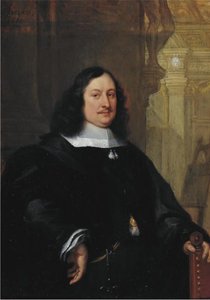
Dawid Teniers Młodszy
1610 - 1690 , Belgia
Krótka nota
- Date Of Birth: 1610
- Date Of Death: 1690
- Place Of Birth: Antwerpia, Belgia
- Place Of Death: Bruksela, Belgia
- Birth Date: 1610
- Birth Place: Antwerpia, Belgia
- Death Date: 1690
- Influenced By: Adriaen Brouwer, Adam Elsheimer, Peter Paul Rubens
- Movement: Barok
- Name: Dawid Teniers Młodszy
- Nationality: Flamandzki
- Notable Works:
- Dwaj pijacy
- Scena wiejska
- Scena kuchenna
- Flamandzki kermis
Powiązane artykuły

Potęga Baroku: Odkryj Dramatyzm, Emocje i Mistrzowski Światłocień XVII Wieku
Poznaj dramatyzm i mistrzowski światłocień baroku przez pryzmat Caravaggia. Odkryj potęgę emocji w sztuce XVII wieku już teraz.
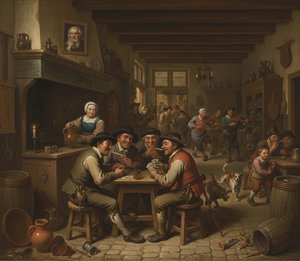
David Teniers II: Master of Flemish Genre & Social Commentary
Explore the captivating world of David Teniers II, a leading Flemish Baroque painter renowned for his lively genre scenes & insightful social commentary. Discover his masterpieces and legacy with OriginalUniqueArt.
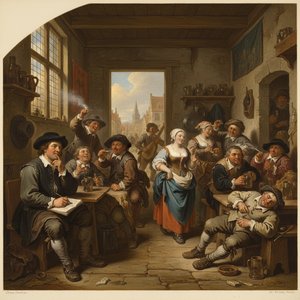
David Teniers the Younger: Genre Painting & Social Commentary in Baroque Flanders
Explore the captivating world of David Teniers the Younger, a leading Flemish Baroque painter. Discover his genre scenes, social commentary, and lasting influence on 17th-century art. Learn about his life, techniques & legacy.

Baroque Classicism: The Grandeur of Order and Drama in 17th-Century Art History
Explore the profound elegance of Baroque Classicism. Discover how 17th-century masters synthesized dramatic emotion with classical order through the lens of the Counter-Reformation and the works of legends like Carlo Maratta and Andrea Sacchi.

Dramatyczny Rozkwit Baroku: Dziedzictwo Sztuki Kontrreformacji i Mistrzowie Chiaroscuro
Odkryj dramatyczny świat baroku! Poznaj historię sztuki kontrreformacji, mistrzów chiaroscuro i weneckich arcydzieł. Reprodukcje najwyższej jakości na OriginalUniqueArt.com.