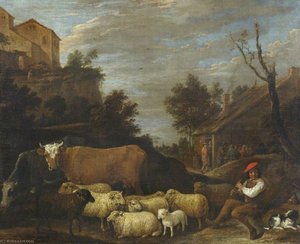
Podgląd w skali 1:1
 Wyślij jako kartkę
 Udostępnij
 Szczegóły dzieła
 Przewodnik

 Pobierz obraz
 Podobne obiekty
 RTG
RTG Pokaz slajdów
 Pytania i odpowiedzi
 Statystyki
Kitchen Scene

- 75.0 x 77.0 cm


 Rozwiń treść
Giclée / Wydruk artystyczny
Wydruki giclée lub płótna o jakości muzealnej, szybka realizacja i szeroki wybór opcji wykończenia. ( Zamów ręcznie malowaną reprodukcję Przejdź do wersji cyfrowej)




P118B zł10

P118H zł10

P118W zł10

P438Z zł10

P508JH zł12

P508YH zł12

P805H zł10

P805Z zł10

P919BZ zł10

P919G zł10

P919XJ zł10

P959ZH zł10

P968JZ zł12

W106C zł8

W218G zł10

W218JH zł8

W218Y zł10

W307PJ zł10

W316G zł10

W316PJ zł8

W316Y zł10

W398PJ zł8

W4111J zł10

W500HY zł15

W500JH zł15

W692G zł12

W849H zł8

W940BG zł15

W953PJ zł8




Wybierz spośród naszych standardowych rozmiarów, które zachowują oryginalne proporcje dzieła sztuki.

Wpisz wymaganą szerokość i wysokość, aby dopasować grafikę do ramy lub ściany. Wydruk można jedynie przyciąć, nigdy nie powiększając go poza oryginalny obraz, dlatego format o innych proporcjach spowoduje utratę części kompozycji. Przed rozpoczęciem druku prześlemy Ci cyfrowy podgląd do zatwierdzenia. Obraz wyświetlany na tej stronie nie pokazuje rzeczywistego przycięcia — jedynie podgląd oddaje ten efekt.
Dostawa na cały świat () w ciągu 2 tygodni zamiast standardowych 4/5 tygodni. (8 Listopad)

Bezpłatna ekspresowa wysyłka na cały świat

Wysokiej jakości płótno lniane

Pełne ubezpieczenie przesyłki

Gwarancja zwrotu należności celnych i podatków importowych

Gwarancja wiernego odwzorowania kolorów

100-dniowa polityka zwrotów (tylko w przypadku wad)

Gwarancja 100% zwrotu pieniędzy

Zniżka przy zakupie wielu sztuk
 Opcja ze szkłem jest dostępna wyłącznie w rozmiarach poniżej 110 cm

Kitchen Scene
Giclée / Wydruk artystyczny
Wymiary reprodukcji
-


Cena całkowita
zł 317
A Glimpse into Domesticity: David Teniers the Younger’s “Kitchen Scene”
David Teniers the Younger's "Kitchen Scene," painted in 1644, is more than just a depiction of daily life; it’s a meticulously crafted window into the heart of 17th-century Flemish domesticity. Housed within the Mauritshuis museum in The Hague, this oil painting on copper immediately draws the viewer into a bustling scene brimming with activity and quiet intimacy. Teniers wasn't merely recording a snapshot; he was capturing an atmosphere, imbuing the kitchen with a palpable sense of warmth, conversation, and the comforting rhythms of family life.
The artist’s skill lies not just in his technical proficiency – evident in the remarkably detailed rendering of food, utensils, and fabrics – but also in his ability to convey mood. The light, diffused and warm, suggests a late afternoon, casting long shadows across the room and highlighting the rich textures of the wooden table, earthenware bowls, and the woman’s richly colored dress. Notice how he uses subtle variations in tone to create depth, drawing our eye from the central figures towards the background activity – children playing, servants preparing food, and a dog observing the scene with quiet attentiveness.
The Painter's Palette: Technique and Materials
“Kitchen Scene” is a testament to Teniers’ mastery of oil painting on copper. This medium offered him exceptional control over color saturation and layering, allowing for a remarkable level of detail and luminosity. The use of impasto – applying paint thickly – particularly in the depiction of the food and textiles – adds a tactile quality to the image, inviting us to almost reach out and touch the smooth surface of the table or feel the warmth radiating from the hearth (implied but not explicitly shown). The copper itself contributes significantly to the painting’s visual impact; it reflects light beautifully, intensifying colors and creating a sense of vibrancy that is often lost in traditional panel paintings.
Furthermore, Teniers' meticulous attention to detail extends beyond mere representation. He employs a sophisticated understanding of perspective and chiaroscuro – the use of contrasting light and shadow – to create a convincing illusion of space. The figures are rendered with a remarkable degree of realism, their faces conveying a range of emotions—from amusement and conversation to focused concentration. The artist’s ability to capture these subtle nuances is what elevates “Kitchen Scene” beyond a simple genre painting.
A Window into the Golden Age: Context and Symbolism
“Kitchen Scene” firmly places itself within the Dutch Golden Age of art, a period characterized by unprecedented prosperity, artistic innovation, and a burgeoning interest in depicting everyday life. Teniers’ work reflects this shift away from purely religious or mythological subjects towards more secular themes – a trend driven by the rise of the merchant class and their desire to celebrate their newfound wealth and status. The scene itself is rich with symbolism. The abundance of food represents prosperity and hospitality, while the presence of children suggests family values and the continuation of lineage.
The inclusion of a dog, a common feature in domestic scenes of the era, reinforces the theme of companionship and loyalty. Even the hanging bird – a detail often overlooked – could symbolize abundance or good fortune. The painting’s setting, a well-equipped kitchen, speaks to the importance of food preparation and communal meals within 17th-century Flemish society. It's a scene that resonates with universal themes of family, community, and the simple pleasures of life.
Collecting the Essence: Reproduction and Legacy
Reproductions of “Kitchen Scene” offer an accessible way to experience the artistry and charm of this remarkable painting. Whether displayed in a grand salon or a cozy corner, it serves as a captivating reminder of a bygone era. The meticulous detail and evocative atmosphere captured by Teniers continue to resonate with viewers today, offering a glimpse into the lives and values of those who came before us.
For art enthusiasts seeking a deeper understanding of this masterpiece, we encourage you to explore the resources linked below: The Mauritshuis museum’s collection provides invaluable insights into the painting's history and context. Furthermore, examining related works by David Teniers the Younger – such as “An Old Peasant caresses a Kitchen Maid in a Stable” – reveals his distinctive style and thematic preoccupations.
Pytania i odpowiedzi
Gdzie mogę pobrać „Kitchen Scene” – Dawid Teniers Młodszy?
Możliwość pobrania dzieła „Kitchen Scene”: strona Pobierz plik cyfrowy oferuje wysokiej rozdzielczości cyfrowe zdjęcie do pobrania.
Kto stworzył "Kitchen Scene"?
Autorstwo dzieła "Kitchen Scene" przypisuje się Dawid Teniers Młodszy.
Czy dzieło „Kitchen Scene” – Dawid Teniers Młodszy znajduje się w kraju pochodzenia artysty?
Nie – dzieło znajduje się poza granicami kraju artysty. Dawid Teniers Młodszy urodził(a) się w Belgia, natomiast muzeum przechowujące oryginał dzieła „Kitchen Scene” znajduje się w Holandia.
Biografia artysty
Wczesne lata i rodzinne korzenie
- Miejsce urodzenia: Antwerpia, ówczesne Niderlandy Hiszpańskie; ochrzczony 15 grudnia 1610 roku.
- Dawid Teniers Młodszy wywodził się z rodziny głęboko zakorzenionej w artystycznych tradycjach Flandrii. Jego ojciec, Dawid Teniers Starszy, również był malarzem, a jego młodsi bracia – Juliaan, Theodoor i Abraham – także podążyli ścieżką sztuki.
- Edukacja: Od 1626 roku kształcił się pod okiem ojca, zdobywając fundamentalną wiedzę w zakresie technik malarskich oraz stylów epoki.
- Zmagania rodziny z finansami, wynikające z częstych długów i okresowych uwięzień ojca, zmusiły młodego Dawida do tworzenia kopii dzieł dawnych mistrzów, co miało na celu wsparcie domowego budżetu.
- Gildia w Antwerpii: W latach 1632–1633 uzyskał status mistrza w Antwerpskiej Gildii Świętego Łukasza, a w latach 1644–1645 pełnił funkcję jej dziekana.
Rozwój artystyczny i inspiracje
- Wczesne wpływy: Jego pierwsze prace nawiązywały do niewielkich malowideł gabinetowych ojca oraz, za jego pośrednictwem, do wzorców Adama Elsheimera. Do końca lat 30. XVII wieku jego płótna wykazywały uderzające podobieństwo do dzieł Adriena Brouwera pod względem tematyki, techniki, kolorystyki oraz kompozycji.
- Krąg Rubensa: W 1637 roku poślubił Annę Brueghel, córkę Jana Brueghel Starszego. Peter Paul Rubens, który pełnił rolę opiekuna dziewczyny po śmierci jej ojca, był świadkiem ślubu, co wprowadziło Teniersa do elitarnego kręgu czołowego malarza Antwerpii.
- Specjalizacja gatunkowa: Z czasem Teniers wyspecjalizował się w malarstwie rodzajowym – przedstawianiu codzienności – zyskując sławę dzięki tętniącym życiem scenom wiejskich festynów (kermess), wnętrzom karczm oraz sielankowym krajobrazom wioskowym.
Główne dzieła i styl artystyczny
- Sceny rodzajowe: Jego najbardziej cenione prace to właśnie malarstwo rodzajowe, które często ukazuje gwarne życie chłopstwa, przepełnione radością, tańcem, biesiadowaniem i grami.
- Obrazy kermess: Wiejskie uczty, takie jak Flemish Kermess, stanowią kwintesencję jego stylu – pełnego żywych barw, bogatych kompozycji i przenikliwej obserwacji ludzkich zachowań.
- Wnętrza karczm: Sceny karczemne są szczególnie godne uwagi ze względu na realistyczny portret codzienności oraz niezwykle sugestywną atmosferę panującą w tych przybytkach.
- Poza granice wioski: Artysta malował również krajobrazy, sceny z wartowni, pracujących alchemików i lekarzy, a także dowcipne singeries, w których małpy odgrywają ludzkie role. lag
- Obrazy galeryjne: Jego przedstawienia galerii obrazów arcyksięcia, gdzie ściany uginają się od rozpoznawalnych arcydzieł, uczyniły go czołową postacią tego wyraźnie flamandzkiego gatunku.
Malarz dworski i kurator
- Służba u arcyksięcia Leopolda Wilhelma: Około 1650 roku Teniers przeniósł się do Brukseli, aby służyć arcyksięciu Leopoldowi Wilhelmowi, namiestnikowi Niderlandów Hiszpańskich, jako malarz dworski oraz kustosz jego kolekcji sztuki.
- Zarządzanie kolekcją: Pomagał arcyksięciu w pozyskiwaniu arcydzieł, w tym dzieł z rozproszonej angielskiej kolekcji królewskiej oraz kolekcji Hamiltonów. Zbiory te wzrosły do około 1300 dzieł, tworząc później fundament Muzeum Historii Sztuki w Wiedniu.
- Theatrum Pictorium: Wydany w Brukseli w 1660 roku album zawierał 246 włoskich obrazów z kolekcji arcyksięcia w formie miedziorytów – był to pierwszy ilustrowany katalog kolekcji dawnych mistrzów.
- Uczniowie: Uważa się, że Gillis van Tilborgh kształcił się u niego w Brukseli, a później objął tę samą funkcję kustosza kolekcji dworskiej.
- Późniejsze lata życia: Po śmierci Anny w 1656 roku poślubił Isabellę de Fren. Ubiegał się u króla Hiszpanii o nadanie szlachectwa, lecz zrezygnował z tej prośby, gdy dowiedział się, że wiązałoby się to z koniecznością zaprzestania sprzedaży swoich obrazów.
- Akademia w Antwerpii: Teniers był siłą napędową powstania Akademii Sztuk Pięknych w Antwerpii, która otrzymała królewski przywilej w 1663 roku, z zamiarem rewitalizacji malarstwa flamandzkiego po śmierci Rubensa i Van Dycka.
Znaczenie historyczne i dziedzictwo
- Wiodący malarz rodzajowy: Dawid Teniers Młodszy jest uważany za najważniejszego flamandzkiego malarza rodzajowego swoich czasów, który z niezwykłą biegłością potrafił uchwycić esencję życia w XVII wieku.
- Wpływ na późniejszych artystów: Jego twórczość inspirowału kolejne pokolenia malarzy północnoeuropejskich, a nawet wywarła wpływ na francuskich artystów rokoka, takich jak Antoine Watteau.
- Nieprzeciętna płodność twórcza: Teniers był artystą niezwykle pracowitym, pozostawiając po sobie ogromny dorobek, który do dziś budzi podziw swoją czarującą precyzją i historyczną głębią.
- Śmierć: Zmarł w Brukseli 25 kwietnia 1690 roku, pozostawiając po sobie trwałe dziedzictwo jako jeden z najważniejszych przedstawicieli baroku we Flandrii.
Dawid Teniers Młodszy
1610 - 1690 , Belgia
Krótka nota
- Date Of Birth: 1610
- Date Of Death: 1690
- Place Of Birth: Antwerpia, Belgia
- Place Of Death: Bruksela, Belgia
- Birth Date: 1610
- Birth Place: Antwerpia, Belgia
- Death Date: 1690
- Influenced By: Adriaen Brouwer, Adam Elsheimer, Peter Paul Rubens
- Movement: Barok
- Name: Dawid Teniers Młodszy
- Nationality: Flamandzki
- Notable Works:
- Dwaj pijacy
- Scena wiejska
- Scena kuchenna
- Flamandzki kermis
Powiązane artykuły

Złoty Wiek Niderlandów: Światło, Realizm i Kulturowe Innowacje w Malarstwie Barokowym
Odkryj fascynujący świat malarstwa holenderskiego Złotego Wieku! Poznaj arcydzieła Rembrandta, Vermeera i innych mistrzów. Analiza technik, gatunków i wpływu na sztukę europejską.

Golden Light & Dutch Skies: The Timeless Magic of Dutch Golden Age Landscapes
Discover the breathtaking beauty of Dutch Golden Age landscapes. Explore the mastery of light, chiaroscuro, and 17th-century realism through an expert art history lens, celebrating the enduring legacy of the Dutch Masters for discerning collectors and art lovers.

Złoty Wiek Holandii: 10 arcydzieł, które zmieniły historię sztuki | OriginalUniqueArt.com
Odkryj 10 arcydzieł Złotego Wieku Holandii! Poznaj historię Rembrandta, Vermeera i innych mistrzów. Reprodukcje obrazów najwyższej jakości do Twojego wnętrza – OriginalUniqueArt.com.

Mastering Light & Shadow: A Journey Through the Dutch Golden Age's Luminous Legacy
Embark on a cultural journey through the Dutch Golden Age. Explore the masterful interplay of light and shadow in 17th-century masterpieces, from Rembrandt to Vermeer, and discover how this era of profound realism continues to inspire fine art collectors today.

Blask Złotej Ery Niderlandów: Studium Innowacji w Malarstwie XVII Wieku
Odkryj fascynujący świat malarstwa holenderskiego Złotej Ery! Analiza innowacyjnych technik Rembrandta, Vermeera i innych mistrzów. Poznaj historię, gatunki i wpływ tego wyjątkowego okresu na sztukę.