
 Zobacz w skali 1:1
 Wyślij
 Udostępnij
 Szczegóły
 Przewodnik

 Pobierz plik obrazu
 Podobne obiekty
 RTG
RTG Pokaz slajdów
 Statystyki
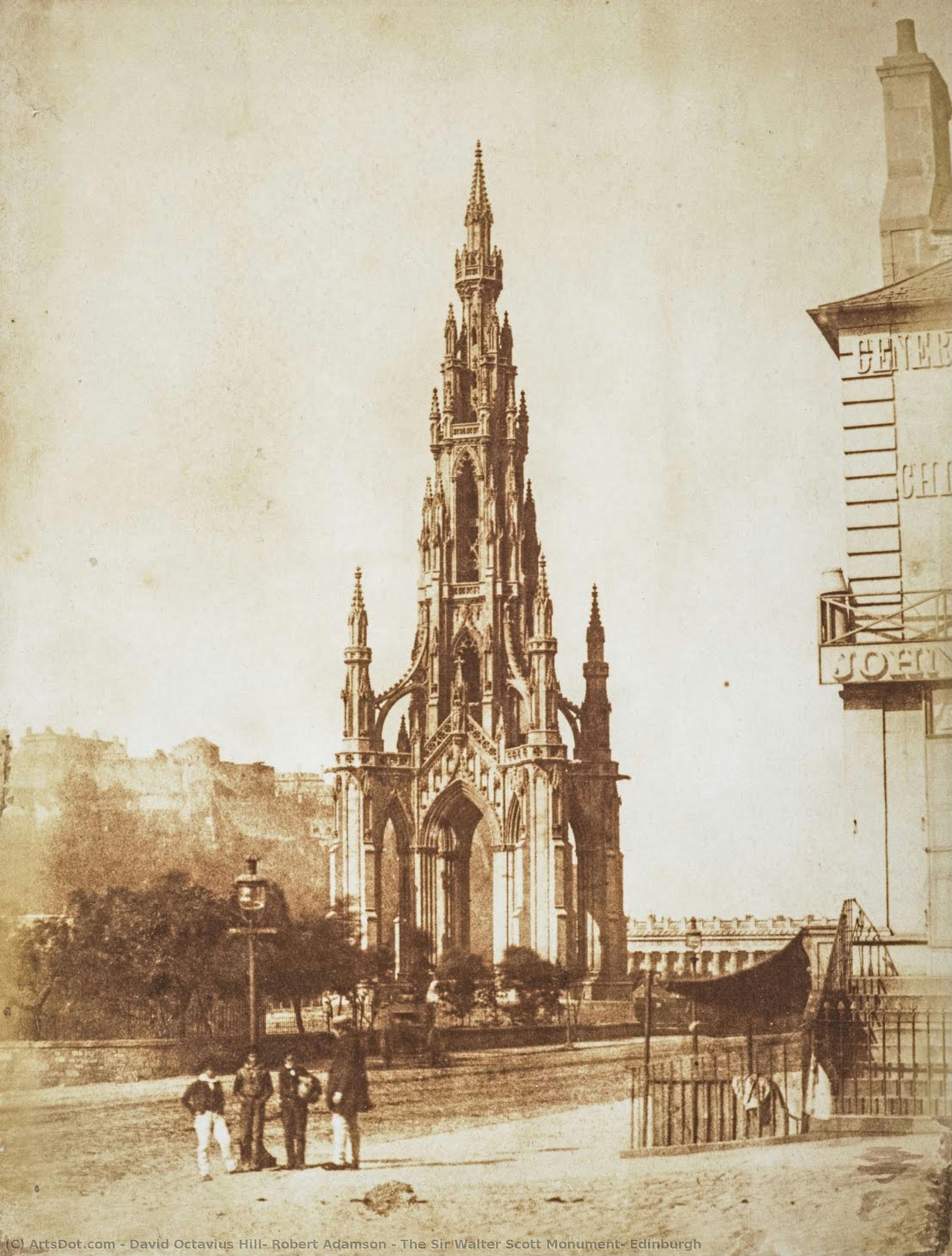
The Sir Walter Scott Monument, Edinburgh


 Czytaj więcej
Ręcznie malowana reprodukcja olejowa
Ręcznie malowany obraz olejny na płótnie, wykonany na zamówienie przez naszych artystów w wybranym przez Ciebie wymiarze i oprawie. ( Przełącz na wersję drukowaną Przełącz na wersję cyfrową)




P118B $10

P118H $10

P118W $10

P438Z $10

P508JH $12

P508YH $12

P805H $10

P805Z $10

P919BZ $10

P919G $10

P919XJ $10

P959ZH $10

P968JZ $12

W106C $8

W218G $10

W218JH $8

W218Y $10

W307PJ $10

W316G $10

W316PJ $8

W316Y $10

W398PJ $8

W4111J $10

W500HY $15

W500JH $15

W692G $12

W849H $8

W940BG $15

W953PJ $8




Wybierz spośród naszych standardowych rozmiarów, które zachowują oryginalne proporcje dzieła sztuki.

Możesz wprowadzić własne wymiary, aby dopasować obraz do konkretnej ramy lub przestrzeni. Jeśli wybrany rozmiar nie będzie odpowiadał proporcjom oryginału, przytniecie dzieło sztuki lub rozszerzymy je o dodatkowe elementy, ręcznie domalowane przez artystę. Przed rozpoczęciem produkcji wyślemy projekt cyfrowy do Twojej akceptacji.
Należy pamiętać, że podgląd na ekranie nie odzwierciedla rzeczywistego przycinania ani rozszerzania obrazu. Tylko projekt dokładnie pokaże ostateczną kompozycję.
Choć oferujemy możliwość zamówienia niestandardowych rozmiarów, zalecamy wybór wymiaru z gotowej listy, aby zachować oryginalne proporcje dzieła.
Po złożeniu zamówienia zespół OriginalUniqueArt.com skontaktuje się z klientem drogą mailową w celu uzyskania instrukcji i prześle wizualizację projektu
Dostawa na całym świecie () w ciągu 3–4 tygodni zamiast standardowych 5 tygodni. (25 Wrzesień). Bez kompromisów w kwestii jakości.

Bezpłatna ekspresowa wysyłka na cały świat

Wysokiej jakości płótno lniane

Pełne ubezpieczenie transportowe

Gwarancja zwrotu należności celnych i podatków importowych

Gwarancja idealnego odwzorowania barw

100-dniowy okres na zwrot dzieła w przypadku wykrycia wad produkcyjnych

Gwarancja 100% zwrotu pieniędzy

Oferta przy zakupie wielu sztuk
 Opcja ze szkłem jest dostępna wyłącznie w rozmiarach poniżej 110 cm

The Sir Walter Scott Monument, Edinburgh
Technika wykonania
Rozmiar reprodukcji
-


Suma do zapłaty
$ 300
The Majesty of Stone and Shadow: Hill & Adamson’s “Edinburgh. The Scott Monument”
David Octavius Hill and Robert Adamson's "Edinburgh. The Scott Monument," captured in 1845, isn’t merely a photograph; it’s a meticulously crafted tableau vivant, a frozen moment of ambition and civic pride rendered with the nascent magic of early photography. This remarkable image, now housed within the Metropolitan Museum of Art, offers a captivating glimpse into a pivotal era of artistic experimentation and Scottish identity. The scene unfolds against the imposing silhouette of Walter Scott's monument under construction – a towering testament to the celebrated author’s legacy – set against the dramatic backdrop of Edinburgh’s skyline. The photograph isn’t simply documenting progress; it’s imbued with a palpable sense of anticipation, as if capturing the very breath held by those witnessing this grand undertaking.
Hill and Adamson's collaboration was a truly unique partnership, blending Hill’s artistic eye – honed through years of landscape painting – with Adamson’s scientific precision in mastering the calotype process. This technique, allowing for multiple prints from a single negative, demanded an acute understanding of light and shadow, a skill brilliantly demonstrated here. The image is dominated by a cool, almost melancholic palette; the grey stone of the monument contrasts sharply with the muted blues and greys of the sky, creating a sense of depth and solidity. The figures in the foreground – workmen, onlookers, and even a few elegantly dressed gentlemen – are rendered with remarkable sensitivity, their postures and expressions hinting at the diverse reactions to this monumental project.
A Window into Victorian Edinburgh
To fully appreciate “Edinburgh. The Scott Monument,” one must understand the context of 1845. Victorian Scotland was a nation grappling with industrialization, social change, and a fervent desire to celebrate its literary heritage. Walter Scott’s works had profoundly shaped the national identity, and his monument represented a bold statement of cultural significance. Hill & Adamson's photograph serves as both a record of this construction and a reflection of Edinburgh’s vibrant urban life. The inclusion of everyday people amidst the grand scale of the monument highlights the shared experience of witnessing this historical event – a microcosm of society observing an act of civic grandeur.
The composition itself is masterful, employing a carefully considered perspective to draw the viewer into the scene. Hill’s artistic training shines through in the subtle use of leading lines and atmospheric effects. The photograph isn't simply a snapshot; it’s a deliberate arrangement designed to evoke emotion and convey a specific narrative. Notice how the monument dominates the frame, asserting its presence while simultaneously inviting contemplation. The placement of the figures creates a sense of movement and dynamism, suggesting that this is not a static image but rather a fleeting moment captured in time.
The Alchemy of Light and Shadow
Technically, “Edinburgh. The Scott Monument” represents a significant achievement for Hill & Adamson – and indeed, for early photography as a whole. They were pioneers in utilizing the calotype process to create images with remarkable detail and tonal range. The subtle gradations of grey, achieved through careful manipulation of light and exposure, are particularly noteworthy. This masterful control over light is what gives the photograph its depth and atmosphere – it’s not just a representation of the scene; it's an *interpretation* of it.
The image’s enduring appeal lies in its ability to transport us back to 1845, allowing us to experience the sights, sounds, and emotions of Victorian Edinburgh. It is a testament to the artistic vision of Hill & Adamson, their technical skill, and their remarkable sensitivity to human subjects and the beauty of the natural world. Reproductions of this iconic photograph offer a tangible connection to a bygone era, inviting viewers to contemplate the legacy of Walter Scott and the enduring power of photography as an art form.
Symbolism and Emotional Resonance
Beyond its technical brilliance, “Edinburgh. The Scott Monument” is rich in symbolism. The monument itself represents ambition, national pride, and a desire to immortalize a literary giant. The figures surrounding it embody the diverse elements of Edinburgh society – from the laborers building the structure to the wealthy patrons observing the progress. The photograph captures not just a physical construction but also a cultural moment, reflecting the aspirations and values of Victorian Scotland.
The overall mood is one of quiet contemplation and restrained excitement. There’s a sense of history in the making, a feeling that this monumental project will forever alter the landscape of Edinburgh. The photograph evokes a powerful emotional response – a mixture of awe, admiration, and perhaps even a touch of melancholy, as we recognize the fleeting nature of time and the enduring power of memory. It's a poignant reminder of the beauty and complexity of human experience, captured with remarkable skill and sensitivity by two extraordinary artists.
Zobacz także powiązane artykuły

Monochromatyczne Wizje: Estetyka i Historyczne Znaczenie Fotografii Czarno-Białej
Odkryj fascynujący świat fotografii czarno-białej! Poznaj historię, techniki i arcydzieła monochromatycznej sztuki. Inspiracje, porady i analiza wpływu na współczesną estetykę. OriginalUniqueArt.com.

Piktorializm w Polsce: Poszukiwanie Duszy Fotografii i Estetyki Malarskiej
Poznaj historię piktorializmu w Polsce – nurtu fotografii artystycznej dążącego do estetyki malarskiej. Odkryj kluczowe postacie, techniki i wpływ na polską sztukę. Ekspercka analiza i fascynujące fakty!

The Lens of Truth: A Comprehensive History and Legacy of Documentary Photography
Explore the profound history of documentary photography. From early daguerreotypes to social reform movements, discover how the lens captures truth, preserves vanishing cultures, and shapes our global visual narrative through an expert art-historical lens.

Witnessing History Through Lens & Light: Documentary Photography's Enduring Legacy
Explore the powerful history of documentary photography – from its origins to contemporary masters like Gordon Parks & W. Eugene Smith. Discover how this art form shapes our understanding of society and witness pivotal moments in time.

Beyond the Lens: Photography's Enduring Influence on Modern & Contemporary Art
Explore photography's pivotal role in shaping modern & contemporary art. Discover key movements, influential artists like Stieglitz, and expert collecting advice from OriginalUniqueArt.