
 Podgląd w skali
 Wyślij jako kartkę
 Udostępnij
 Szczegóły dzieła

 Pobierz
 Podobne obiekty
 RTG
RTG Pokaz slajdów
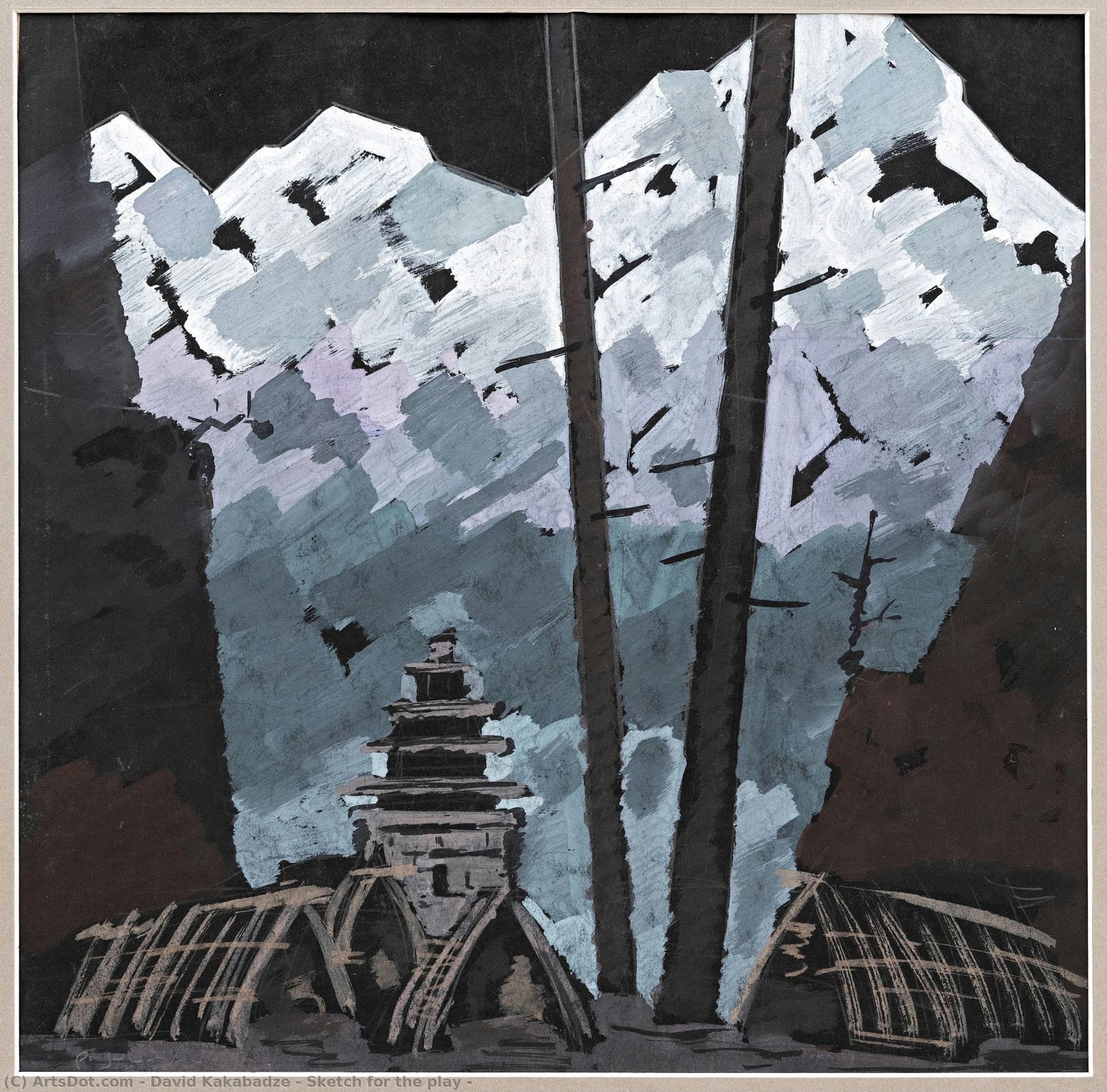
Sketch for the play
 Acrylic
- WallArt
- Georgian Modernism
 1947
1947 29.0 x 29.0 cm
 Art Palace of Georgia - Museum of Cultural History
 Rozwiń treść
Ręcznie malowana reprodukcja olejowa
Ręcznie malowany obraz olejny na płótnie, wykonany na zamówienie przez naszych artystów w wybranym przez Ciebie wymiarze i oprawie. ( Zamów wydruk Kup obraz wysokiej rozdzielczości)




P118B $10

P118H $10

P118W $10

P438Z $10

P508JH $12

P508YH $12

P805H $10

P805Z $10

P919BZ $10

P919G $10

P919XJ $10

P959ZH $10

P968JZ $12

W106C $8

W218G $10

W218JH $8

W218Y $10

W307PJ $10

W316G $10

W316PJ $8

W316Y $10

W398PJ $8

W4111J $10

W500HY $15

W500JH $15

W692G $12

W849H $8

W940BG $15

W953PJ $8




Wybierz spośród naszych standardowych rozmiarów, które zachowują oryginalne proporcje dzieła sztuki.

Możesz wprowadzić własne wymiary, aby dopasować obraz do konkretnej ramy lub przestrzeni. Jeśli wybrany rozmiar nie będzie odpowiadał proporcjom oryginału, przytniecie dzieło sztuki lub rozszerzymy je o dodatkowe elementy, ręcznie domalowane przez artystę. Przed rozpoczęciem produkcji wyślemy projekt cyfrowy do Twojej akceptacji.
Należy pamiętać, że podgląd na ekranie nie odzwierciedla rzeczywistego przycinania ani rozszerzania obrazu. Tylko projekt dokładnie pokaże ostateczną kompozycję.
Choć oferujemy możliwość zamówienia niestandardowych rozmiarów, zalecamy wybór wymiaru z gotowej listy, aby zachować oryginalne proporcje dzieła.
Po złożeniu zamówienia zespół OriginalUniqueArt.com skontaktuje się z klientem drogą mailową w celu uzyskania instrukcji i prześle wizualizację projektu
Dostawa na całym świecie () w ciągu 3–4 tygodni zamiast standardowych 5 tygodni. (21 Sierpień). Bez kompromisów w kwestii jakości.

Bezpłatna ekspresowa wysyłka na cały świat

Wysokiej jakości płótno lniane

Pełne ubezpieczenie przesyłki

Gwarancja zwrotu należności celnych i podatków importowych

Gwarancja wiernego odwzorowania kolorów

Polityka 60-dniowego zwrotu (tylko w przypadku wad)

Gwarancja 100% zwrotu kosztów

Zniżka przy zamówieniu wielu produktów
 Opcja ze szkłem jest dostępna wyłącznie w rozmiarach poniżej 110 cm

Sketch for the play
Technika reprodukcji
Wymiary reprodukcji
-


Cena całkowita
$ 300
Opis dzieła
A Vision of Georgian Modernism: Exploring David Kakabadze’s Sketch for ‘Chief of the Station’
David Kakabadze's "Sketch for the play 'Chief of the Station'" represents more than just a depiction of architectural design; it embodies the spirit of Georgian modernism—a movement striving to reconcile tradition with avant-garde experimentation. Painted in 1947, this unassuming canvas offers a glimpse into Kakabadze’s artistic vision and his profound engagement with both European influences and Georgian folklore. The artwork itself is dominated by a monumental tower structure, rendered in meticulous detail against a backdrop of stylized trees—a deliberate juxtaposition that speaks volumes about the artist's intentions.- Subject Matter & Composition: The sketch captures a theatrical scene, specifically envisioned for “Chief of the Station,” highlighting Kakabadze’s multifaceted talents as a scenic designer. Its central tower commands attention, symbolizing strength and aspiration—themes prevalent in Georgian Orthodox iconography. The surrounding buildings contribute to a layered narrative, suggesting a complex interplay between past and present.
- Style & Technique: Kakabadze employed a distinctive style characterized by geometric abstraction combined with realistic rendering. He skillfully utilized watercolor on paper, achieving remarkable tonal subtlety and capturing the textures of wood and foliage with impressive accuracy. The artist’s technique demonstrates an unwavering commitment to observation and meticulous execution.
- Symbolism: The tower’s pointed roof echoes traditional Georgian church architecture, symbolizing spiritual elevation and resilience. The trees represent stability and connection to the land—values deeply ingrained in Georgian culture. Kakabadze's deliberate choices underscore his intention to communicate profound ideas beyond mere visual representation.
O artyście
A Pioneer of Georgian Modernism: The Life and Art of David Kakabadze
David Kakabadze, born in the village of Kukhi near Khoni, Georgia, in 1889, stands as a pivotal figure in the development of twentieth-century Georgian art. His career was one of remarkable innovation, seamlessly blending the burgeoning currents of European avant-garde movements with a deep reverence for his native Georgian traditions. Kakabadze wasn’t merely an artist; he was a polymath – a painter, graphic artist, scenic designer, art scholar, cinematic innovator, and even an amateur photographer. This multifaceted approach to creativity defined his artistic journey and cemented his legacy as one of Georgia's most important modernist masters. His early life, though rooted in the simplicity of a peasant family, was marked by intellectual curiosity fostered through sponsorship that allowed him to pursue studies at St. Petersburg University, graduating with a degree in natural sciences in 1916. Simultaneously, he honed his artistic skills under Dmitroyev-Kavkazsky and immersed himself in the study of Georgia’s rich artistic heritage. This dual education – scientific rigor combined with artistic sensitivity – would become a hallmark of his work.Parisian Encounters and Artistic Transformation
Following a brief period teaching and painting in Tbilisi, Kakabadze embarked on a transformative chapter of his life in Paris from 1919 to 1927. This sojourn placed him at the epicenter of the European avant-garde, exposing him to Cubism, Futurism, and other radical artistic experiments. He actively participated in exhibitions with the Société des Artistes Indépendants, forging connections with fellow Georgian artists Lado Gudiashvili and Shalva Kikodze. It was during this period that Kakabadze’s style underwent a dramatic evolution. Initially captivated by the landscapes of his native Imereti province – particularly the ethereal beauty of misty mountains bathed in sunlight – he began to explore “subjectless painting,” experimenting with unconventional materials like metal, mirror glass, and stained glass in place of traditional paints. This exploration wasn't merely about technical innovation; it was a quest to redefine the very essence of pictorial representation. He delved deeply into Cubism, absorbing its fragmented forms and analytical approach, yet always maintaining a distinct artistic voice that prevented his work from becoming mere imitation. His theoretical writings during this time, published in Parisian art journals, demonstrate a profound engagement with the intellectual underpinnings of modern art, establishing him as a thought leader within the modernist community. He meticulously dissected visual perception, questioning established conventions and advocating for new ways of perceiving and interpreting reality—a stance that foreshadowed many developments in later artistic movements.Innovation Beyond the Canvas: Cinema and Stage Design
Kakabadze’s inventive spirit extended far beyond painting. Recognizing the potential of new technologies, he began experimenting with cinema in the early 1920s, driven by a desire to overcome what he perceived as film's inherent limitations. He envisioned a cinematic experience that transcended conventional viewing, aiming for an immersive sensation akin to witnessing reality itself. This ambition fueled his groundbreaking work on stereoscopic projection – a technique he championed and perfected, resulting in the invention of a projector capable of creating three-dimensional images without requiring special glasses. This remarkable feat of engineering and artistic vision positioned him as a pioneer of 3D cinema decades before it gained widespread acceptance, demonstrating an unparalleled understanding of visual perception and pushing the boundaries of cinematic innovation. Furthermore, Kakabadze’s theatrical endeavors were equally ambitious. Collaborating with Kote Marjanishvili, he conceived and executed stage designs that revolutionized Georgian theatre—incorporating projections, intricate lighting effects, and collage-like constructions to transform spaces into dynamic environments that captivated audiences. His productions for films by Noutsa Gogoberidze and Michail Kalatosov showcased his mastery of cinematic artistry alongside his theatrical vision.Return to Georgia and Enduring Legacy
Kakabadze’s return to Georgia in 1927 coincided with the rise of Soviet power and the imposition of Socialist Realism as the dominant artistic style. This presented a formidable challenge for an artist whose aesthetic sensibilities were firmly rooted in abstraction and experimentation—a stylistic divergence that inevitably distanced him from the prevailing ideological currents. Despite facing pressures to conform to official dogma, Kakabadze steadfastly upheld his artistic principles, continuing to contribute to Georgian art through scenic design, documentary filmmaking focused on preserving cultural heritage, and teaching at Tbilisi State Academy of Arts. His later landscapes retained a distinctive character—infused with an enduring sensitivity to the natural world—reflecting both his formative experiences in Imereti and his unwavering commitment to exploring new artistic horizons. David Kakabadze passed away in 1952, leaving behind a substantial body of work that was largely overlooked for decades. However, in recent years, there has been a resurgence of interest in Kakabadze’s oeuvre—fueled by scholarly reassessment and growing recognition of his pivotal role in shaping Georgian modernism—solidifying his position as one of Georgia's most influential artistic figures. His multifaceted creativity—spanning painting, cinema, theatre, and theoretical scholarship—continues to inspire artists today, ensuring his enduring legacy as a visionary innovator who dared to challenge conventions and forge new paths for artistic expression.
David Kakabadze
1889 - 1952 , Gruzja
Krótka nota
- Artistic Movement Or Style: Avant-garde, Cubism
- Artists Or Movements Influenced By This Artist: ['Numerous artists']
- Date Of Birth: August 20, 1889
- Date Of Death: 1952
- Full Name: David Kakabadze
- Nationality: Georgian
- Notable Artworks:
- Sailboats
- Bretagne
- Sketch for Getting Various Grades of Light in a Single Electric Bulb
- Place Of Birth: Kutaisi, Georgia
Powiązane artykuły

Romantyczny Krajobraz w Malarstwie: 10 Arcydzieł, Które Zdefiniowały Epokę | OriginalUniqueArt.com
Odkryj 10 arcydzieł romantyzmu w malarstwie! Poznaj historie Caspara Davida Friedricha, Turnera i innych mistrzów. Inspiracje wnętrzarskie & reprodukcje obrazów najwyższej jakości na OriginalUniqueArt.com. Eksploruj kolekcję online!
Krajobraz w sztuce: 10 arcydzieł, które inspirują (malarstwo, dekoracje wnętrz)
Odkryj 10 arcydzieł krajobrazu w sztuce! Poznaj historie Moneta, van Gogha i Turnera. Inspiracje pejzażami, techniki malarskie i reprodukcje najwyższej jakości na OriginalUniqueArt.com. Znajdź idealny obraz do Twojego wnętrza!

John Constable: 25 Najlepszych Obrazów Mistrza Angielskiego Krajobrazu | OriginalUniqueArt
Odkryj 25 arcydzieł Johna Constable'a – mistrza angielskiego krajobrazu! Poznaj romantyczne pejzaże, technikę malarską i inspiracje z Dedham Vale. Reprodukcje obrazów najwyższej jakości na OriginalUniqueArt.com. Eksploruj pełną kolekcję online!

Evocations of Place: A Historical Journey Through Landscape Art
Explore the rich history of landscape art with OriginalUniqueArt. Discover renowned artists, movements like Impressionism & Romanticism, and expert guidance for collecting timeless pieces. Find your perfect serene escape today!
Evoking Nature's Sublime: A Comprehensive Exploration of 19th-Century Landscape Painting
Explore the captivating world of 19th-century landscape painting! Discover renowned artists like Friedrich & Monet, key movements, and find the perfect artwork to bring nature's serenity into your home. Expert insights at OriginalUniqueArt.


