Academic Art · 1871
Edwin Forrest (David Johnson, 1871)
David Johnson (1827–1908) stworzył Edwin Forrest. Dzieło pochodzi z 1871. Należy do nurtu Academic Art. Wykonano w technice Oil On Canvas. Przechowywane jest w National Gallery of Art w Waszyngton, USA. Wymiary to 75 × 65 cm.
- 1871
- Oil On Canvas
- 75 × 65 cm
- National Gallery of Art, Waszyngton

 Podgląd w skali 1:1

 Ręcznie malowany obraz olejny
 Wyślij jako kartkę
 Udostępnij
 Karta informacyjna


 Pobierz obraz
 Podobne obiekty
 RTG
 Pokaz slajdów
 Pytania i odpowiedzi

 Statystyki
Edwin Forrest w skrócie
- Tytuł
- Edwin Forrest
- Artysta
- David Johnson (1827–1908)
- Miejsce urodzenia artysty
- Nowy Jork, Stany Zjednoczone
- Data powstania
- 1871
- Technika wykonania
- Oil On Canvas
- Wymiary
- 75 × 65 cm
- Gdzie można je zobaczyć
- National Gallery of Art, Waszyngton, USA
- Ruch
- Academic Art
- Epoka
- 19th Century
- Temat
- man, portrait, face, hair, shirt, vest
Co przedstawia Edwin Forrest?
Portrait of Edwin Forrest by David Johnson
In this formal portrait, David Johnson captures Edwin Forrest in a moment of quiet gravitas. Painted in 1871, the work presents the subject in a bust-length view, positioned slightly off-center to the right. Forrest, a nineteenth-century American Shakespearean actor, meets the viewer's gaze with a serious and steady expression. There is a certain weight to his presence, a dignity that reflects the stature he held on the stage during his career.
Johnson, an artist known for his ability to weave light through the landscapes of the American Northeast, turns his attention here from the natural world to the human form. The portrait focuses on the character etched into the subject's features. The lighting is soft and diffused, illuminating the face while allowing the background to recede into shadow. This technique ensures that the viewer's attention remains fixed on the man himself, emphasizing the psychological depth of a performer accustomed to commanding an audience.
Composition and Visual Elements
This bust-length portrait presents the subject in a poised, slightly off-center position to the right. He meets the viewer's gaze directly, maintaining a serious expression that commands immediate attention. The arrangement relies on a sense of proximity, with the subject's body partially obscuring the background to create a palpable sense of depth and presence.
The color palette is restrained, dominated by muted earth tones and deep, dark hues. Browns, blacks, and creams establish a somber atmosphere, while touches of white provide necessary contrast. This tonal arrangement is supported by a soft, diffused light that illuminates the face, drawing the eye toward the intricate details of the features. By leaving the background darker and less defined, the artist ensures the viewer's focus remains fixed upon the subject's countenance.
Technique and Artistic Materials
Executed in oil on canvas, this portrait reflects a style that leans toward realism while maintaining the structured discipline of academic painting. The artist employs a controlled application of pigment to define the subject, utilizing subtle shading and deliberate variations in color intensity to create a palpable sense of depth. This approach allows the figure to emerge from the darker, less defined background, focusing the viewer's attention entirely on the character of the sitter.
The tactile quality of the work is achieved through a thoughtful handling of texture. Visible brushwork is used to suggest the coarse, uneven roughness of the hair, providing a sharp contrast to the smoother, more seamless rendering of the shirt. These technical choices emphasize the physical presence of the subject, grounding the portrait in a tangible, material reality.
W którym muzeum znajduje się Edwin Forrest?
National Gallery of Art
Waszyngton, USA
Początki i historia National Gallery of Art National Gallery of Art została założona prywatnie w 1937 roku z myślą o amerykańskim narodzie. Jej powstanie było wynikiem wspólnej rezolucji Kongresu Stanów Zjednoczonych. Instytucja ta narodziła się z wizji Andrew W.


Zdjęcia w wysokiej rozdzielczości dzieła Edwin Forrest
Domena publiczna: artysta zmarł w 1908.
David Johnson, Edwin Forrest (1871), National Gallery of Art. Domena publiczna
Odpowiedzi na pytania dotyczące Edwin Forrest
Gdzie można zobaczyć oryginał „Edwin Forrest” – David Johnson?
„Edwin Forrest” – David Johnson znajduje się w zbiorach National Gallery of Art, Waszyngton, USA. Informacja o muzeum dotyczy oryginału, a nie reprodukcji.
W którym roku powstało dzieło „Edwin Forrest” – David Johnson?
Powstanie „Edwin Forrest” – David Johnson datuje się na 1871.
W jakiej technice wykonano „Edwin Forrest” – David Johnson?
Technika wykonania dzieła „Edwin Forrest” – David Johnson to Oil On Canvas. Reprodukcje mają na celu wierne oddanie wyglądu tej techniki.
Jakie są rzeczywiste wymiary dzieła „Edwin Forrest” – David Johnson?
Wymiary dzieła „Edwin Forrest” – David Johnson to 75 x 65 cm. Reprodukcje można zamówić w innych rozmiarach, zachowując te same proporcje.
Co przedstawia „Edwin Forrest” – David Johnson?
„Edwin Forrest” – David Johnson przedstawia: man, portrait, face, hair, shirt, vest, collar, brown.
Czy obraz „Edwin Forrest” – David Johnson można swobodnie reprodukować?
Status praw autorskich dla „Edwin Forrest” – David Johnson: dzieło znajduje się w należy do domeny publicznej – autorskie prawa majątkowe wygasły. Określa to, czy reprodukcje obrazu mogą być sporządzane swobodnie.
Kto jest autorem dzieła "Edwin Forrest"?
Autorstwo dzieła "Edwin Forrest" przypisuje się David Johnson.
Do jakiego nurtu artystycznego należy „Edwin Forrest” – David Johnson?
„Edwin Forrest” – David Johnson należy do nurtu Academic Art. Nurt ten stanowi stylistyczny kontekst dzieła.
Do którego etapu twórczości David Johnson należy dzieło „Edwin Forrest”?
W dorobku artystycznym David Johnson dzieło „Edwin Forrest” przypada na Mature Period. Ten etap pozwala zestawić je z innymi pracami twórcy.
O artyście: David Johnson

1827–1908, Stany Zjednoczone
David Johnson
David Johnson: Tkacz Północno-Wschodniego Światła David Johnson, urodzony w Nowym Jorku w 1827 roku, nie był nazwiskiem, które za jego życia zapisało się głęboko w zbiorowej świadomości, jednak jego wkład w amerykańskie malarstwo pejzażowe jest niezwykle istotny. Należał do drugiego pokolenia Szkoły Hudson River, nurtu dążącego do uchwycenia wzniosłego piękna i ducha naturalnego świata Ameryki – dziedzictwa, które odziedziczył i subtelnie przekształcił podczas niezwykle płodnej, trwającej niemal pięć dekad kariery. W przeciwieństwie do niektórych swoich bardziej ekstrawaganckich współczesnych, podejście Johnsona charakteryzowało się cichą obserwacją, dbałością o detal i niemal medytacyjną jakością, co przyniosło mu uznanie jako mistrza luminizmu – stylu kładącego nacisk na subtelnego niuanse tonalne i efekty atmosferyczne, mające wywoływać nastrój, a nie jedynie widowiskowy spektakl. Wczesna artystyczna droga Johnsona rozpoczęła się od ograniczonego wykształcenia formalnego.
Inne prace David Johnson
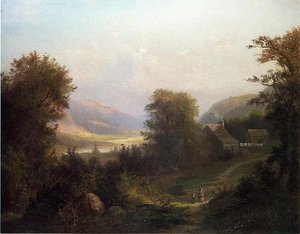 Hudson River Scene1863
 On the Waywayanda, Orange County, New York1877
 Near Noroton, Connecticut1875
 A View on Lake George1876
Eseje o Edwin Forrest
 American artworks of the 1820s1820s American art by George Catlin, Gilbert Stuart, and Rembrandt Peale. View these iconic masterpieces and more on OriginalUniqueArt.com.
 American artworks of the 1810s1810s American art by Gilbert Stuart, John Trumbull, and Rembrandt Peale. Find museum-quality reproductions on OriginalUniqueArt.com.
 The Art of the Gaze: A Collector's Guide to Mastering Portrait Composition and Emotional DepthMaster the nuances of portrait composition with our expert guide for collectors. Discover how light, gaze, and texture create emotional dep…