
 Podgląd w skali 1:1
 Wyślij jako kartkę
 Udostępnij
 Szczegóły dzieła
 Przewodnik

 Pobierz obraz
 Podobne obiekty
 RTG
RTG Pokaz slajdów
 Pytania i odpowiedzi
 Statystyki
The twelfth


 Rozwiń treść
Dzieło sztuki prezentowane na tej stronie podlega ochronie prawem autorskim, co oznacza, że nie mamy prawa do tworzenia ani sprzedaży jego identycznej reprodukcji. Ochrona ta jest egzekwowana na mocy umów międzynarodowych, takich jak Konwencja berneńska oraz przez przepisy prawa krajowego, w tym te określone w Prawo autorskie USA – Tytuł 17.
Metoda ta jest w pełni zgodna z przepisami prawa autorskiego, ponieważ nie polega na kopiowaniu ani powielaniu chronionego dzieła. Stanowi ona kreatywną reinterpretację – nowy obraz, który czerpie inspirację z oryginału, ale nie jest z nim tożsamy.
Giclée / Wydruk artystyczny
Wydruki giclée lub płótna o jakości muzealnej, szybka realizacja i szeroki wybór opcji wykończenia. ( Zamów ręcznie malowaną reprodukcję Przejdź do wersji cyfrowej)




P118B zł10

P118H zł10

P118W zł10

P438Z zł10

P508JH zł12

P508YH zł12

P805H zł10

P805Z zł10

P919BZ zł10

P919G zł10

P919XJ zł10

P959ZH zł10

P968JZ zł12

W106C zł8

W218G zł10

W218JH zł8

W218Y zł10

W307PJ zł10

W316G zł10

W316PJ zł8

W316Y zł10

W398PJ zł8

W4111J zł10

W500HY zł15

W500JH zł15

W692G zł12

W849H zł8

W940BG zł15

W953PJ zł8




Wybierz spośród naszych standardowych rozmiarów, które zachowują oryginalne proporcje dzieła sztuki.

Wpisz wymaganą szerokość i wysokość, aby dopasować grafikę do ramy lub ściany. Wydruk można jedynie przyciąć, nigdy nie powiększając go poza oryginalny obraz, dlatego format o innych proporcjach spowoduje utratę części kompozycji. Przed rozpoczęciem druku prześlemy Ci cyfrowy podgląd do zatwierdzenia. Obraz wyświetlany na tej stronie nie pokazuje rzeczywistego przycięcia — jedynie podgląd oddaje ten efekt.
Dostawa na cały świat () w ciągu 2 tygodni zamiast standardowych 4/5 tygodni. (13 Listopad)

Bezpłatna ekspresowa wysyłka na cały świat

Wysokiej jakości płótno lniane

Pełne ubezpieczenie przesyłki

Gwarancja zwrotu należności celnych i podatków importowych

Gwarancja wiernego odwzorowania kolorów

100-dniowa polityka zwrotów (tylko w przypadku wad)

Gwarancja 100% zwrotu pieniędzy

Zniżka przy zakupie wielu sztuk
 Opcja ze szkłem jest dostępna wyłącznie w rozmiarach poniżej 110 cm

The twelfth
Giclée / Wydruk artystyczny
Wymiary reprodukcji
-


Cena całkowita
zł 316
A Symphony of Color and Perception
In the vibrant tapestry of twentieth-century art, few works capture the sheer joy of visual discovery quite like David Hockney’s “The Twelfth.” Painted in 1973, this masterpiece serves as a profound testament to the artist's lifelong commitment to capturing the essence of experience through a lens of brilliant color and simplified form. To gaze upon this composition is to enter a world where the boundaries between reality and abstraction dissolve into a rhythmic dance of shapes. Hockney does not merely seek to replicate the world; he seeks to translate the very feeling of sight itself, inviting the viewer to participate in a sensory celebration that mirrors the immediacy of human perception.
The painting presents an enchanting arrangement of geometric elements, where large, sweeping circles and smaller, scattered discs create a sense of celestial movement across the canvas. A central, vase-like silhouette anchors the composition, providing a structural heartbeat amidst the swirling blues and energetic accents of orange and yellow. This deliberate reduction of detail—a technique Hockney famously referred to as “joinery”—allows the viewer to focus on the pure emotional resonance of color. By stripping away the clutter of meticulous realism, Hockney achieves an uncanny sense of presence, evoking the warmth of sunlight filtering through a garden or the tranquil stillness of a summer afternoon.
The Legacy of British Pop and Modern Vision
Emerging from the burgeoning energy of the British Pop Art movement, “The Twelfth” embodies a pivotal moment in art history when creators began to reject the heavy intellectualism of Abstract Expressionism in favor of something more democratic and accessible. Drawing inspiration from the visual language of popular culture—from advertising to the bold graphics of comic books—Hockney infused his work with a vitality that felt both modern and deeply personal. This piece stands as a bridge between the structured traditions of his training at the Royal College of Art and the liberated, experimental spirit of the 1970s.
For the discerning collector or interior designer, this artwork offers much more than mere decoration; it provides a focal point of intellectual and aesthetic depth. The painting’s ability to harmonize cool, tranquil blues with sudden bursts of warmth makes it an incredibly versatile piece for sophisticated modern interiors. Whether placed in a sun-drenched gallery or a contemporary living space, “The Twelfth” radiates an aura of optimism and clarity. It is a work that does not demand attention through complexity, but rather commands it through its profound ability to inspire wonder and a renewed appreciation for the beauty found in simple, observed truths.
Pytania i odpowiedzi
Jaki dominujący odcień przenika „The twelfth” – David Hockney?
„The twelfth” skłania się ku Warm Sunset Tones tonacji.
W jakim pomieszczeniu najlepiej wyeksponować "The twelfth", biorąc pod uwagę jego paletę barw?
Kolorystyka Dark w dziele „The twelfth” – David Hockney idealnie współgra z rekomendowanym wnętrzem: Living Room.
Jakie kolory dominują w dziele „The twelfth” – David Hockney?
„The twelfth” – David Hockney wykorzystuje paletę w odcieniach Dark, w której dominuje kolor Mahogany (#ae5817).
Biografia artysty
Życie i wczesne lata Davida Hockneya
David Hockney przyszedł na świat 9 lipca 1937 roku w Bradford, w hrabstwie West Yorkshire w Anglii. Dorastał w domu pełnym życia, będąc czwartym z pięciorga dzieci. Jego ojciec, Kenneth Hockney, pracował jako urzędnik księgowy i byłosobą kierującą się własnym sumieniem, co objawiło się jego odmową służby wojskowej podczas II wojny światowej. Matka, Laura, była metodyczką i rygorystyczną weganką. Te wczesne lata upłynęły na tle industrialnego krajobrazu Yorkshire – krainy ceglanych fabryk i tętniących życiem targowisk.
Edukację rozpoczął w Wellington Primary School, by kontynuować ją w Bradford Grammar School. To właśnie w tym czasie otoczenie Bradford zaczęło kształtować jego unikalny sposób patrzenia na świat. Surowość przemysłowego serca Anglii oraz specyficzne światło tego regionu stworzyły tło dla jego formacyjnych lat. Wychowywał się w rodzinie, która ceniła niezależność myślenia, co było silnie zakorzenione w przekonaniach jego ojca wyniesionych z doświadczeń wojennych.
Artystyczne szkolenie i edukacja w Wielkiej Brytanii
Fundamenty jego twórczości zostały zbudowane poprzez lata uważnego przyglądania się światu. W latach 1953–1957 studiował w Bradford School of Art, gdzie okres ten koncentrował się na samej mechanice widzenia. Spędzał czas na praktykowaniu rysowania z natury oraz tworzeniu portretów, szlifując tradycyjne umiejętności obserwacji, które przez dziesięciolecia pozostawały centralnym punktem jego pracy. Kładziono wówczas ogromny nacisk na precyzję linii oraz sposób, w jaki dany obiekt osadzony jest w przestrzeni.
Przenosząc się z przemysłowego krajobrazu Yorkshire do Londynu, trafił do Royal College of Art. Był to czas intensywnego rozwoju technicznego. Realizował program nauczania, skupiając się na fundamentach formy oraz niuansach światła. W 1962 roku ukończył Royal College of Art ze złotym medalem. To wyróżnienie wyznaczyło koniec jego formalnej edukacji w Wielkiej Brytanii i początek kariery definiowanej przez nieustanną, niespokojną ciekawość dotyczącą tego, jak przedstawiać rzeczy, które widzi.
Ruch Pop Art i Los Angeles
Lata 60. XX wieku przyniosły moment, w którym David Hockney stał się centralną postacią ruchu Pop Art. Podczas gdy inni twórcy tego nurtu skłaniali się ku komercyjnej estetyce amerykańskiej kultury masowej, jego podejście pozostało głęboko osobiste. Przeprowadzka z Londynu do Los Angeles w 1964 roku stała się przełomem, który na zawsze odmienił sposób, w jaki postrzegał on kolor i światło. Intensywne, kalifornijskie światło stało się stałym elementem jego twórczości, odzierając z powściągliwości przygaszone tony z jego wcześniejszych lat. Zaczął dokumentować urok miasta z perspektywy outsidera, skupiając się na tym, jak światło osiada na powierzchniach oraz na specyficznych, nasyconych błękitach basenowej wody.
Ten okres w jego karierze definiuje fascynacja czasem wolnym oraz geometrią życia na przedmieściach. Większość czasu poświęcał na obserwację ruchu wody i jej refleksów, podejmując wyzwanie, któremu sprostał w swojej słynnej serii obrazów przedstawiających baseny. Te płótna, nakreślone wyraźną linią, chwytały hedonistyczny spokój życia spędzanego nad wodą. Odchodząc od dominujących wówczas trendów abstrakcyjnych, wybrał drogę malowania ludzi i rozpoznawalnych przedmiotów. Jego dzieła z tego okresu często zgłębiały cichą intymność relacji międzyludzkich oraz sposób, w jaki przestrzeń jest postrzegana przez pryzmat jasnego, bezpośredniego światła.
- A Bigger Splash (1967)
- Beverly Hills Housewife (1966)
- Portrait of an Artist (Pool with Two Figures) (1972)
Technika i ewoluujący język wizualny
Twórczość, którą uprawia David Hockney, to nieustanny ruch między różnymi sposobami patrzenia na świat. Nigdy nie pozostał on zamknięty w granicach jednego medium, swobodnie przechodząc od malarstwa i rysunku, przez grafikę warsztatową, aż po fotografię. Jego proces twórczy często bierze swój początek w bezpośredniej obserwacji i rysowaniu z natury. Wykorzystuje portret, aby zgłębić sposób, w jaki twarz przechowuje podobieństwo do modela, lecz jednocześnie eksperymentuje ze strukturą przestrzeni. Stosując perspektywę odwróconą, zakłóca tradycyjny sposób, w jaki postrzegamy scenę, tworząc poczucie głębi, które odróżnia się od standardowego kadru fotograficznego. Fotografia często służyła mu jako medium przygotowawcze – używał aparatu, by uchwycić ulotną chwilę, zanim przełoży ją na język malarski.
Sposób, w jaki operuje kolorem i światłem, ewoluował wraz ze zmianą jego narzędzi. W młodszych latach sięgał po akryle, aby uzyskać nasycone, intensywne barwy, co było szczególnie widoczne w przedstawieniach ruchu wody w basenach. Z czasem zwrócił się ku mediom cyfrowym. Korzystając z iPadów, zaczął na nowo wyobrażać sobie krajobrazy, odnajdując świeży sposób na uchwycenie zmiennego światła i barw naturalnego świata. Ta transformacja – od fizycznej farby do cyfrowych ekranów – świadczy o jego nieustannym zainteresowaniu tym, jak technologia może modyfikować naszą percepcję miejsca. Jego dzieła stanowią zapis tych technicznych przesunięć, od precyzyjnej linii rysunku po wielowarstwowe kompozycje cyfrowych pejzaży.
- A bigger splash (1967)
- Portrait of an Artist (Pool with Two Figures) (1972)
- The Arrival of Spring in Woldgate (bez daty)
Kluczowe dzieła i ikoniczne obrazy
Sposób, w jaki światło pada na powierzchnię, często dyktuje kierunek kompozycji malarskiej. W 1961 roku, w dziele We Two Boys Together Clinging, artysta zgłębił intymność ludzkich więzi, posługując się językiem symbolu i tekstu. Ta wczesna praca ukazuje skupienie na relacjach między ludźmi oraz śladach, jakie pozostawia po sobie ich obecność. Późniejsza zmiana estetyki, skierowana ku jasnym, nasyconym barwom Kalifornii, całkowicie odmieniła sposób, w jaki woda była przedstawiana na płótnie. A Bigger Splash, powstały w 1967 roku, chwyta ulotną chwilę ruchu w basenie, wykorzystując ostre linie, aby zdefiniować interakcję między światłem a cieczą.
W twórczości ta artystyczna uwaga często oscyluje między krajobrazem a ludźmi, którzy się w nim odnajdują. W 1971 roku, obraz Mr and Mrs Clark and Percy połączył w sobie poczucie towarzystwa oraz wyrazistość charakteru postaci. To podejście do portretu kontynuowane było w 1972 roku w Portrait of an Artist (Pool with Two Figures, gdzie wykorzystanie fotografii jako medium przygotowawczego pomogło zdefiniować układ przestrzenny. Dzieła te świadczą o nieustannym zainteresowaniu tym, jak postrzegamy przestrzeń i w jaki sposób ludzie ją wypełniają.
- We Two Boys Together Clinging (1961)
- A Bigger Splash (1967)
- Mr and Mrs Clark and Percy (1971)
- Portrait of an Artist (Pool with Two Figures) (1972)
Scenografia i zamówienia operowe
Język wizualny, który David Hockney wypracował na płótnie, często odnajdywał zupełnie inny rytm w przestrzeni teatru. Jego praca nad scenografią wymagała niezwykłej dyscypliny i długich okresów intensywnej koncentracji, sięgających niekiedy ponad roku dla jednej produkcji. Artysta płynnie przeszedł od dwuwymiarowej płaszczyzny obrazu do trójwymiarowej przestrzeni sceny, tworząc oprawę wizualną dla Czarodziejskiego fletu Mozarta. Ta transformacja wymusiła zmianę w sposobie, w jaki operował światłem i ruchem, przekładając swoje fascynacje perspektywą na środowiska zdolne pomieścić żywe, dynamiczne widowisko.
Jego zaangażowanie w świat opery obejmowało między innymi inscenizację Postęp szubrawca Igora Strawińskiego w 1975 roku. Później, w 1990 roku, stworzył projekty do Turandot Giacomo Pucciniego. Projekty te zmuszały go do głębokiej refleksji nad tym, jak postać porusza się w przestrzeni oraz jak scenografia może ewoluować wraz ze zmianami w muzyce. Artysta przeniósł swoje wyczucie kompozycji również do świata mody, projektując okładkę oraz wnętrza grudniowego numeru z 1985 roku franckiego wydania Vogue. W tych wszystkich przypadkach punkt ciężkości pozostawał niezmienny: na tym, jak kadrowany jest podmiot oraz w jaki sposób kolor wchodzi w intymną interakcję ze wzrokiem widza.
Dziedzictwo i światowa sława
Ciężar wieloletniej, niezwykle płodnej kariery często znajduje swoje odzwierciedlenie w prestiżowych wyróżnieniach przyznawanych przez najważniejsze instytucje. W 2000 roku został uhonorowany nagrodą Praemium Imperiale w dziedzinie malarstwa, a w 2003 roku został wybrany członkiem Royal Society. Te prestiżowe laury nadeszły wraz z jego nieustanną obecnością w przestrzeni publicznej, gdy artysta ewoluował od wczesnych lat ruchu Pop Art, aż po pozycję jednego z najbardziej wpływowych brytyjskich twórców XX i XXI wieku.
Jego wyjątkowe miejsce w krajobrazie kulturowym zostało dodatkowo przypieczętowane w 2018 roku, kiedy to otrzymał Order Companion of Honour. To uznanie stanowi zwieńczenie dekad pracy, która prowadziła od surowego realizmu Yorkshire, przez oślepiające światło Kalifornii, aż po nowoczesny, cyfrowy wymiar rysunków na iPadzie. Wpływ, jaki wywarł David Hockney, wykracza poza mury galerii sztuki; odczuwalny jest on w samej zmianie sposobu, w jaki postrzegamy przestrzeń i perspektywę, co artysta nieustannie redefiniował za pomocą swoich różnorodnych mediów.
- A bigger splash (1967)
- American Collectors (Fred and Marcia Weisman) (1968)
- Portrait of an artist pool with two figures (1971)
- A bigger grand canyon (1998)
Gdzie dziś można podziwiać jego dzieła
Aby osobiście obcować z twórczością, którą pozostawił po sobie David Hockney, warto udać się do galerii 1853 w Salts Mill w Saltaire. To wyjątkowe miejsce skrywa wiele jego prac, zachowując żywą więź z industrialnym krajobrazem jego młodości. Równie istotną rolę odgrywa David Hockney Foundation, które opiekuje się liczną grupą jego dzieł, dbając o to, by owo bogate dziedzictwo artystyczne było dostępne do studiów oraz kontemplacji dla przyszłych pokoleń.
Jego malarstwo i rysunek są rozproszone w najważniejszych instytucjach na wielu kontynentach. W Wielkiej Brytanii jego ślady odnajdziemy w kolekcjach Tate. Po drugiej stronie Atlantyku artystyczna obecność Hockneya jest wyraźnie odczuwalna w Metropolitan Museum of Art oraz w Museum of Modern Art. Te prestiżowe zbiory obejmują różne etapy jego fascynującej drogi twórczej – od wczesnych prac figuralnych, po późniejsze, pełne blasku eksploracje światła i koloru.
- A bigger splash
- American Collectors (Fred and Marcia Weisman)
- Portrait of an artist pool with two figures
- A bigger grand canyon
- Place furstenberg, paris
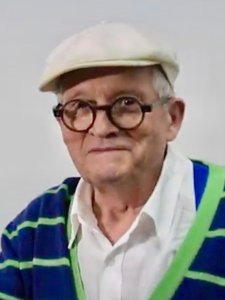
David Hockney
1937 - , Wielka Brytania
Krótka nota
- Artists Who Influenced This Artist: ['Frank Lisle']
- Date Of Birth: 1937
- Full Name: David Hockney
- Nationality: Brytyjska
- Notable Artworks:
- A Bigger Splash
- American Collectors
- We Two Boys Together Clinging
- Portrait of an Artist
- The Arrival of Spring in Woldgate
- Place Of Birth: Bradford, Wielka Brytania
Powiązane artykuły

Top 10 arcydzieł ekspresjonizmu abstrakcyjnego – inspiracje dla Twojego wnętrza | OriginalUniqueArt.com
Odkryj 10 arcydzieł ekspresjonizmu abstrakcyjnego – Pollock, Rothko, de Kooning i inni. Poznaj historie artystów, techniki i inspiracje dla Twojego wnętrza. Reprodukcje najwyższej jakości na OriginalUniqueArt.com!

Geometria Sztuki: 10 Arcydzieł Abstrakcji Geometrycznej | OriginalUniqueArt.com
Odkryj 10 arcydzieł abstrakcji geometrycznej! Poznaj historię Mondriana, Kandinskiego i Maleвича. Inspiracje wnętrzarskie z malarstwem abstrakcyjnym – reprodukcje najwyższej jakości na OriginalUniqueArt.com. Eksploruj kolekcję online!
Serene Blue Backgrounds: Discover Soulful Art to Transform Your Space with Timeless Elegance
Transform your home with soulful blue art. From serene Monet impressions to modern textured sculptures, discover curated masterpieces designed to inspire calm. Explore expert art consultations and bespoke hand-painted reproductions to create your personal sanctuary.

Top 10 Sławnych Obrazów w Odcieniach Szaroniebieskiego – Inspiracje dla Wnętrz | OriginalUniqueArt.com
Odkryj 10 najsłynniejszych obrazów w odcieniach szaroniebieskiego! Poznaj historie Claude Moneta, Degasa i Van Gogha. Inspiracje wnętrzarskie i reprodukcje najwyższej jakości na OriginalUniqueArt.com – sztuka dla Twojego domu.

25 Arcydzieł Kandinskiego: Kolor, Duchowość i Abstrakcja w Twoim Domu | OriginalUniqueArt.com
Odkryj 25 arcydzieł Wassily Kandinskiego – pioniera abstrakcji i ekspresjonizmu! Poznaj historie, techniki i emocje kryjące się za jego kolorowymi kompozycjami. Reprodukcje obrazów najwyższej jakości na OriginalUniqueArt.com. Eksploruj pełną kolekcję online!


